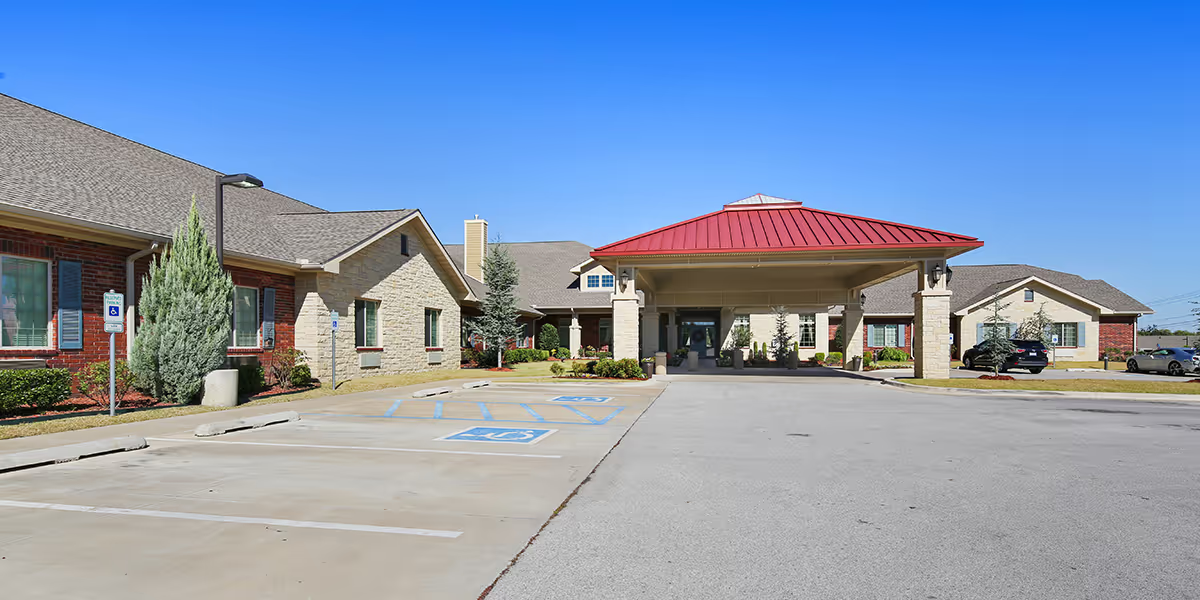
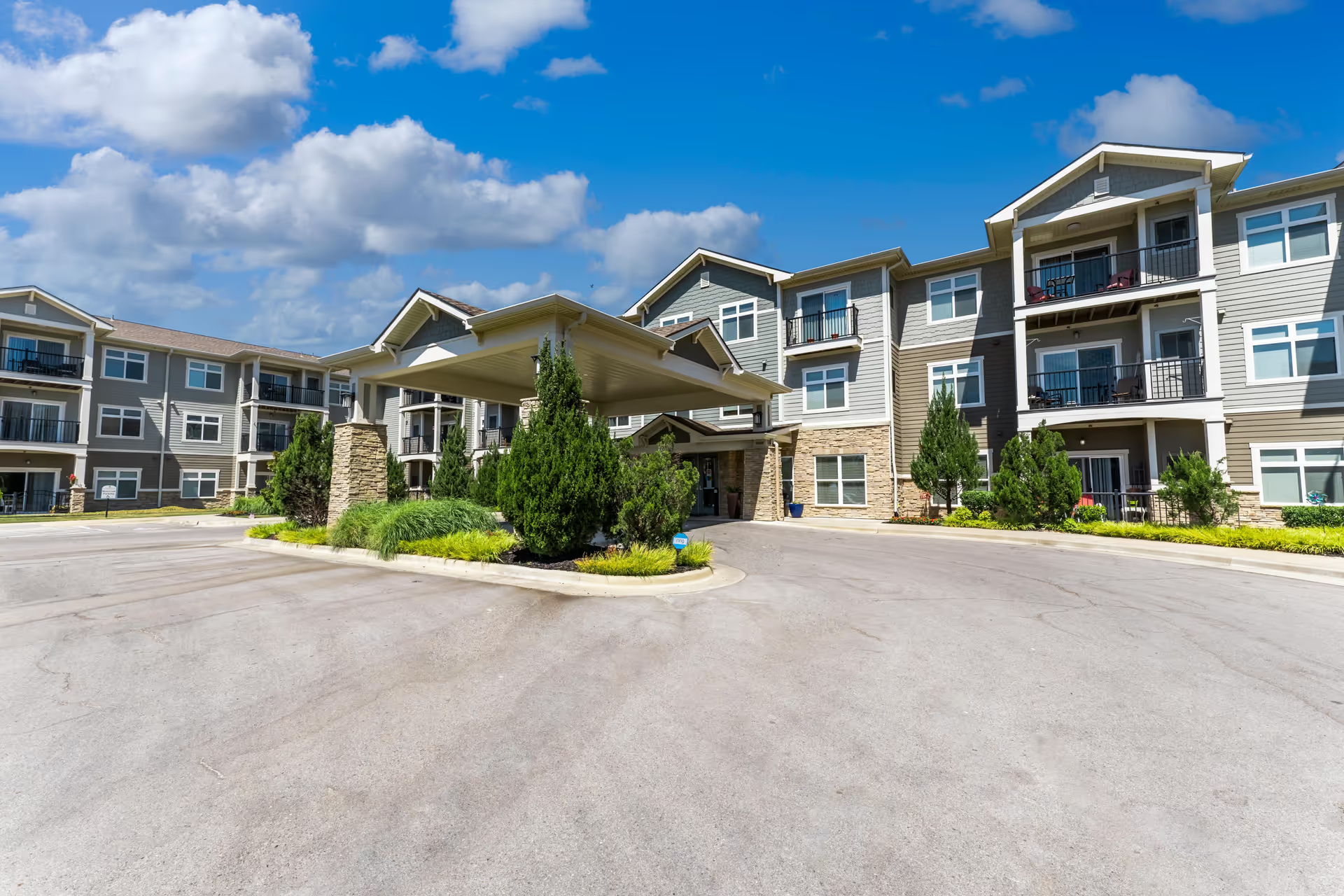
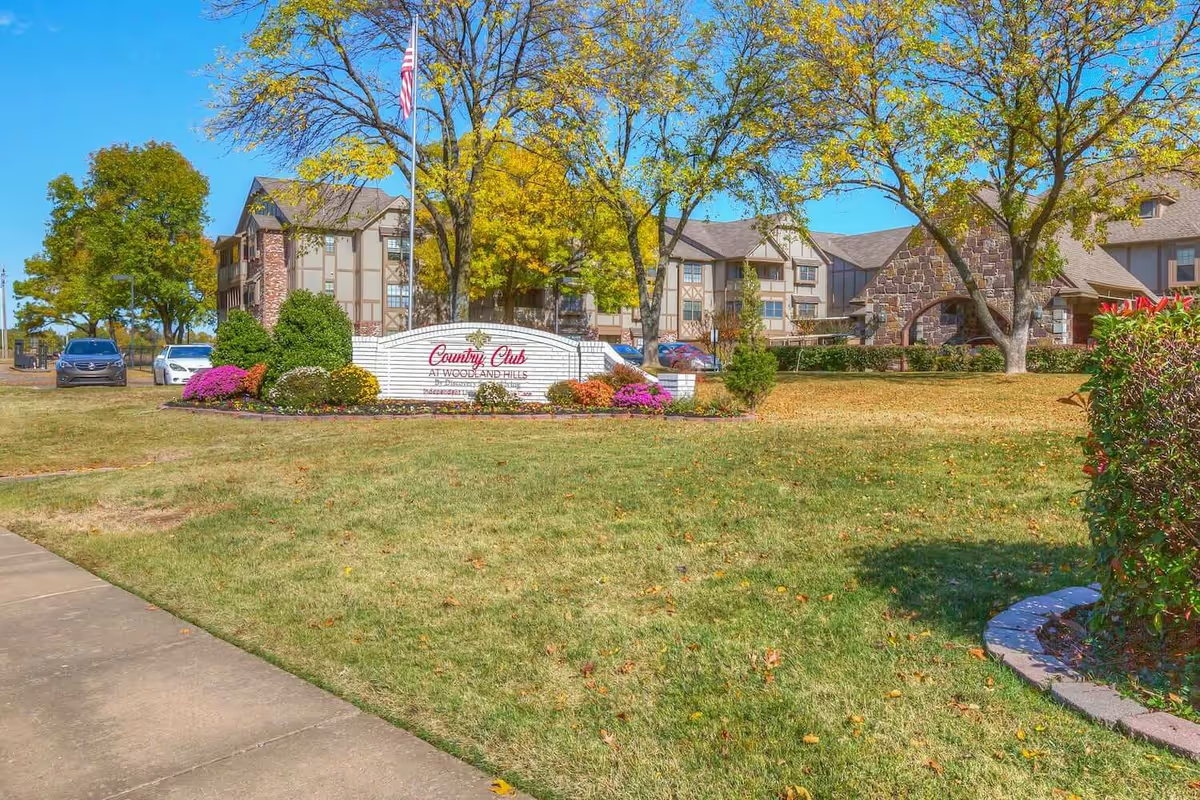
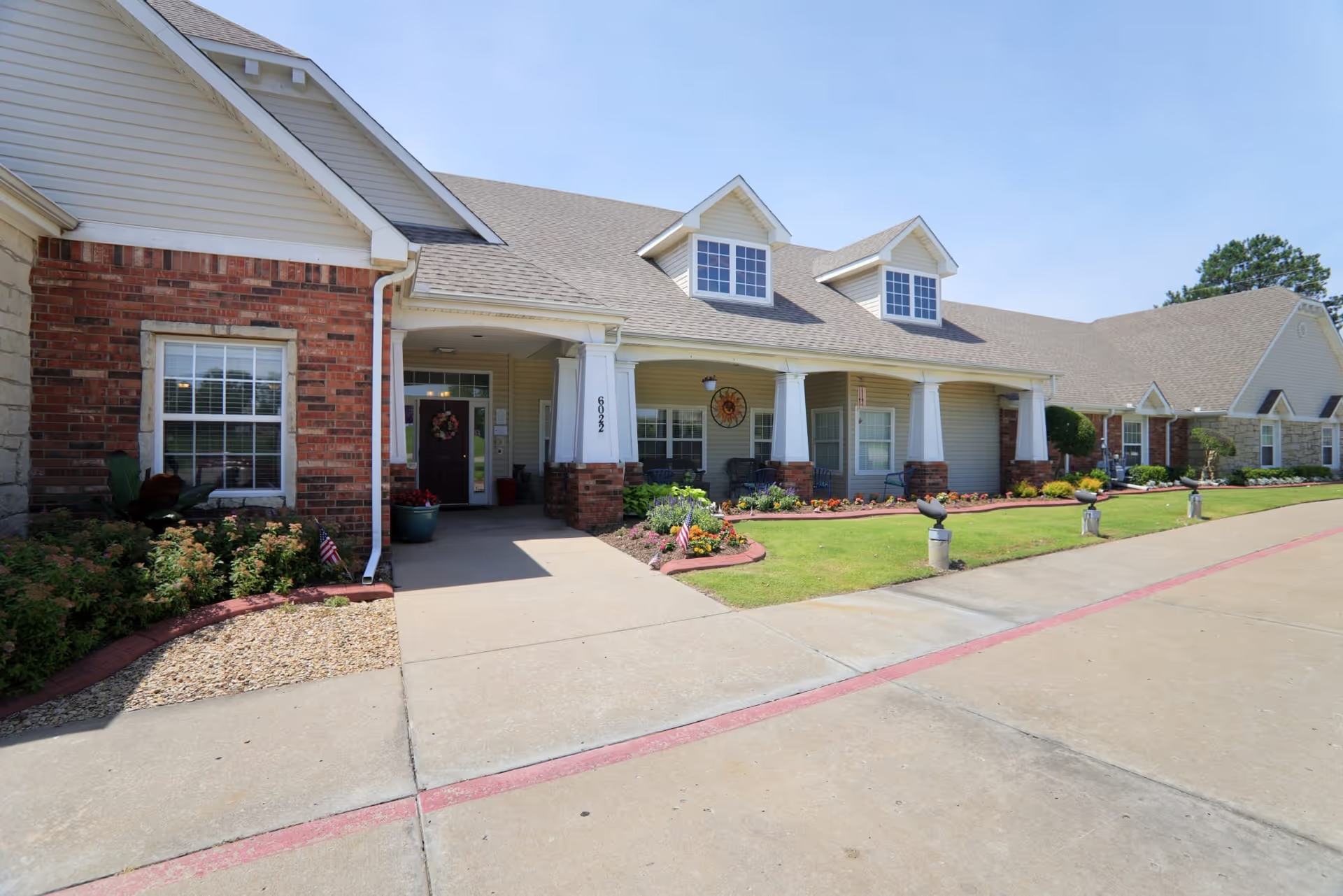
The Cottage at Woodland Hills elicits highly polarized feedback. Many families describe positive experiences characterized by caring, attentive staff and effective therapy services that supported timely home discharge. Across several accounts, physical, occupational, and speech therapy teams received praise for helping residents regain function. Some reviewers also highlighted compassionate skilled nursing and hospice coordination, an accessible administration that resolved issues, engaging community activities, and recently renovated therapy spaces that enhance rehabilitation capacity.
Contrasting those positive accounts are recurring operational concerns. Reviewers describe inconsistent sanitation and room-cleaning practices, intermittent odor concerns, and lapses in incontinence-care procedures. Multiple comments indicate gaps in medication and supply management, including missing items and delays in refilling or administering orders. These clinical and logistical weaknesses were frequently tied to delayed responses for acute medical needs (wound care, infections, glycemic events) and to perceived variability in staff competence and responsiveness.
Communication and coordination are central themes. Families reported weak interdepartmental handoffs, slow implementation of diet or order changes, delayed discharge planning in some cases, and long hold times when attempting to contact administration. Laundry and personal-property management problems and maintenance deficiencies — aged building systems, damaged furniture/mattress issues, and occasional falling plaster or flooring hazards — were cited as facility-level shortcomings that affected resident comfort and safety. Several accounts raised pest-control concerns and inconsistent housekeeping in both older and newer areas of the campus.
Safety and regulatory concerns appear in a subset of reviews: fall-prevention and transfer-safety processes were described as insufficient in some instances, and a few serious individual claims — including allegations of theft and financial misconduct and concerns following a resident's death — prompted family complaints and referrals to oversight authorities. While these severe claims were not universal, they underscore the importance of verifying credentialing, care protocols, and incident follow-up when considering placement.
Dining and activities produce mixed impressions. Some families praised the meals and community programming, noting enjoyable social events and a pleasant dining area; others found meal quality inconsistent and service continuity lacking. Therapy availability and effectiveness also varied by case: several reviewers praised robust, effective therapy that enabled rapid improvement, while others said therapy sessions felt short or insufficient for their goals.
In sum, The Cottage at Woodland Hills offers demonstrable strengths in therapy services, compassionate caregivers, and pockets of responsive management, especially where staff continuity and recent renovation are present. However, persistent operational weaknesses — sanitation variability, medication and supply-control gaps, communication and coordination failures, maintenance shortfalls, and financial/billing concerns — create a mixed overall picture. Prospective residents and families should tour the facility (including both newer and older units), ask for staffing and therapy schedules, review medication and incident protocols, and seek documentation of how the facility addresses sanitation, safety, and billing issues before making placement decisions.