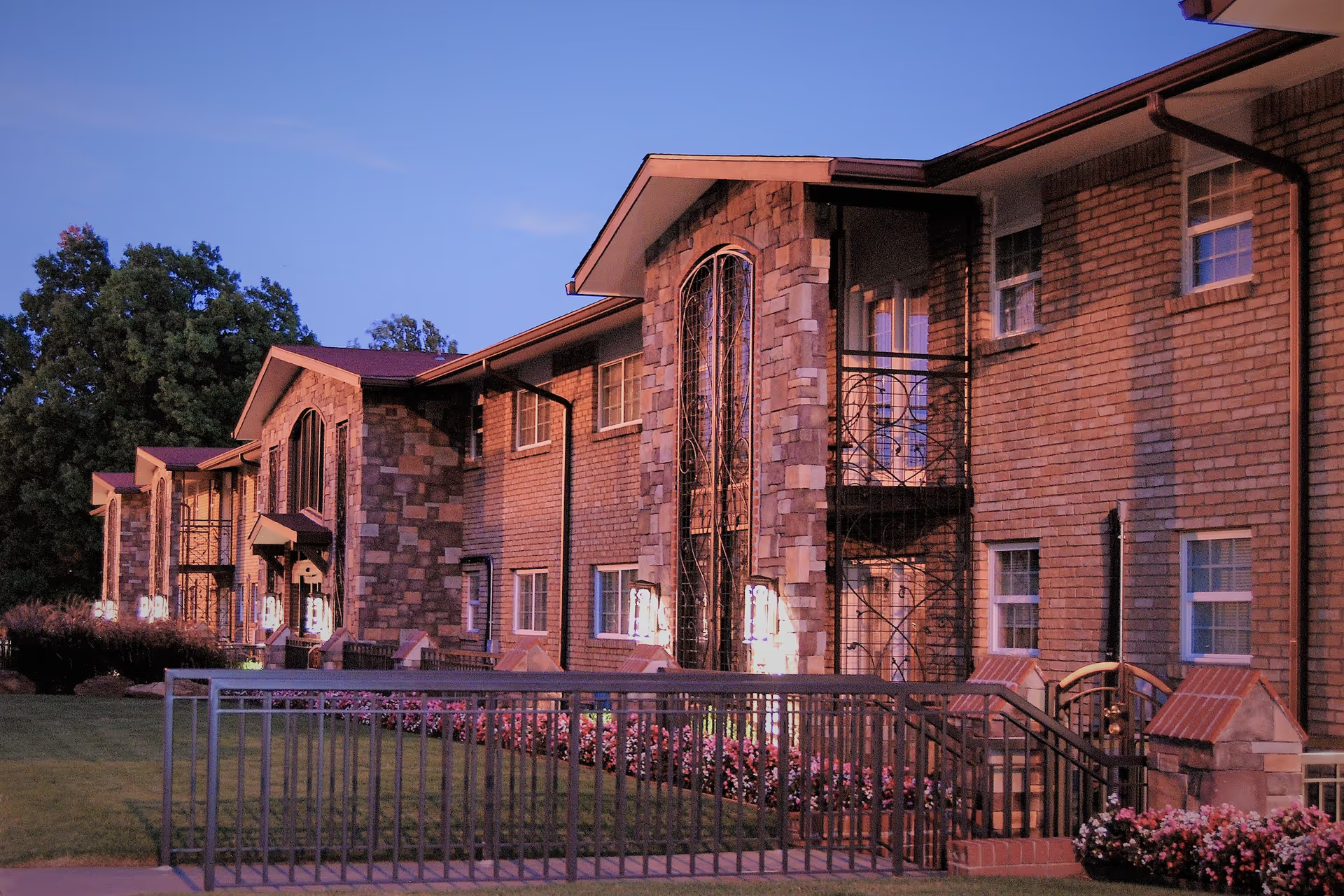
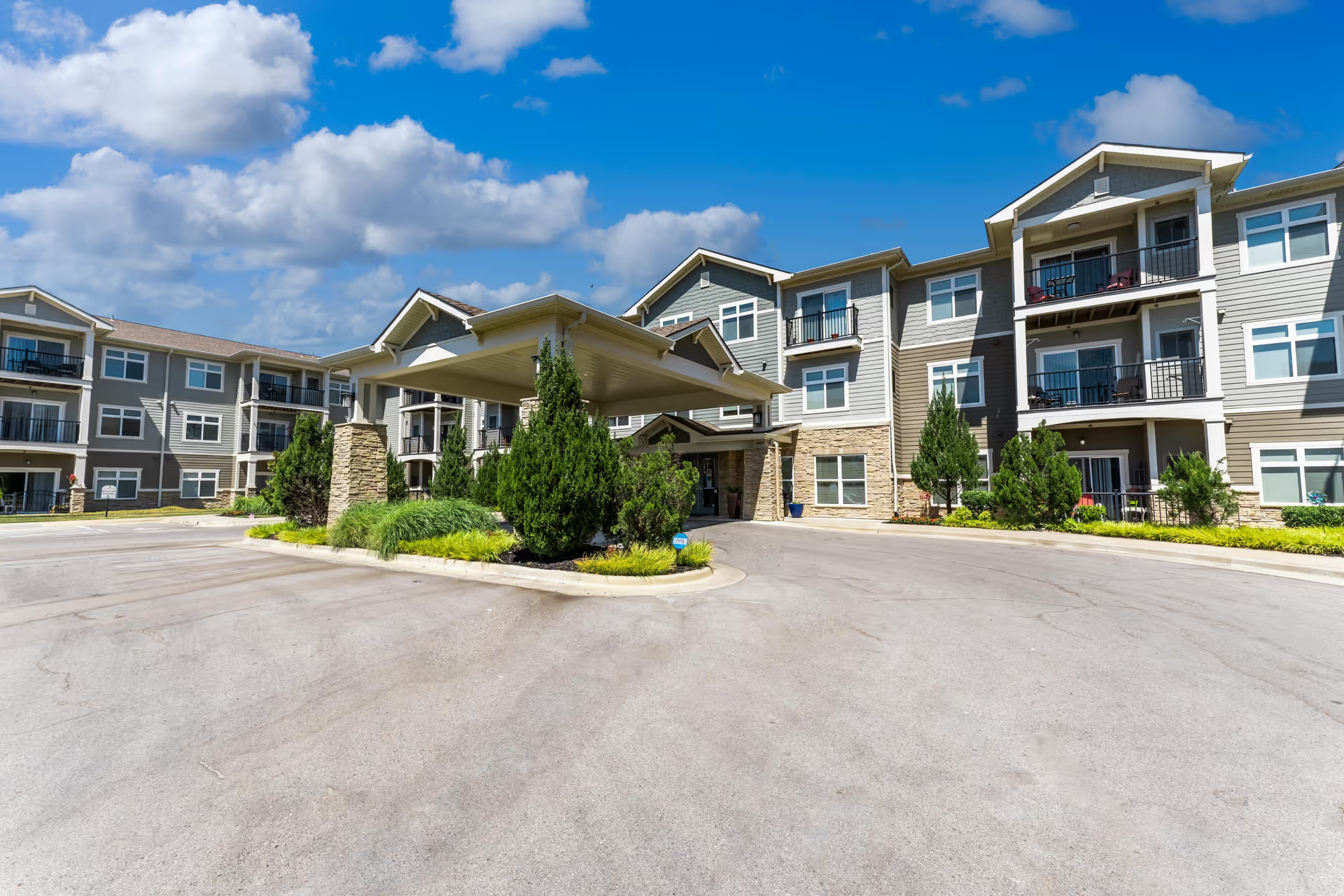
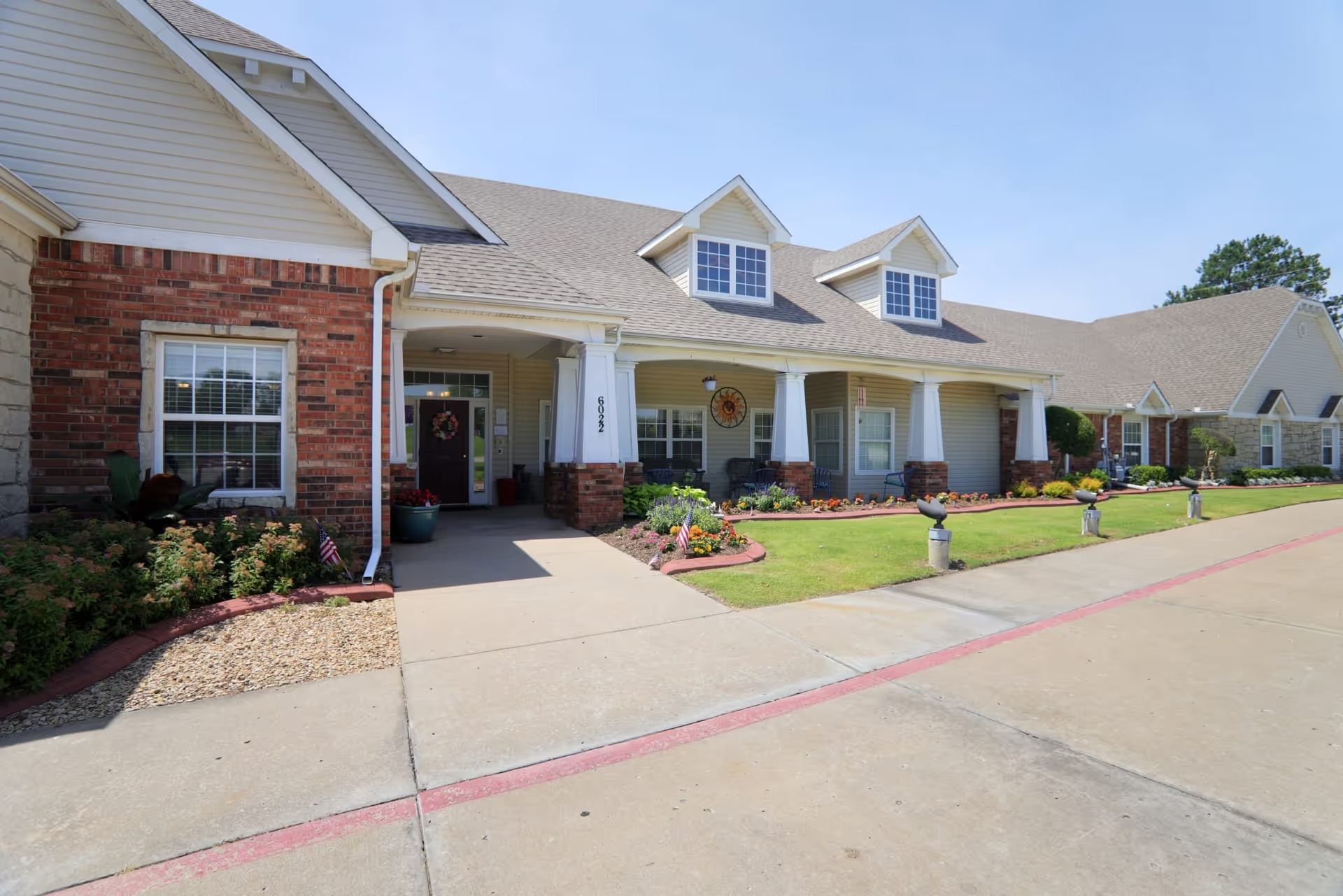
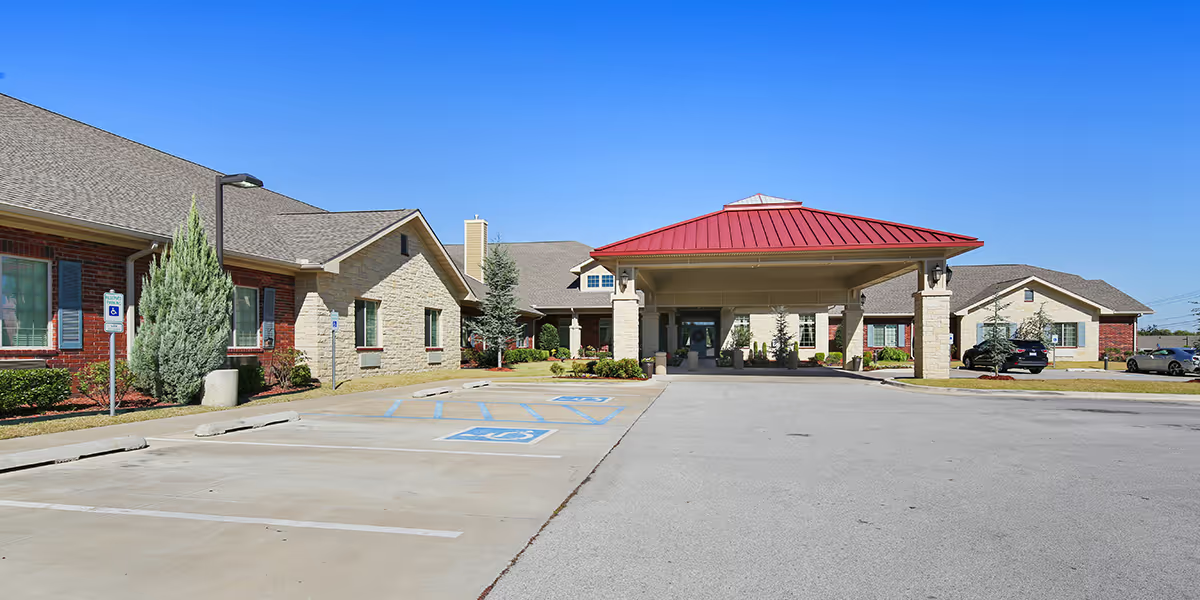
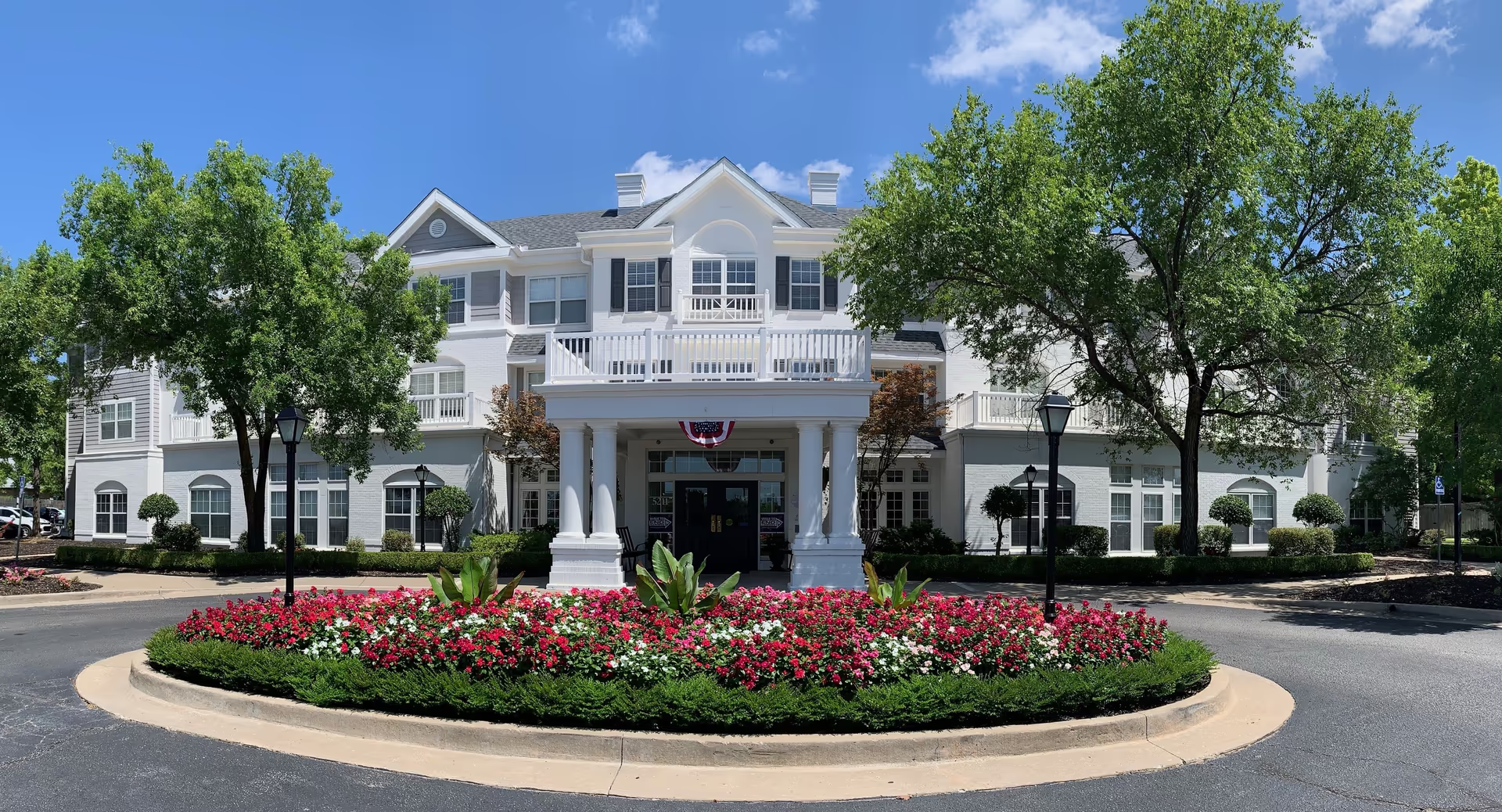
Tulsa Nursing Center elicits strongly mixed impressions. Many reviews highlight clear strengths in clinical rehabilitation, dining, and select frontline staff; however, other reviews identify recurring operational weaknesses in nursing responsiveness, medication handling, sanitation, and administrative processes. Overall, the facility appears to provide high-quality therapy and foodservice for some residents while simultaneously exhibiting variability in basic care processes and facility upkeep.
Care quality: The facility's therapy and rehabilitation services receive consistent praise for helping residents regain function and return home. Several reviewers credited the therapy teams with positive outcomes and robust equipment. At the same time, there are documented concerns about clinical processes: missed or delayed medications, inconsistent attention to hygiene and personal care, delayed assistance with toileting and bathing needs, occurrences of pressure injuries, and fall-related incidents. Hospice services and some individual wound-care clinicians were specifically commended. Prospective families should weigh the strong rehabilitation track record against reported inconsistencies in daily nursing and safety practices.
Staff and professionalism: Reviews describe a polarized staff experience. Many reviewers praise compassionate nurses, aides, social workers, and named leaders who go above and beyond (examples cited include therapy staff, dietary managers, housekeeping supervisors, and specific nursing leaders). Conversely, other accounts describe slow response times, distracted or unprofessional conduct by some staff members, rough communication tone, and inconsistent adherence to expected attire and behaviors. Staffing continuity emerges as a key driver of experience: care tended to be better when regular, experienced staff were on duty.
Dining and activities: The dining program is a prominent strength. Multiple reviews praise the kitchen leadership, a welcoming dining environment, hot meals, and a cafeteria option; specific dietary managers were repeatedly commended for individualized attention. Activities offerings, including group crafts and a variety of programs, were noted as meaningful for resident engagement. These programmatic elements appear to contribute positively to resident quality of life.
Facilities and cleanliness: Reports vary widely. Several reviewers describe clean, odor-free areas and exemplary housekeeping under named supervisors, while others cite worn décor, stained carpeting, maintenance deficiencies, pest-control concerns, and uneven cleanliness between shifts or units. Housekeeping leadership and particular staff members were credited with strong performance, but facility-aging issues and inconsistent environmental maintenance are recurring themes.
Management and administration: Administrators and nursing leadership receive mixed assessments. Some families describe responsive leadership, improved clinical rounding, and constructive engagement from the director of nursing and social services. At the same time, there are repeated complaints about communication breakdowns at transitions of care (discharge notifications, ambulance coordination), billing errors, and alleged mishandling of personal property or funds. A few reviews mention improvements after leadership changes, suggesting active management attention in some cases.
Notable patterns and guidance: The reviews present a polarized pattern: strong clinical and dining programs anchored by committed employees coexist with operational variability in basic nursing responsiveness, medication oversight, sanitation, and administrative coordination. Many reviewers advise that experiences often depend on staffing levels and continuity. For prospective residents and families, recommended due diligence includes meeting nursing leadership, reviewing medication-administration protocols, asking about wound- and fall-prevention practices, confirming housekeeping and laundry procedures, and clarifying policies for personal belongings and billing. Observing a shift change and speaking with social work and therapy staff can help assess whether the facility’s strengths align with an individual resident’s priorities.