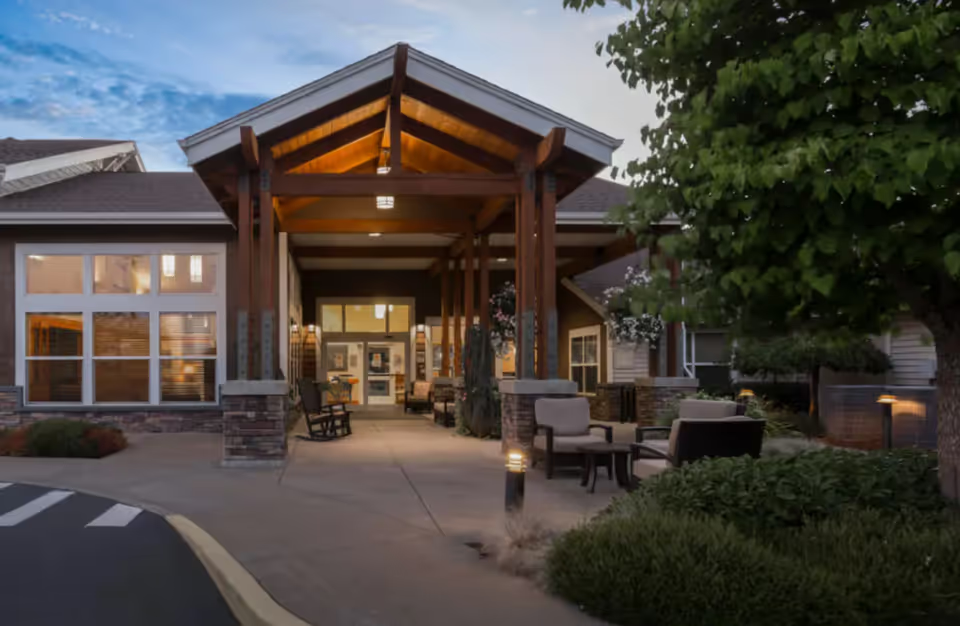
The reviews for Marquis Wilsonville Assisted Living present a polarized picture. Several families describe attentive, compassionate nursing and office staff, along with individualized care plans, around-the-clock caregiving options, and availability of hospice services. The facility is also credited with on-site rehabilitation services, a welcoming admissions process, and a well-maintained physical environment; community referrals and recommendations were cited as reasons some families chose the location.
Conversely, a number of reviews raise operational concerns that appear system-level rather than isolated. Recurring themes include inconsistent staff professionalism and communication, and staffing shortfalls that produced delays in responding to basic needs (for example, extended waits for assistance). Those operational weaknesses are linked in reviews to safety-management gaps—particularly around supervision and fall risk—and to perceived deficiencies in clinical incident response and coordinated care when medical deterioration occurred.
Dining and nutrition emerged as an inconsistent area. Some families described satisfactory meals and pleasant dining experiences, while others characterized meal quality as poor and expressed concerns about dietary oversight and the clinical appropriateness of food for medically fragile residents. Relatedly, reviewers cited limitations around physician availability and offsite medical coordination (weekend access and discharge planning were called out), which can affect medically complex residents.
Management and administrative practices received mixed evaluations. Positive accounts highlight helpful, cooperative office staff who eased transitions, while negative accounts describe variable administrative empathy, restricted family access in some situations, communication breakdowns, and delays in discharge or care coordination. Cost was another recurring theme: monthly pricing was described as high by some families relative to their perception of service quality.
Activities and programming were not a dominant theme in the reviews provided; social and recreational programming was seldom mentioned, making it difficult to assess consistency in that domain from these summaries. Overall, prospective residents and families should weigh the facility's strengths in individualized nursing care, rehab services, and hospice availability against documented concerns about staffing consistency, safety supervision, clinical coordination, and variable meal quality. When considering this facility, families may benefit from asking targeted questions about staffing ratios, on-call physician coverage, incident-response protocols, dietary oversight, and recent staffing or management changes, and from requesting references from residents with similar care needs.