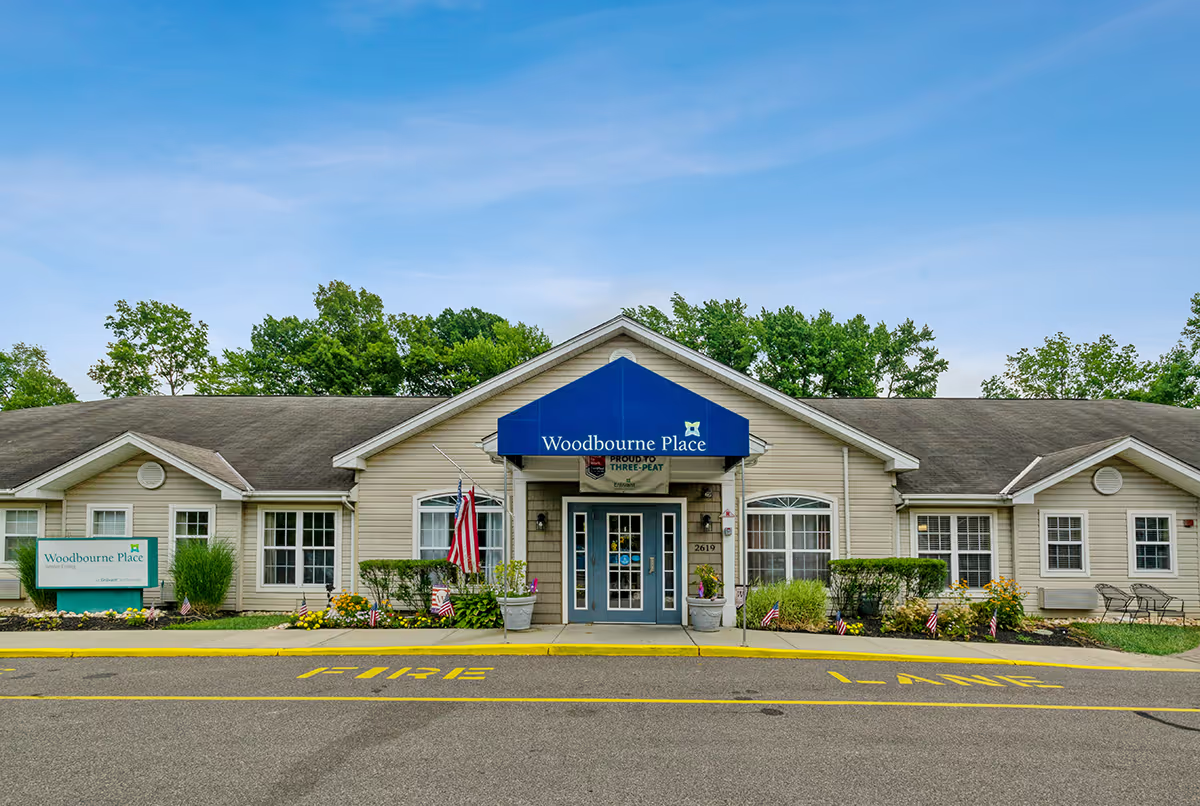
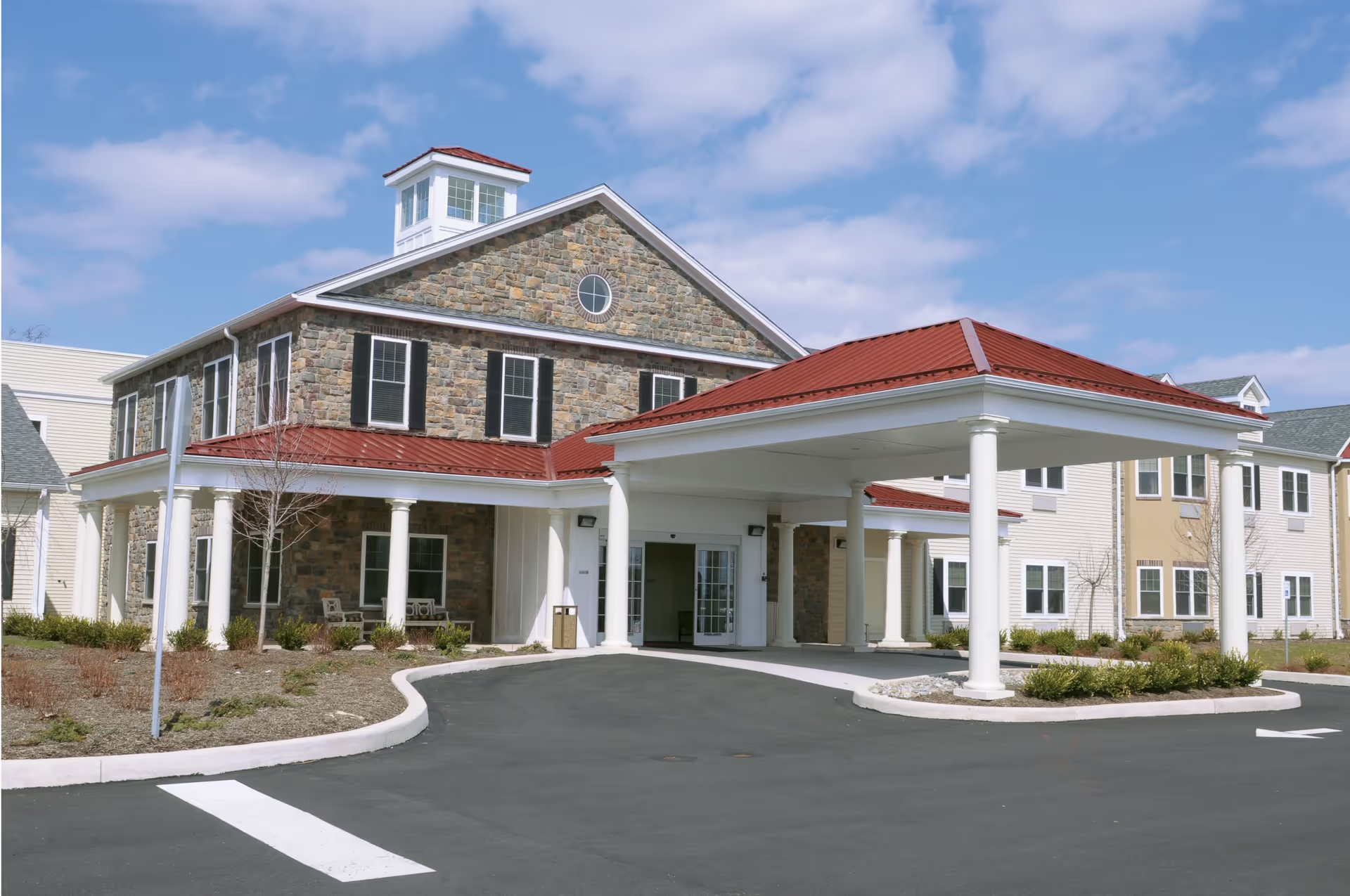
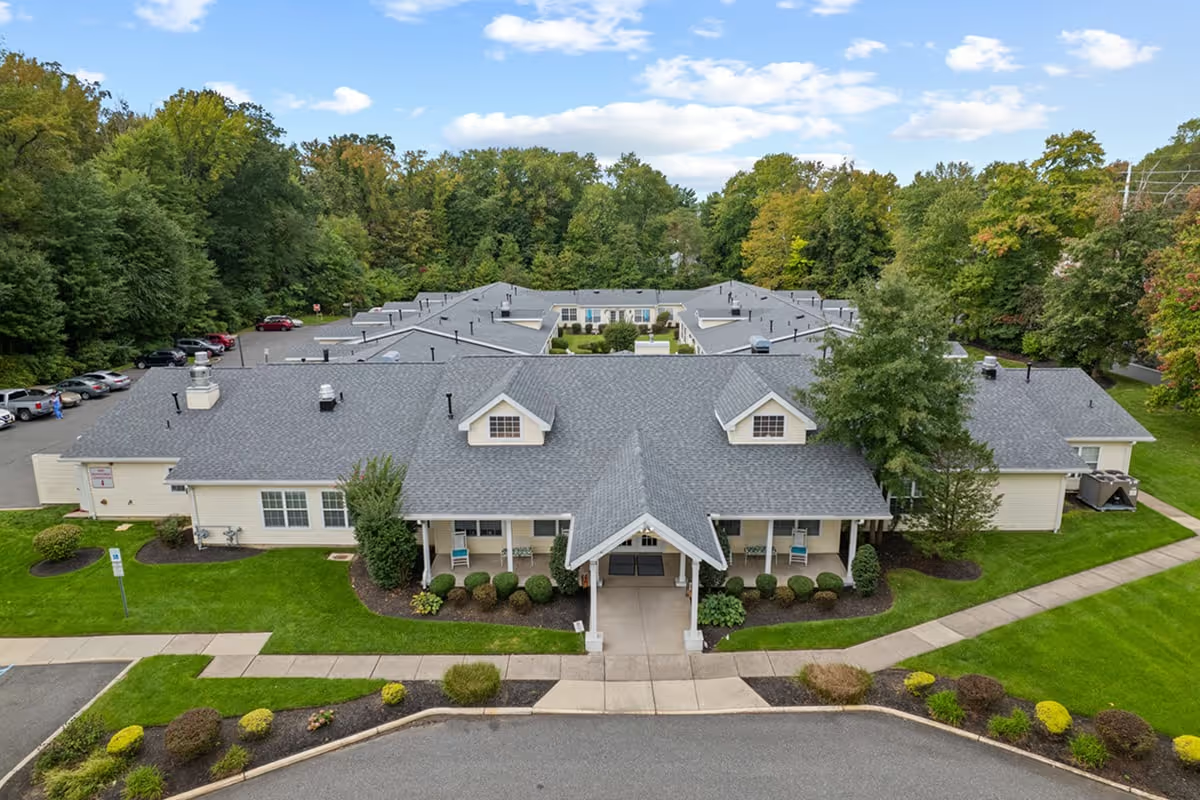
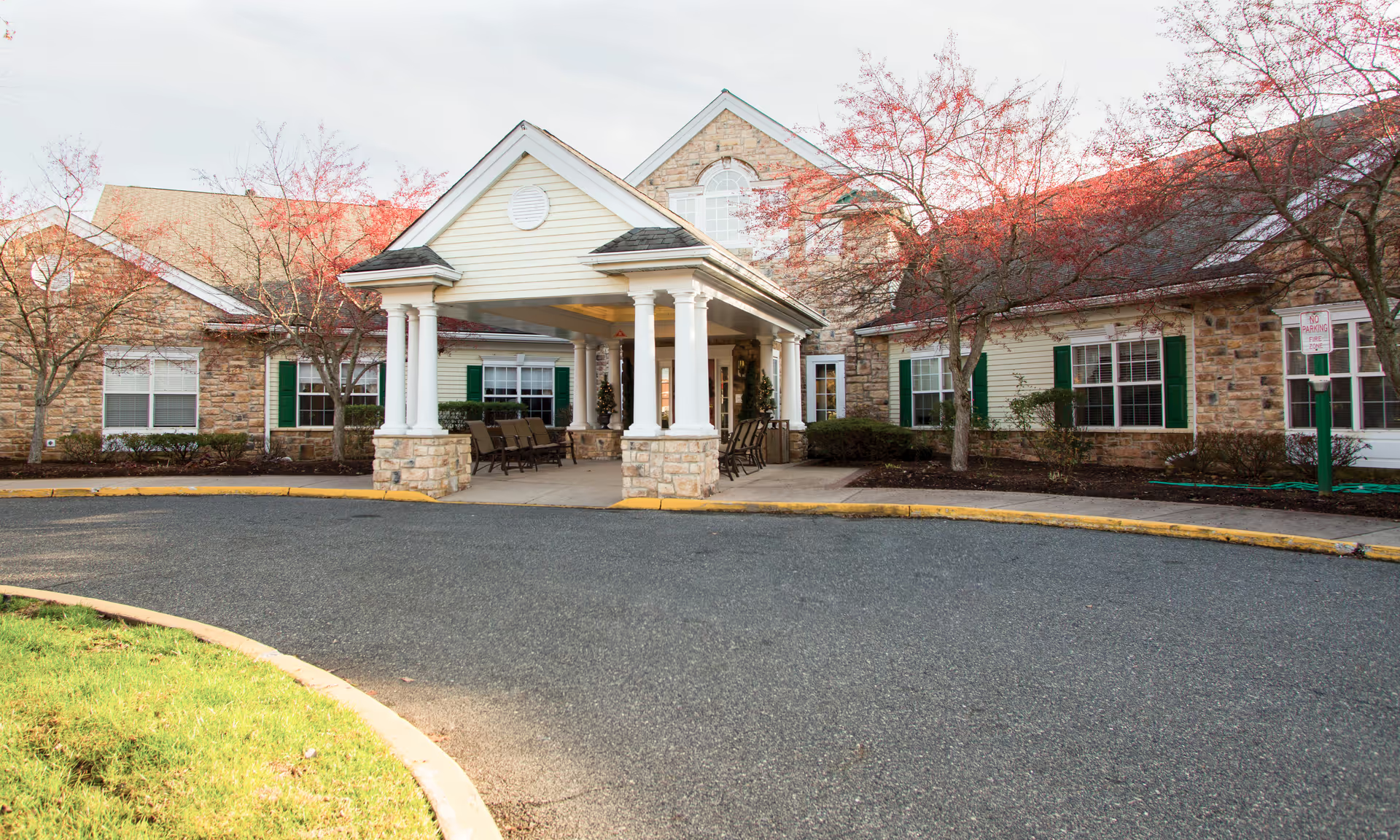
Allegria at the Oaks elicits a mix of strong praise and substantive operational concerns. Many families highlight the staff as a primary strength: nursing and caregiving personnel are described as compassionate, personable, and knowledgeable about individual resident preferences. Admissions and move-in experiences are often cited as smooth, and several reviewers credit staff with improving residents’ social engagement, appetite, and overall mood. The facility benefits from a relatively small memory-care unit, active programming led by certified activity staff (including music therapy), and a range of communal events such as bingo, games, music, and organized outings that contribute to socialization.
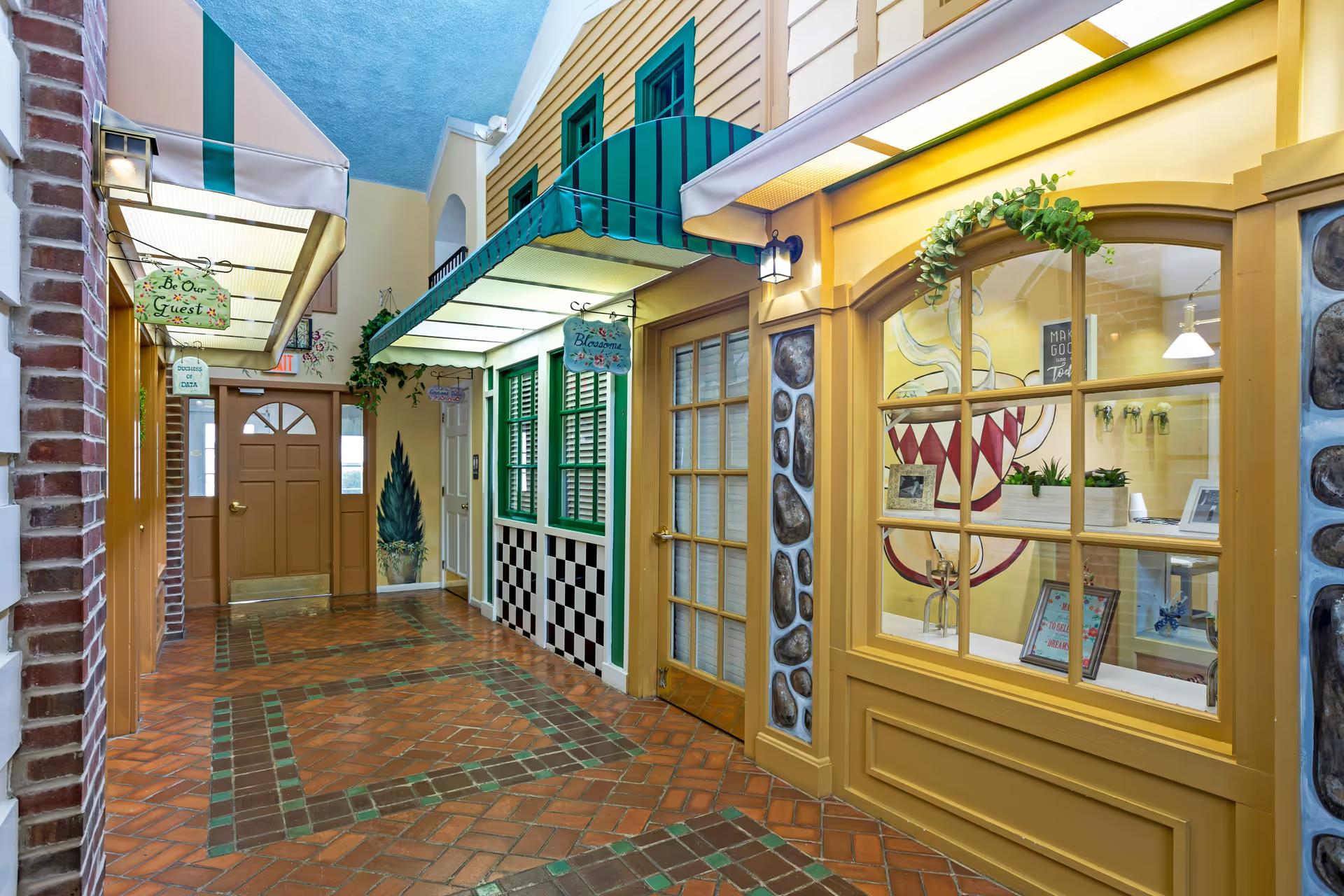
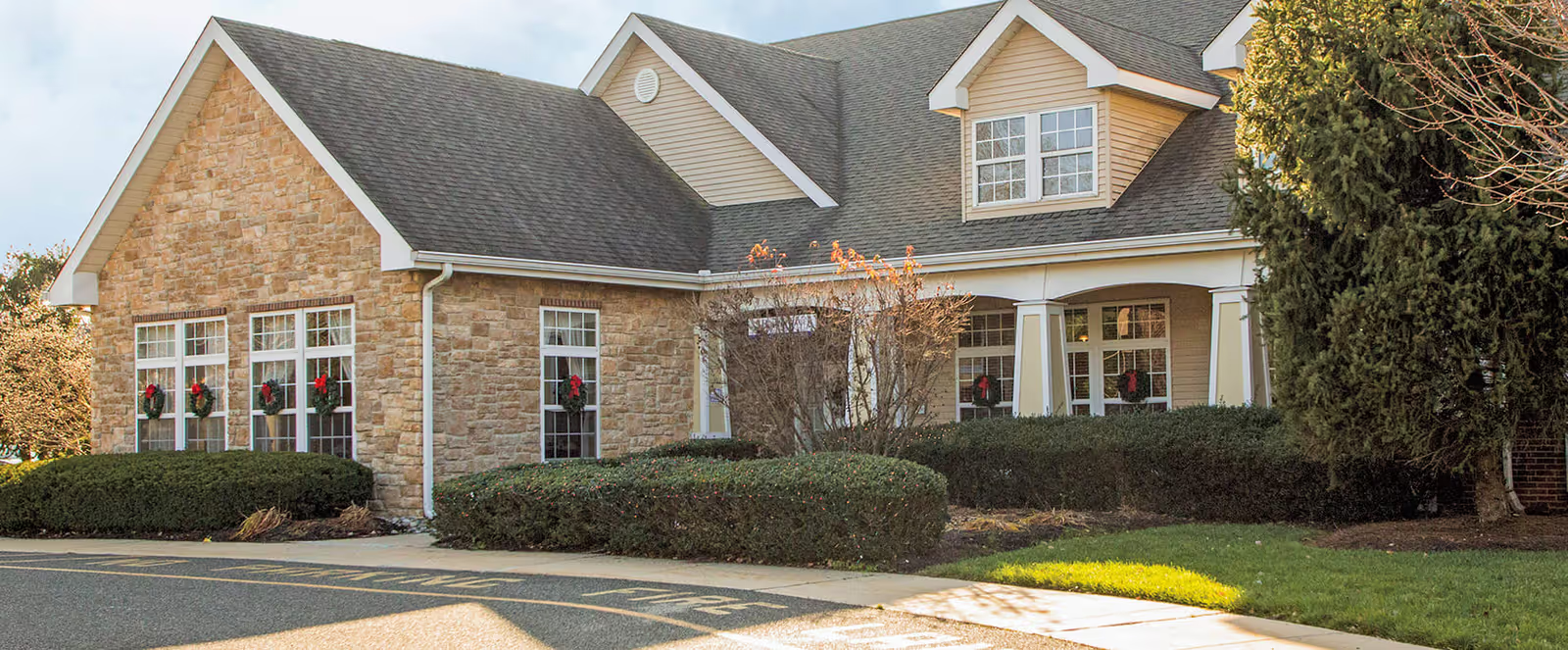
Dining and daily life receive generally favorable comments: reviewers note varied menu choices, generous portions, and an inviting dining room in renovated areas. Maintenance and housekeeping are frequently described as responsive, and recent renovations have improved the lobby and several common spaces; landscaped grounds, a garden, and gazebo are repeatedly praised. Room offerings include large private suites and lower-cost companion rooms, giving families options depending on budget and privacy needs.
At the same time, recurring operational patterns raise caution. Staffing levels and turnover are described as inconsistent, which reviewers link to slower response times for personal care, delayed showers, and intermittent lapses in supervision—particularly overnight. Related concerns include uneven staff training and variability in caregiver conduct; families contrast attentive aides with others they perceive as less engaged. Several accounts point to gaps in clinical documentation and family notification after falls or care incidents, and there are specific notes about call-system reliability problems that have affected emergency response.
There are mixed observations about facility condition and infection control. While many areas have been renovated and kept clean, other reviews reference sanitation and odor concerns in specific locations and rooms that need cosmetic updating. COVID-era communication and visitation policies were a pain point for some families, with reports of inconsistent enforcement or delayed outbreak recognition. Dining satisfaction is similarly mixed: some residents highly enjoy meals, while others find particular dishes or routines unsatisfactory.
Management and administrative themes are important to consider. Multiple reviewers note ownership or leadership turnover, pricing increases tied to care levels, and uneven responsiveness from administrative staff. A subset of families raised serious allegations of missing personal items and questions about billing or Medicare-related practices; these represent high-severity claims that prospective families should probe directly with facility leadership and through contract/medicare documentation. Operational issues such as laundry and belongings mix-ups, roommate-matching challenges, and occasional communication shortfalls also recur.
Bottom line: Allegria at the Oaks offers many elements that families value—engaged caregiving staff, active programming, recent renovations, and a pleasant outdoor setting—making it a reasonable option for residents who prioritize social engagement and value. Prospective residents and families should weigh these strengths against operational concerns: verify current staffing levels and overnight supervision practices, ask for details on call-system reliability and incident notification protocols, review policies on personal-possessions security, and tour both renovated and older resident rooms to assess fit for specific care needs (particularly advanced memory-care requirements). Talking with current families and reviewing recent inspection or complaint records can help clarify how the facility is addressing the areas of concern noted above.