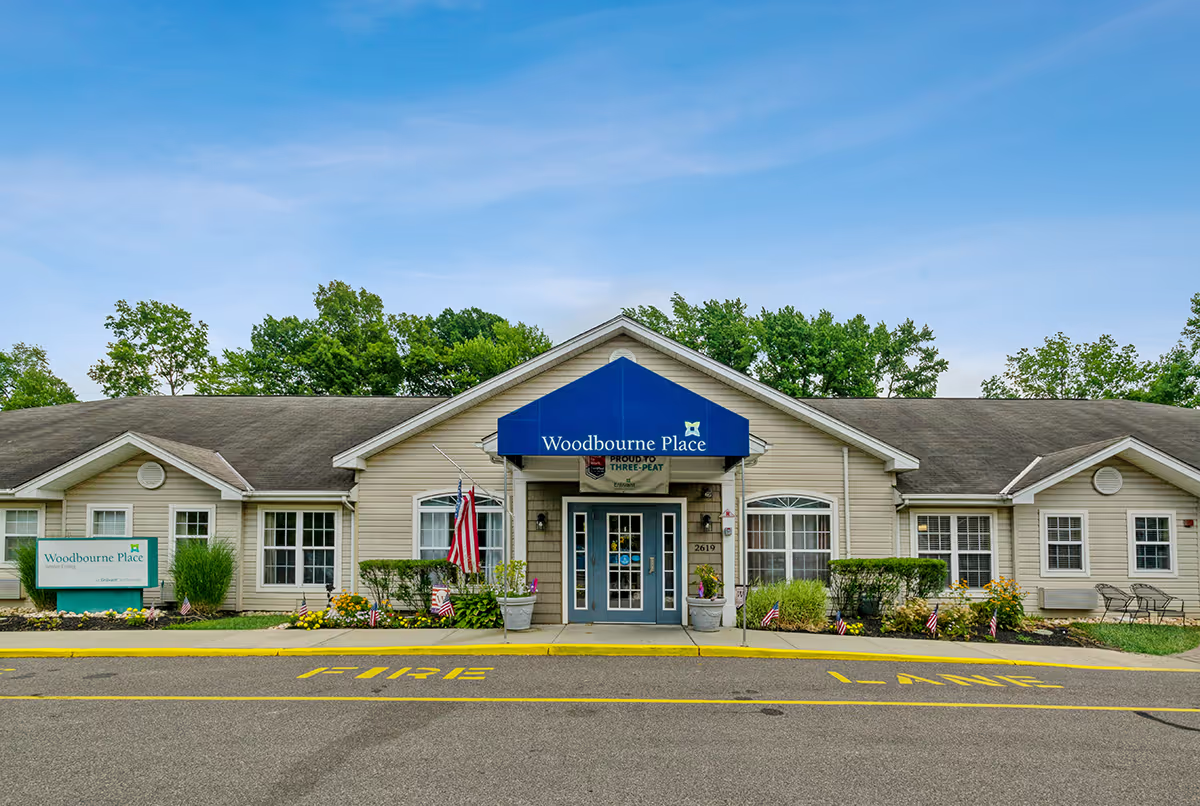
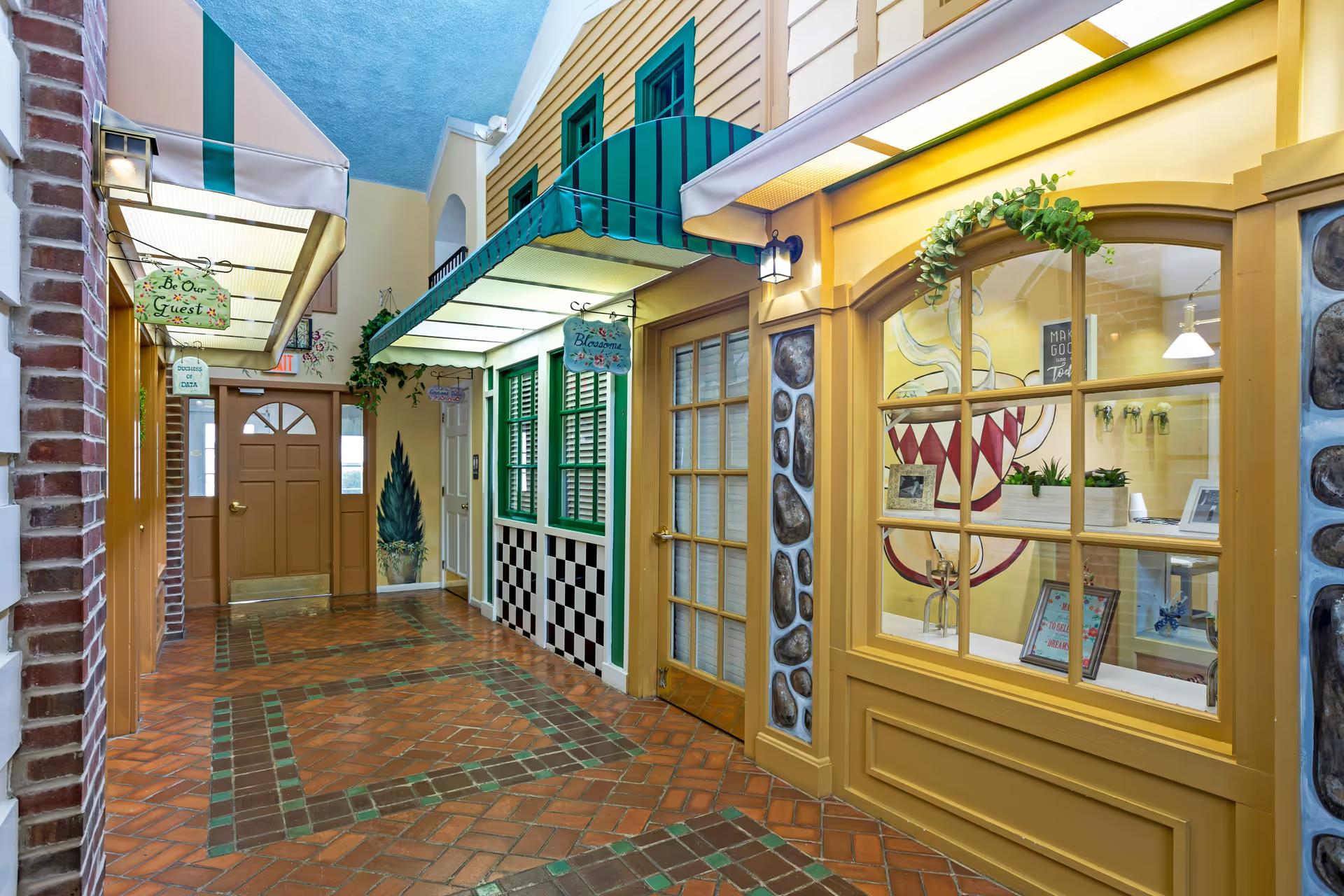
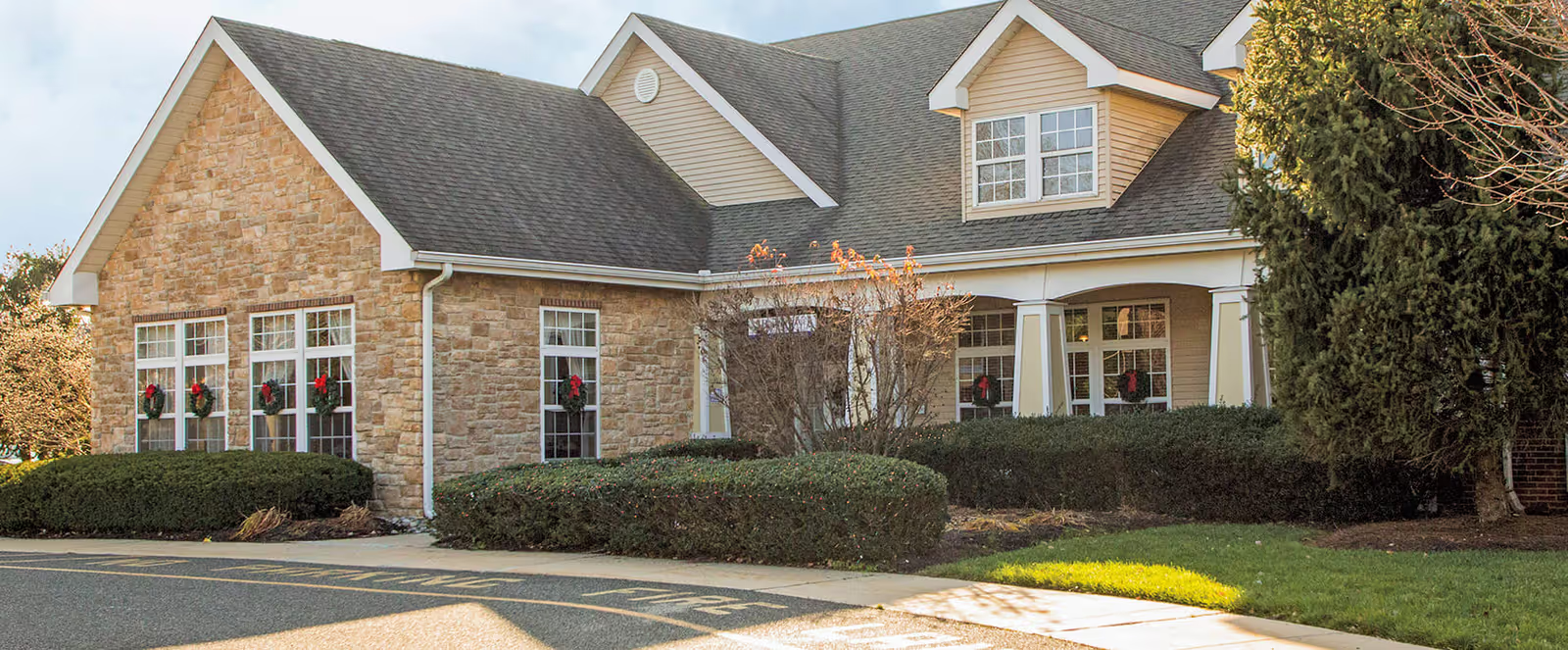
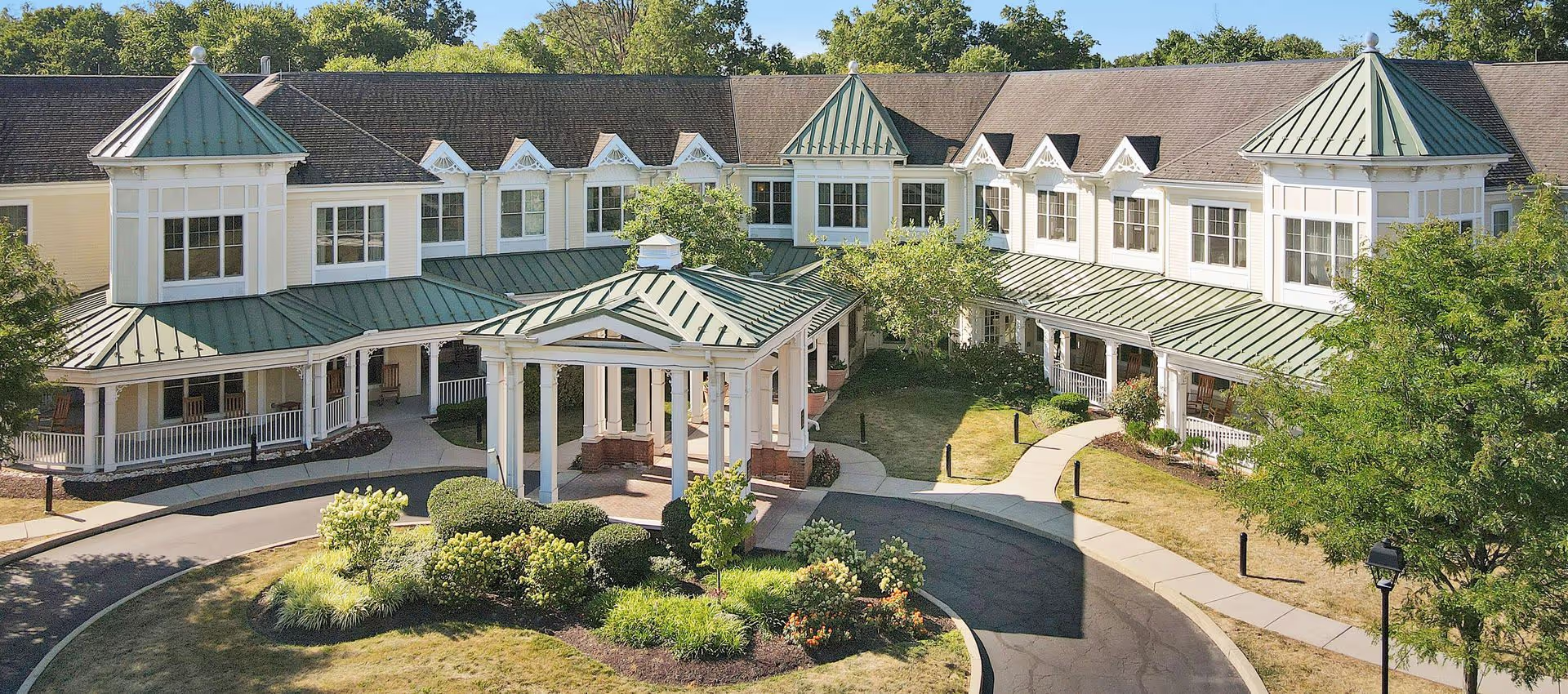
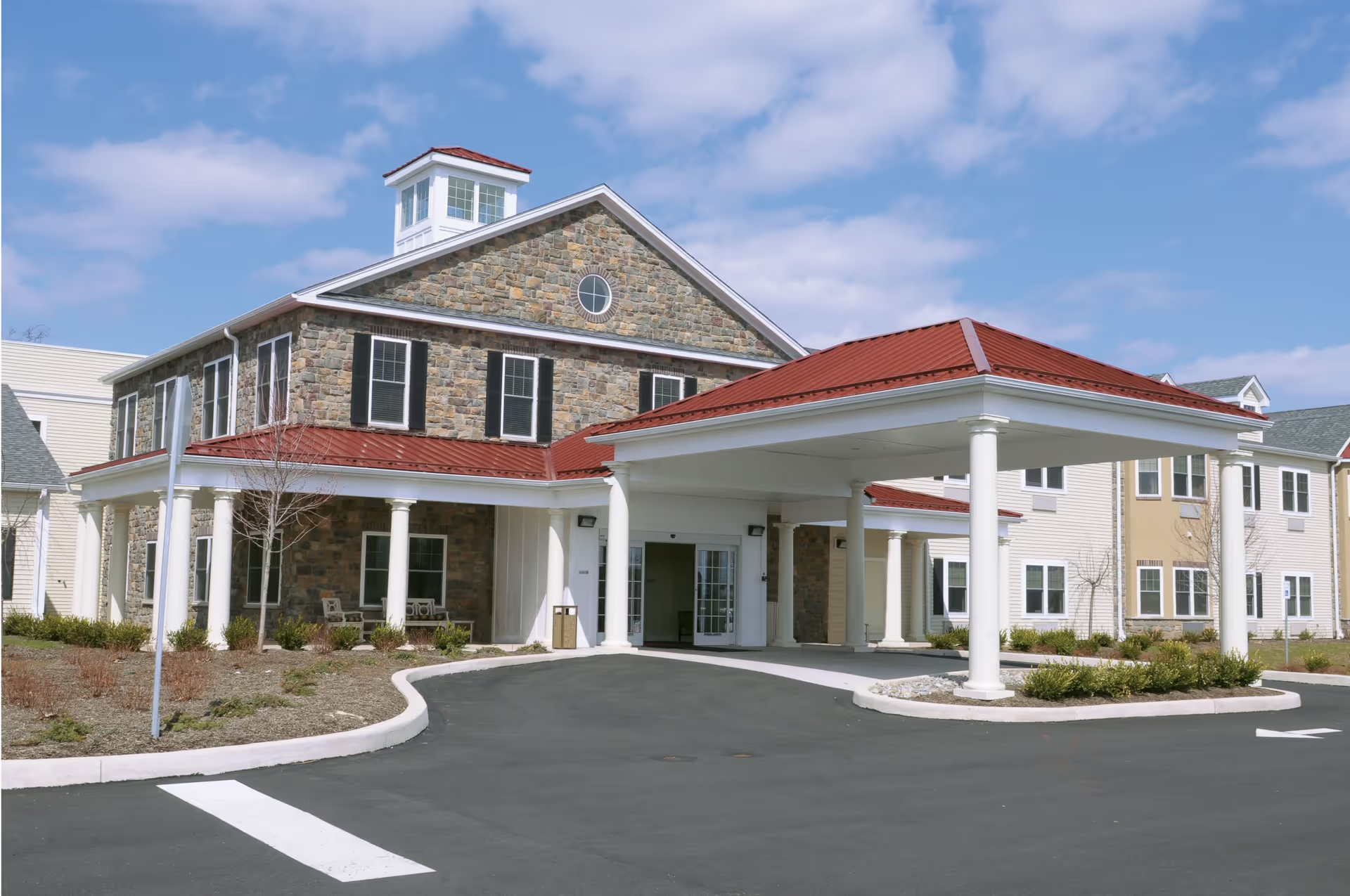
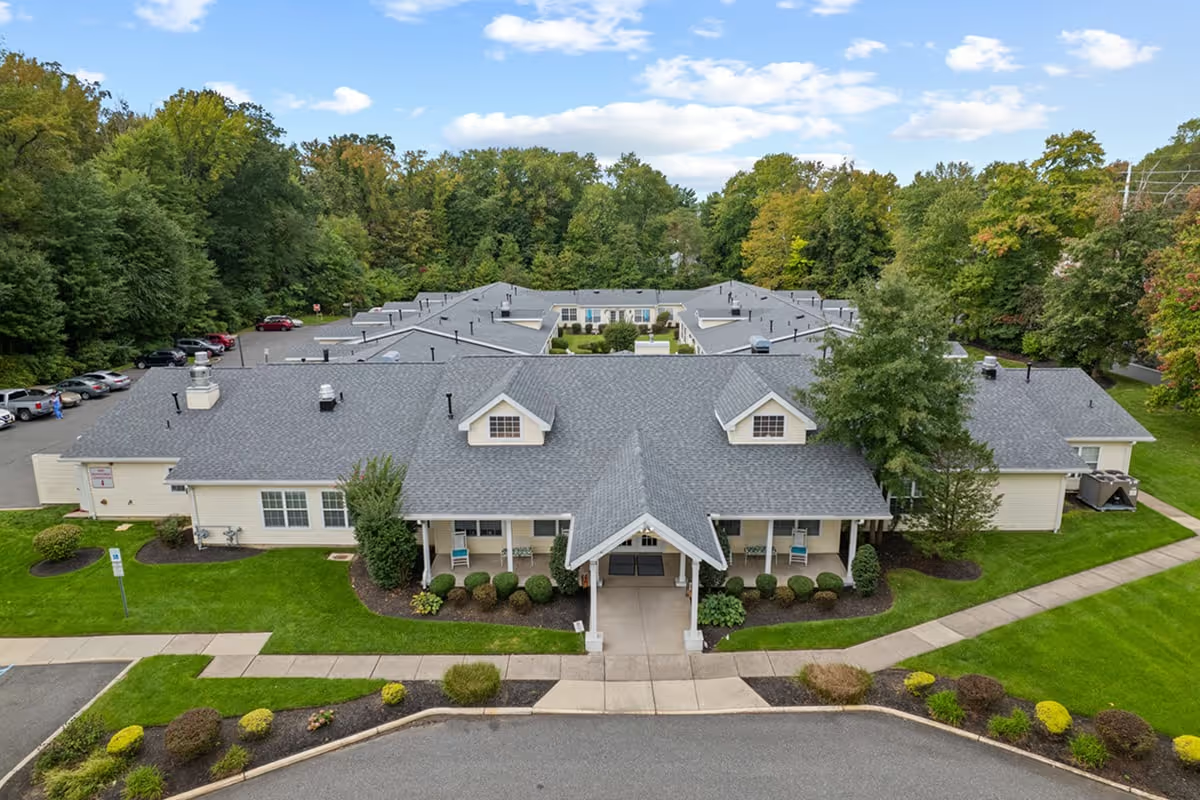
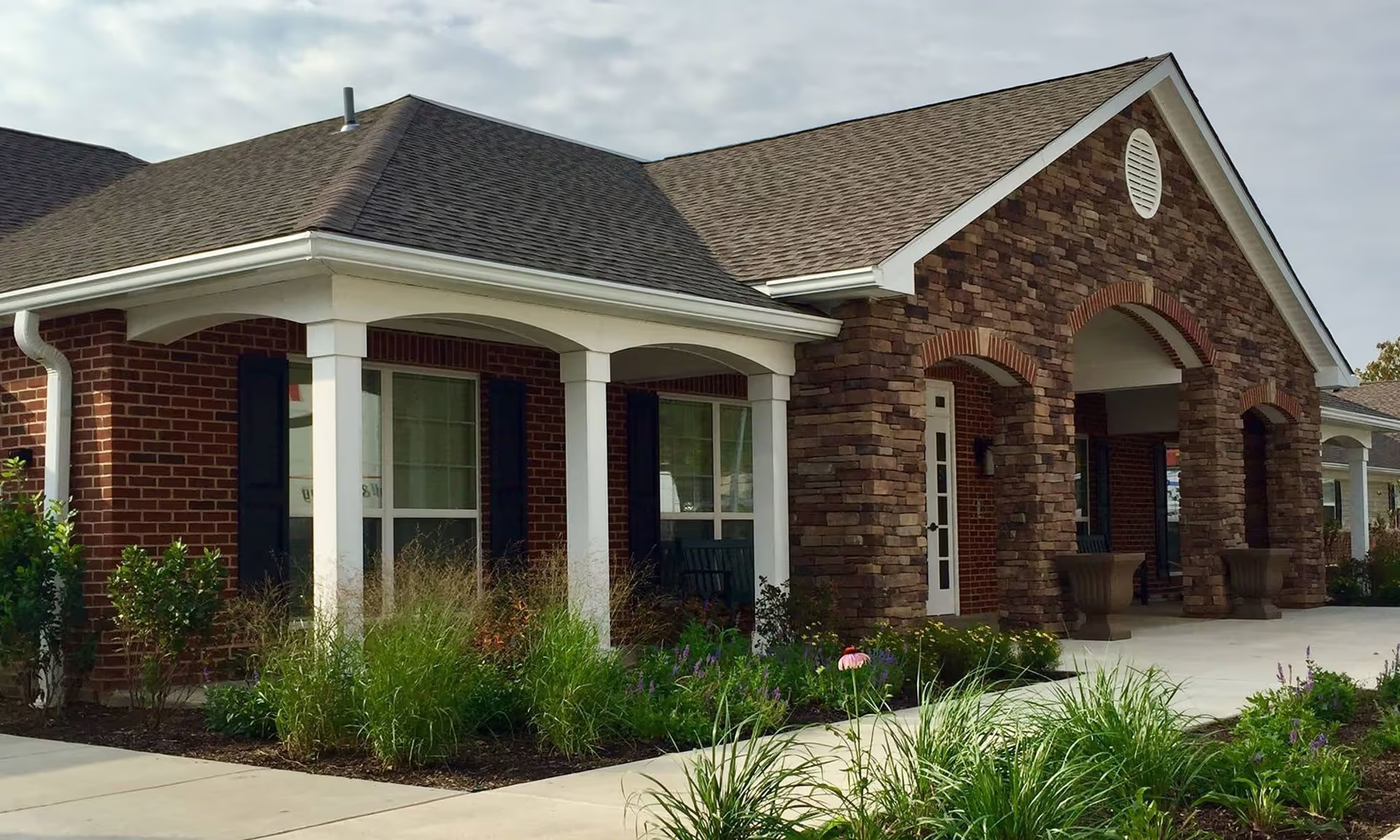
Juniper Village at Bucks County presents a mixed but informative profile for prospective residents and families. Physically, the community is frequently described as attractive and well maintained: renovated apartments, private balconies or screened patios, multiple dining venues, a café, library, pool and arts-and-crafts spaces contribute to a resort-like campus with pleasant outdoor areas. Independent-living residents commonly cite roomy units, natural light, and an active social environment as strong positives. Rehabilitation and therapy services are available and receive favorable comments from families who used them.
Staff interactions are a recurring strength: many reviews highlight compassionate, attentive caregivers, kind nursing staff, and front-desk and hospitality employees who create a welcoming atmosphere. Admissions and marketing teams are often noted for helpful move-in support and social onboarding. At the same time, reviewers describe variability in staff consistency and turnover; some families report high-quality daily care while others identify delays in response times or knowledge gaps among particular aides or weekend/on-call personnel. For higher-acuity needs, including memory-care neighborhoods, several families raised specific concerns about placement decisions, staffing adequacy, and communication — these represent serious issues for those seeking long-term clinical support.
Dining and activities are prominent features. Many residents praise the food, multiple restaurant-style dining rooms, nightly specials, and varied programming (trips, performances, clubs, and regular events). The community supports broad engagement with arts, puzzles, fitness, and social clubs. However, a clear pattern emerges of inconsistent dining quality and portioning over time, with some reviewers noting a decline following ownership or operational changes. Activity reliability also varies: cancellations for low sign-ups or performer no-shows and occasional resident-led programming gaps are described.
Operational and management themes recur across reviews. Several families describe improved physical renovations and investments, sometimes accompanied by lower buy-in or monthly fees compared with alternatives. Conversely, others report administrative shortcomings: billing and portal errors, delayed prescription handling, limited responsiveness from corporate or administrative staff, perceived cost–value tensions, and the introduction of additional fees or reductions in promised services after ownership changes. Sanitation and pest-control concerns are raised in multiple accounts and should be investigated by prospective visitors. Additionally, reviewers cite gaps in on-site clinical coverage during weekends and off-hours that can affect timely access to medical providers.
In summary, Juniper Village offers many attributes attractive to independent and socially active seniors: a pleasant campus, robust programming, attentive hospitality staff, and a continuum of services that can simplify transitions. Prospective residents and families should, however, perform focused due diligence around clinical care for higher-acuity needs, ask for current staffing and clinical-coverage plans (including weekend/on-call arrangements), review contract terms and recent fee histories, inspect pest-control and housekeeping practices, and sample dining multiple times. Visiting the assisted- and memory-care neighborhoods in person and speaking with current families in those neighborhoods will help clarify whether the facility’s strengths align with a prospective resident’s needs.