Reviewer experiences at The Belvedere present a mixed picture with clear strengths and recurring operational concerns. Strengths center on clinical rehabilitation, dementia care, and relational caregiving: many families describe compassionate, attentive CNAs and nurses, knowledgeable dementia programming, and robust onsite physical and occupational therapy that produced measurable functional gains (improved eating, weight regain, increased mobility). Admissions and therapy teams are frequently described as helpful, and some families report smooth transitions from short-term rehab to longer-term placement.
Staffing and caregiver conduct are a dominant theme with divergent accounts. Numerous families praise staff who go “above and beyond,” provide individualized attention, and foster a family-like community. At the same time, other accounts describe variable staffing levels, high caregiver turnover, and gaps in overnight coverage that translate into delays in responding to call bells and assistance requests. There are also recurring concerns about medication management and discharge planning; these are described as process weaknesses that occasionally lead to delays, poorly coordinated transitions, or family dissatisfaction.
Dining and dietary management receive mixed evaluations. Some residents and families report a wide menu, pleasant dining-room atmosphere, and accommodation of preferences. Others identify inconsistent meal quality and specific failures in accommodating dietary needs (for example, diabetic diets), indicating variability in kitchen operations and oversight. Families who prioritize consistent therapeutic diets or specialized meal planning should seek direct clarification about current dietary processes and monitoring.
Activities and social life are generally a positive aspect in many accounts: organized exercise, seasonal outings, on-site programs, and numerous social gatherings contribute to resident engagement. That said, activity intensity and availability appear uneven over time and across units; some families describe a lively calendar while others find programming diminished (notably during pandemic-related adjustments), so prospective residents should review the current activity schedule for the specific unit of interest.
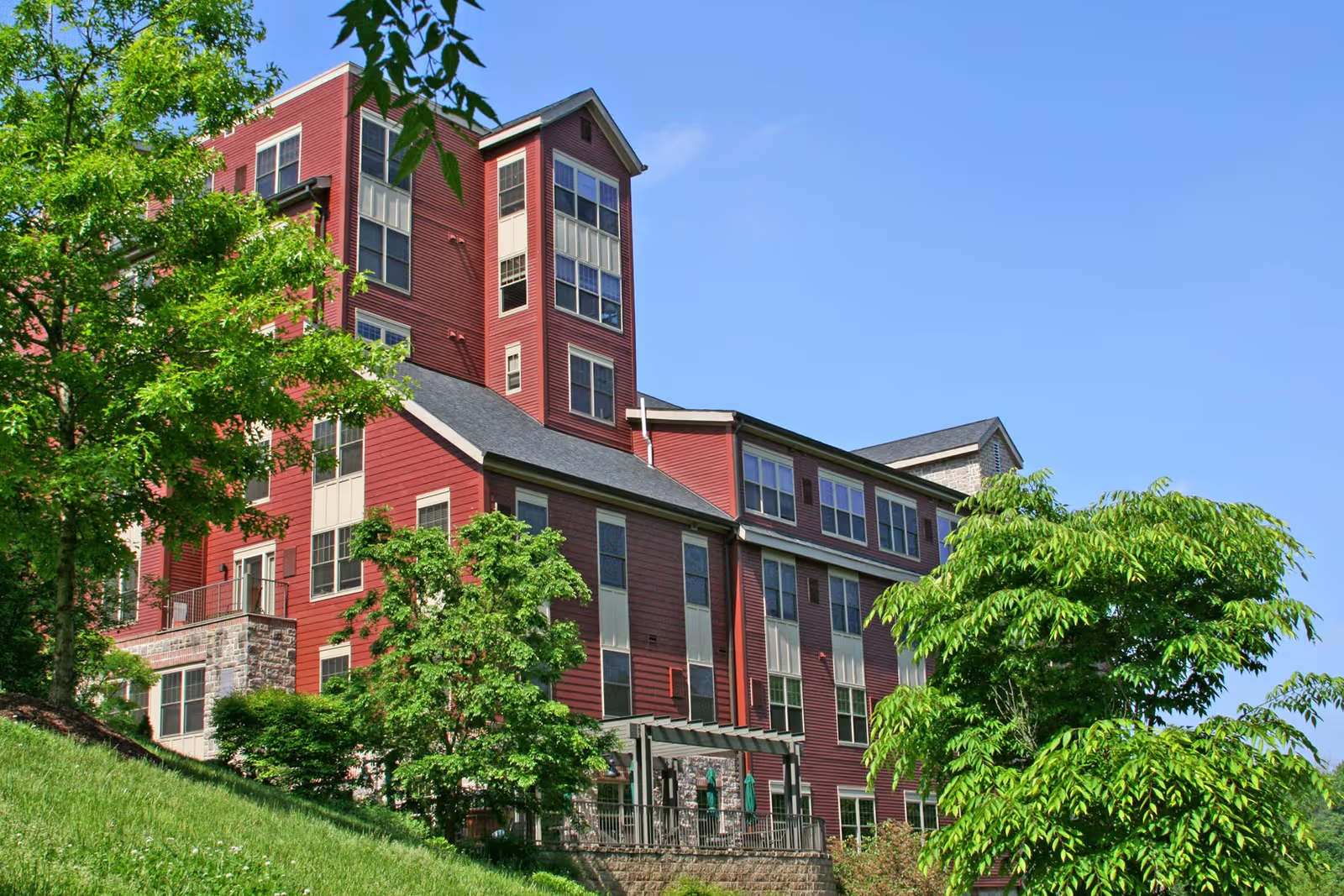
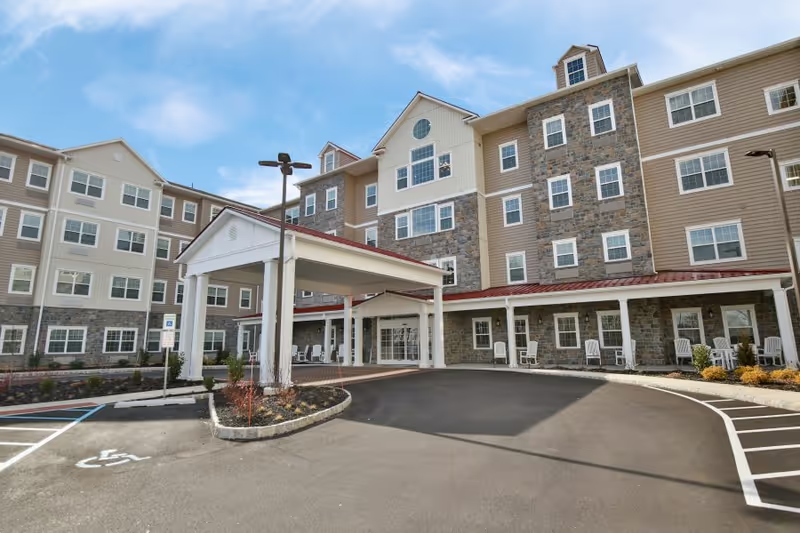
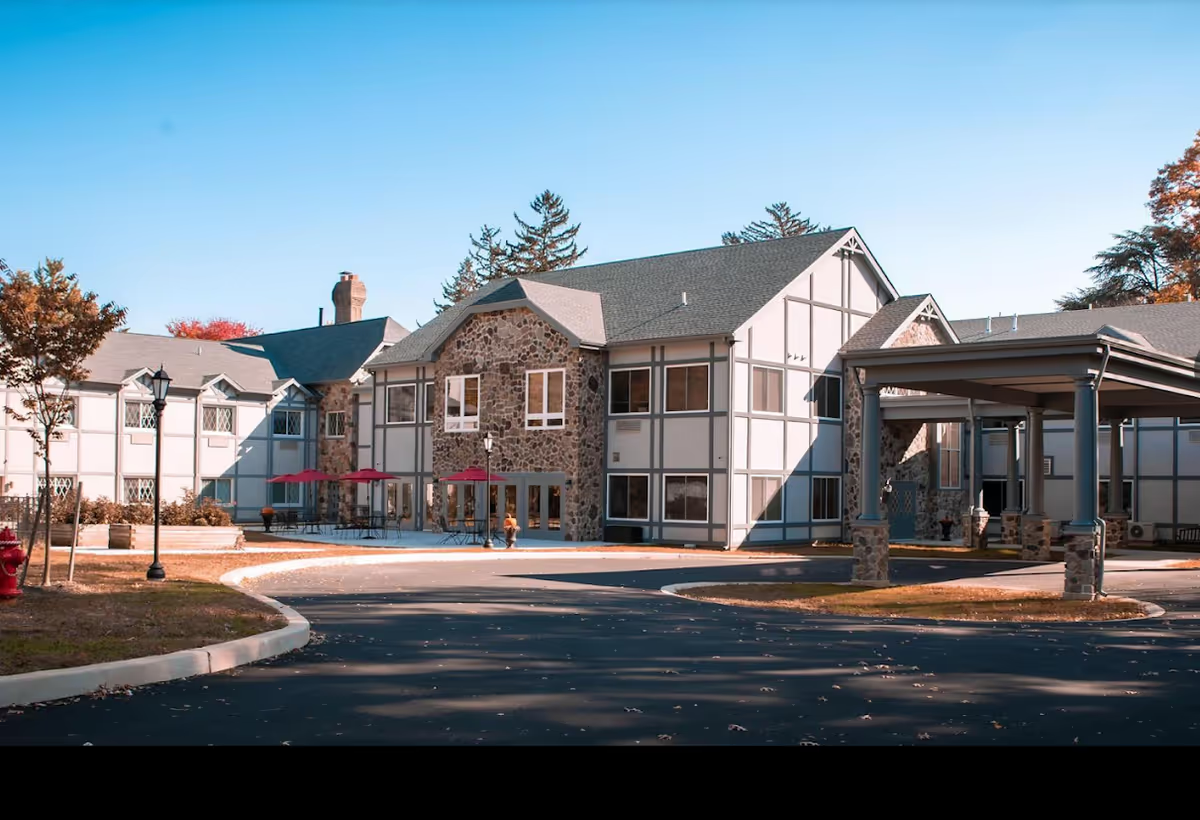
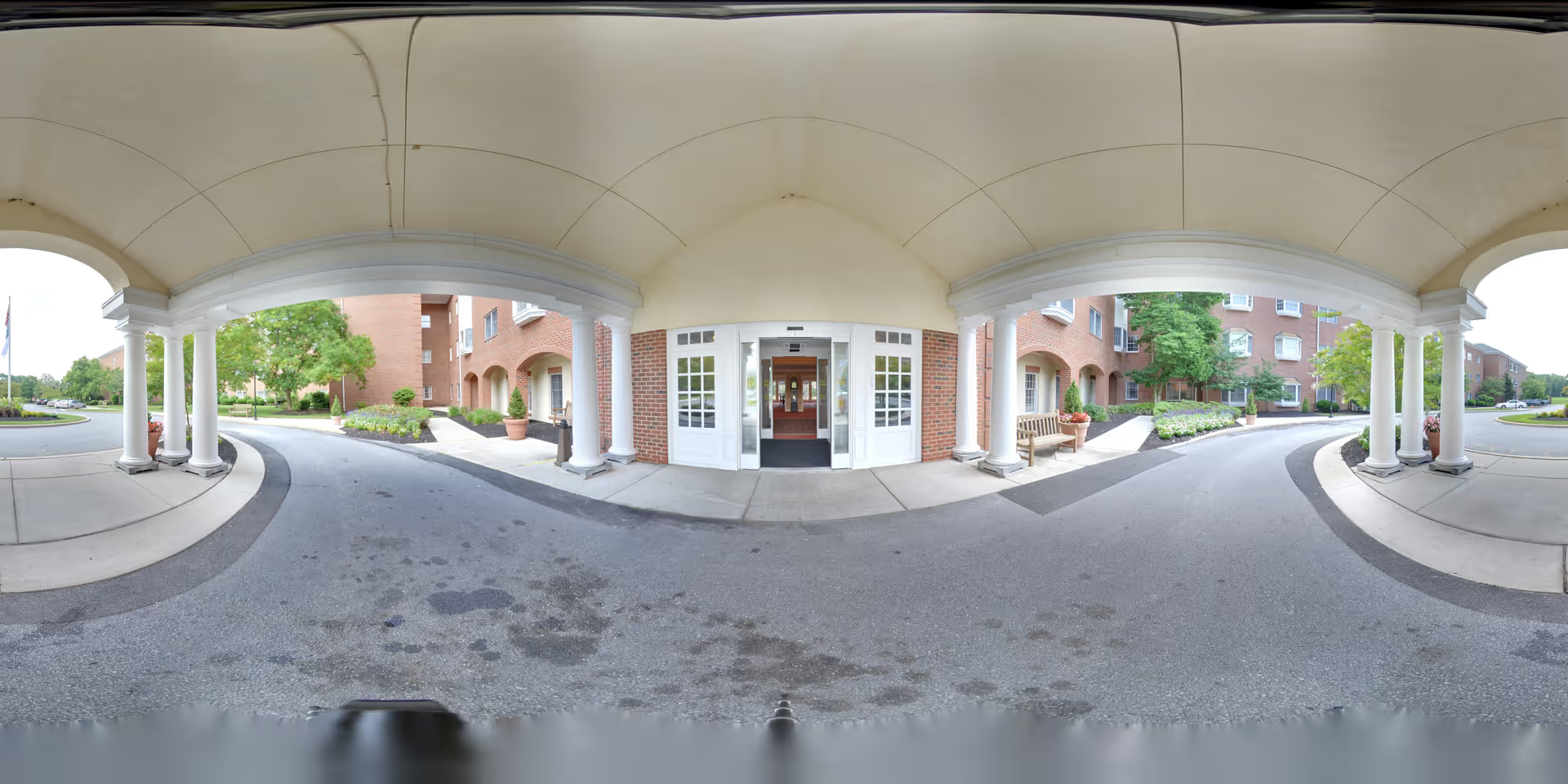
Facility condition and environment show contrasts by area. Several reviewers describe clean, well-maintained common areas, spacious rooms, and attractive entry foyers, while others point to uneven maintenance, particularly in lower or older wings — citing outdated amenities, ventilation/odor concerns, and periodic sanitation issues. These are operational-level differences across the campus rather than uniform attributes, so an in-person inspection of multiple floors is advisable.
Management, communication, and administrative processes evoked both praise and criticism. Positive notes include proactive leadership during infection-control periods, helpful social-work support, and effective family communication channels (including Zoom updates). Conversely, families also document inconsistent front-desk responsiveness, variability in admission coordination, unclear billing or pricing communications, and occasional lapses in belongings management. These patterns suggest that administrative reliability may depend on staffing or shift and that clear written expectations and point-persons help mitigate issues.
Overall, The Belvedere offers a range of strengths—particularly in dementia care, therapy services, and relational caregiving—alongside operational variability that affects cleanliness, staffing continuity, dietary consistency, and administrative follow-through. Prospective residents and families should tour multiple areas (including the specific wing or floor under consideration), ask for current staffing ratios and turnover data, review dietary and medication protocols, and request examples of recent infection-control and sanitation audits. Doing so will help determine whether the facility’s strengths align with the individual’s care priorities and whether the areas identified as inconsistent have been addressed by current management.