The reviews describe a facility with notable strengths and recurring operational weaknesses. Strengths frequently cited include compassionate bedside staff, a skilled PT/OT team, an engaged administration, and a robust activities program. Many families described positive rehab outcomes, helpful social-work support, and an organized admissions process. Several reviewers also praised long-tenured nursing staff and a generally clean interior environment on routine inspection.
Care quality appears mixed. Numerous accounts describe attentive, professional care—particularly on daytime and weekday shifts—where staff are responsive, proactive, and effective in supporting mobility and safe transfers. Conversely, other accounts identify significant gaps: slow responses to call systems, delayed medication administration or documentation issues, missed or rushed therapy sessions, and inconsistent follow-through on individualized care plans. There are also multiple concerns about monitoring and mobility-safety practices that implicate facility-level processes rather than isolated errors.
Staffing and conduct are recurring themes. Positive narratives emphasize caring, trusting relationships with nurses, aides, and therapists; negative narratives focus on inconsistent staffing levels (with weekends and nights most commonly cited), staff tone and communication issues, and variability across shifts. This unevenness affects family confidence: some families report feeling well supported, while others describe experiences of dismissive communication and inadequate responsiveness.
Dining and nutrition are areas of clear operational variation. Several reviewers reported poor meal quality, cold or incorrectly delivered meals, limited accommodation of special diets or allergies, and inconsistent provision of supplemental nutrition. Questions were also raised about nutrition oversight and continuity of feeding plans, which suggests a need for more reliable nutrition-management processes.
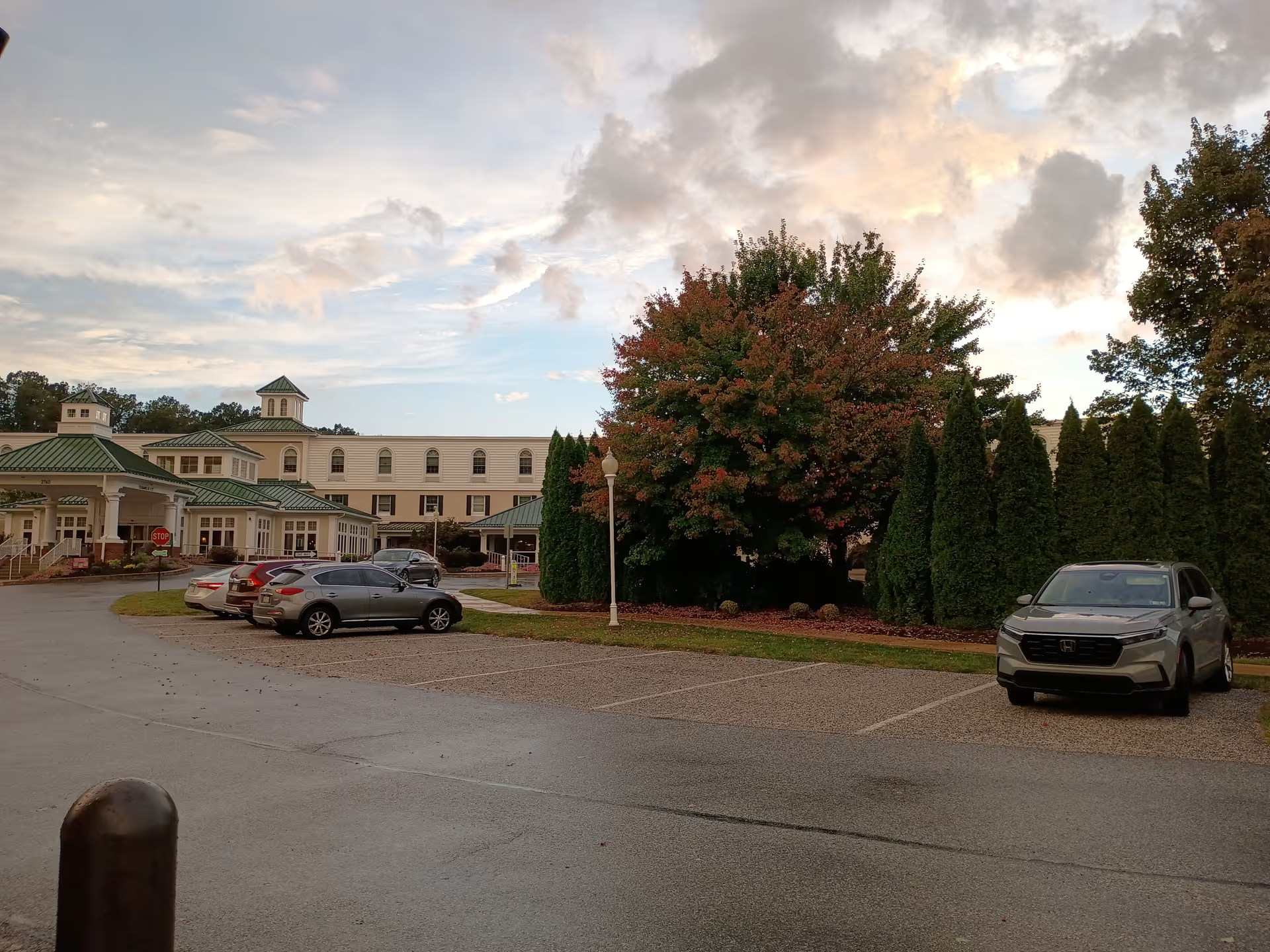
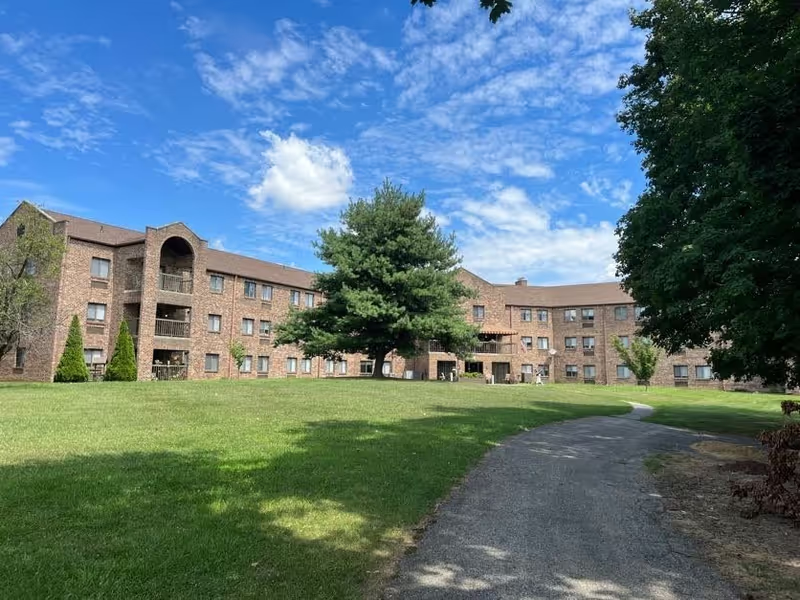
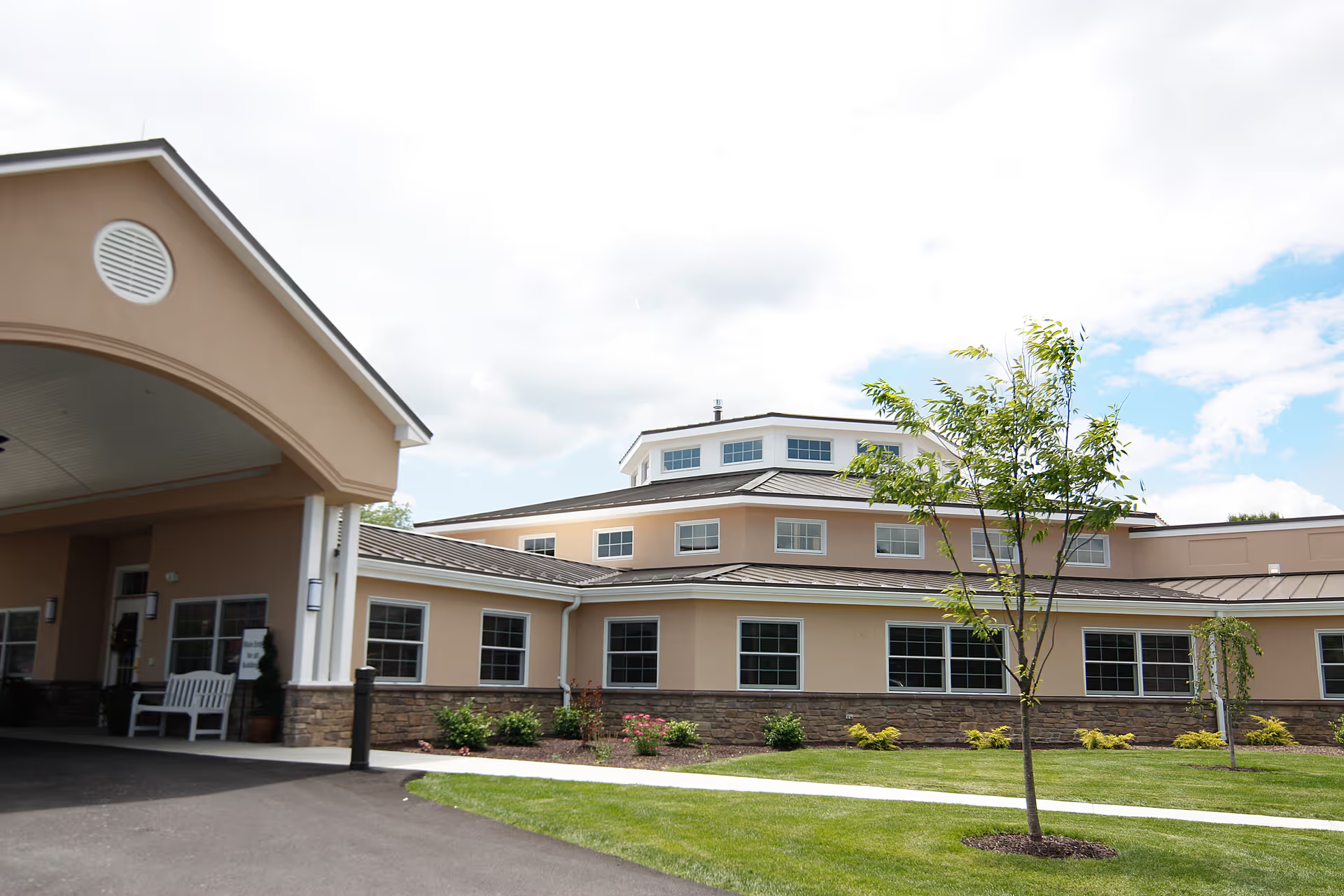
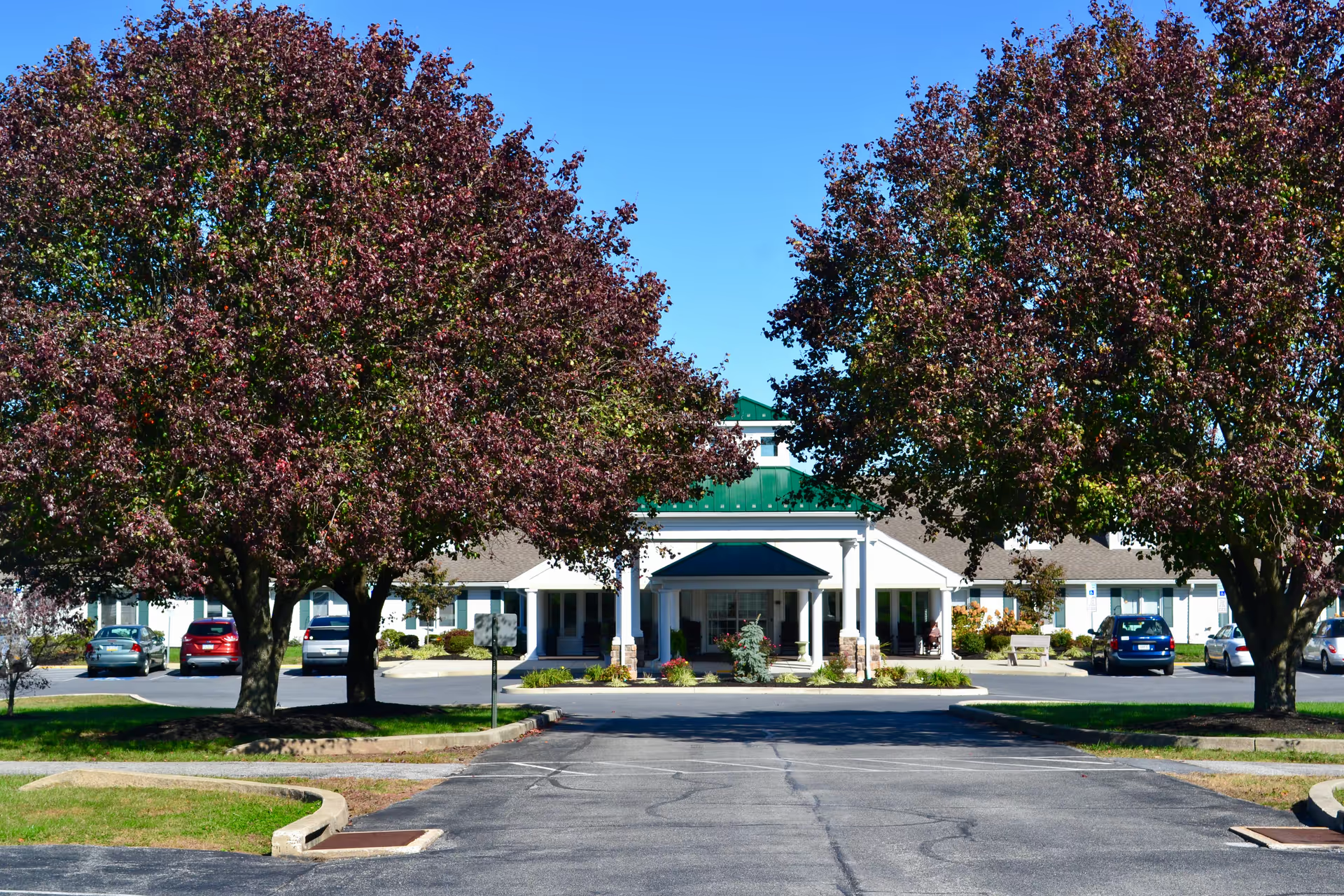
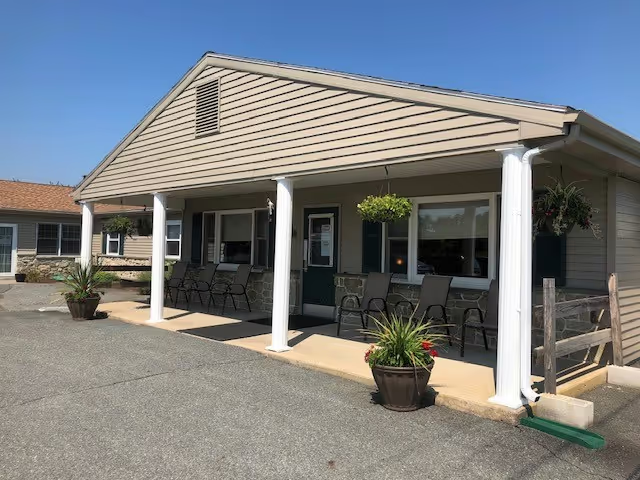
Facility and sanitation observations are mixed. Many reviewers report clean, well-maintained rooms and common areas, while others raise sanitation concerns that center on incontinence-care delays and localized odor issues. Building age and room size were noted; some families described overcrowded or undersized rooms and older communal spaces. Phone-system problems and a lack of in-room communication options were mentioned repeatedly as practical impediments to family contact and resident convenience.
Management and operations show signs of active engagement but inconsistent follow-through. Several reviews commend the executive director and social-work team for responsiveness and efforts to improve service; other comments indicate that remedial actions are uneven and that families continue to encounter recurring issues. There are also isolated but serious allegations involving theft and staff conduct; these items are distinct from general operational complaints and may require formal investigation to resolve.
Notable patterns for prospective residents and families: ask about weekend and night staffing ratios, clarify how the facility handles medication timing and documentation, request a written nutrition plan and allergy accommodations, confirm therapy schedules and continuity, and tour resident rooms to assess size and privacy. Also inquire about incontinence-care protocols, phone and family-communication systems, and recent quality-improvement actions taken by management. The facility offers strong rehabilitation and many compassionate caregivers, but families should weigh those strengths against documented inconsistencies in staffing, nutrition, sanitation in specific areas, and communication processes.