Overall sentiment about The Devon Senior Living is highly polarized: many reviews describe a warm, caring, small, home-like community with attentive staff and engaging programming, while a substantial and vocal minority report serious and sometimes alarming care and safety failures—particularly in the memory care unit. The dominant positive themes are the strong personal connections staff build with residents, the facility's historic charm, a non-institutional atmosphere, varied activities, and reasonable pricing/value. Yet repeatedly appearing negatives—unsanitary conditions in parts of the building, inconsistent staffing and supervision, and poor administrative communication—are severe enough in some accounts to warrant caution for prospective residents and families.
Care quality and staffing: A large number of reviews praise the staff as compassionate, hands-on, and capable—nurses, aides, reception and activities personnel are frequently called out by name and described as going above and beyond. Multiple reviewers value the smaller size and long-tenured employees because staff often know residents personally, encourage independence and foster a family-like environment. Conversely, many other reviewers describe inconsistent caregiver competence and attitude, including reports of cold, disrespectful staff, caregivers who are 'too rough,' and instances where residents were left unattended. Staffing shortfalls at nights and weekends were reported multiple times, and these lapses are linked to incidents of inadequate bathing, wandering without assistance, missed medication or hydration, and delayed responses to medical events.
Memory care and safety: Memory care repeatedly emerges as the single most problematic area. Numerous reviews use strong language—'disgrace,' 'filthy,' 'no care plan'—and describe hygiene issues such as urine odor, soiled diapers and gloves on the floor, dirty rugs, and residents appearing unwashed. Several accounts allege serious clinical neglect (dehydration, failure to provide water, delayed medical attention), resulting in hospital transfers and at least one reported death. Other complaints include minimal or ineffective activities in memory care and poor supervision. At the same time, some reviewers note thoughtful memory care design and appropriate safeguards; this indicates variability across shifts, units, or time periods. The pattern suggests memory care is the area most at risk and most often the subject of critical incidents.
Management, communication and accountability: Reviews show a split experience with administration. Many families report accessible, responsive leadership, hands-on directors, and good communication during transitions (admissions, COVID updates, care planning). However, an equally strong set of reports describes unresponsive management, poor follow-through, failure to return calls, missed investigations of incidents, and administrative delays around billing, refunds and dispute resolution. Several reviewers explicitly caution that a family advocate is essential to ensure consistent, high-quality care. There are also specific allegations of staff prioritizing other tasks (including social media) over resident care, which speaks to lapses in supervision and culture.
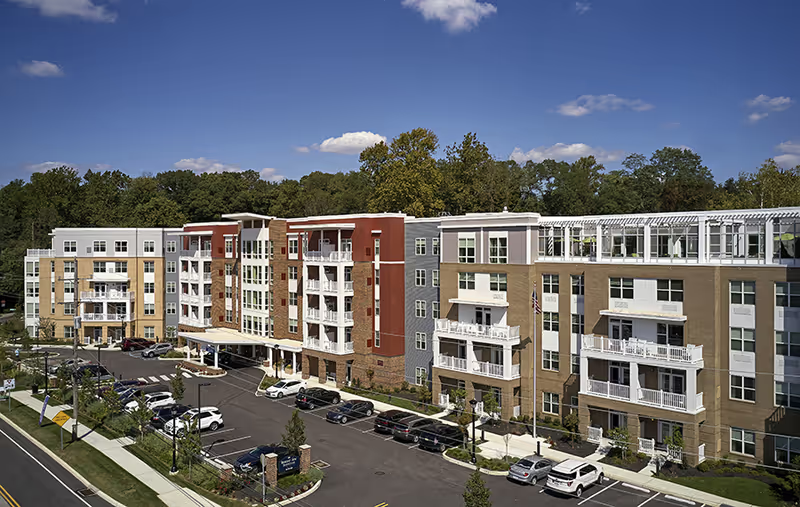
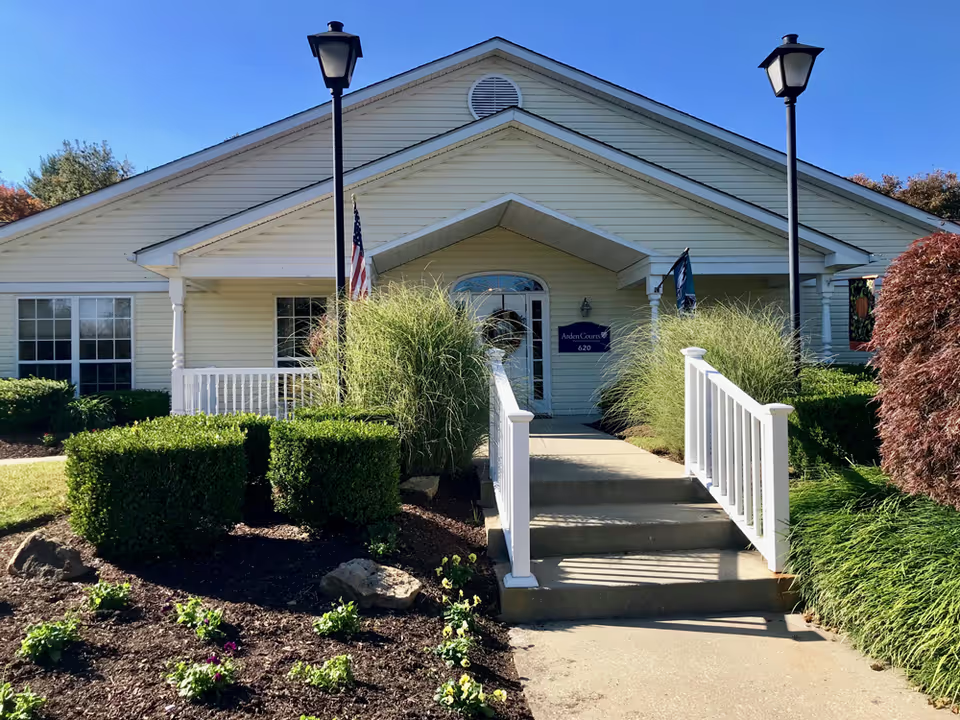
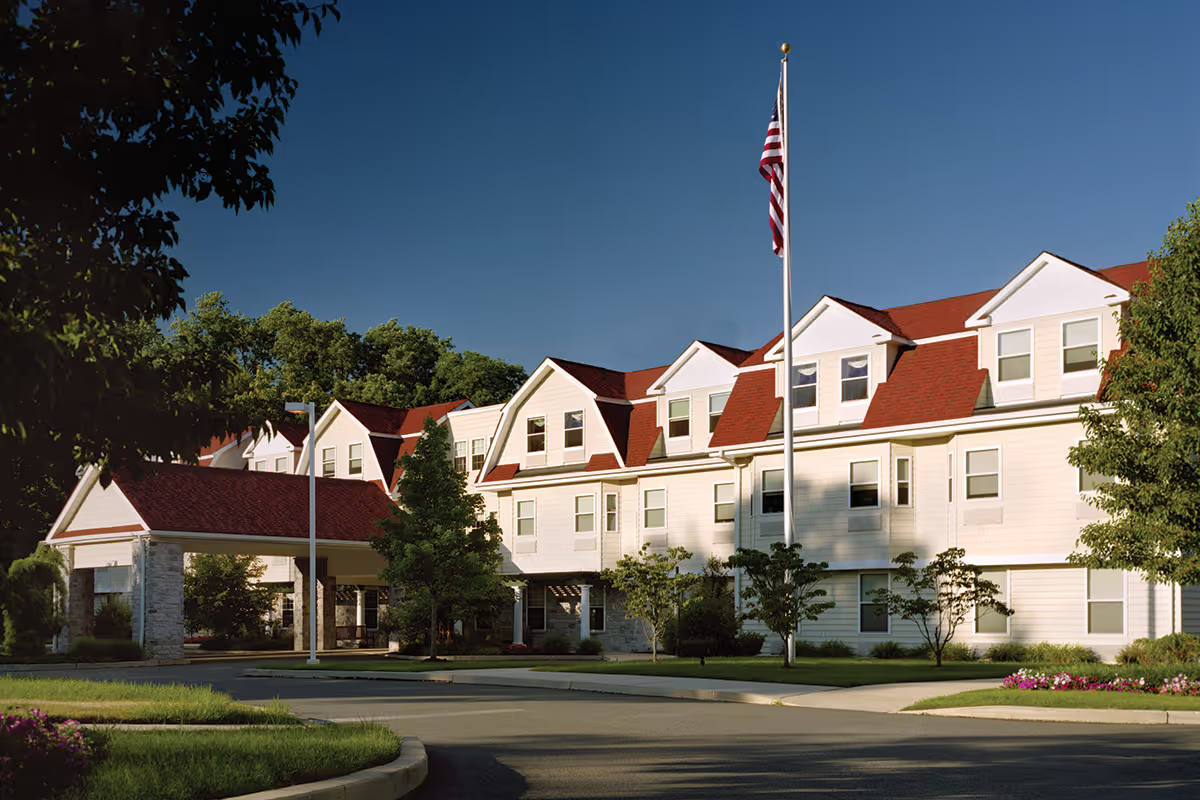
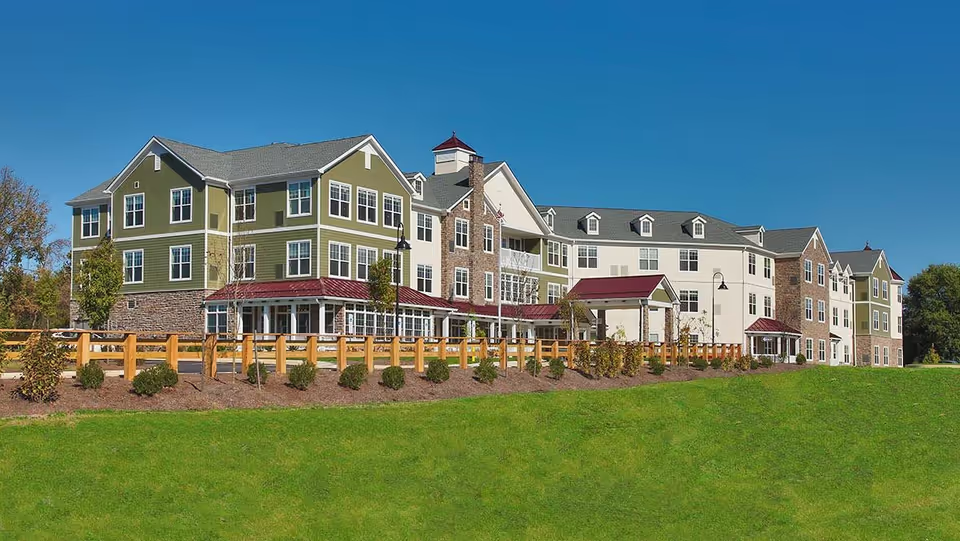
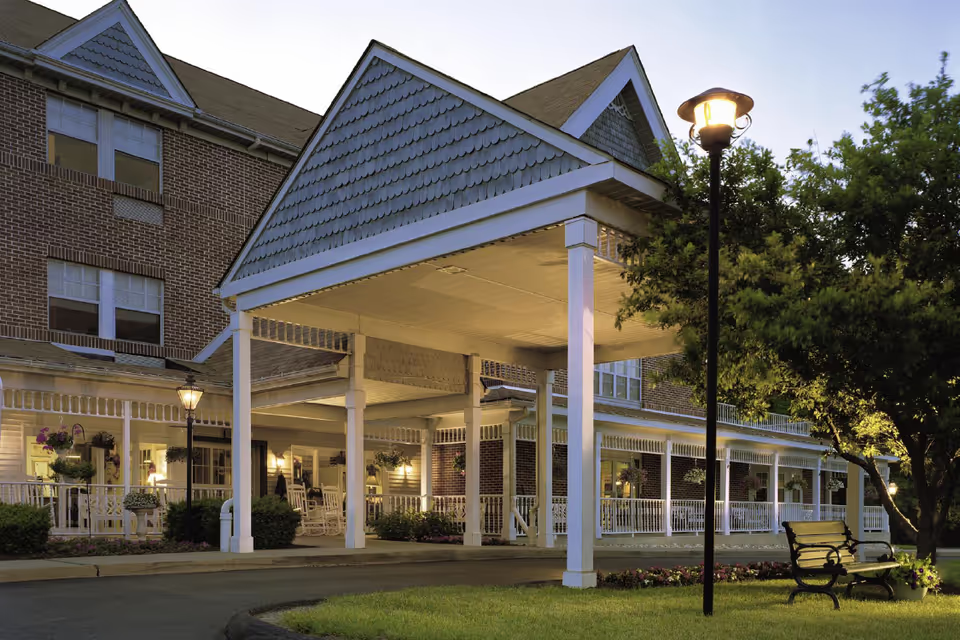
Facility condition and amenities: The Devon's historic, mansion-like character, attractive grounds and chapel are commonly praised. Many residents and families appreciate spacious rooms, pleasant common areas, on-site services (therapies, salon, podiatry, vision/hearing), van transportation and the overall Main Line aesthetic. Nevertheless, the building's age also contributes to uneven rooms, outdated décor, and a need for renovations; some areas reportedly smell or are less well-maintained. Management has plans and in-progress renovations noted in several reviews, but perceptions of cleanliness and upkeep vary widely—ranging from 'supremely clean' to 'filthy' depending on the reviewer.
Dining and activities: Activity programming is one of The Devon's strengths in many accounts—live music, movies, educational talks, book clubs, exercise classes and crafts are frequently mentioned and seen as helping residents remain engaged and social. Family events and holiday meals earn praise. Dining reviews are mixed: several reviewers describe food as good to pretty good and note special dining events and accommodating staff, while others find meals uneven, ordinary or low quality. Some specific examples of sloppy food service are cited. Memory care activity offerings are often criticized separately from the main community's programming.
Patterns and practical implications: The reviews consistently indicate that resident experience can vary widely depending on unit, staffing, management responsiveness, and time of day. Positive reports are strongest when leadership is engaged, staff are consistent and families are involved; negative reports concentrate in memory care, during staffing shortages, and when families are not actively advocating. Multiple reviewers recommend The Devon for healthier, lower-acuity seniors who will benefit from the social environment, smaller scale and cost advantages. Conversely, several reviewers strongly advise against placement of high-acuity seniors or those needing robust memory-care oversight without careful investigation.
In summary, The Devon offers clear strengths—warm, personal caregiving (in many parts of the facility), a homey historic setting, varied activities, on-site services and competitive pricing—which make it an appealing option for many families. At the same time, a notable and serious set of criticisms—centered on memory care neglect, hygiene problems, inconsistent staffing, and communication failures—requires that prospective residents and families perform detailed due diligence. Key actions for anyone considering The Devon would be to tour the specific unit, ask for staffing ratios and turnover data, review the memory care unit in person (including during evenings/weekends), verify how clinical incidents are handled and documented, and confirm renovation timelines and management accountability measures. These steps can help families weigh the facility's strong positives against the potentially severe risks described by multiple reviewers.