The reviews of Dresher Estates by Priority Life Care present a mixed picture: many families and residents praise the caregiving teams, activities program, dining, and the physical environment, while a recurrent set of operational concerns appears across other accounts. The facility is frequently described as clean, updated, and attractive, with a lively calendar of events, strong in‑house rehabilitation services, attentive dining staff, and several caregivers and nurses who are singled out for compassionate, individualized attention. Short‑term stays and respite/trial options are available and have produced positive outcomes for some residents.
Care quality and staffing are the most polarized areas. Positive comments emphasize staff who go above and beyond, respectful resident interactions, routine housekeeping, and effective therapy/rehab partnerships. Counterbalancing this, there are repeated indications of high staff turnover, chronic understaffing, and an uneven clinical skill mix (including substitution of med‑techs for nursing roles in some shifts). Reviewers describe delays in responding to call buttons and after‑hours lines, evening check‑ins that vary by staff, and training shortfalls—especially for dementia care. There are also serious individual allegations about failures in basic care and sanitation; such allegations are significant and warrant direct inquiry by prospective families.
Dining and activities are commonly cited as strengths: many reviewers highlight varied menus, plentiful choices, and engaging events and entertainment. At the same time, others note a decline in dining‑room ambiance and inconsistencies in meal service and food quality, plus interruptions to ancillary food services (snack bar) and occasional supply or equipment problems that affect service continuity.
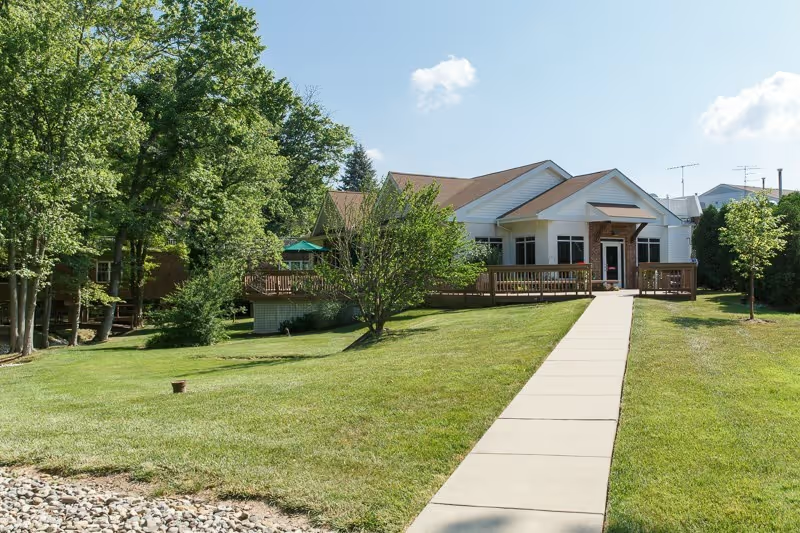
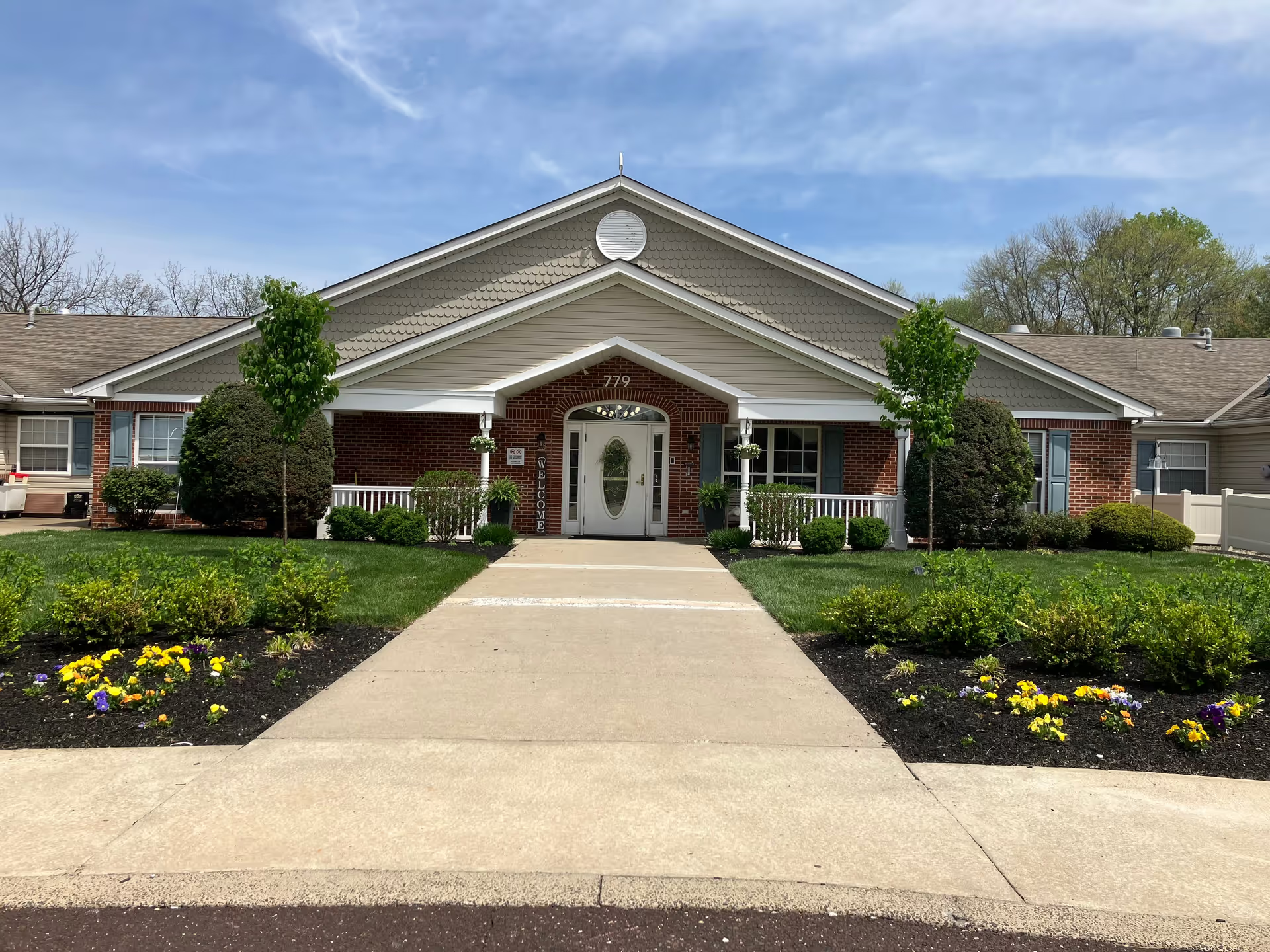
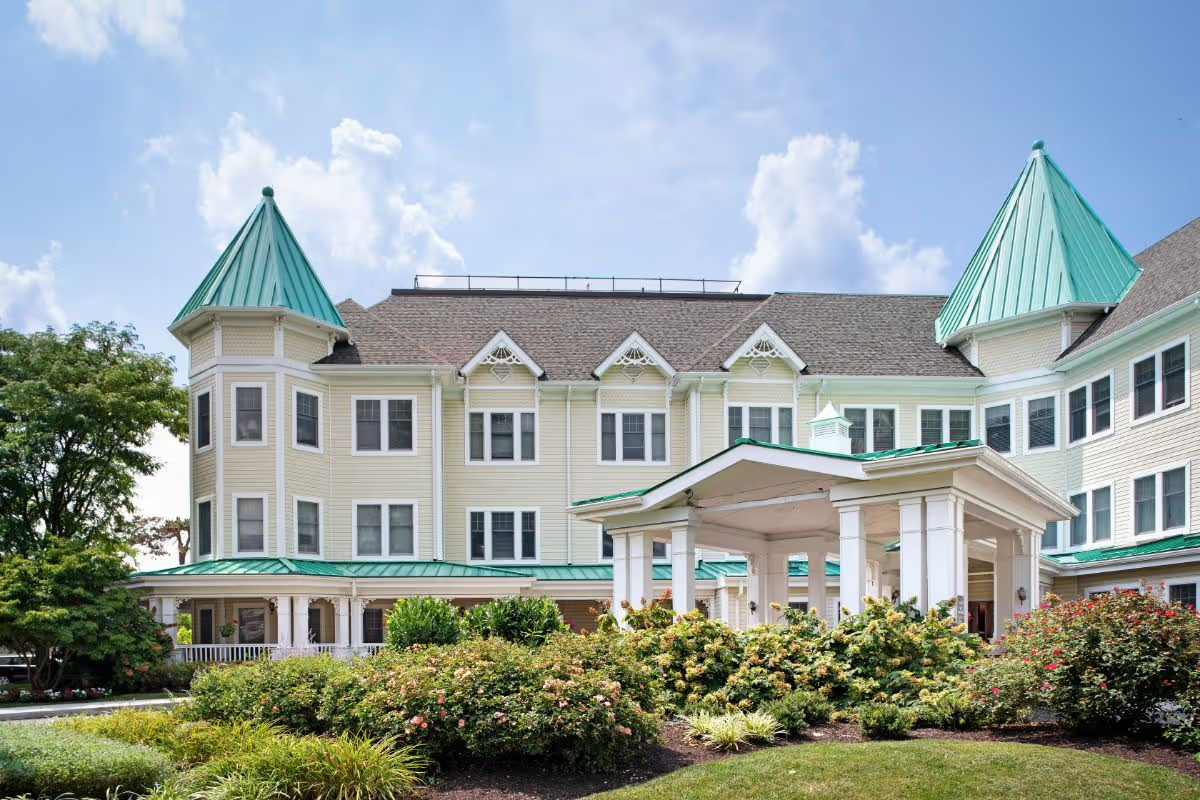
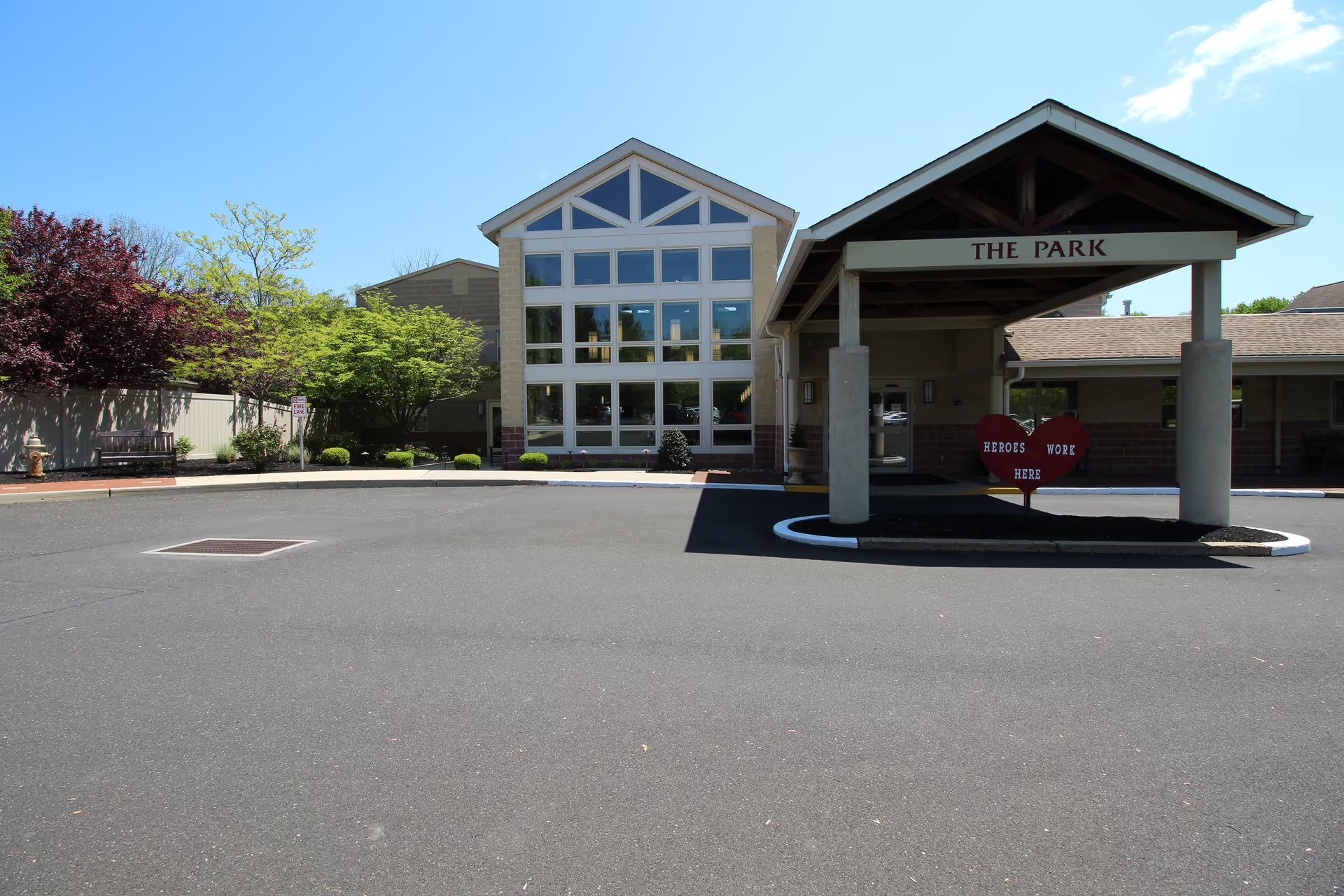
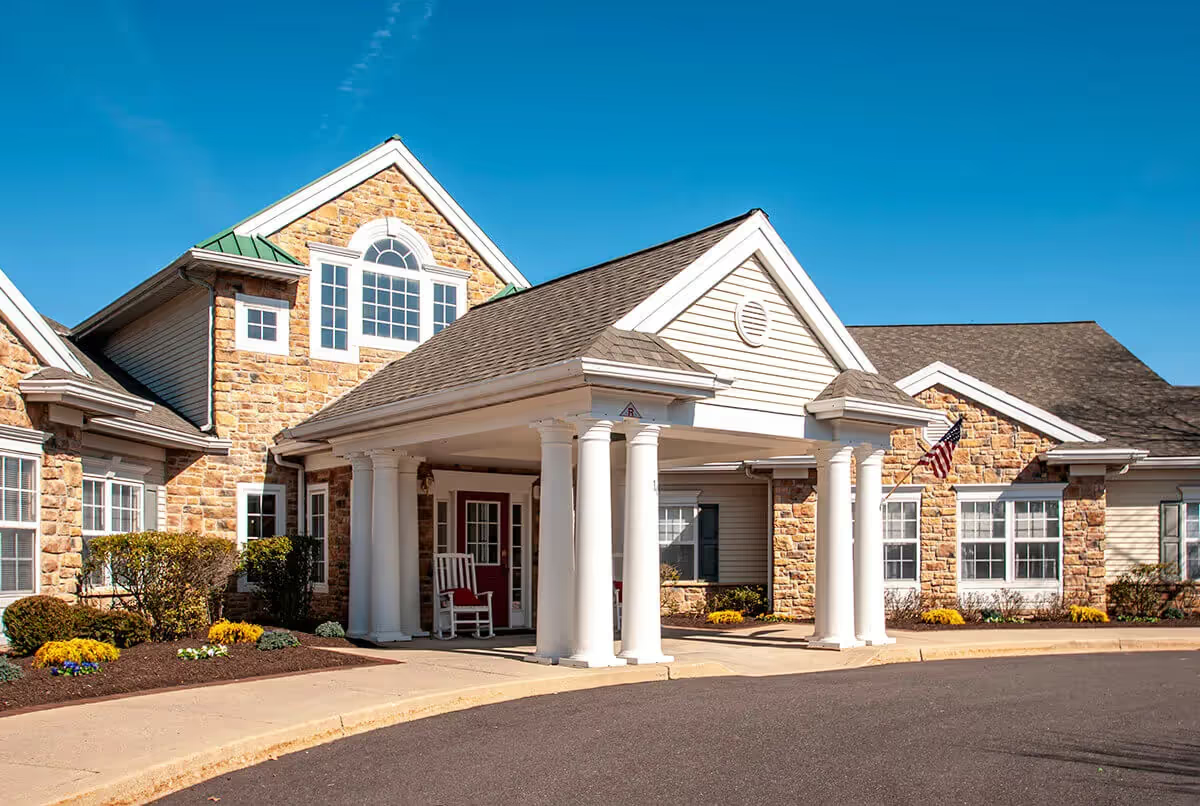
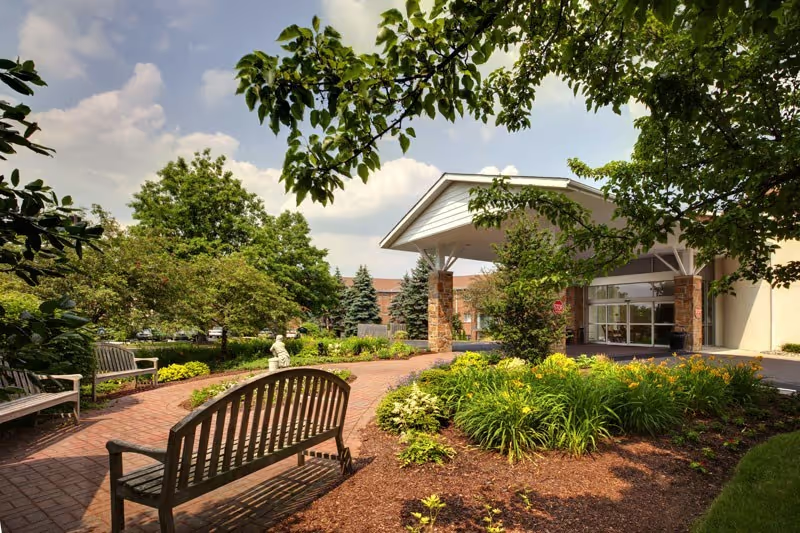
The physical plant and amenities receive largely favorable comments: newer suites, outdoor terraces and courtyard spaces, well‑kept grounds, and an overall clean appearance are recurring positives. However, some accessibility and logistical issues are mentioned (restricted courtyard access at times, delays in replacing broken equipment) that may affect day‑to‑day convenience.
Management, communication, and finances are a frequent source of concern. Reviewers describe poor responsiveness to phone and email inquiries, frequent executive or ownership changes, and a perception that administrative priorities have shifted toward cost containment. Several families report unexpected fee increases, added service charges, and disputed billing or notice requirements. These patterns are associated with morale and retention problems among staff, which in turn appear to influence consistency of care.
Taken together, the pattern suggests a facility with strong elements—particularly individual caregivers, activities, and the built environment—but also with systemic operational weaknesses that have intensified for some families following leadership changes. Prospective residents and families should weigh the facility’s strengths in community life, therapy, and cleanliness against the documented risks tied to staffing stability, clinical training, call‑response reliability, and administrative transparency. When evaluating Dresher Estates, consider direct, specific questions about current staffing levels and mix by shift, dementia training protocols, call‑bell response metrics, incident reporting and family communication procedures, and written policies on fees and rent increases. These targeted inquiries can help clarify whether the facility’s current operations align with a prospective resident’s care and safety expectations.