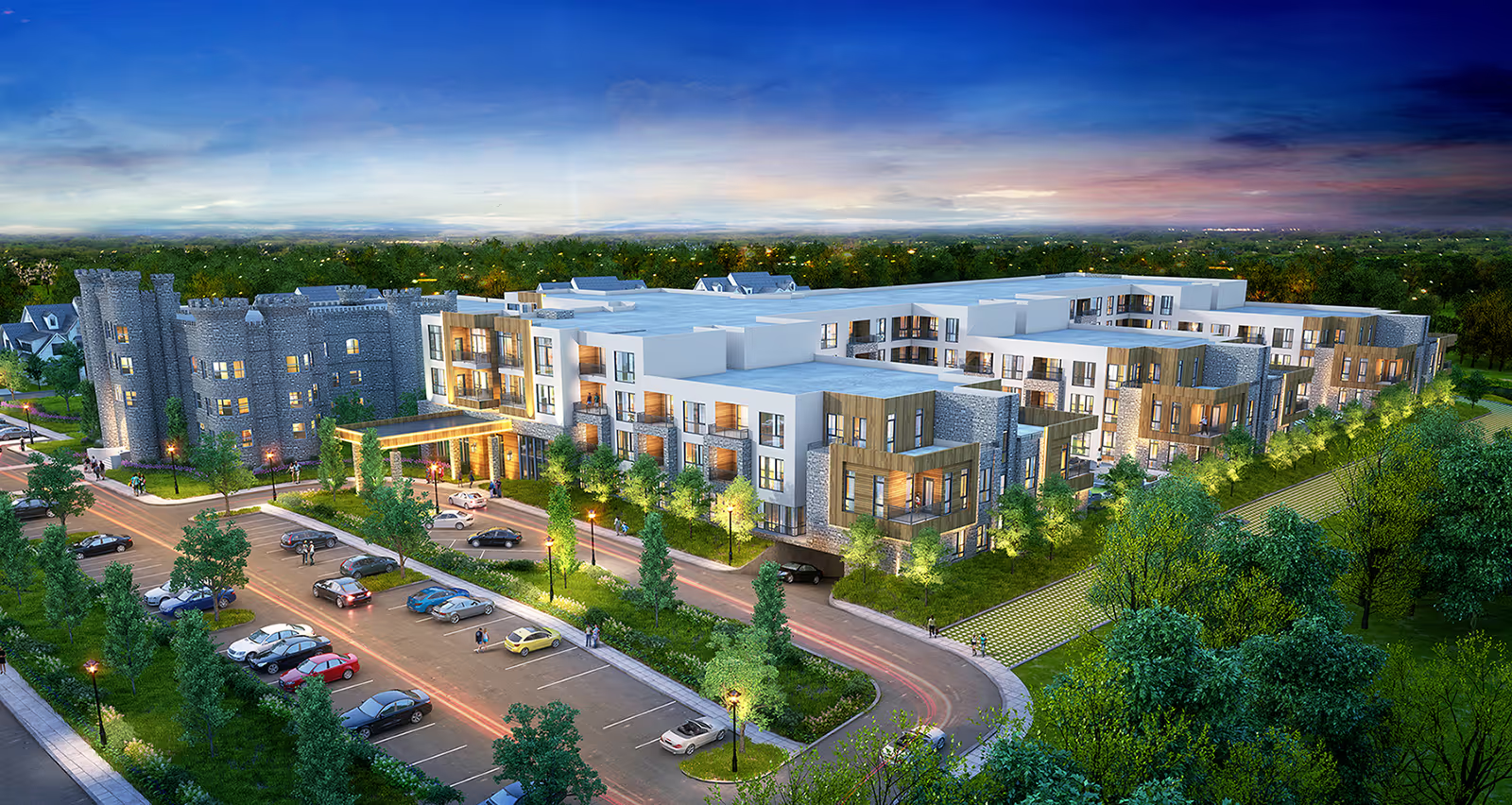
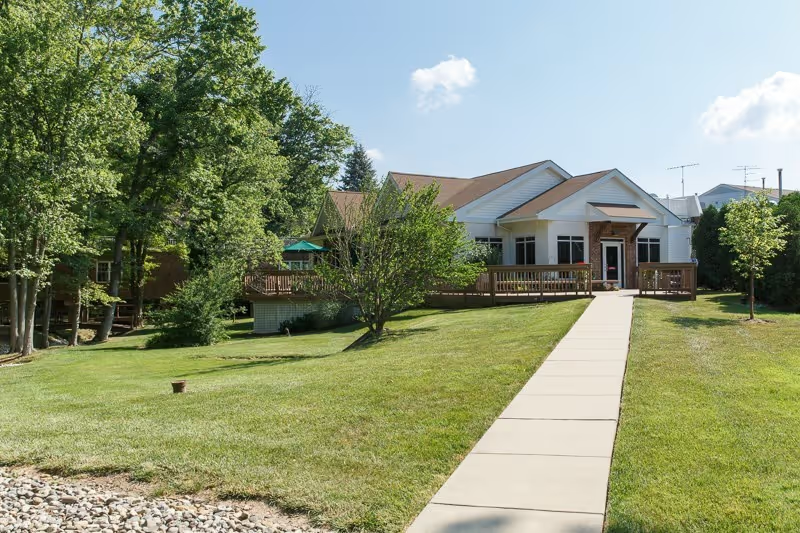
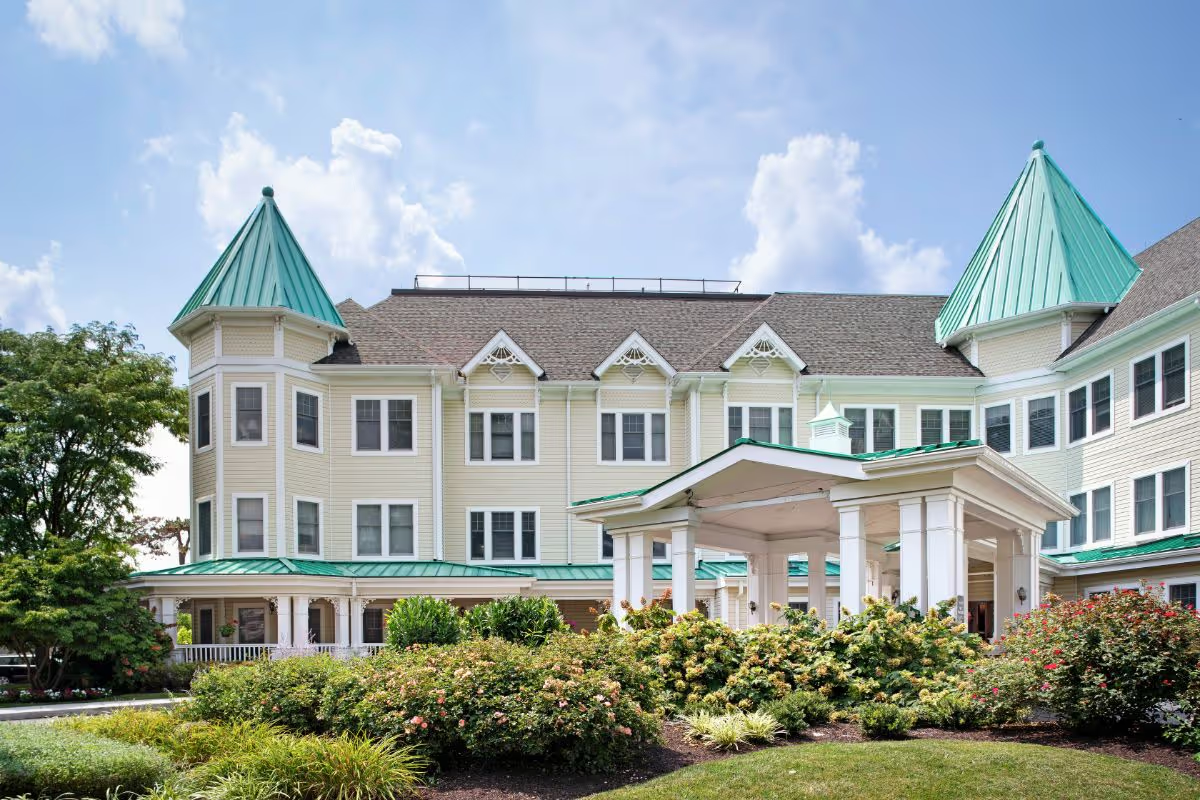
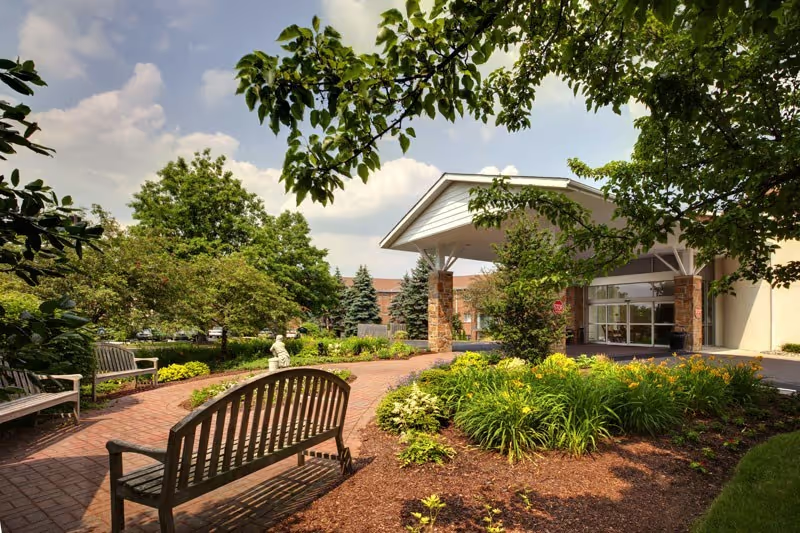
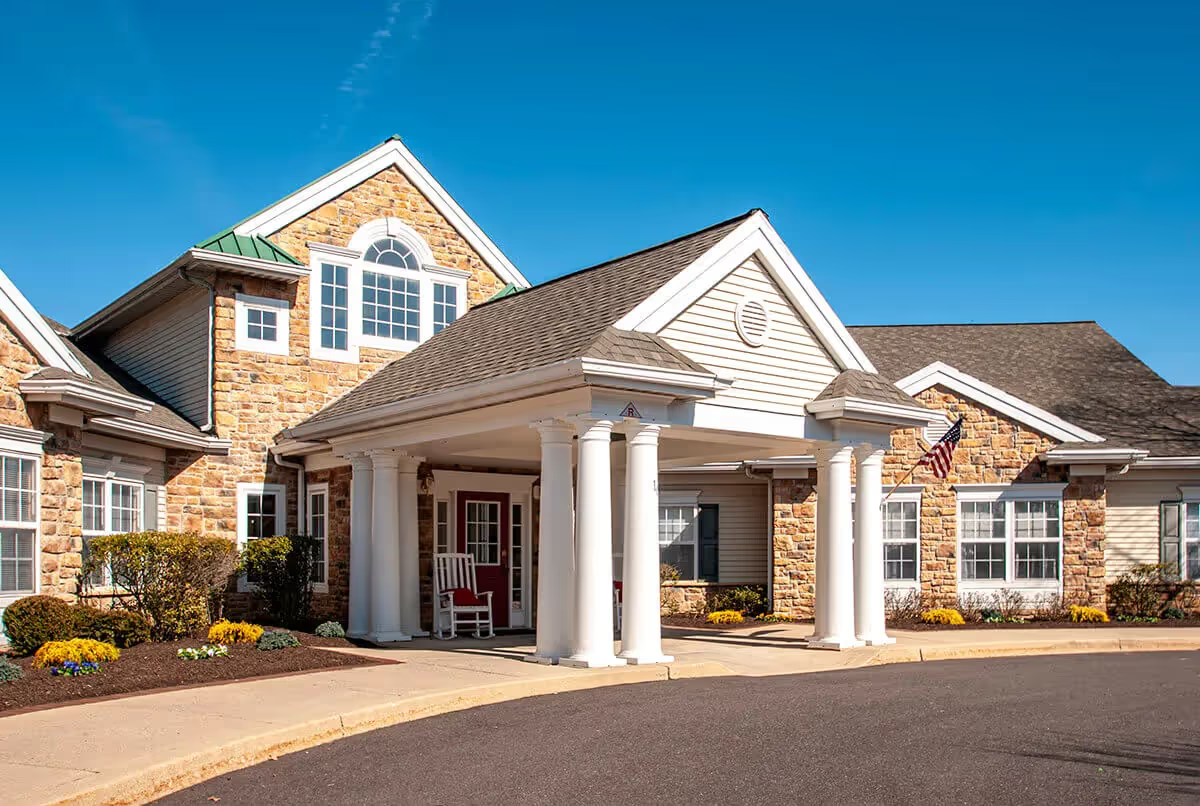
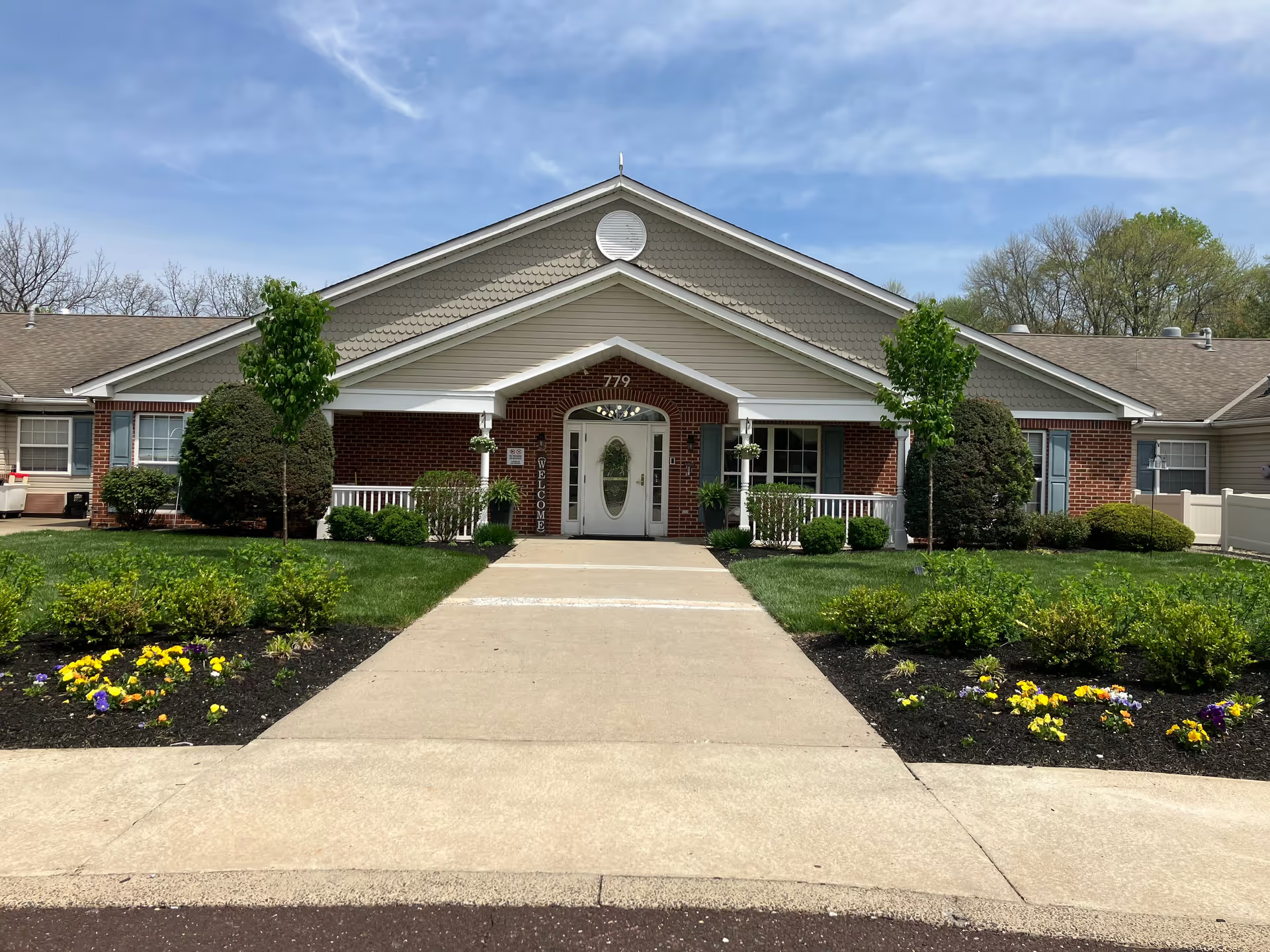
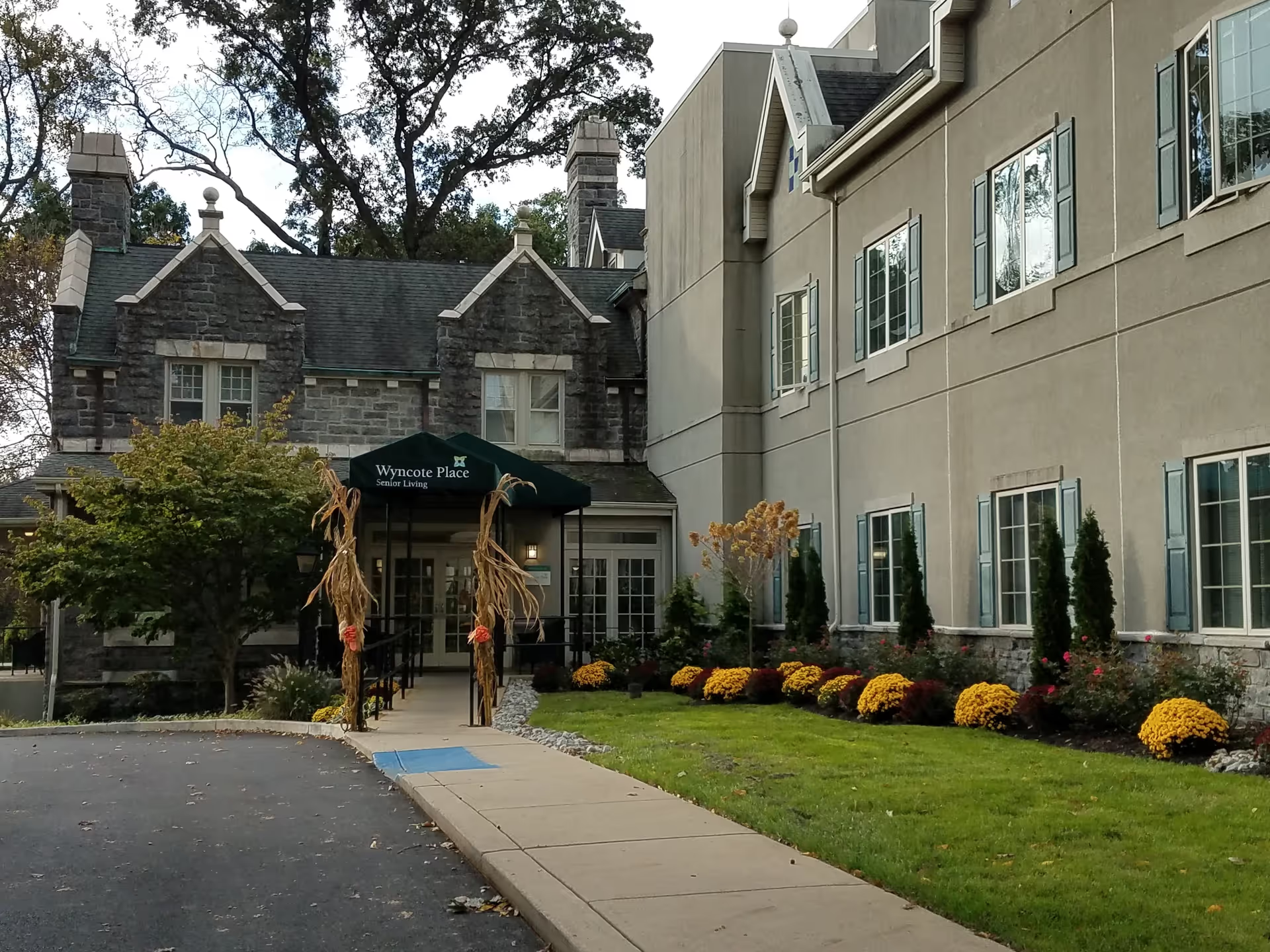
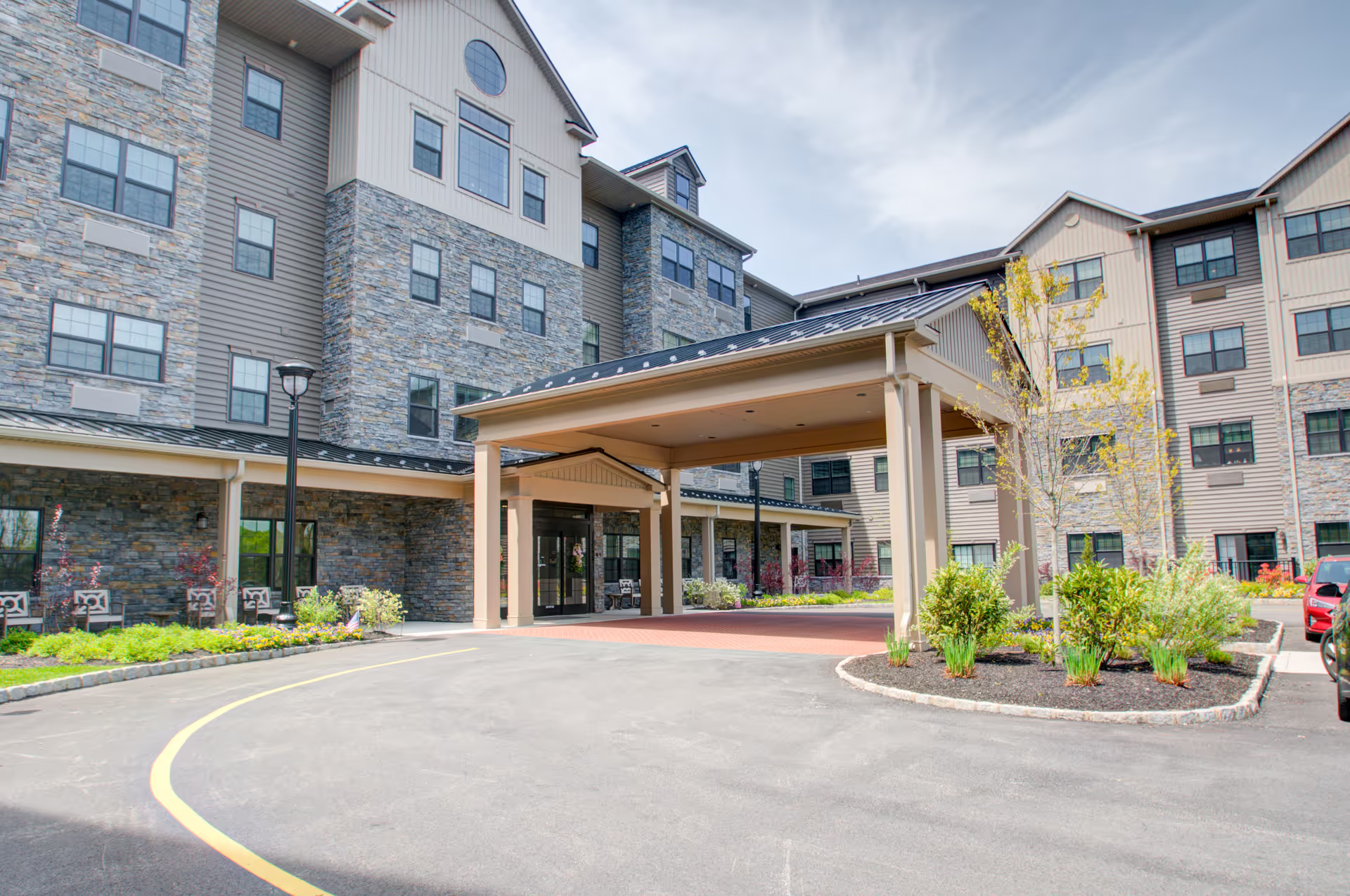
Fort Washington Estates presents as a well-maintained, recently renovated senior community with a strong emphasis on hospitality and social engagement. Reviewers consistently describe a warm, close-knit atmosphere supported by staff characterized as welcoming, kind, and engaged. Public spaces and grounds are frequently described as attractive and homey, with an updated dining room and comfortable lobby noted as positive first impressions. Apartments are generally described as comfortable and clean, though storage space within units is limited.
The community offers an active social program; residents and families report a rich calendar of events, invitations to dinners and functions, and an enthusiastic activities team. Dining in the main dining room is often praised for variety and quality, including special-event meals, though reviewers identify variability in food quality in more casual venues such as the café. Cleanliness and routine maintenance are strengths that many observers cite.
Clinical and caregiving impressions are mixed. Many accounts praise compassionate caregiving staff and on-site clinical presence, with several descriptions of prompt, caring medical attention. However, there are also accounts that point to delays or gaps in clinical-incident response and challenges with timely physical-therapy initiation and higher-acuity care transitions. Collectively, these suggest variability in how the facility manages emergent events and escalations of care; prospective residents who anticipate increasing care needs should clarify protocols for rapid response and transfer or upgrade of services.
Administrative and financial operations emerge as an important area for prospective visitors to evaluate. Multiple comments indicate inconsistent follow-up on administrative requests (including clinical-service enrollments), poor callback practices, and concerns about billing or financial-administration transparency. Questions around taxes, inheritance paperwork, and overpayments were raised by some families, indicating that financial-process checks and clear documentation are prudent to confirm prior to move-in.
Cost and suitability are recurring themes: the community is perceived as premium in price and may be better suited for independent or lightly assisted residents rather than those requiring frequent, higher-acuity support. Prospective residents and families should assess whether the facility’s scope of care and escalation pathways match anticipated future needs.
Recommendations for visitors: tour multiple apartment types to evaluate storage, sample both main-dining and café offerings, ask for written protocols on clinical incident response and escalation, request recent examples of transfer/rehabilitation timelines, and obtain a clear, itemized description of billing practices and financial paperwork responsibilities. Overall, Fort Washington Estates scores highly for atmosphere, maintenance, and social life, while administrative responsiveness, certain clinical processes, and cost transparency are areas to probe further during the decision process.