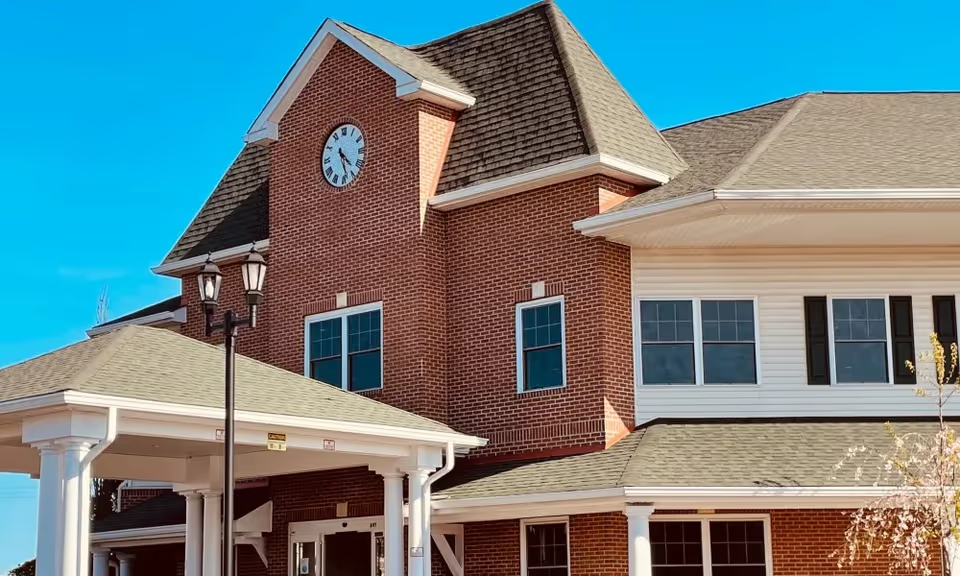
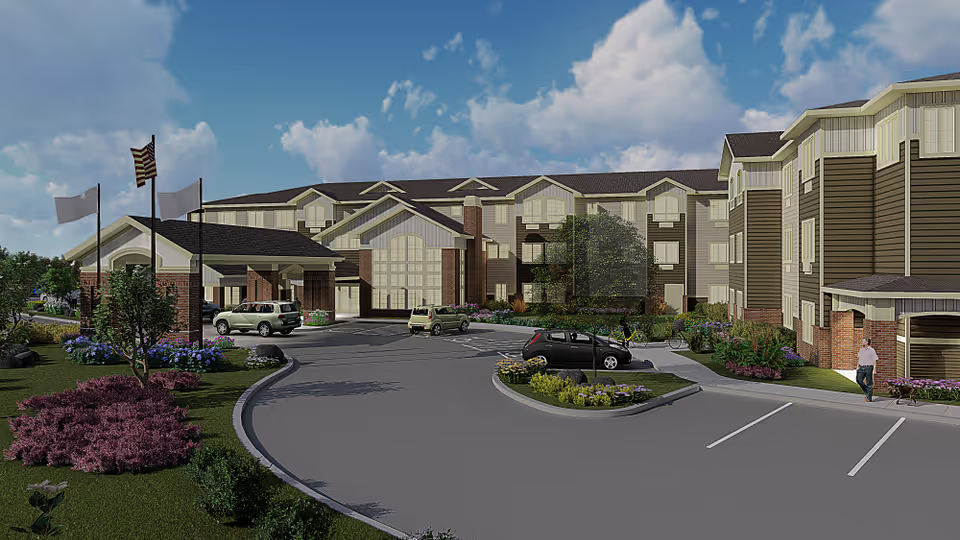
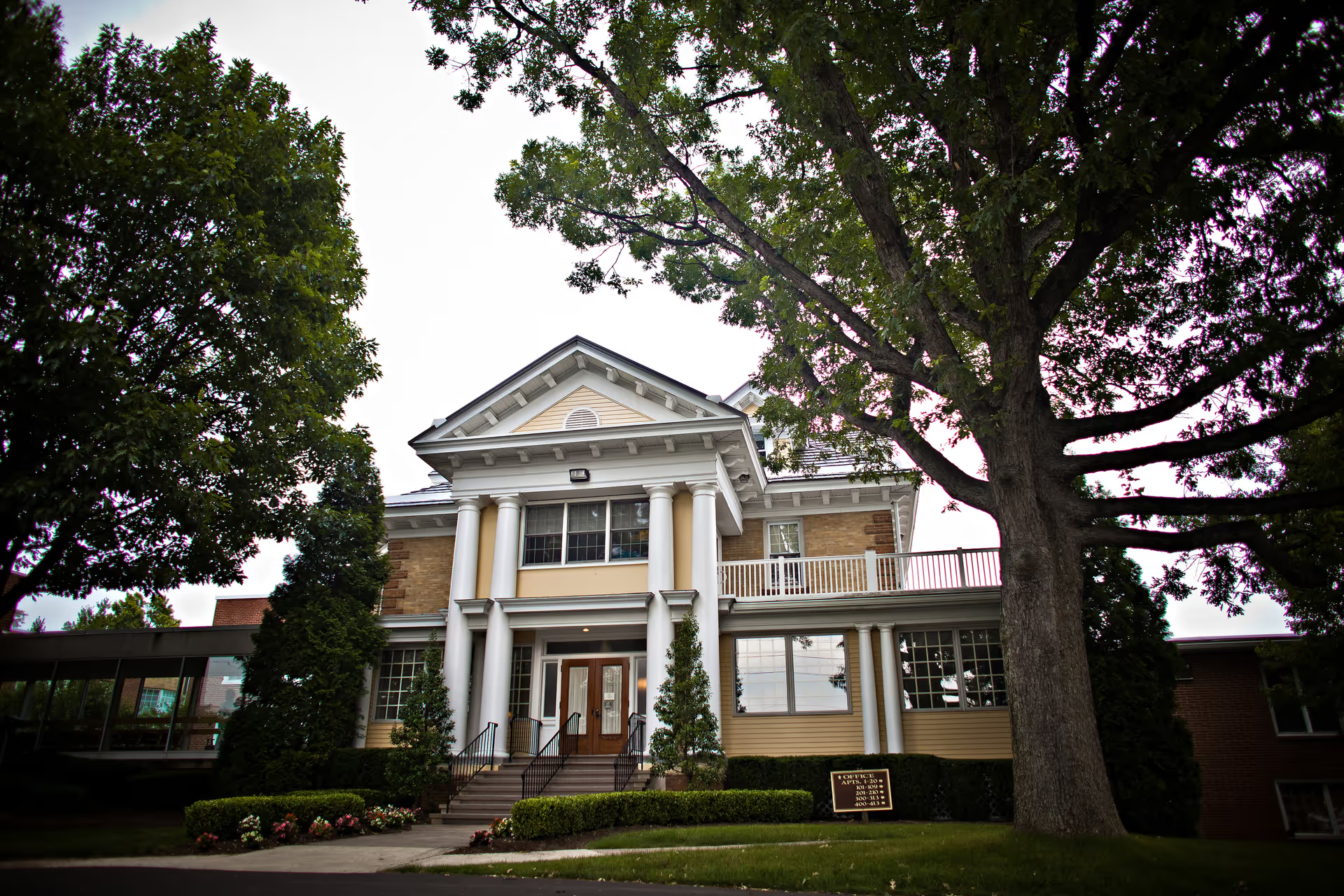
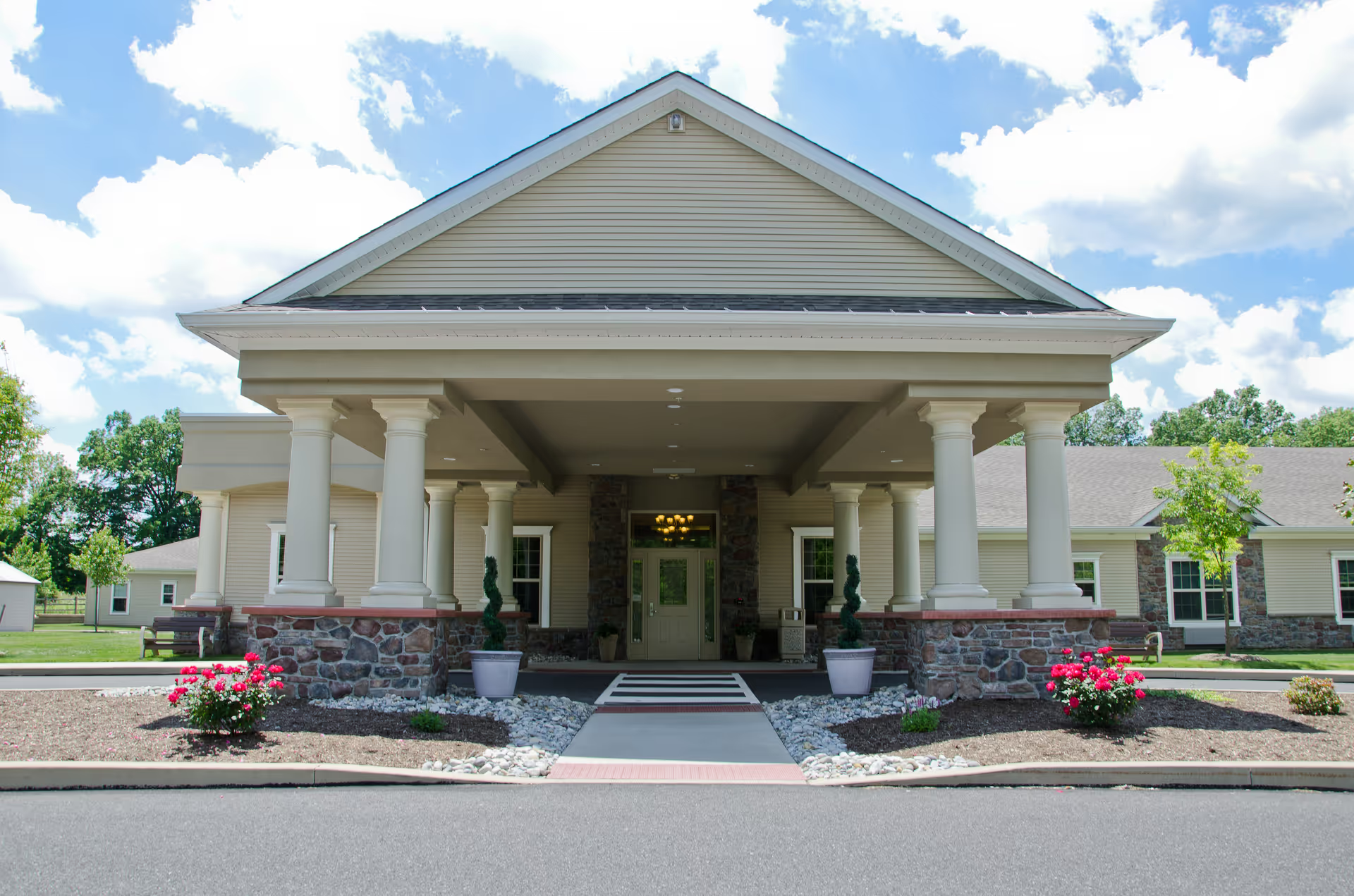
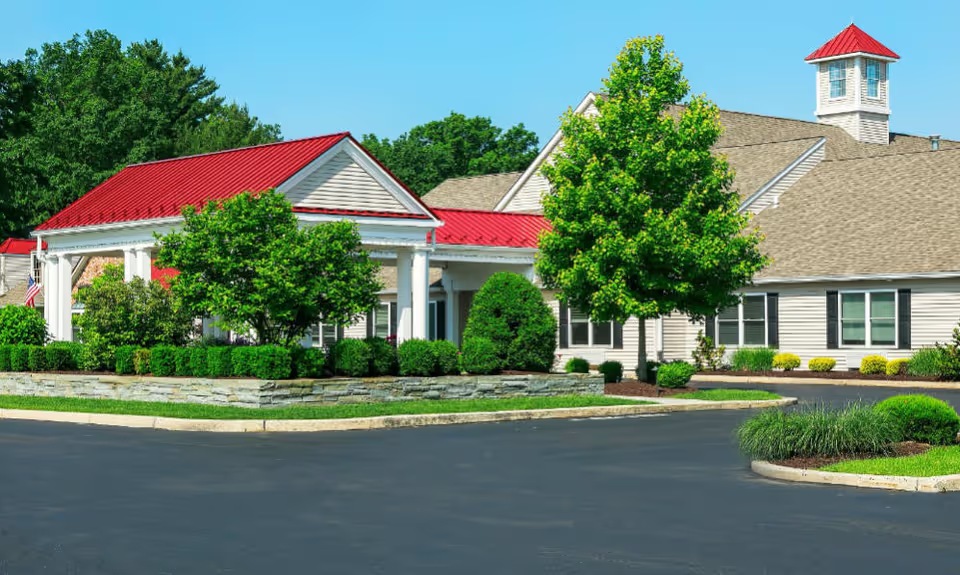
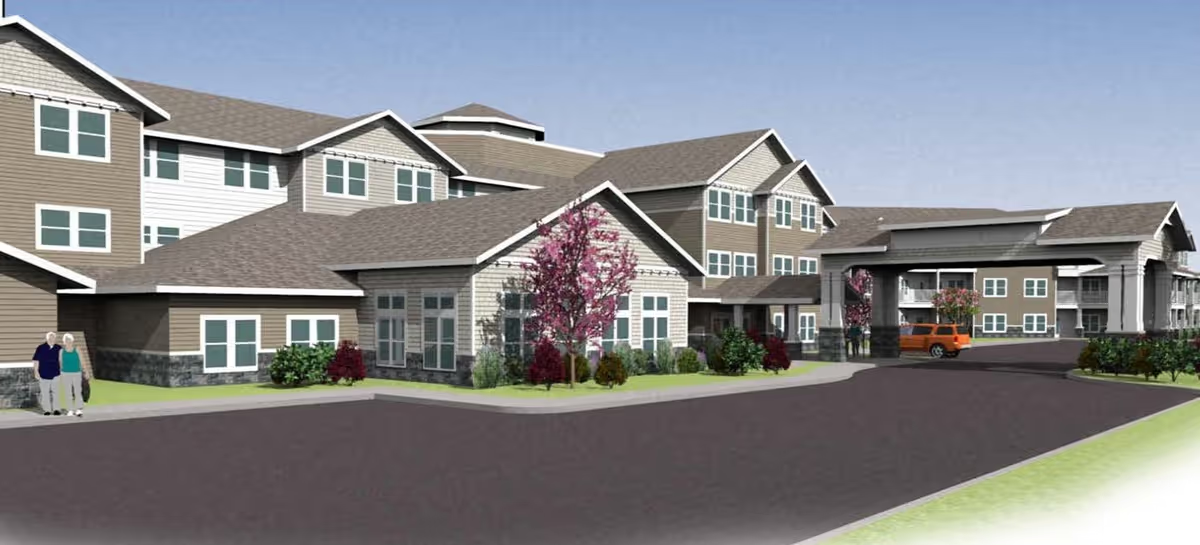
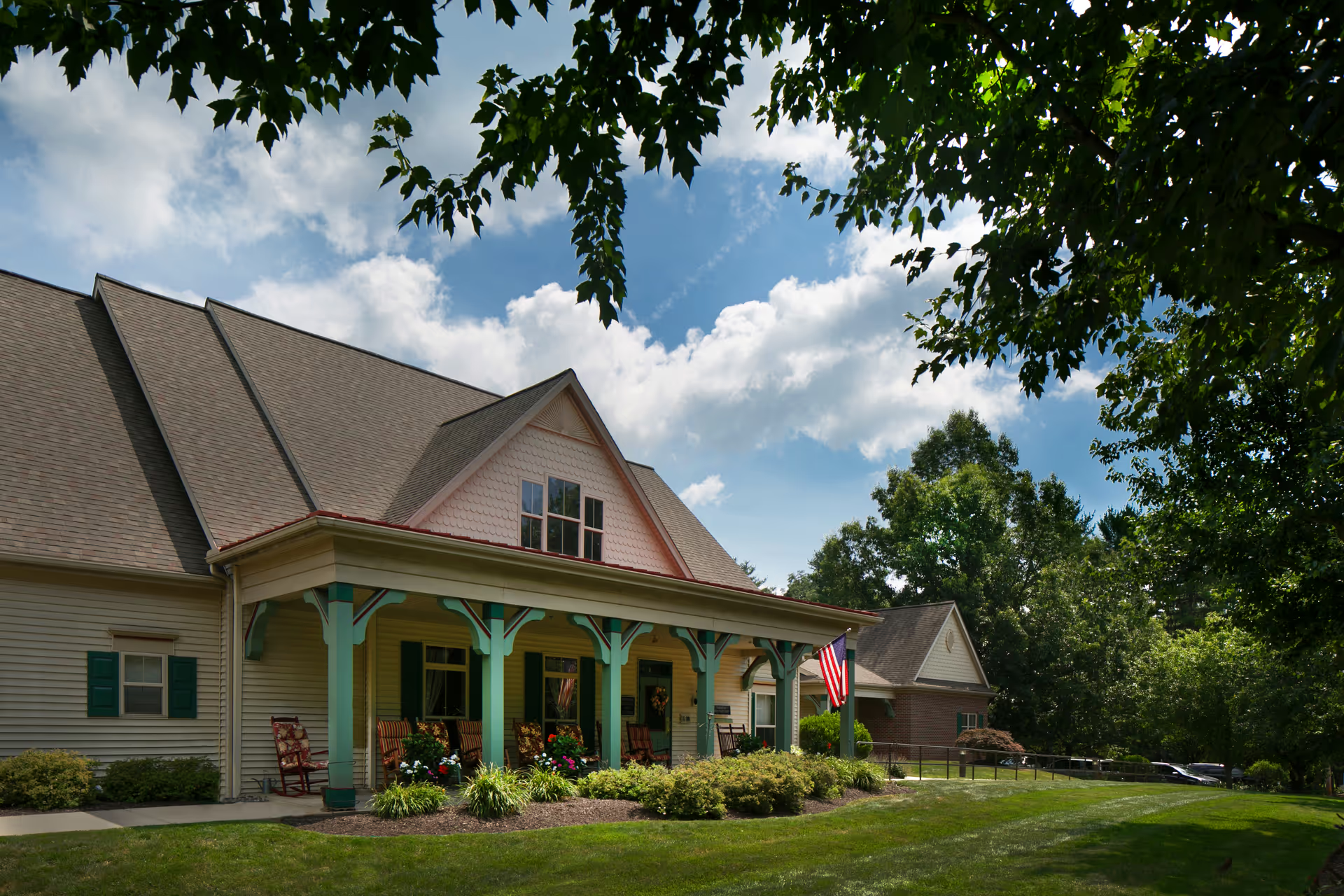
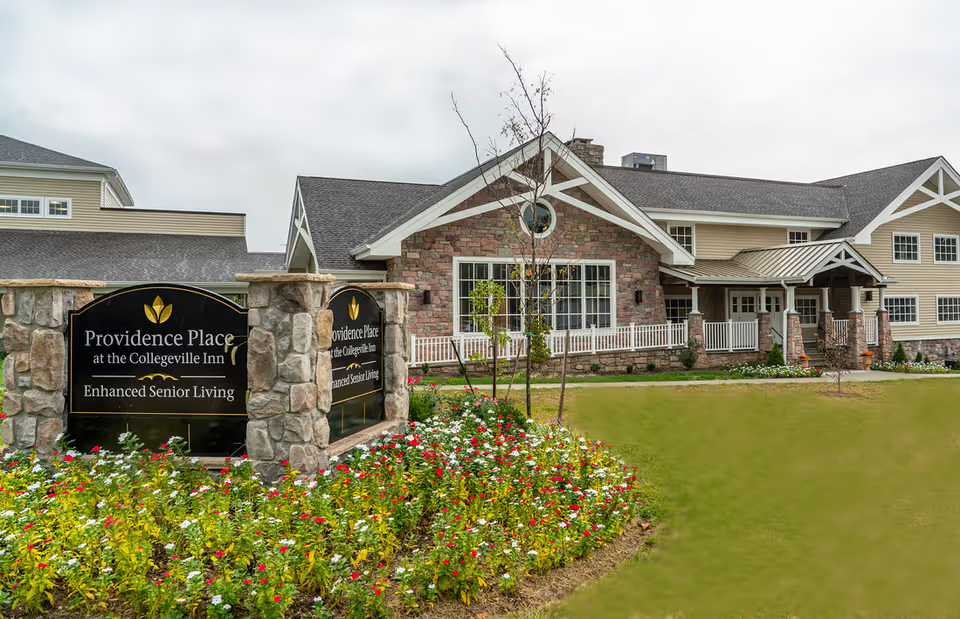
The reviews portray Peter Becker Community as a visually appealing, well-maintained senior living campus with a broad continuum of care — from independent apartments and cottages to skilled nursing and rehabilitation. Many accounts highlight attractive grounds, clean interiors, a welcoming receptionist, and a range of amenities including an on-site restaurant, gift and thrift shops, and frequent community events such as a flower show and volunteer-run activities. For families and residents who prioritize campus aesthetics, social programming, and an engaged volunteer base, the facility offers clear strengths.
Direct-care and clinical services receive mixed but specific feedback. Numerous reviewers praised compassionate caregivers, attentive nurses, and an effective therapy department; several described positive short stays and improved quality of life after admission. At the same time, there are recurring operational concerns that appear to affect care consistency: understaffing, slow response to call-bells, and evening coverage gaps were linked to delays in assistance. Reviewers also described variability in therapy access and communication — instances of lost or limited PT/OT sessions and inconsistent updates on progress — suggesting that rehabilitation availability and coordination can fluctuate.
Dining and food service are similarly mixed. The on-site restaurant and some meals were favorably described as high-quality and reasonably priced, and kitchen staff were commended in some accounts. Conversely, other reviews cite incorrect orders, unfriendly cafeteria interactions, and kitchen sanitation concerns. These contradictions suggest variability in meal-service execution and consistency of food-safety practices across shifts or units.
Management and administrative issues are a prominent theme. Several families described difficulty obtaining timely responses from administration, stress related to insurance or billing interactions, and concerns about how management handled infection-control events. These perceptions, combined with comments about low staff pay and training gaps, indicate systemic pressures in staffing, retention, and leadership responsiveness that can influence day-to-day resident experience.
Safety and supervision are areas to evaluate during a tour. Reviews reference delayed care and oversight lapses that contributed to adverse outcomes for individual residents; while specific incidents vary, they point to broader gaps in clinical oversight, transfer safety practices, and after-hours monitoring. There are also concerns about professionalism in certain interactions — ranging from brusque tone to dismissive behavior — which can affect family trust and resident comfort.
In summary, Peter Becker Community demonstrates strong facility-level assets: attractive, well-kept grounds, varied amenities, active programming, and many instances of skilled, compassionate caregiving and effective therapy. However, prospective residents and families should weigh these positives against patterns of inconsistent staffing, variable therapy and dining consistency, occasional sanitation and professionalism concerns, and perceived weaknesses in administrative responsiveness. When evaluating the community, consider asking about current staffing ratios (including evening coverage), call-bell reliability, therapy scheduling and progress-reporting protocols, recent infection-control events and outcomes, and how administration addresses family concerns.