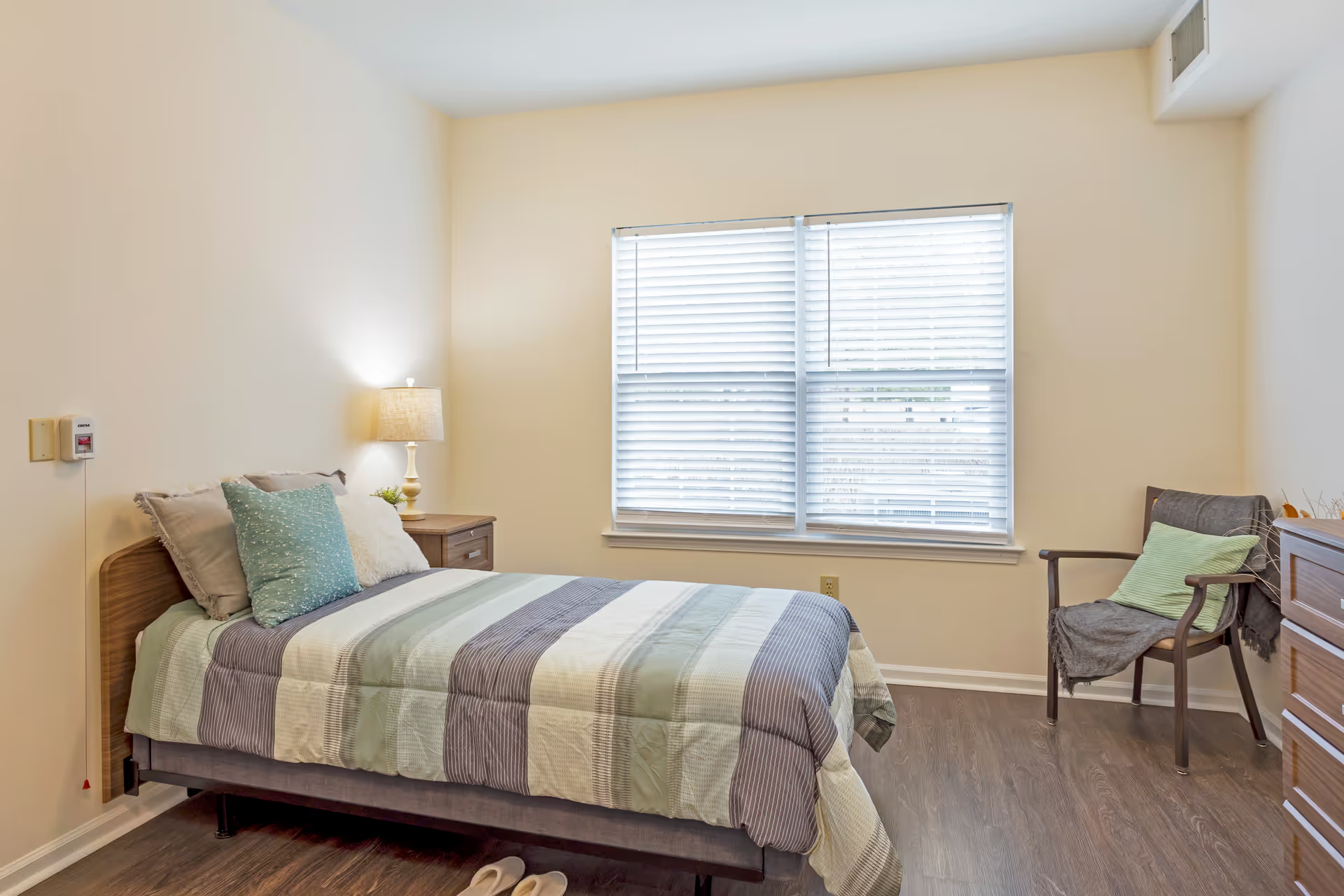
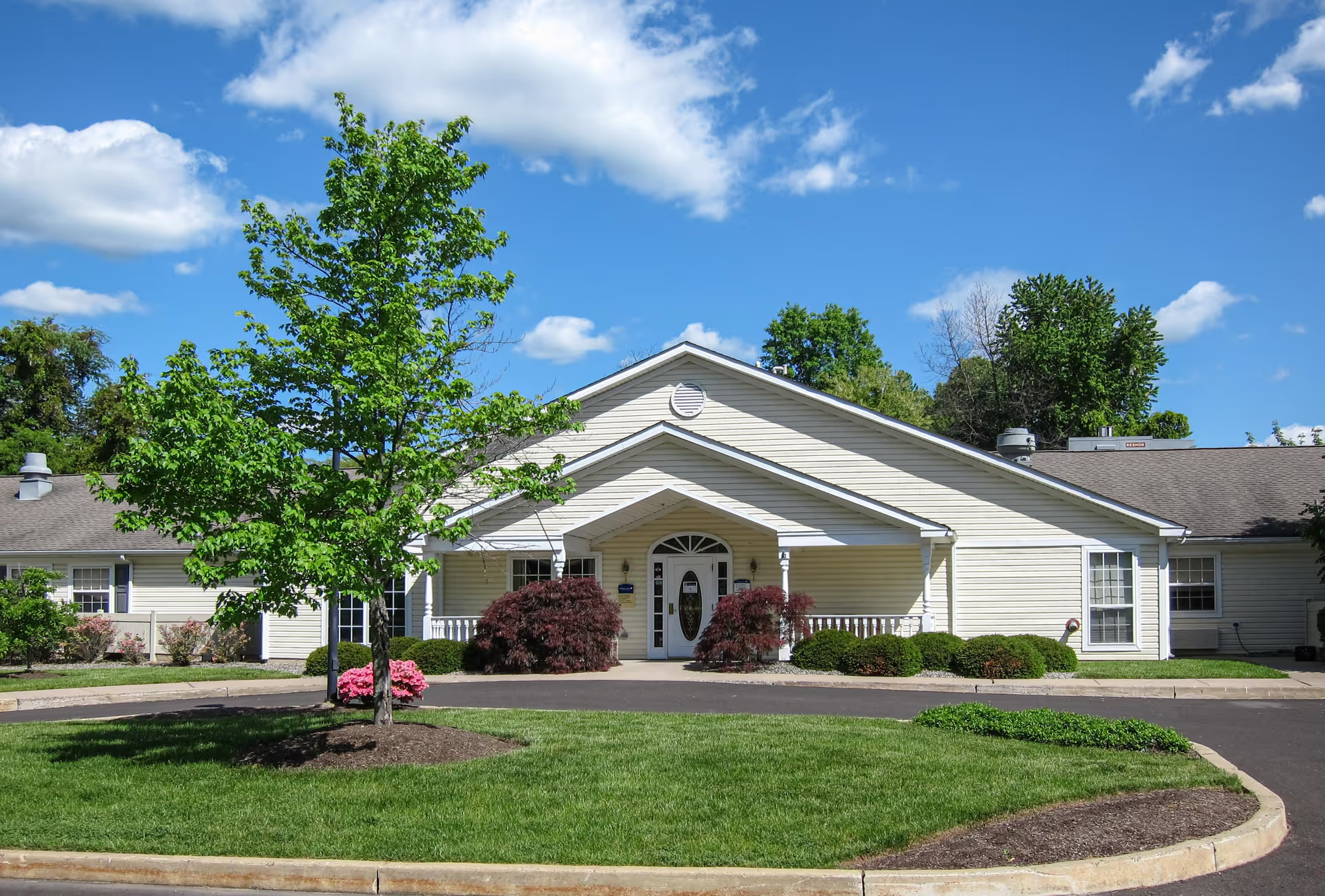
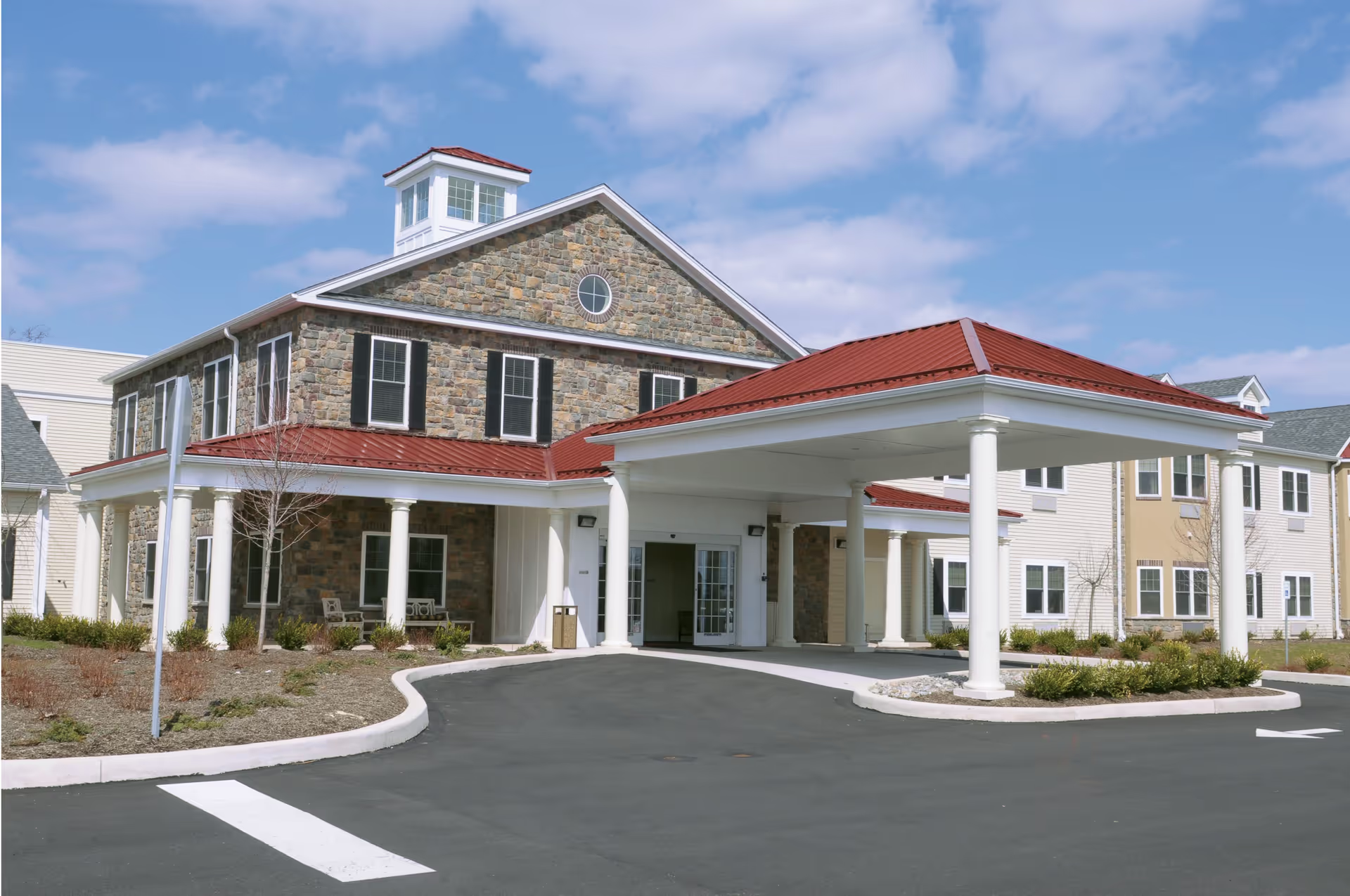
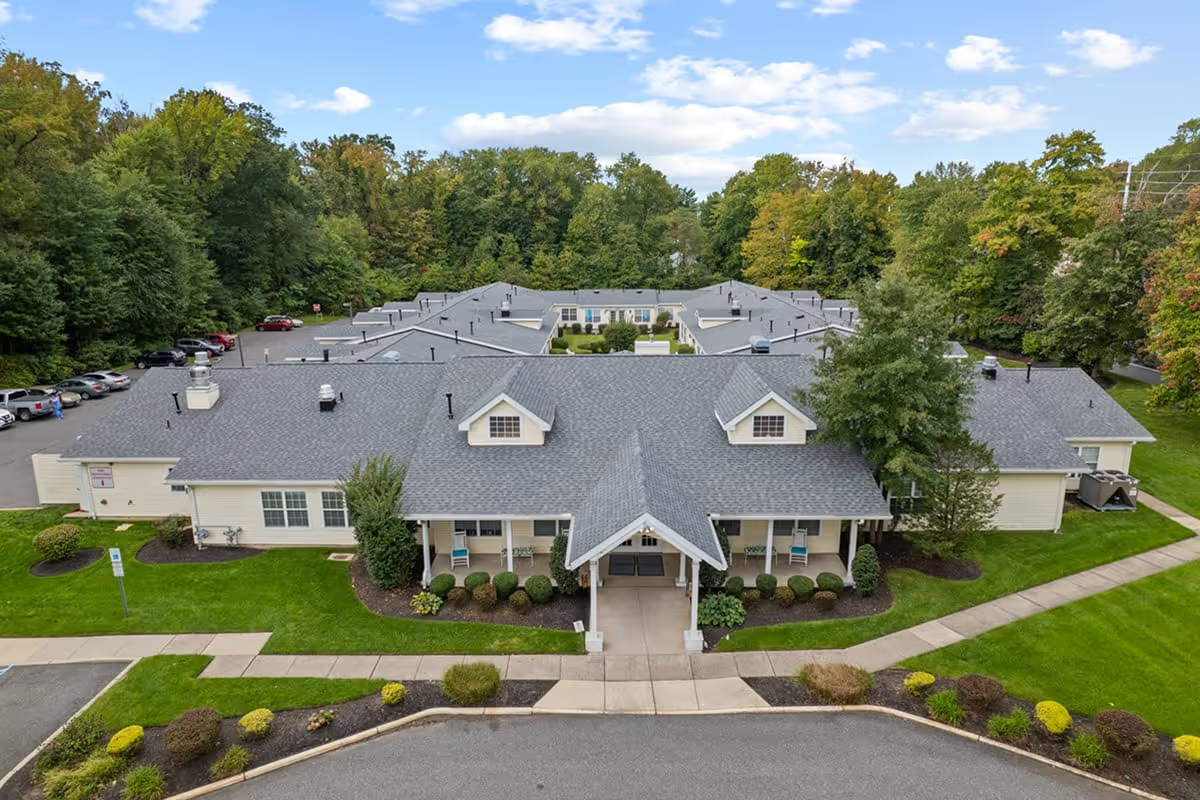
Langhorne Gardens Health & Rehabilitation Center elicits strongly mixed impressions. Positive accounts emphasize a capable rehabilitation program, with multiple families commending physical and occupational therapy, a well-equipped gym, and focused recovery plans that helped residents regain strength and return home. Many reviewers also praised individual clinical staff — nurses, therapists, social workers, and admissions personnel — describing them as compassionate, informative, and effective at coordinating care and dietary needs.
At the same time, a sizable portion of feedback points to operational inconsistencies that affect day-to-day care. Common clinical concerns include delayed responses to call bells, variability in wound and chronic-condition monitoring, and gaps in medication communication and consent. Several reviews describe delayed assistance with toileting and bathing, which translates into incontinence-care delays and irregular hygiene schedules. Safety and equipment issues were noted as well, including malfunctioning beds or controls and inconsistent availability of assistive devices until after family intervention.
Dining and housekeeping are recurring areas of variability. Some families described appropriate meal accommodation and on-time service, while others reported inconsistent meal quality, inadequate portions, and lapses in meal handling. Cleaning and sanitation were frequently described as inconsistent across units and shifts; odor concerns, ventilation maintenance, and pest-control questions were raised alongside reports of well-kept areas. Laundry and personal-belongings management were another operational weak point, with several accounts of missing or swapped clothing and delayed return of items.
Staffing patterns appear to be a central driver of the facility’s variability. Reviewers cite frequent turnover, weekend staffing gaps, and aides who are sometimes perceived as distracted or less attentive — all contributing to uneven resident experiences between shifts. Conversely, many individual staff members and some new leadership were described as attentive and responsive; this contrast suggests the facility’s performance may depend heavily on unit-level staffing and management presence.
Management and communication earned mixed assessments. Positive notes include helpful admissions staff, responsive social workers, and constructive discharge planning in some cases. Negative themes center on inconsistent family communication, including serious concerns about end-of-life notification and care coordination during transitions. There are also isolated, serious allegations regarding medication handling and postmortem communication that have prompted calls for inspection; these descriptions are not uniform but underscore why families should ask direct questions about protocols.
For prospective residents and families: the facility demonstrates clear strengths in rehabilitation and in the dedication of many clinical staff, but it also shows operational weaknesses that can affect resident comfort and safety. A thorough, in-person tour that includes inspection of specific rooms, discussion of staffing levels and shift coverage, review of medication-consent and wound-care protocols, and confirmation of laundry and belongings procedures is advisable. Asking about weekend staffing, infection-control measures, and how the facility handles family communication and end-of-life situations can help set expectations and identify whether current management changes address the inconsistencies noted in these reviews.