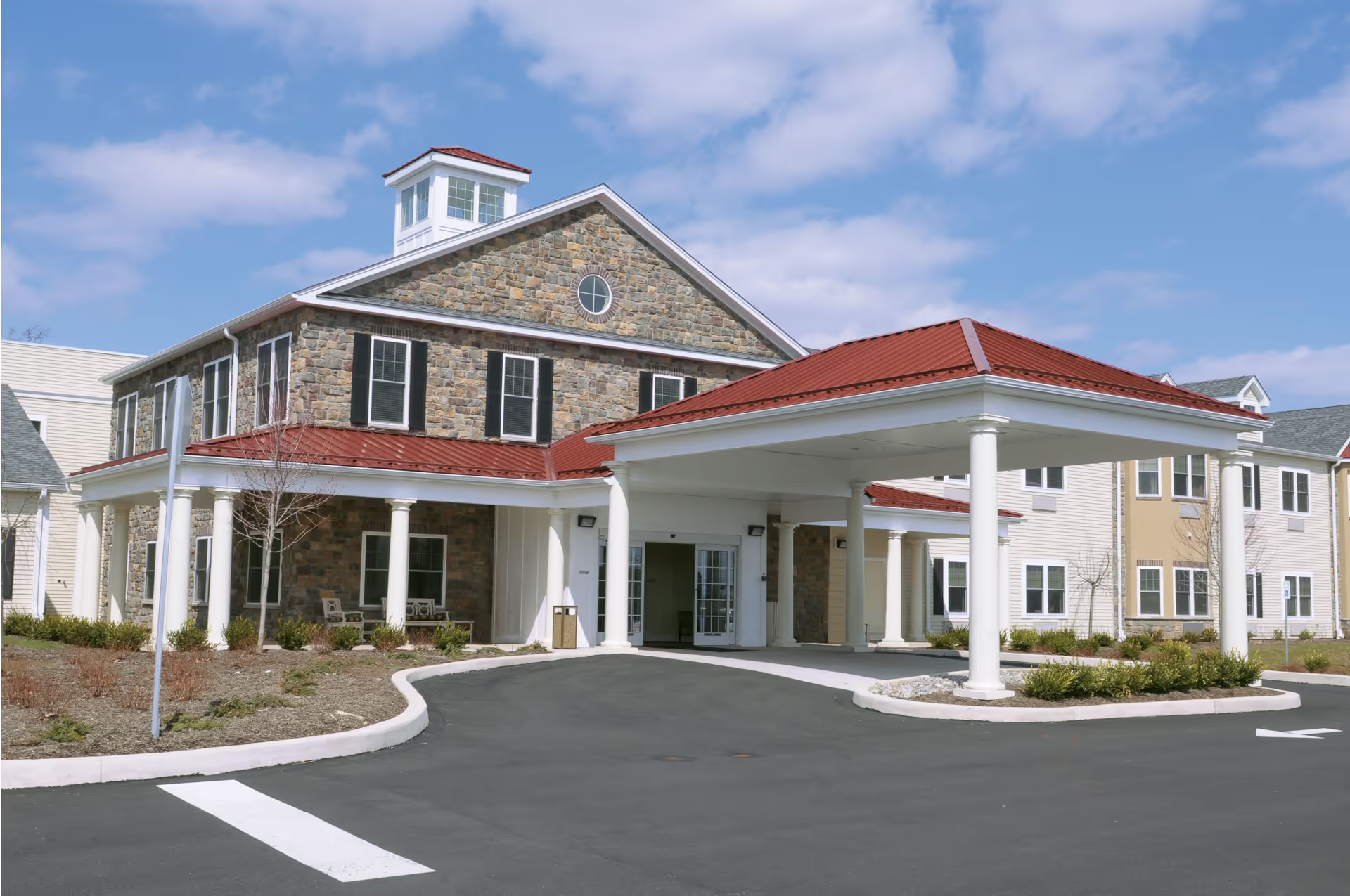
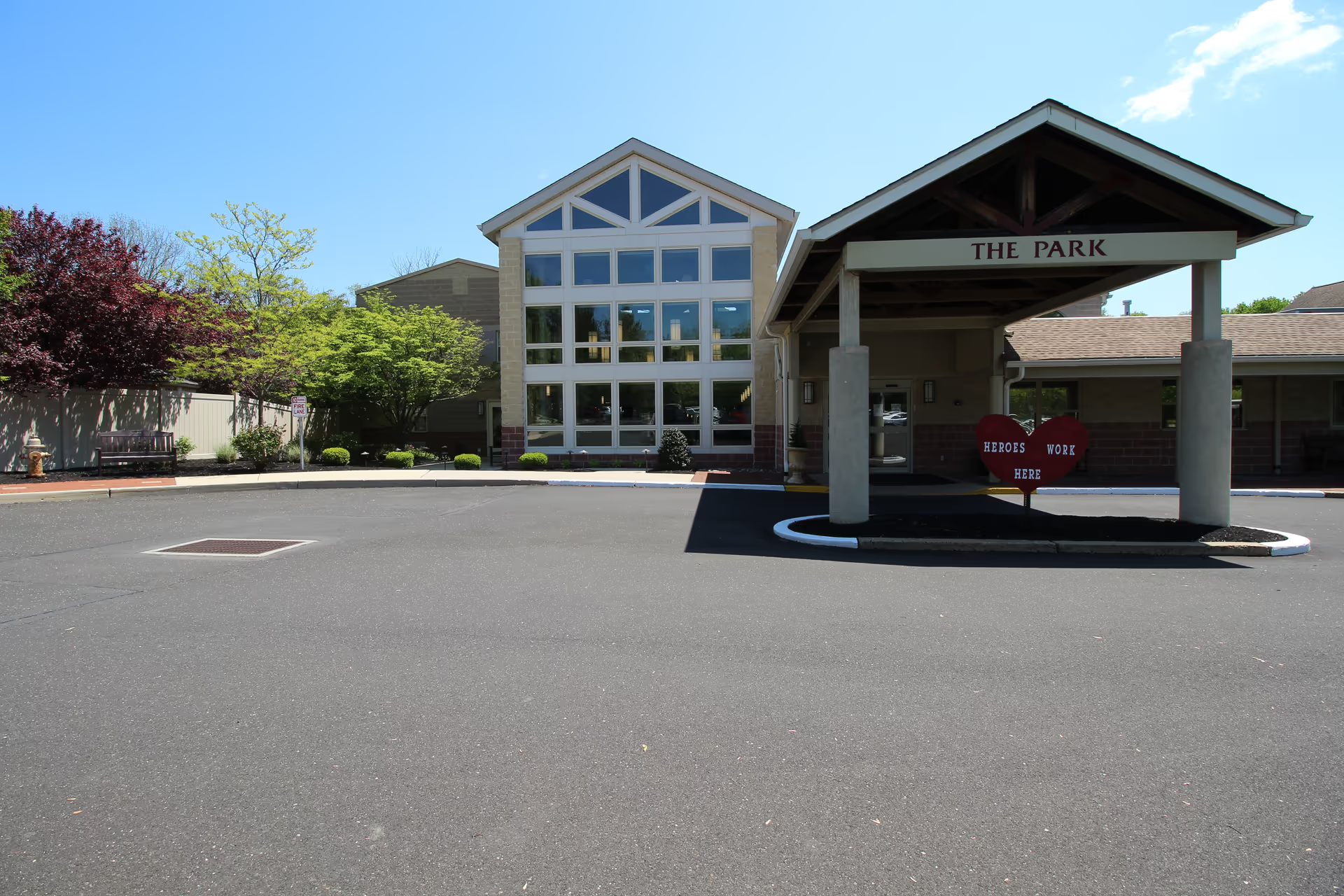
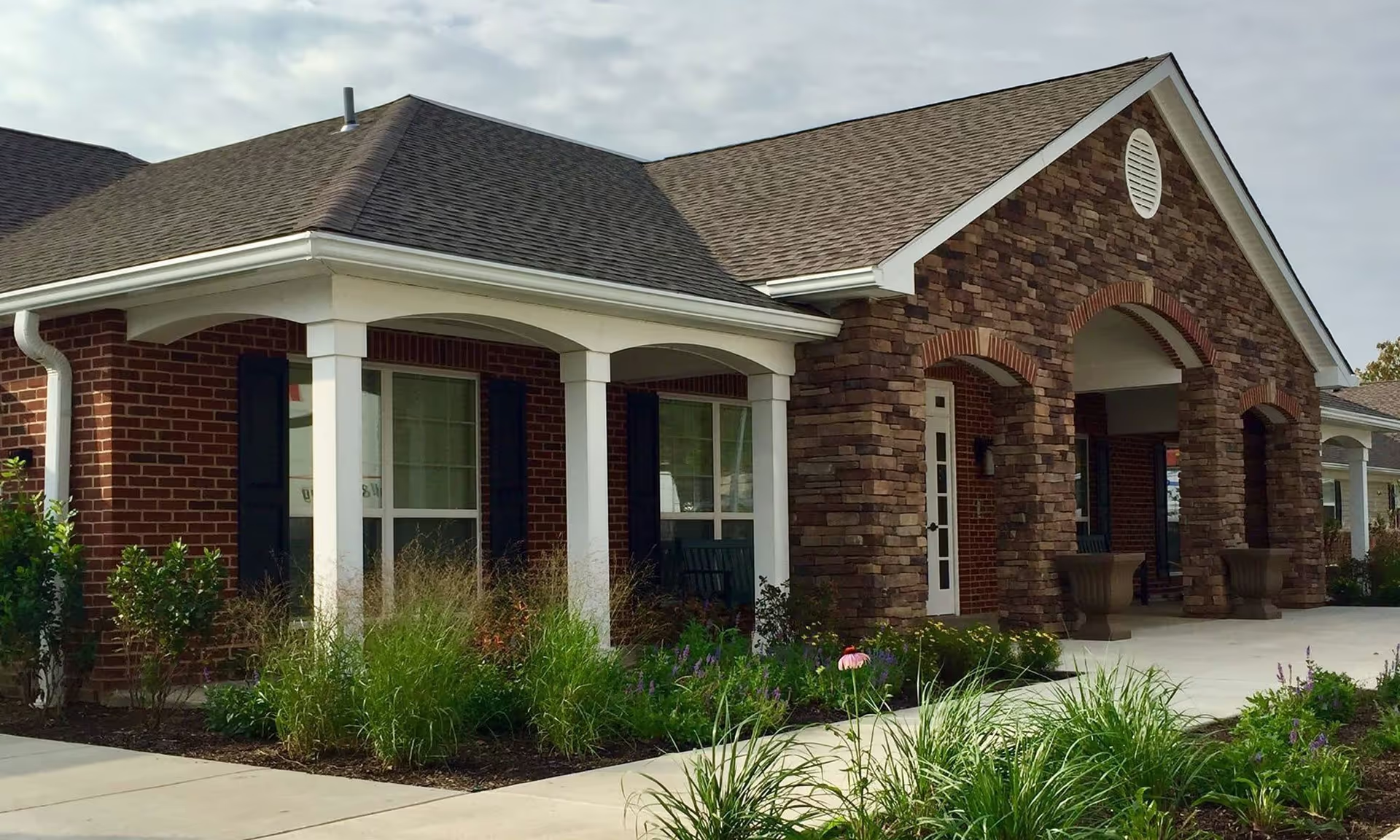
Reviewer feedback for Oxford Rehabilitation & Healthcare Center is highly polarized, with a substantial number of families describing significant strengths alongside a recurring set of operational weaknesses. Positive accounts emphasize strong rehabilitation services, a number of compassionate direct‑care staff, a well‑maintained campus and therapy gym, and admissions and social‑service staff who assist families during transitions. Conversely, other families describe care gaps that affect day‑to‑day comfort and safety, producing very mixed overall impressions.
Care and clinical staffing: Many families praise the facility’s physical and occupational therapy teams for producing measurable recovery and functional gains. Nursing assistants and some nurses are frequently described as caring and attentive. However, reviewers also describe inconsistent nursing coverage, with particular weaknesses on weekends and nights. Common operational concerns include slow responses to call bells, delays in bathing and toileting assistance, inconsistent pressure‑injury prevention follow‑through, and several accounts of medication‑administration and documentation errors. There are also serious procedural concerns noted by families, including allegations of falsified documentation; those are distinct and warrant direct inquiry during a placement discussion.
Dining and activities: Dining experiences are uneven. Positive comments note routine menu checks and some enjoyable meals, but many families report cold or small portions, limited dietary accommodation, and occasional meal‑service errors. Activity offerings and communal spaces (activity room, solarium, walking paths) are available and appreciated by some residents, though engagement and staff facilitation appear inconsistent across shifts and units.
Facilities and housekeeping: The campus, therapy gym and some private rooms receive consistent praise for cleanliness and upkeep. At the same time, there are repeated mentions of sanitation concerns in specific units, odor issues, inconsistent laundry handling, and occasional missing personal items. These issues appear to be patchy rather than universal, suggesting variability by unit, shift or period.
Management, communication and accountability: Communication with families is uneven. Several families commend social‑work staff and admissions personnel for clear, compassionate coordination, while others report delays in updates, poor discharge coordination, and slow or unsatisfactory responses to complaints. Reviewers also identify frequent administrative turnover and uneven accountability for incidents; some families escalated concerns to the ombudsman. Taken together, these patterns point to variability in leadership presence and follow‑through.
Notable patterns and guidance for families: The dominant pattern in these reviews is variability — many examples of good, rehabilitation‑focused care coexist with repeated operational shortfalls tied to staffing, communication, meal service and documentation. Prospective residents and families should verify current staffing ratios (including weekend/night coverage), ask about medication‑administration and documentation safeguards, inquire how call‑bell response times are monitored, review cleaning and laundry protocols, and request details on dietary accommodations. When possible, visit during different shifts, speak with the therapy and social‑work teams, and ask about recent leadership or policy changes to assess consistency before making placement decisions.