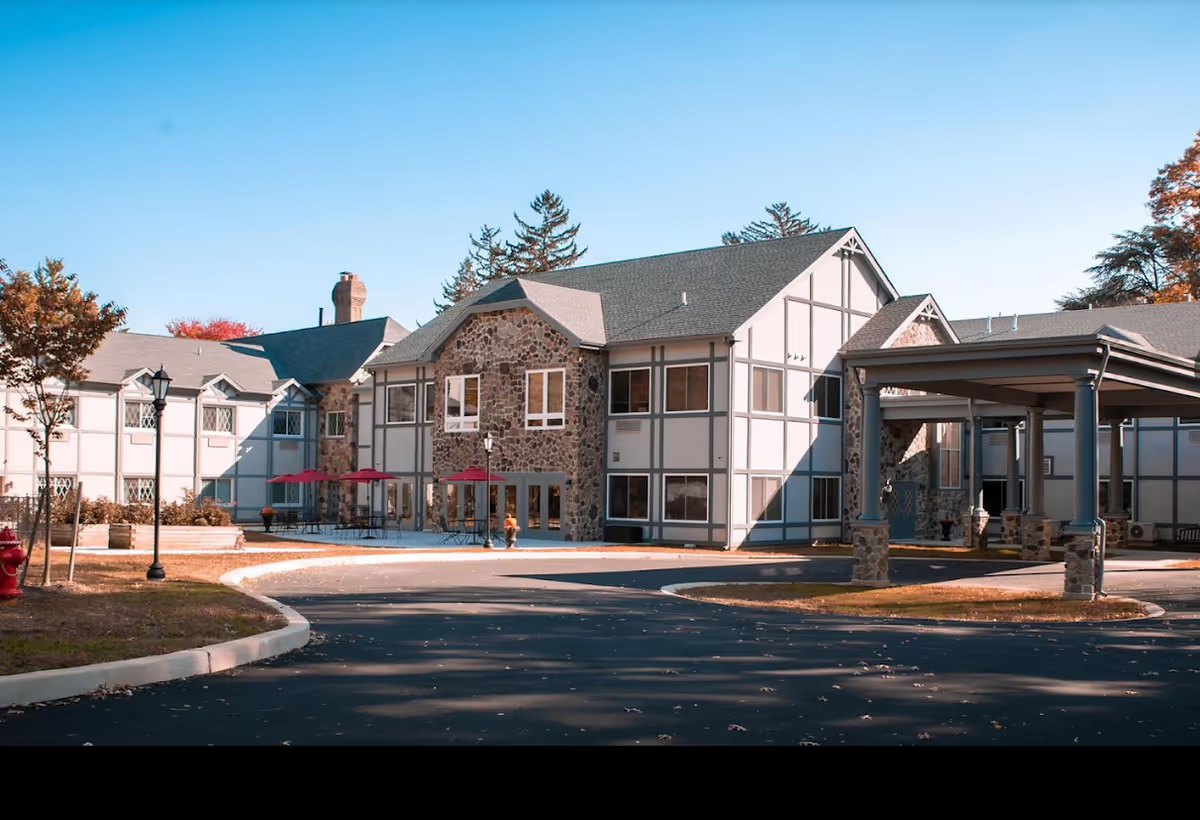
Reviews of Sterling Health Care & Rehabilitation Center describe a facility with a pronounced split between strong clinical/therapy strengths and persistent operational weaknesses. On the positive side, many families and patients praised the nursing aides, therapists, and certain floor teams for being compassionate, attentive, and effective — particularly the rehabilitation staff (PT/OT) and specific unit caregivers. Multiple accounts highlight successful rehab outcomes, regular treatment‑plan updates, a welcoming lobby and common spaces, and instances of responsive administrative follow‑up that resolved concerns promptly.
However, a substantial number of reviews describe operational inconsistencies that affect day‑to‑day care. The most frequently mentioned issues are delayed staff responsiveness (including long call‑bell waits), inconsistent assistance with basic activities of daily living (bathing, toileting, and feeding), and variability in cleanliness and sanitation at the room and bathroom level. Reviewers report that staffing levels appear uneven across shifts and floors, which correlates with delays in care and long periods without visible nursing presence at the nurse station.
Medication management and documentation emerged as a serious area of concern in several accounts. These include claims of incorrect or missing medication administration, altered or inconsistent charting of vitals, and allegations suggesting possible diversion or falsification of records. These are significant operational risks worth direct inquiry during a tour and a topic for regulatory follow‑up if substantiated.
Dining and ancillary services are described inconsistently: some families found meals adequate and the kitchen hardworking, while others noted small portions, repetitive menus, or interruptions to meal service. Activity programming and therapy engagement were generally regarded as strengths where present; reviewers appreciated therapy encouragement for activity outside rooms and staff‑led engagement, though COVID‑era restrictions reduced on‑site activities and visitation for some residents.
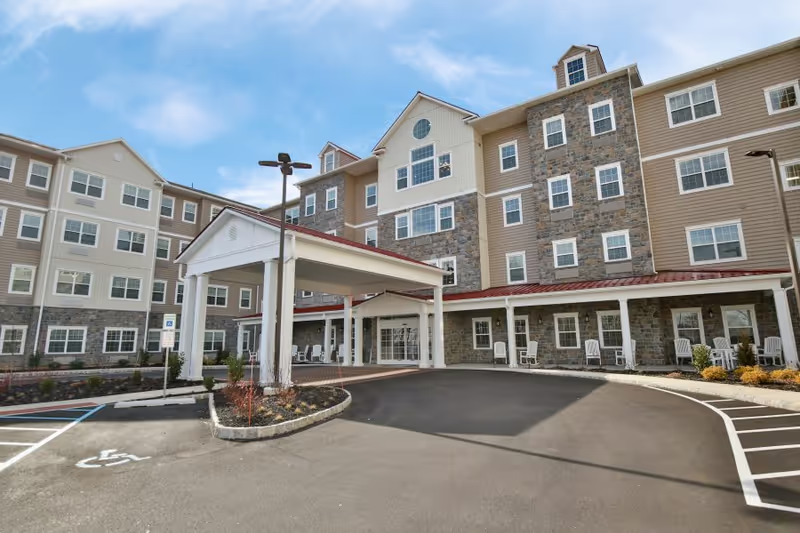
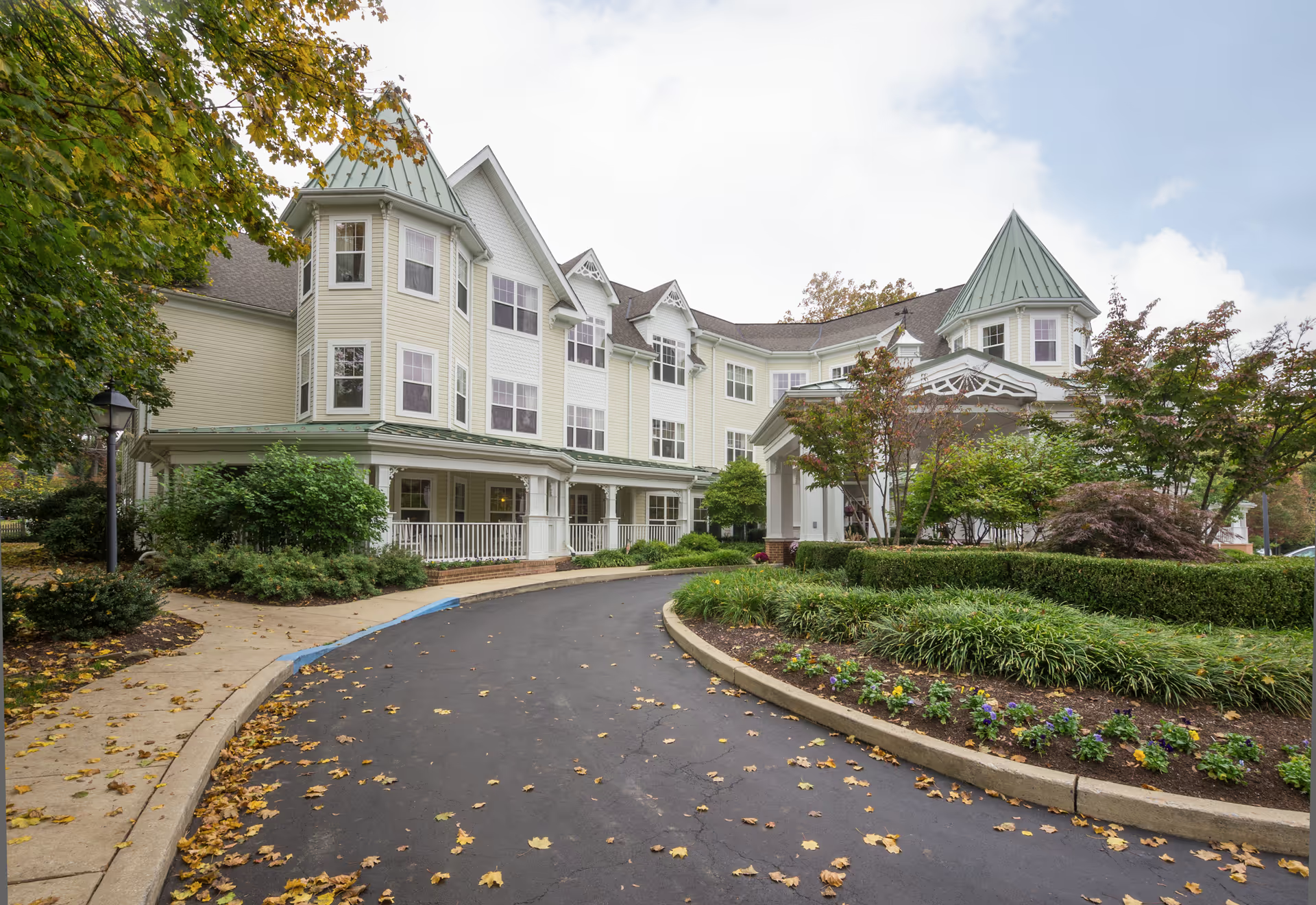
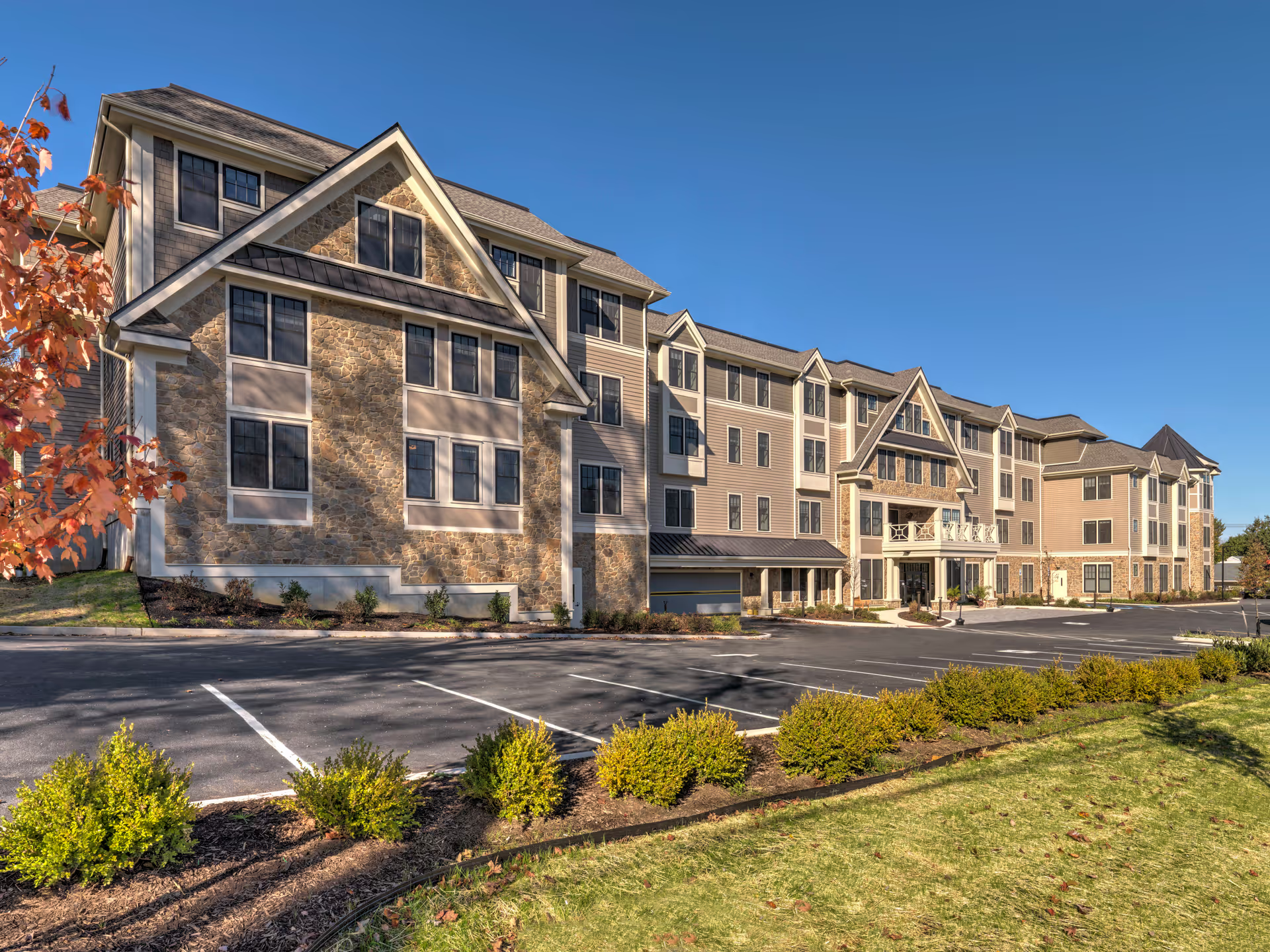
Facility condition feedback is mixed. Several reviewers praised clean, comfortable common areas and a pleasant atmosphere on particular units, while others reported sanitation and odor concerns in patient rooms and certain hallways, and at least one mention of a pest‑control issue. Management impressions vary: some families described helpful, communicative administrators who resolved problems, whereas others experienced poor follow‑up, missed callbacks, or a sense that leadership did not adequately address unit‑level problems.
Notable patterns: quality appears highly variable by floor, shift, and individual staff members. This variability produces sharply divergent experiences — from families reporting five‑star, family‑like care to those describing prolonged service gaps and hygiene concerns. Prospective residents and families should consider an in‑person tour that includes inspection of resident rooms and bathrooms, direct questions about staffing ratios, call‑bell response metrics, medication‑safety practices, and recent regulatory or internal quality‑assurance actions. Asking to speak with the unit therapy team and to meet nursing leadership can help assess whether the positive clinical strengths are consistently applied across the facility.