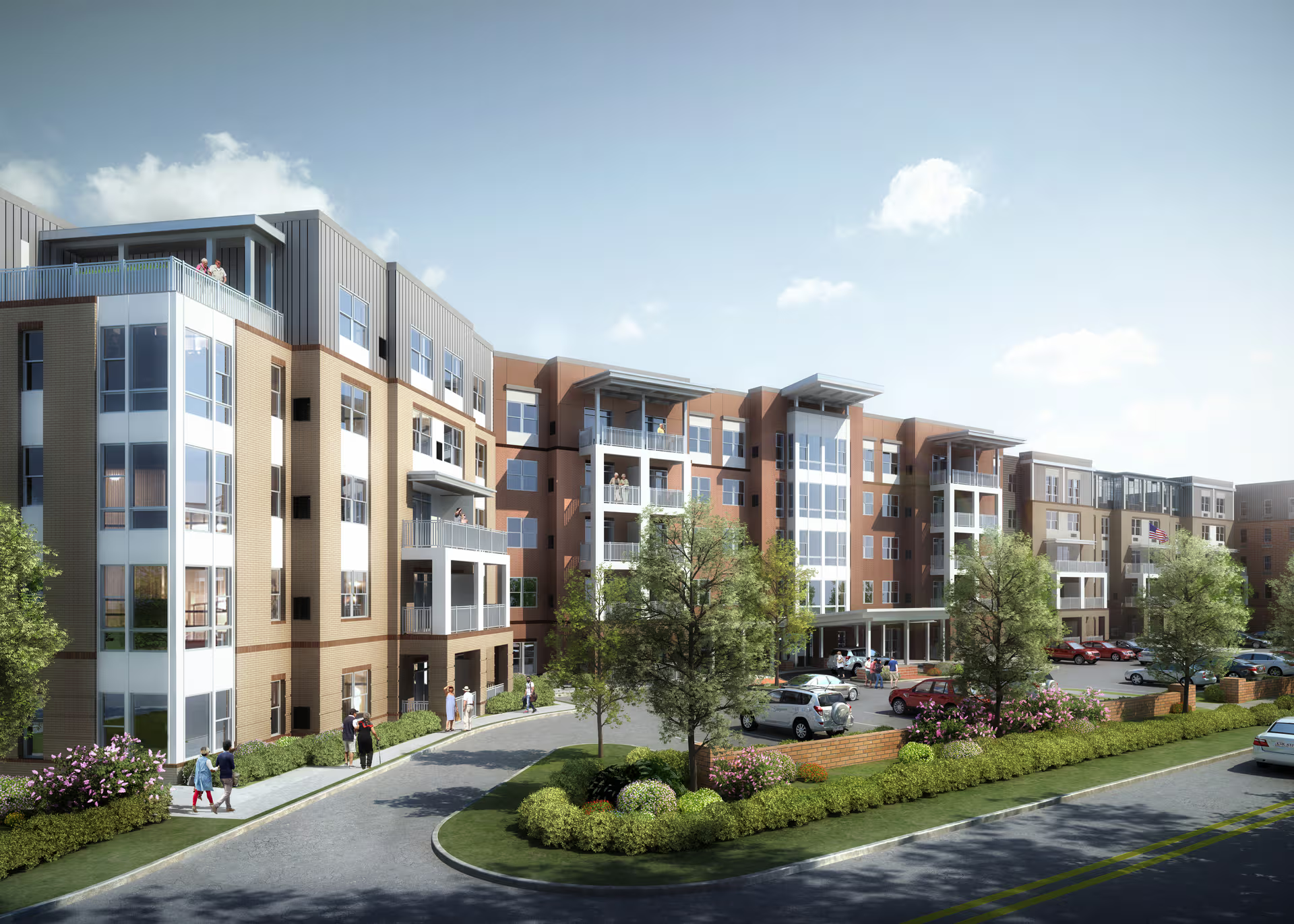
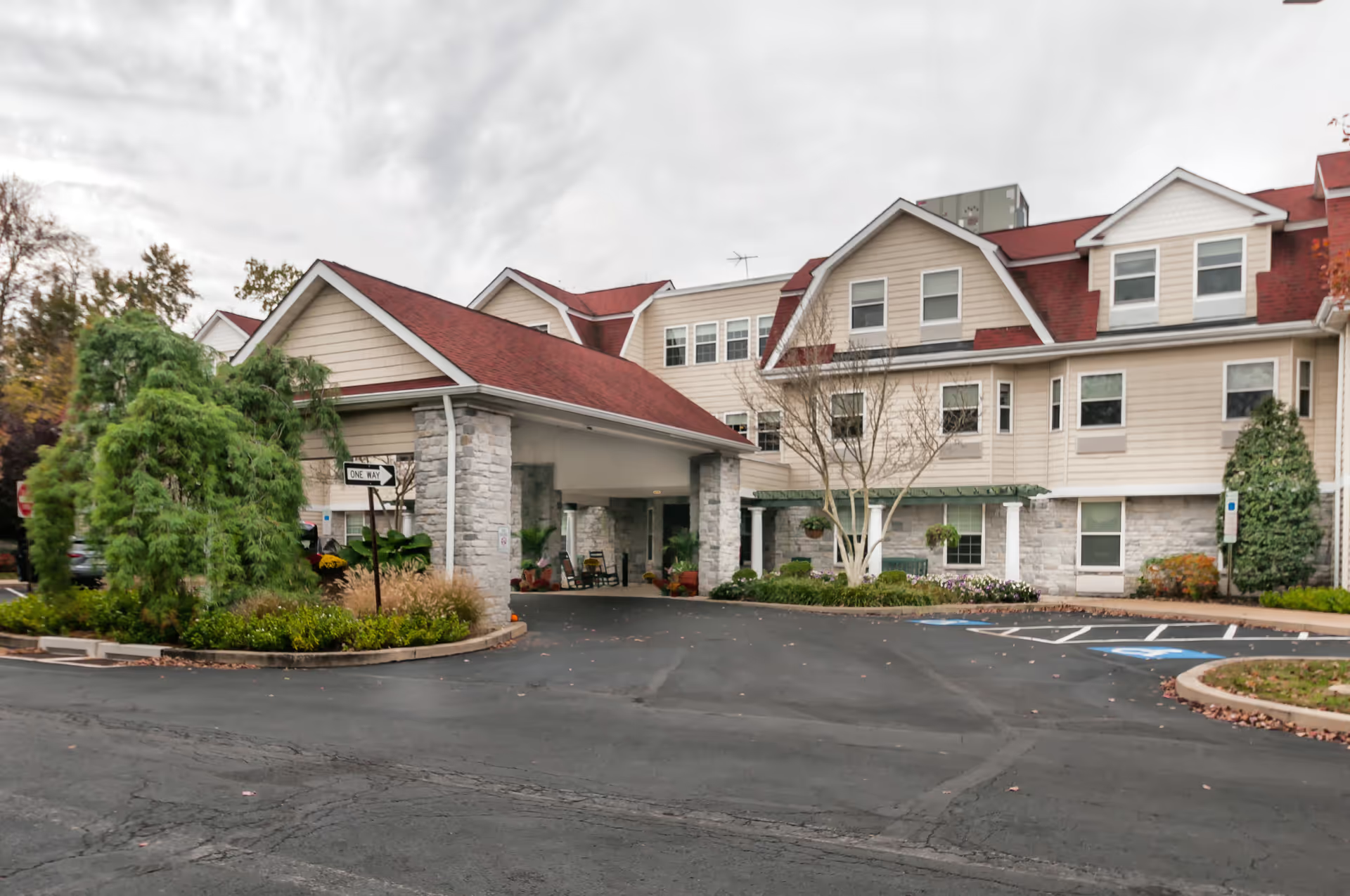
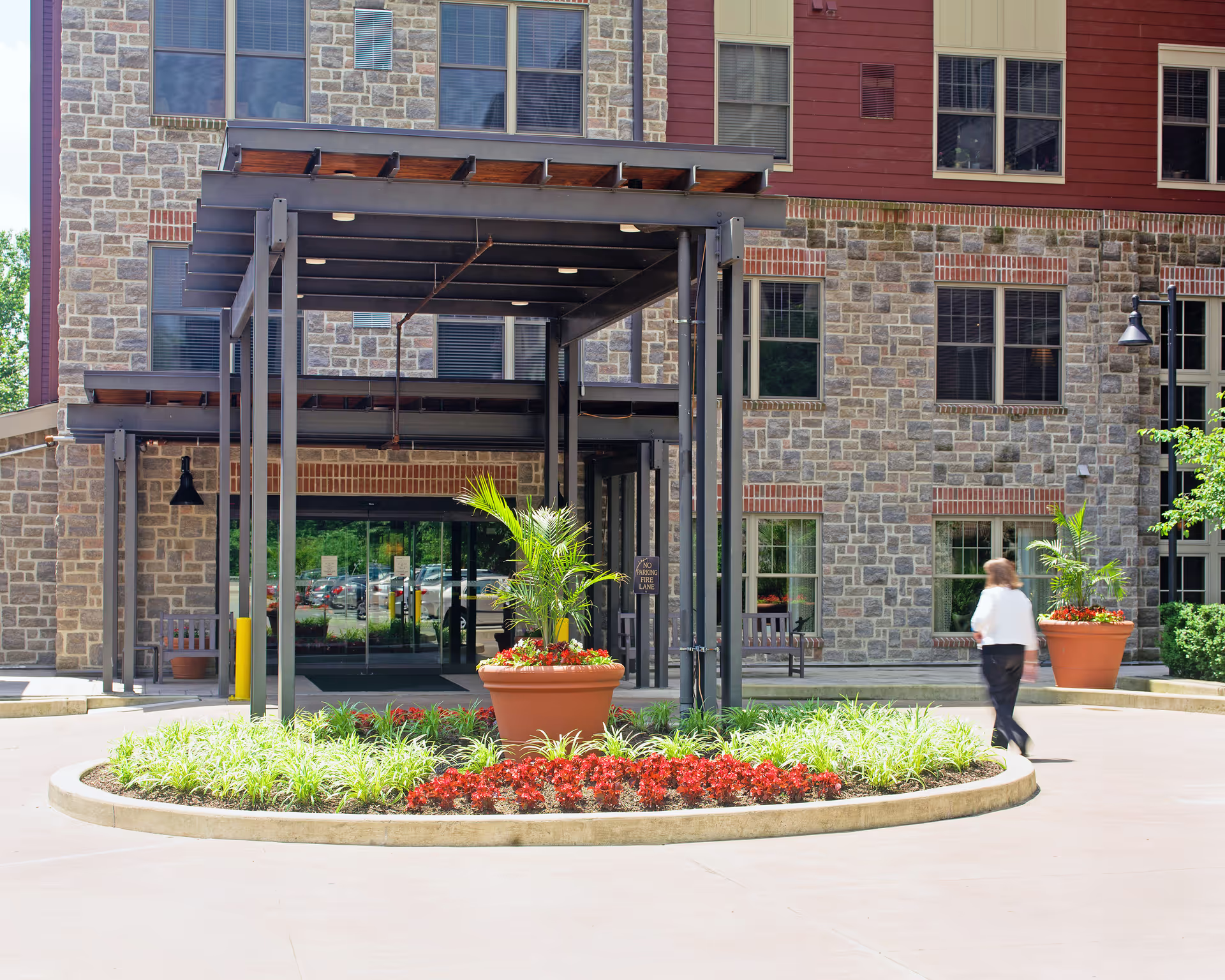
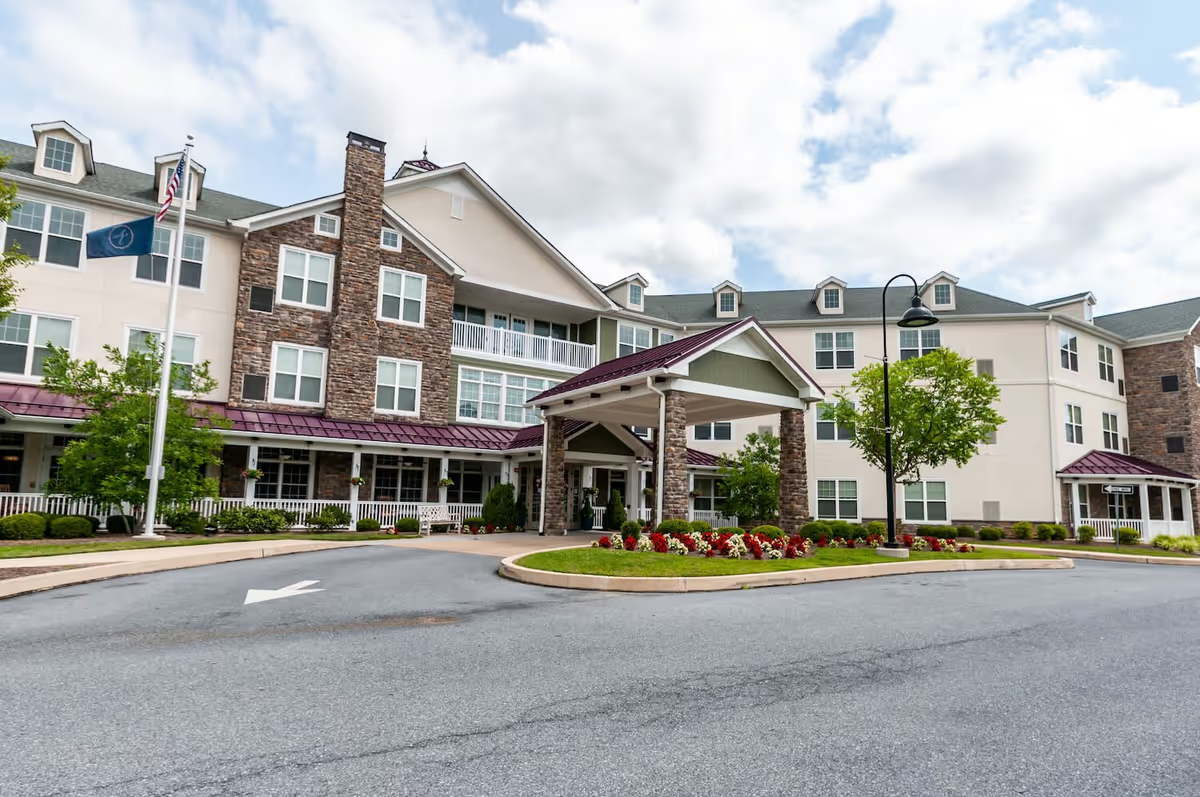
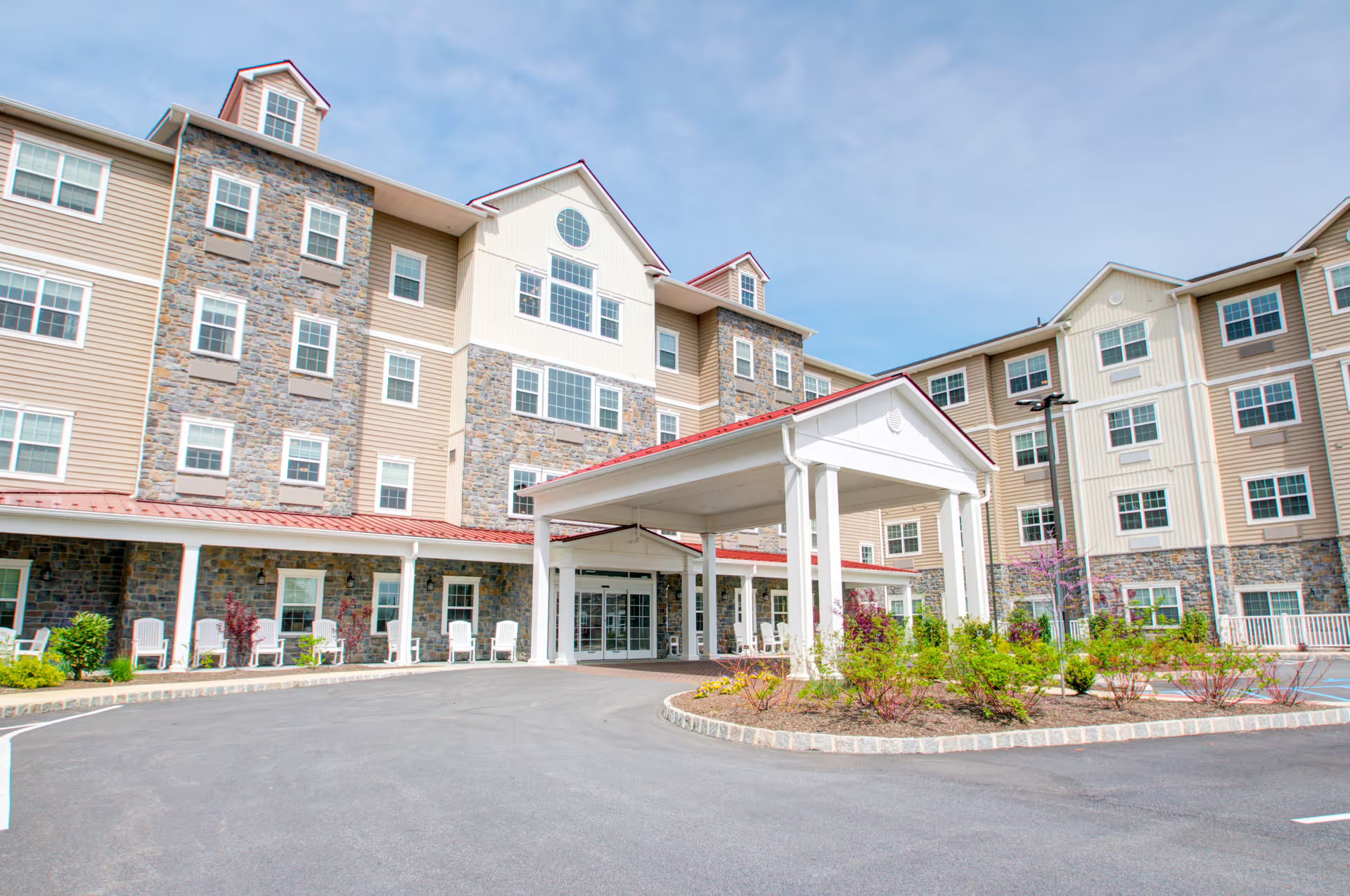
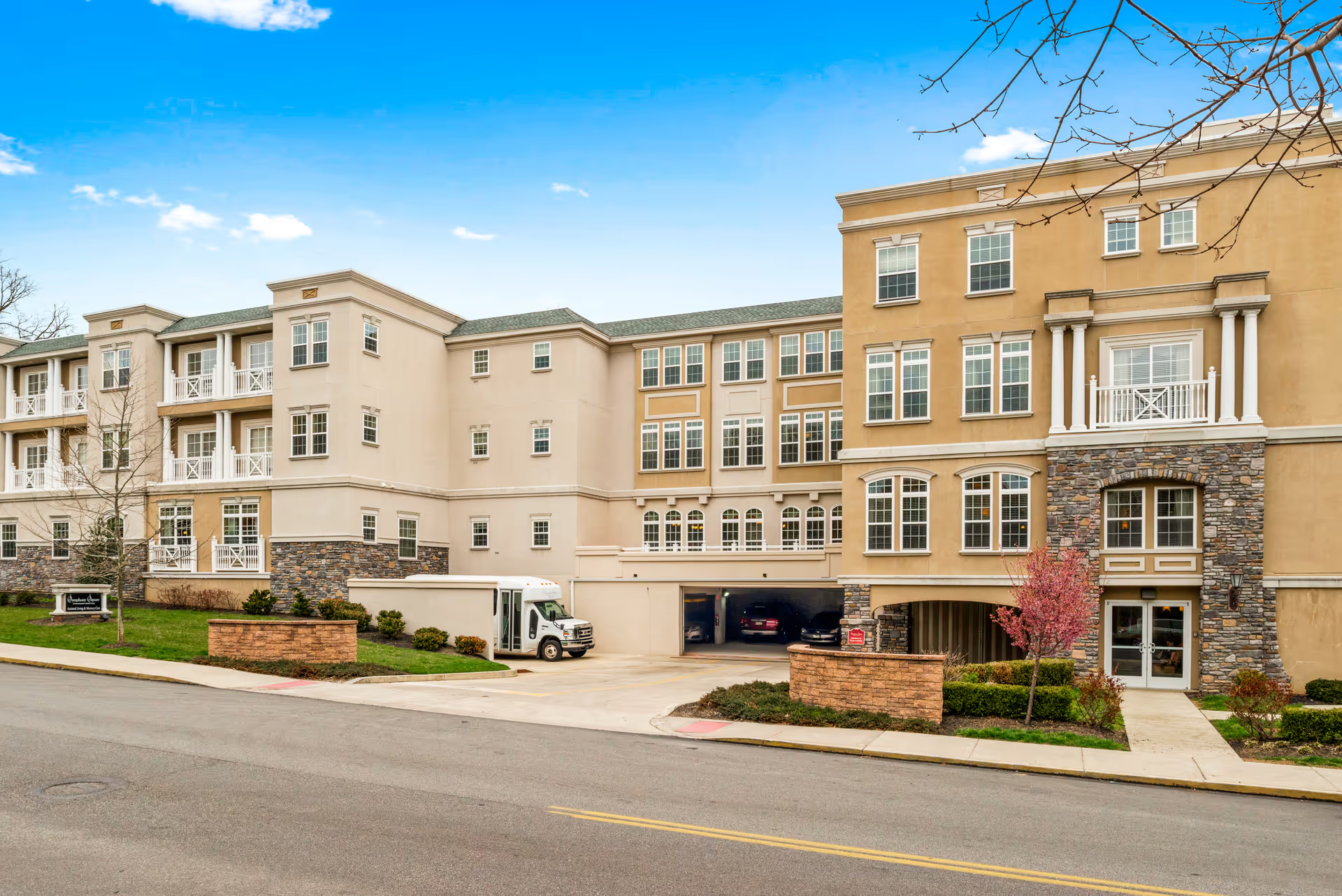
Dunwoody Village presents as a large, well-appointed life-care community with many physical and programmatic strengths. The campus, landscaping, and independent-living options receive consistent praise; residents and families note walkable grounds, outdoor patios, one-level townhouses, and attractive common areas. Renovation work has modernized assisted-living units and several reviewers described hotel-like private rooms and spacious nursing accommodations. On-site amenities (recreation rooms, computer access, dining venues) and an active calendar of activities contribute to a socially engaging environment.
Clinical and rehabilitative services are a clear strength for many short-term admissions. Therapy teams (PT/OT/speech) and nursing staff were frequently credited with improving mobility and facilitating successful rehab discharges. The facility maintains on-site medical coverage, and some families described compassionate end-of-life care and attentive clinicians. Dining is often described positively — varied menus, nutritious choices, and attractive dining rooms — and serving staff received commendations for effort and attentiveness.
Despite these strengths, reviews reveal recurring operational concerns. Staffing levels and consistency emerge as an ongoing issue: families describe periods of staff overload, delayed responses to call bells, and limited weekend clinical contact. These constraints appear linked to variability in day-to-day care quality, with accounts ranging from highly attentive care to experiences of delays, inconsistent pain and medication management, and communication lapses. Several reviewers pointed to weaknesses in clinical documentation and record handling, which can complicate care coordination and family communication.
Management and maintenance present a mixed picture. While some praise administrative staff and social-work support, others characterize leadership as insufficiently communicative or difficult to engage, particularly around serious clinical events and billing/financial matters. Construction and renovation activities have caused navigation and service interruptions; management has used signage and communication tools but families still report inconvenience. Additional operational themes include housekeeping and maintenance inconsistencies, isolated pest-control concerns and outbreak-handling shortcomings, occasional privacy interruptions due to staff workflow, and questions about emergency-preparedness and infrastructure reliability. Cost is frequently noted as high; prospective residents should weigh fees against the level of consistent care and services they expect.
Bottom line: Dunwoody Village offers a well-resourced campus, strong rehabilitation services, varied programming, and many attractive living options. Prospective residents and families who prioritize amenities, therapy capability, and an active campus will find much to value. Those who place the highest priority on consistently responsive staffing, tight clinical documentation, transparent family communication, and uninterrupted service during renovations should engage in detailed, specific discussions with leadership before committing, and consider visiting during different shifts and days (including weekends) to assess operational consistency.