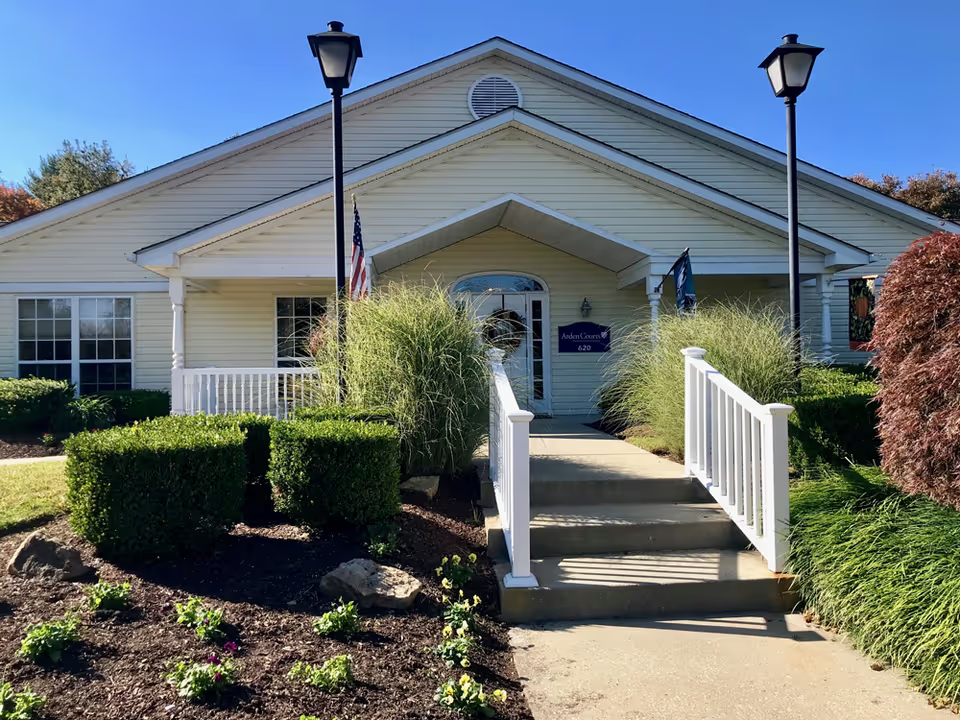
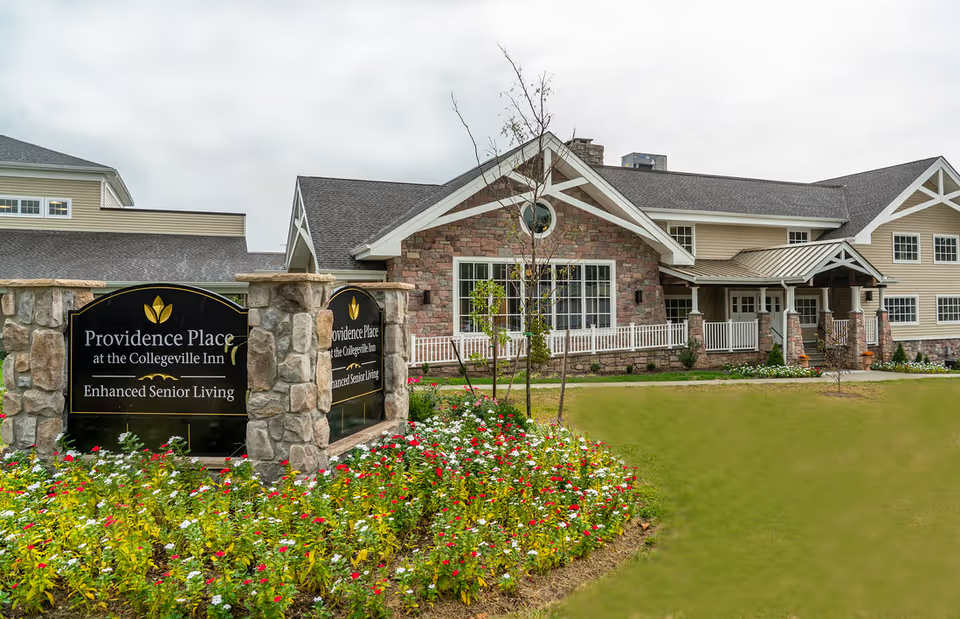
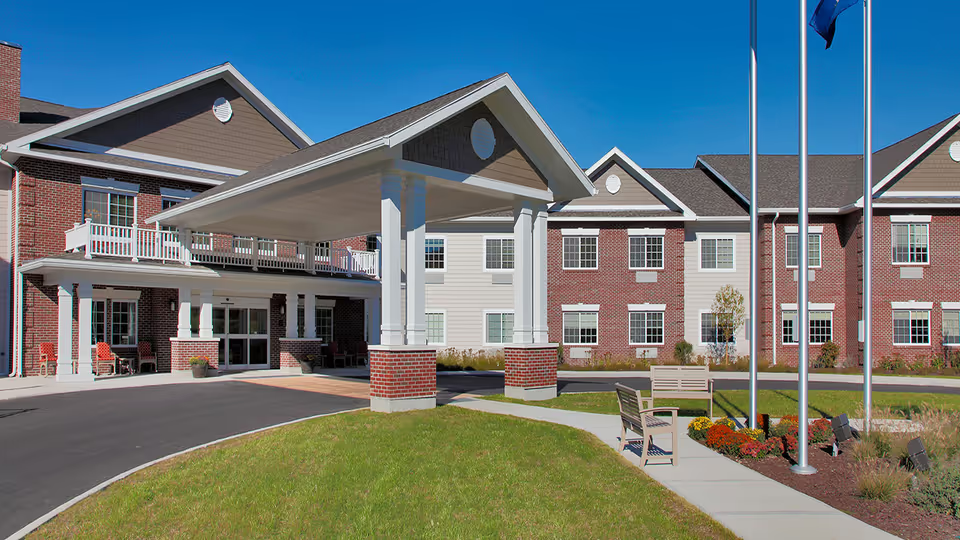
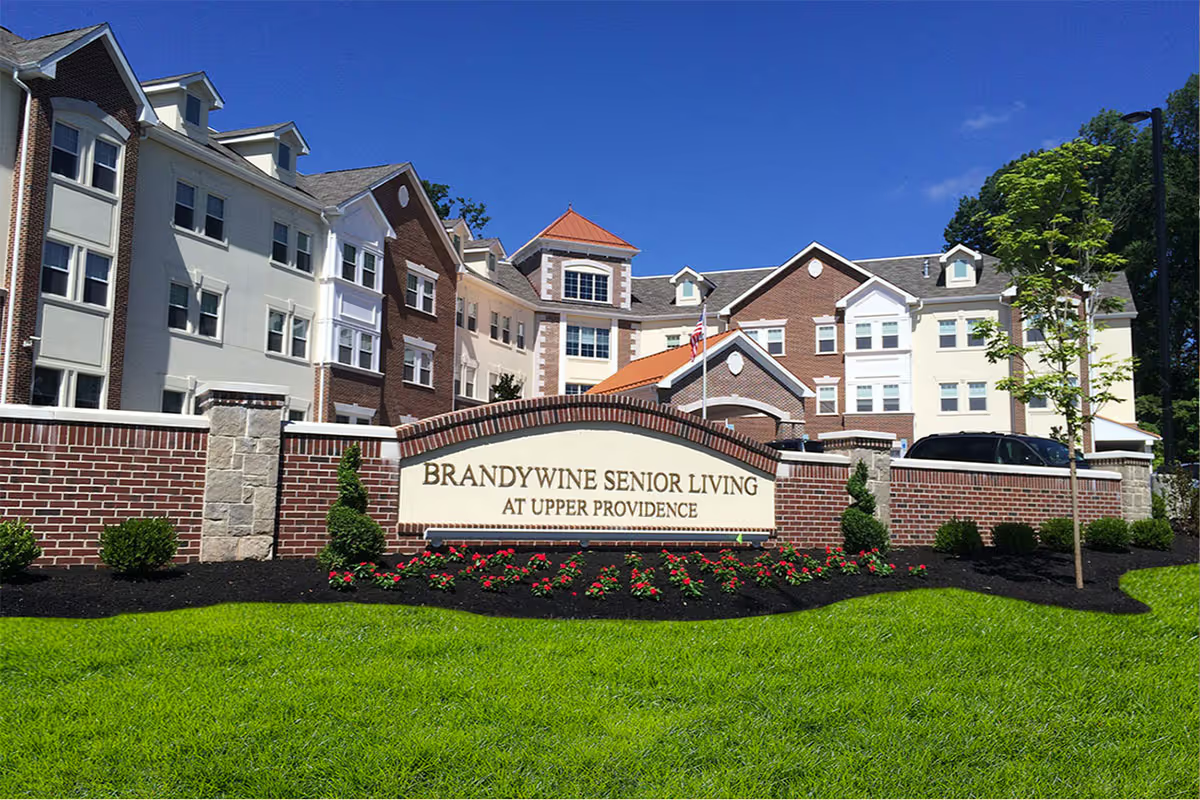
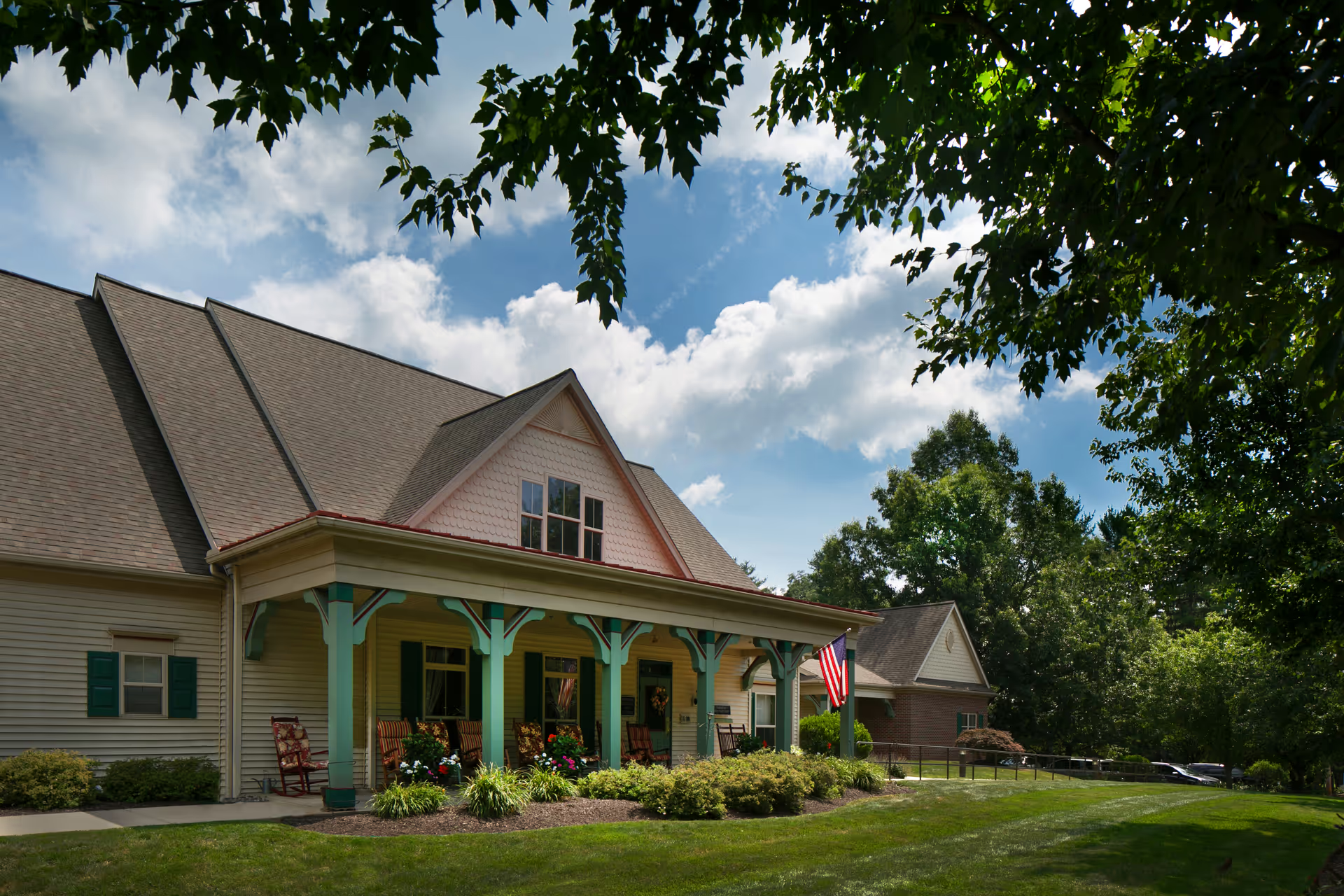
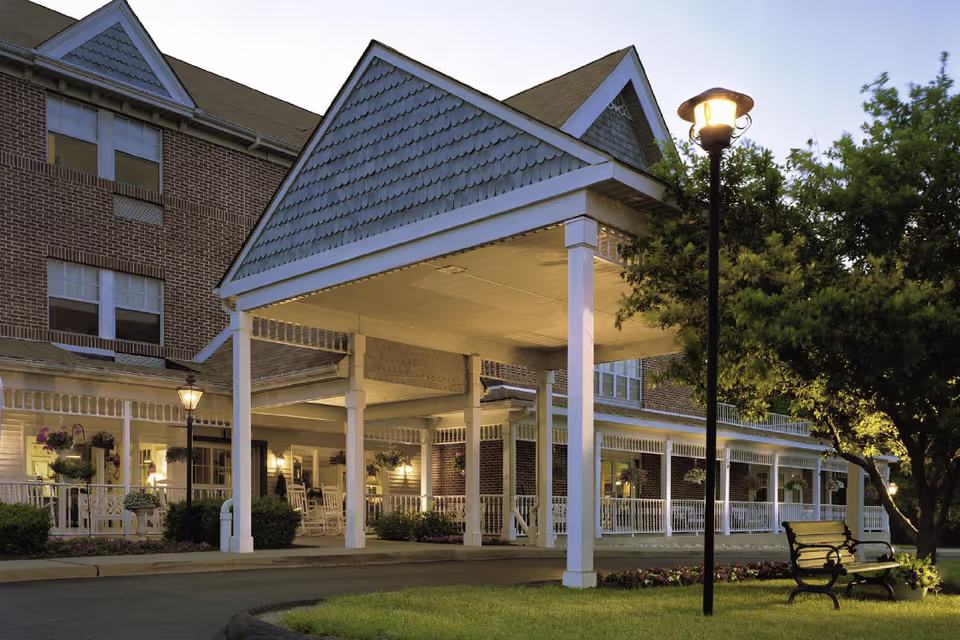
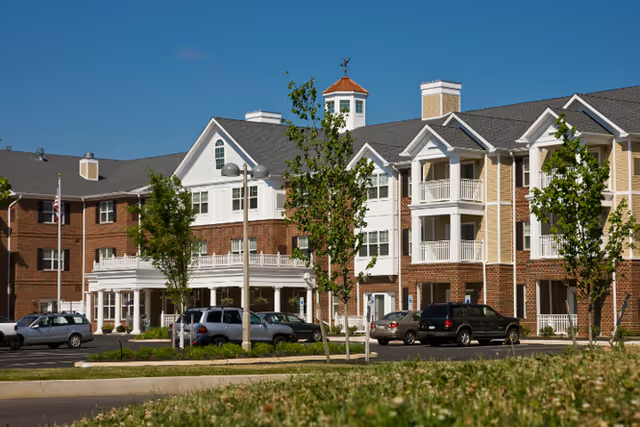
Shannondell presents as a large, resort-style continuing care community with extensive amenities and a highly active social program. The campus, grounds and common areas are repeatedly described as attractive, well maintained and hotel-like. Residents and visitors commonly praise multiple dining venues, a robust calendar of arts and recreation (theater, concerts, clubs, water aerobics, woodworking, and specialty groups), indoor pool and fitness centers, shuttle services, and spacious apartment layouts that include kitchens and in-unit laundry. Housekeeping and maintenance support, on-site medical offices, and security features contribute to a sense of convenience and safety for many residents.
Dining and activities are among the facility’s standout features: there are several restaurants and dining formats, dietitian oversight, complimentary visitor meals, and a large slate of lectures, performances and outings that support an engaged resident lifestyle. Many accounts characterize the food as excellent, attractively presented and varied; others note intermittent declines in temperature control or portioning and a tendency toward heavier sauces or takeout packaging. Prospective residents should verify current menus, meal-temperature practices, and plan options during touring.
Care and clinical services elicit mixed feedback. Numerous families and residents commend CNAs, nurses and on-site clinicians for attentive, compassionate care and effective therapy teams. Conversely, there are recurring operational concerns: variability in clinical-care consistency between units, uneven rehabilitation intensity and weekend therapy availability, medication and pain-management delays in isolated cases, and instances of rushed or poorly coordinated discharge planning. Staffing levels and turnover are frequently cited as contributors to delayed responses for assistance and occasional shortfalls in timely care. These patterns suggest that clinical experience can differ substantially depending on unit, shift and timing; families should ask for current staffing ratios, therapy schedules, and discharge protocols when evaluating placement.
Operational and management themes are similarly mixed. Many reviewers describe professional, welcoming staff and proactive wellness nurses; others describe lapses in communication, package handling, privacy controls, and occasional discourteous interactions with individual employees. Concerns about additional fees, periodic price increases, and variable transparency around extra charges are noted, which may affect budgeting despite flat-fee models for some services. There are also logistical constraints such as limited visitor parking at peak times. Given the range of experiences, prospective residents and families should obtain written details on fee structures, grievance and feedback processes, privacy and security measures, and family-notification procedures.
Overall, Shannondell is characterized by high-quality facilities, abundant programming, and strong resort-like amenities that many residents find desirable. At the same time, there is a clear signal that clinical care, rehabilitation outcomes, staffing stability, and certain operational practices can be inconsistent. Those considering Shannondell would be well served by focused questions during tours about current staffing levels, therapy availability (including weekend coverage), clinical protocols for medication and pain management, cleaning and infection-control standards, and a transparent breakdown of fees and expected out-of-pocket costs. A targeted review of the specific care unit under consideration (independent living vs assisted living vs skilled nursing/rehab) and conversations with current residents and families can help clarify whether the community’s strengths align with an individual’s care needs and expectations.