Reviews describe a mixed clinical picture in which the facility's therapy and medical teams receive consistent praise while nursing and aide-level care is variable. Physical and occupational therapy are frequently singled out as strengths: families note personalized PT/OT plans, twice-daily sessions for some patients, and measurable rehabilitation progress. The physician and some medical staff also earn positive comments for responsiveness and clear updates.
At the caregiver level, accounts diverge. Many families describe compassionate, attentive CNAs and helpful nursing interactions; others describe slow response times to call bells, inconsistent assistance with activities of daily living, and variability in staff competence. Staffing levels emerge as a core operational concern: low caregiver-to-resident ratios, staff working primarily at the nurses' station rather than bedside, and reports of hurried aides contribute to delays in toileting, repositioning, and medication administration. Several reviews characterize dementia care as an area needing stronger clinical expertise and programmatic support.
Infection control, sanitation, and general housekeeping present a mixed picture. Numerous reviewers praise clean, well-maintained common areas and a homey atmosphere in parts of the building, while others identify sanitation and incontinence-care concerns in specific units and occasional odor issues. There are also comments indicating gaps in infection-control practices. Relatedly, safety-focused practices such as fall prevention and skin-integrity monitoring are described as inconsistent, which some families linked to adverse clinical events.
Dining and meal service show variability as well. Some residents and families report good, tasty meals and appropriate therapeutic diets (for example, improvements for diabetes management), while other accounts cite cold or inedible food, trays left unattended, and milk or meal-service coordination lapses. The facility has a dietician on staff, and at least some families report responsiveness to dietary issues.
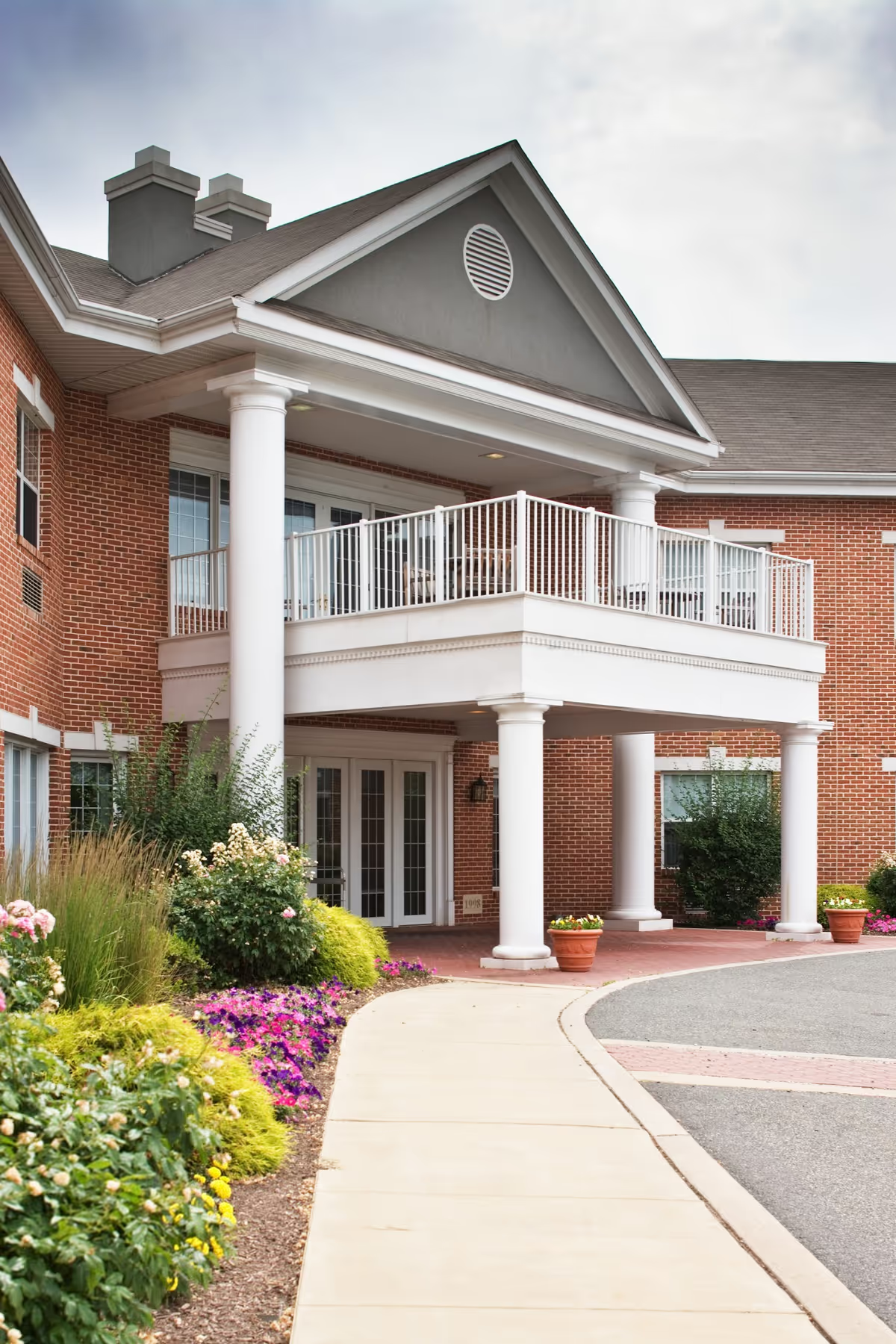
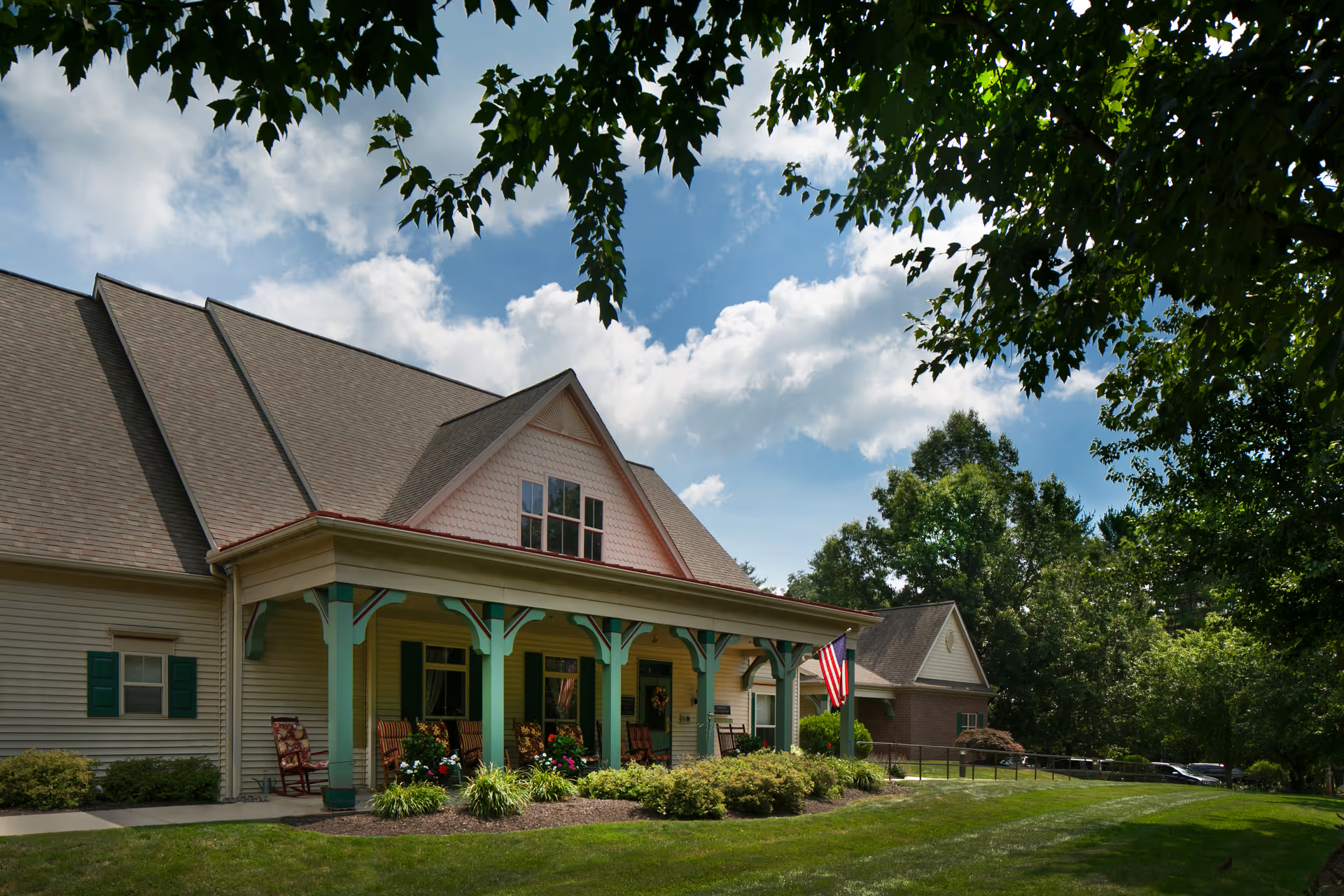
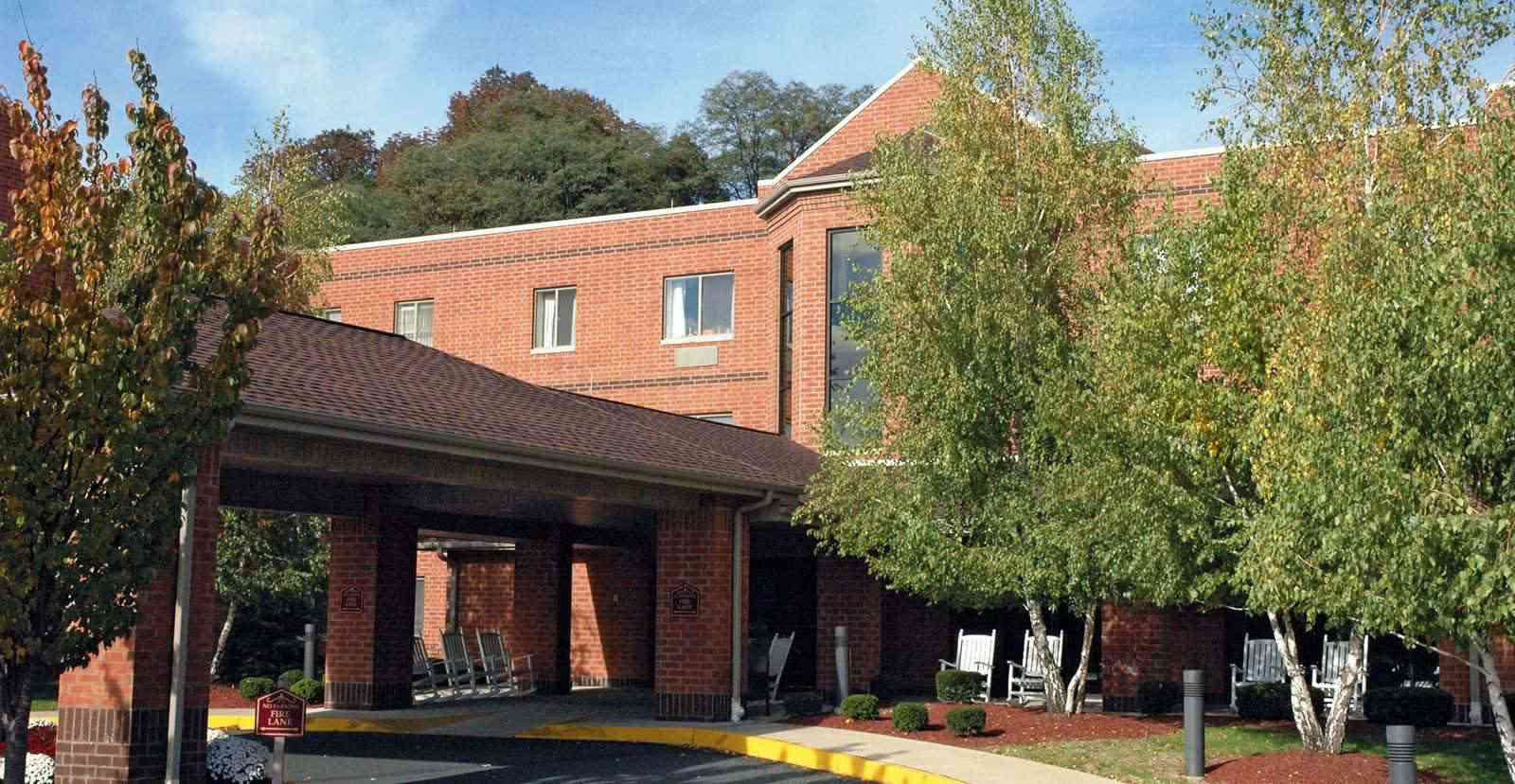
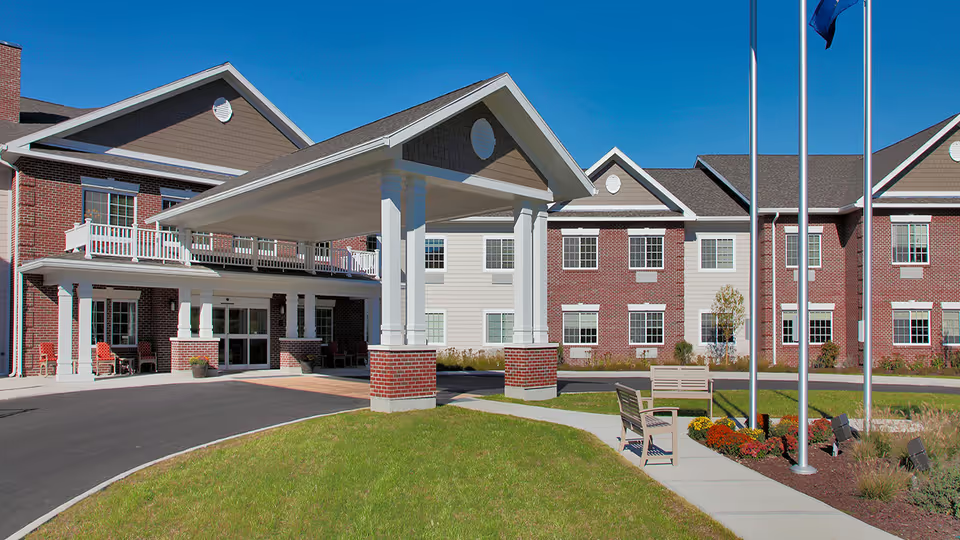
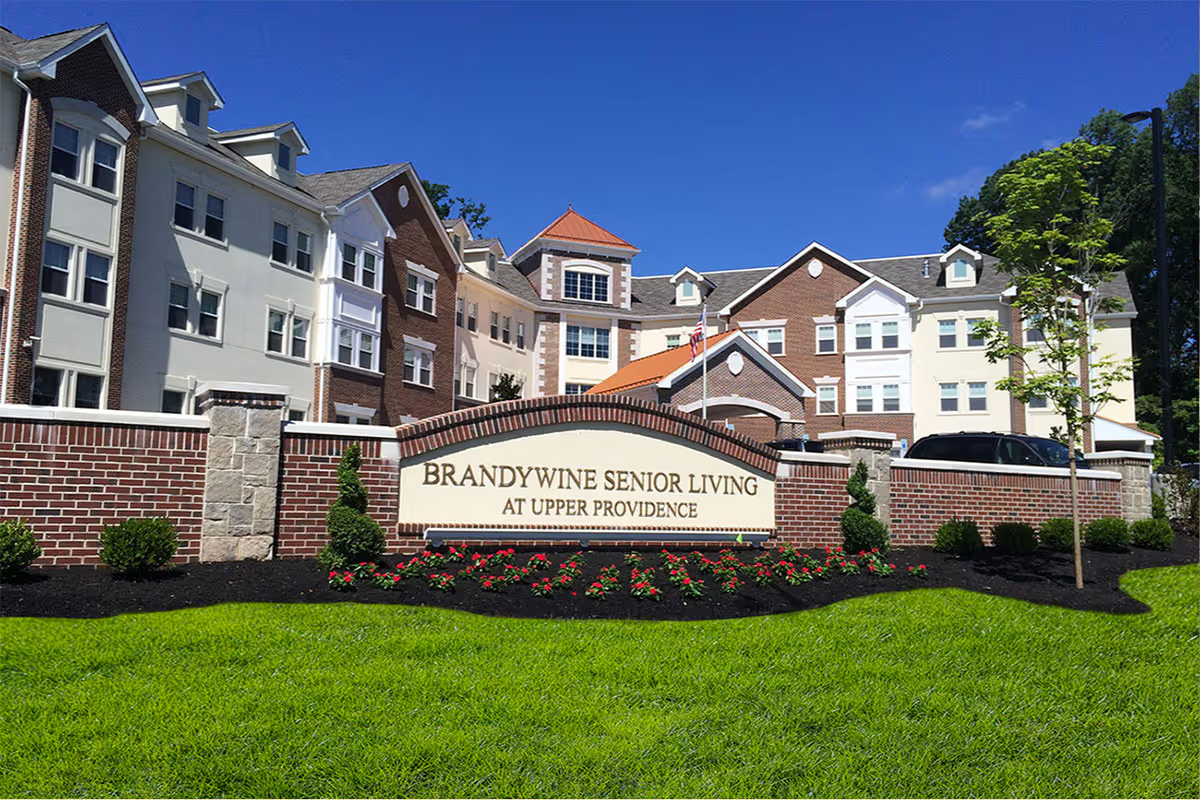
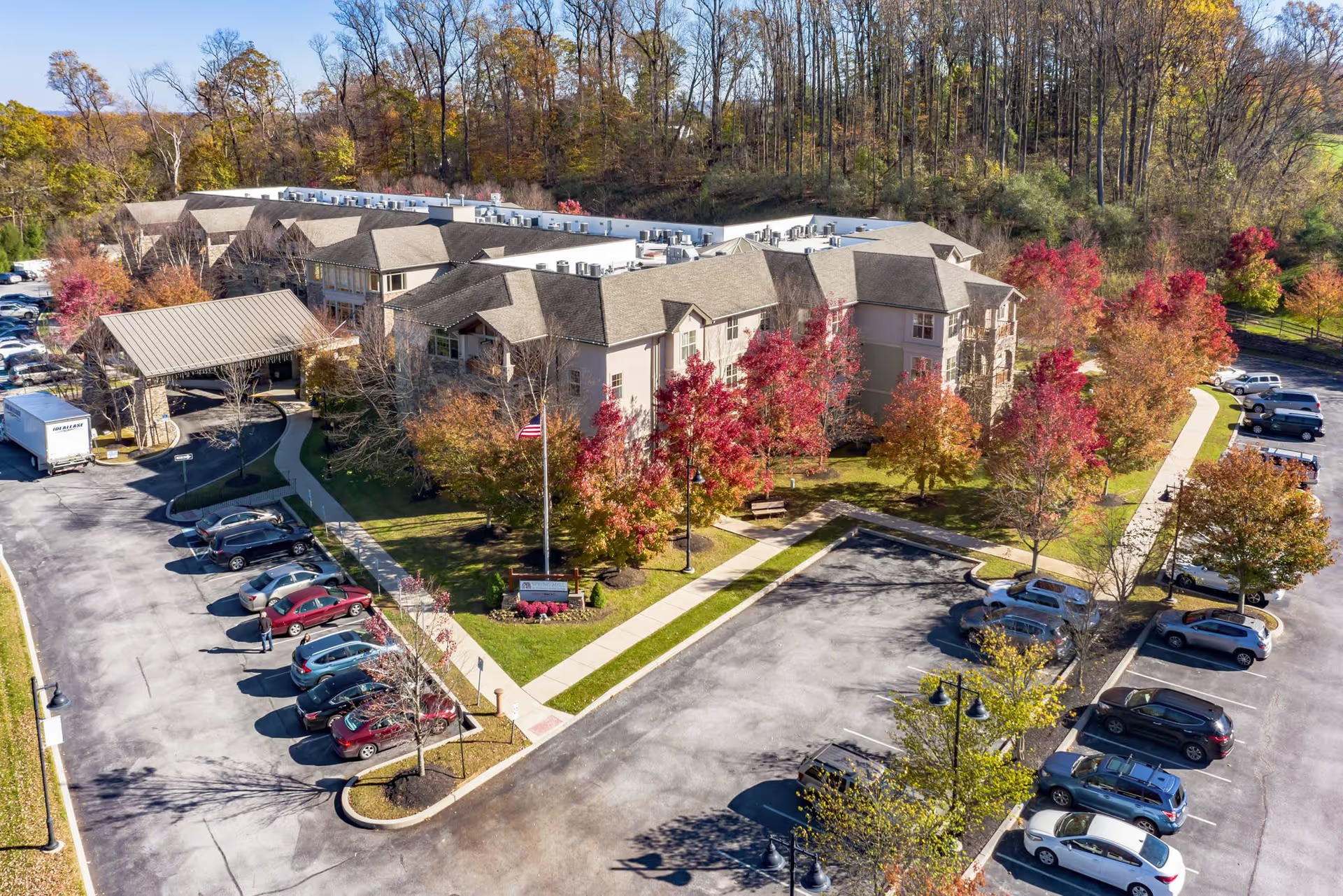
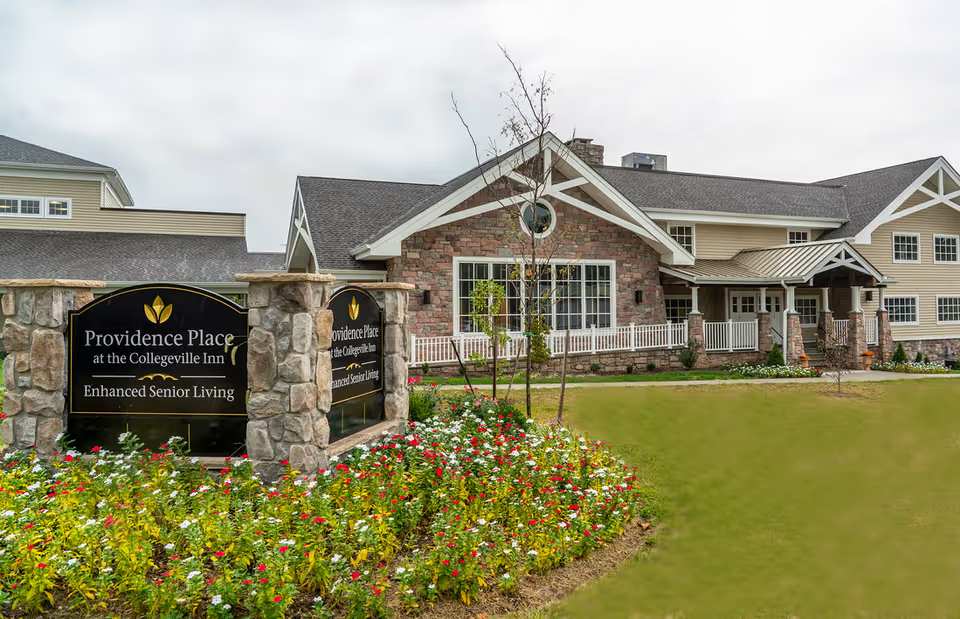
Facility features and activities are generally seen as strengths. The campus is frequently described as bright, clean, and comfortable with engaging recreational programming tailored to resident abilities. Families commonly praise the front desk and check-in process and note pleasant communal spaces. At the same time, the physical layout — cramped hallways, frequent equipment and cart traffic, and small double-occupancy rooms — is described as limiting accessibility and privacy in some areas.
Management and communication practices are inconsistent across reviews. Some families describe excellent communication, helpful social services, and clear coordination of care; others report difficulty reaching staff, delayed or conflicting nursing responses, dysfunctional social-services interactions, and problems with discharge or transport coordination. There are isolated but serious clinical concerns described, including an alleged diagnostic oversight and cases that prompted emergency care; these accounts underscore the importance of clarifying clinical oversight and escalation pathways before placement.
Taken together, the pattern is one of strong rehabilitation and medical-subspecialty capacity paired with variability in caregiver staffing, operational reliability, and certain clinical safety processes. Prospective residents and families may find this facility well suited for short-term rehabilitation needs and therapy-focused stays, but those considering long-term placement or requiring specialized dementia care should evaluate staffing levels, dementia-care programming, infection-control practices, meal-service continuity, and discharge processes during their tour and ask for specific, current metrics on staffing, incident response, and clinical oversight.