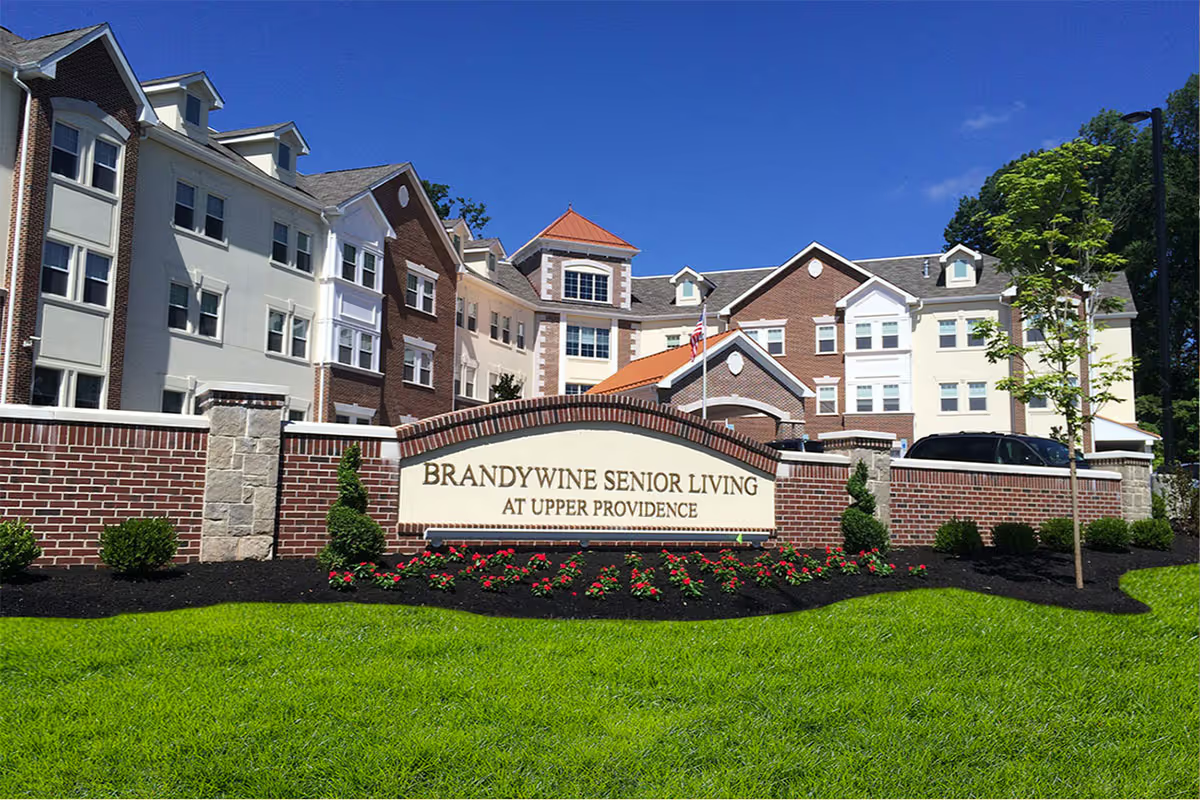
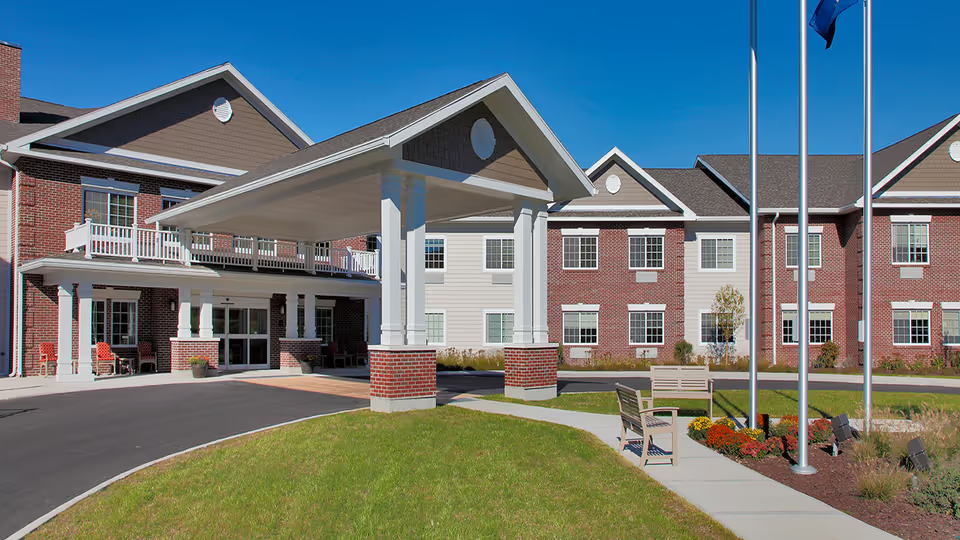
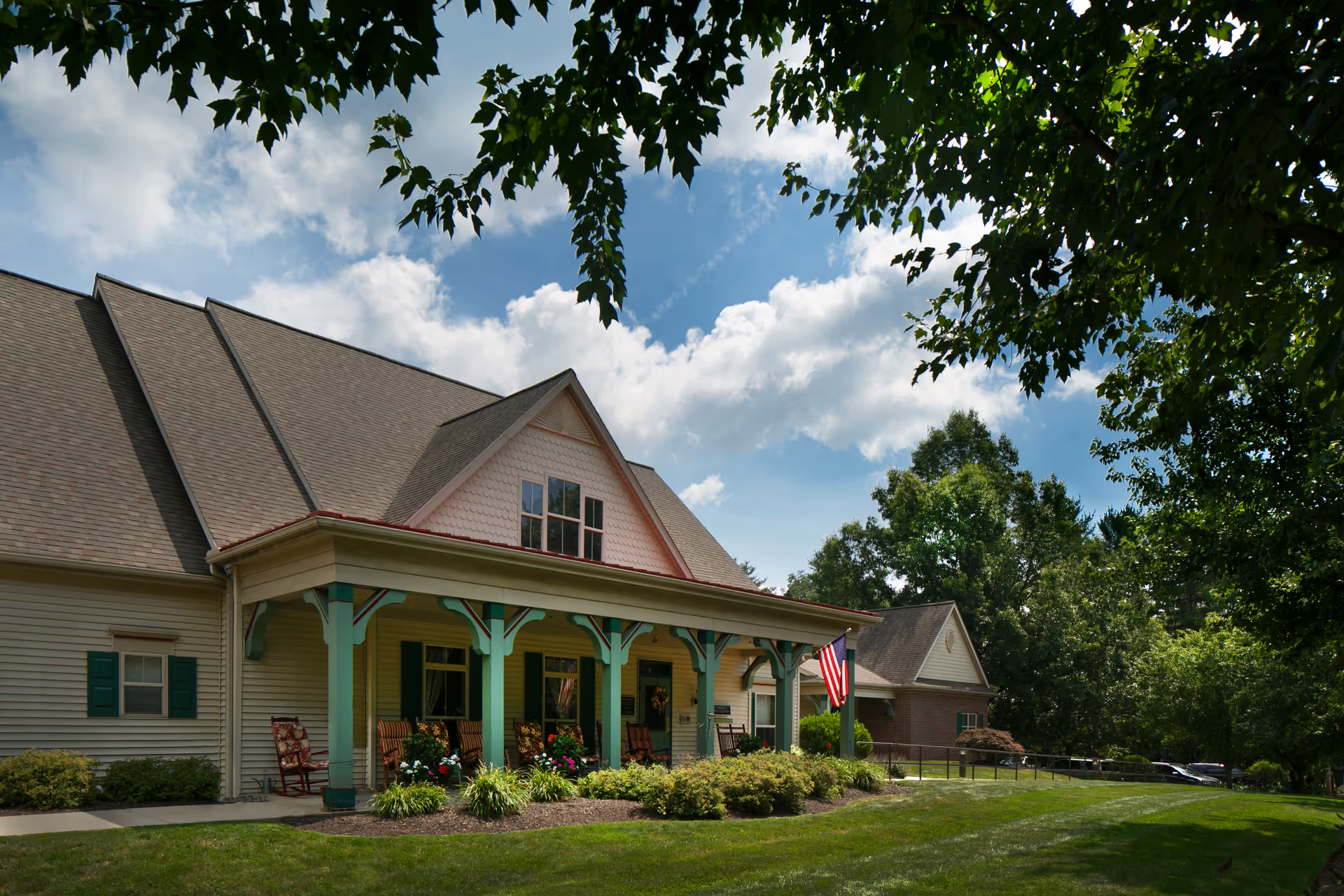
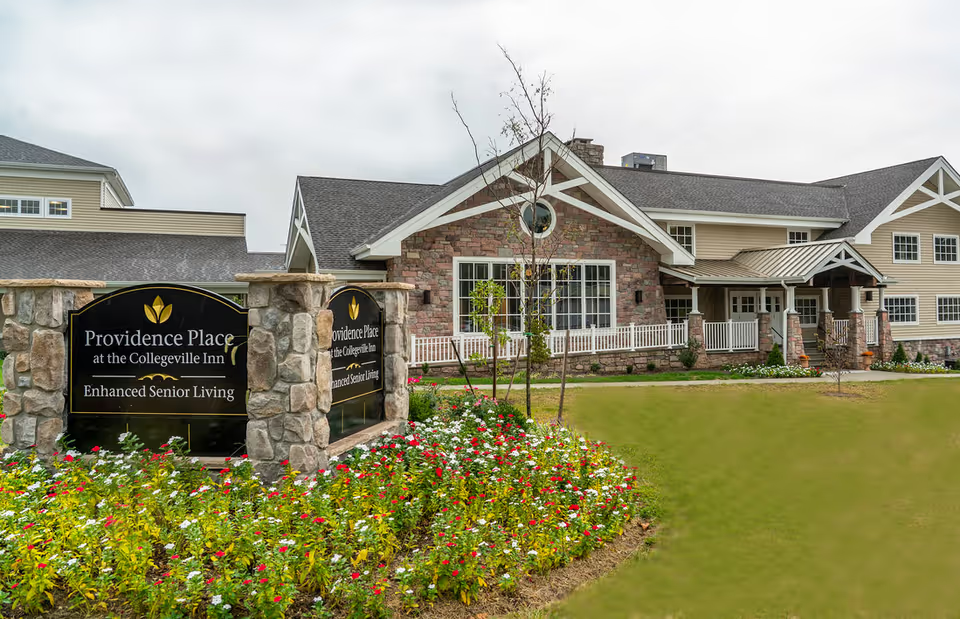
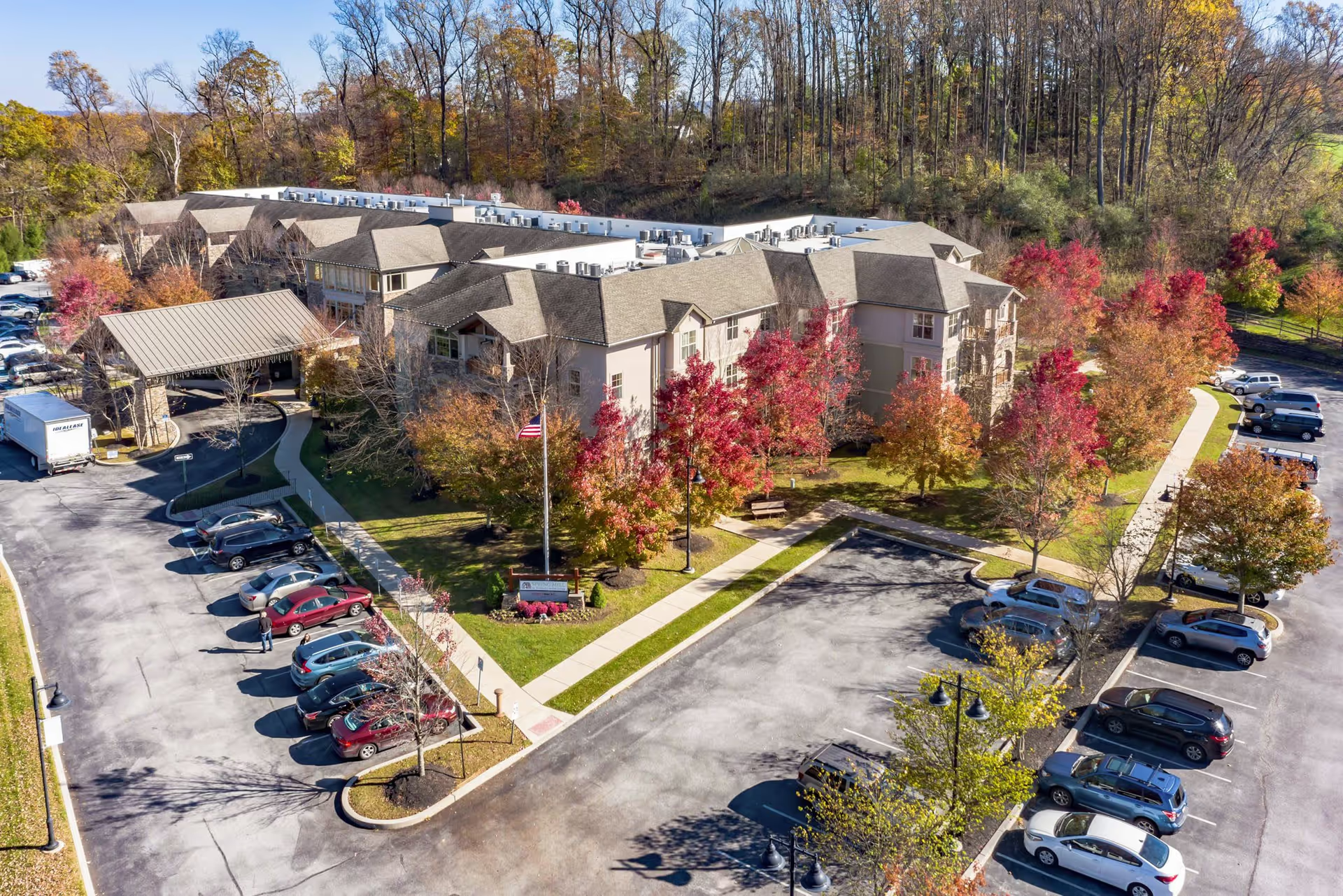
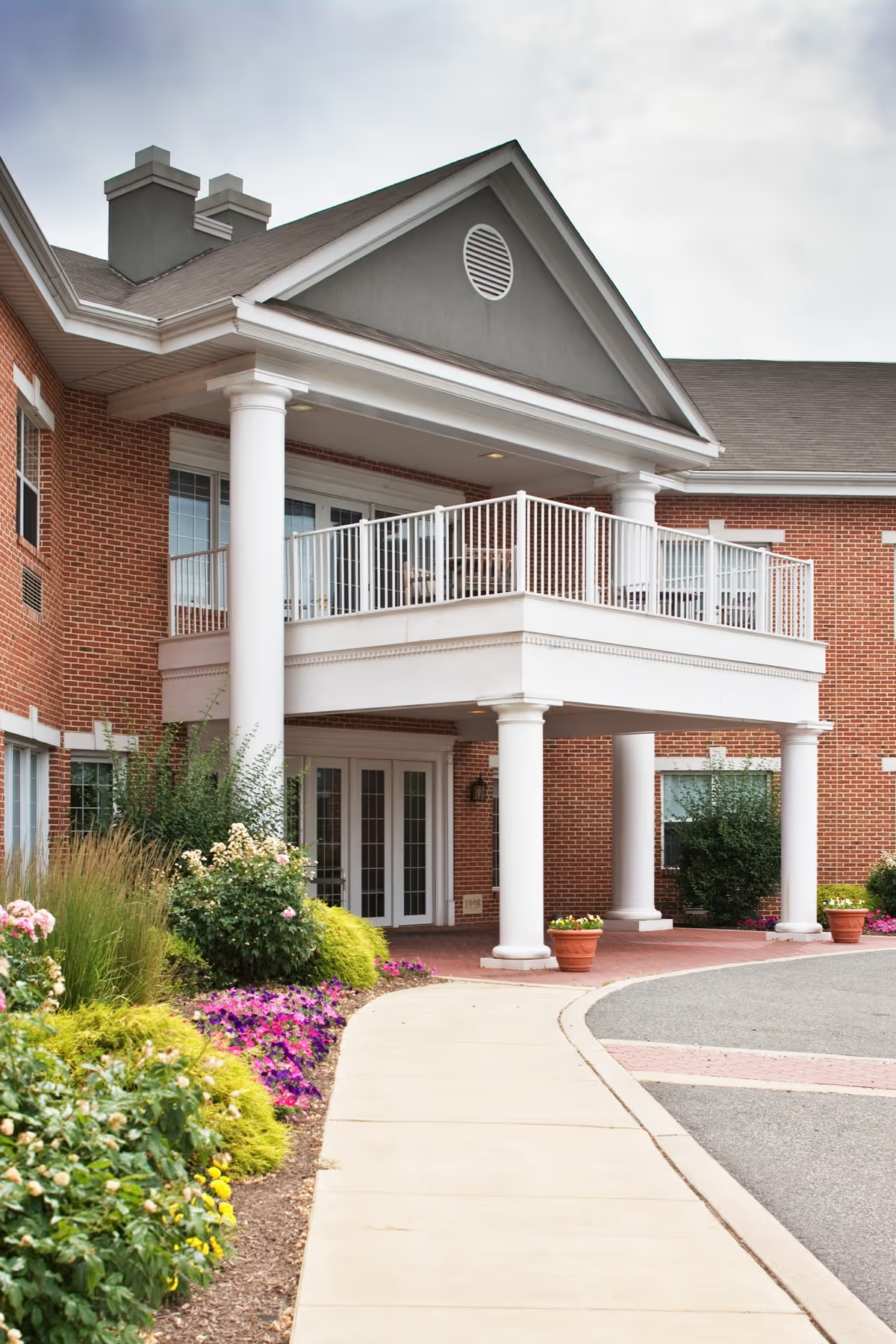
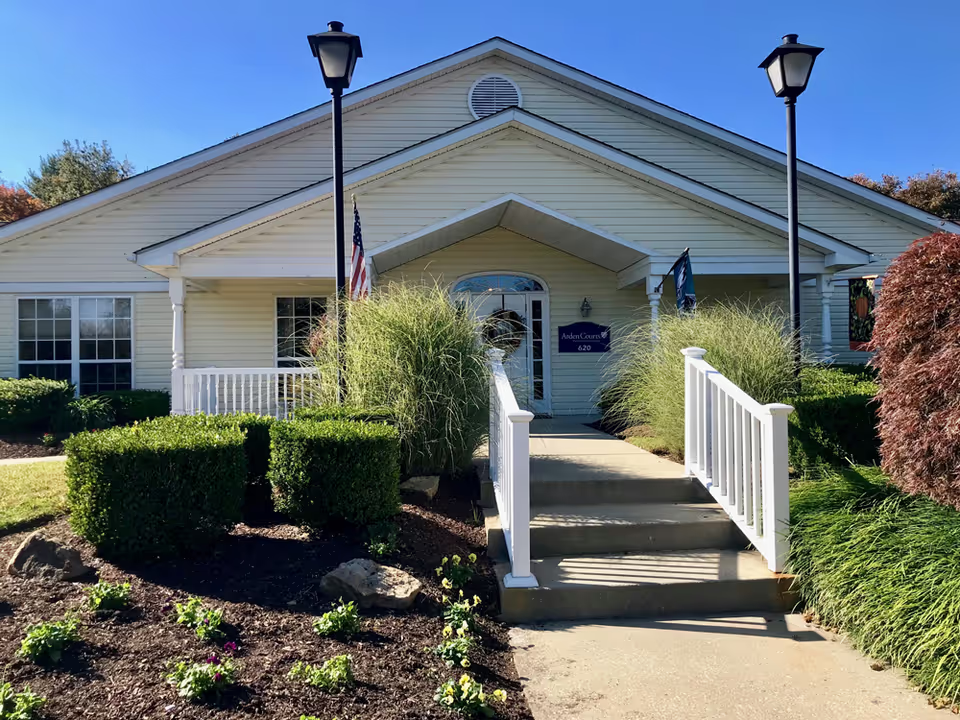
The reviews present a facility with notable contrasts: areas of genuinely attentive, skilled caregiving and effective short‑term rehabilitation coexist with recurring operational weaknesses. Many families and visitors praised specific staff members, long‑tenured caregivers, an engaged activities coordinator, and a welcoming reception team. Positive accounts emphasize successful rehab outcomes, supportive case management, useful volunteer involvement, and attractive outdoor space that contributes to resident wellbeing. For some residents and units — particularly on certain floors and during specific shifts — the facility appears to provide a safe, respectful, and recovery‑oriented environment.
At the same time, a pattern of systemic issues recurs across multiple accounts. Staffing levels and staff stress were frequently cited as underlying causes of several problems: inconsistent clinical oversight (including questions about RN coverage), medication‑management and documentation gaps, and delays in basic personal‑care assistance. Families described situations that indicate weaknesses in routine monitoring and supervision (for example, missed checks and residents left unattended in common areas), which raise broader concerns about resident safety and the facility’s ability to sustain continuous observation for higher‑needs residents.
Cleanliness and maintenance are uneven across the building. Some units — and the first floor in particular — received positive notes for being clean and organized, while other wings were described as outdated and suffering from sanitation and housekeeping lapses, limited second‑shift cleaning, and maintenance problems such as elevator reliability, peeling paint, and aging furniture. Dining experiences were similarly mixed: a number of reviews mentioned acceptable food and helpful dietary staff, but others described crowded dining, ad hoc feeding in non‑dining areas, and inconsistent meal quality and supervision.
Management and organizational practices are another recurring theme. Several reviewers linked a perceived decline in quality to ownership and management changes and expressed concern about prioritization of higher‑revenue rehab placements over long‑term residents. Communication and responsiveness to family concerns were described as inconsistent; some families reported accessible leadership and accountable nursing leadership, while others experienced delays or unsatisfactory answers to complaints. Additional operational issues included mislabeling or loss of personal belongings, security gaps around supplies and resident property, and variability in program quality between units and shifts.
For prospective residents and families: the facility can offer strong, compassionate care in the right circumstances, especially for short‑term rehabilitation and when placed on well‑staffed units with engaged staff and leadership. However, variability in staffing, clinical oversight, sanitation, maintenance, and family communication suggests the need for careful pre‑admission evaluation. A thorough walk‑through, clear written care plan, explicit confirmation of RN and therapy coverage, and agreed documentation practices for medications and personal belongings are prudent steps before admission. Families should also ask about unit‑specific staffing patterns and escalation pathways for clinical or environmental concerns.