Reviews reflect a distinctly mixed picture of clinical strengths and operational weaknesses. The facility appears to offer a strong ventilator program: reviewers specifically praise round-the-clock respiratory-therapist support and knowledgeable staff for ventilator-dependent residents. Several family members highlighted compassionate bedside nursing and leadership that they found attentive and willing to go beyond baseline duties. These positive descriptions suggest the facility can provide specialized respiratory services at a high level for appropriate patients.
At the same time, there are repeated concerns about general care processes and staffing. Multiple accounts raise issues with staffing levels and high patient-to-staff ratios, which reviewers link to inconsistent room checks, delayed responses to call bells, and variability in routine care tasks. Tone and communication from some staff were described as brusque or dismissive by some families, while others praised specific caregivers and the director; this points to uneven professionalism and variable resident–family interactions across shifts or units.
Safety and clinical operations emerged as a prominent area of concern. Reviewers described examples that indicate gaps in emergency escalation and transfer protocols, delays in urgent interventions, and equipment-management lapses. These accounts imply the need to review the facility's incident-response procedures, equipment checks, and escalation pathways. Falls and transfer-safety shortcomings were also noted, suggesting opportunities to strengthen fall-prevention practices and staff training for transfers.
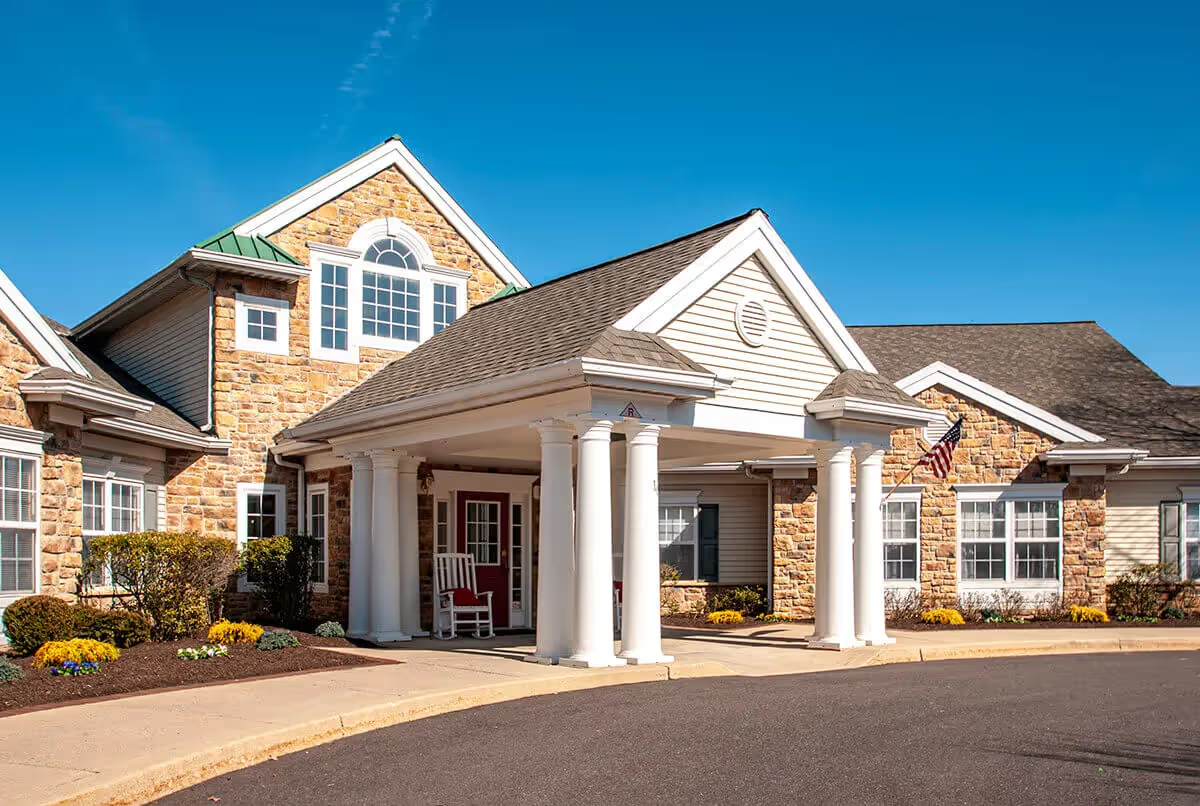
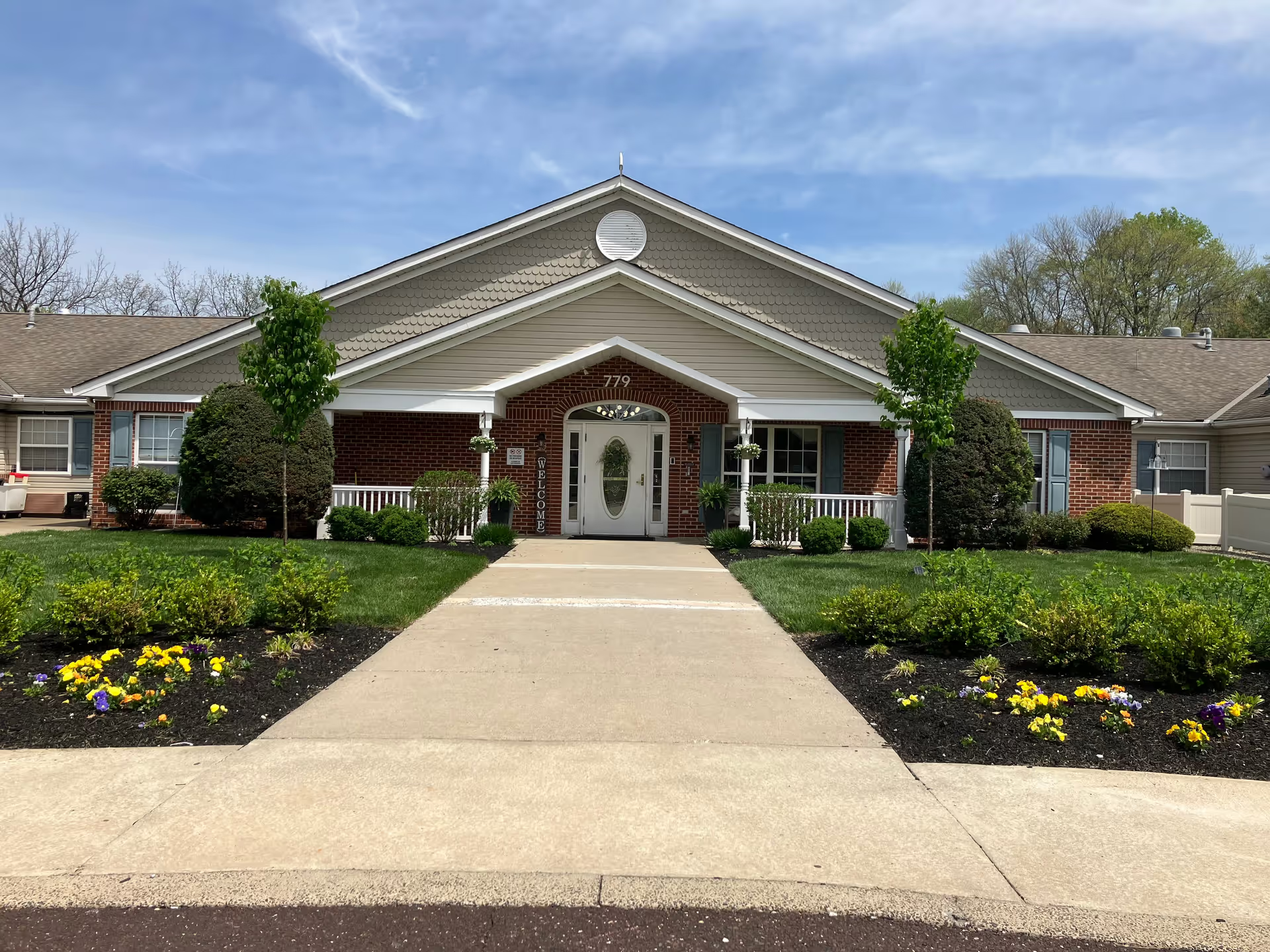
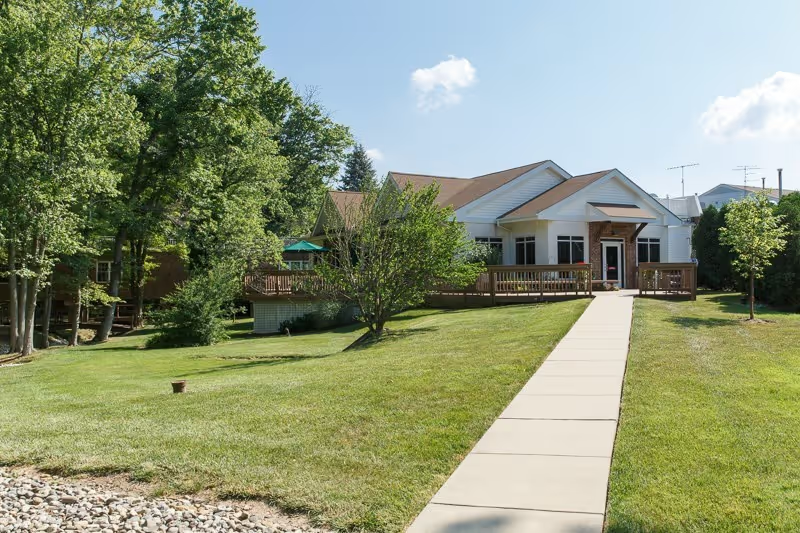
Facility condition and environmental services are additional problem areas. Multiple reviewers noted sanitation and odor-control deficiencies, inconsistent room cleaning, and language barriers that complicated housekeeping interactions. Observations about aging infrastructure, unlocked doors, and exposed or inadequately managed equipment point to maintenance and safety oversight needs. These environmental issues may affect resident comfort and perceived quality of life.
Management and operational stability are mixed in the reviews. Some families singled out effective leadership and praised specific administrators or teams, while others described poor responsiveness from upper management and even mentioned an announced or potential facility closure. The possibility of changing operational status raises concerns about continuity of care and staffing stability; prospective residents should verify current licensing, ownership, and closure plans directly with the facility and regulators.
Dining and activities received little specific commentary in the available reviews. Given the broader concerns about staffing and housekeeping, prospective families may wish to ask directly about meal routines, therapeutic and recreational programming, and how those services are maintained during staffing fluctuations.
Taken together, the pattern suggests a facility with demonstrable strengths in specialized respiratory and ventilator care but with notable weaknesses in general nursing responsiveness, safety oversight, sanitation, and operational stability. Families considering this facility should balance the programmatic respiratory expertise against the reported variability in day-to-day care and environment. Recommended pre-admission checks include confirming current staffing ratios, respiratory coverage hours, emergency-transfer protocols, recent inspection or complaint history, maintenance and infection-control practices, and contingency plans if the facility's operational status is uncertain.