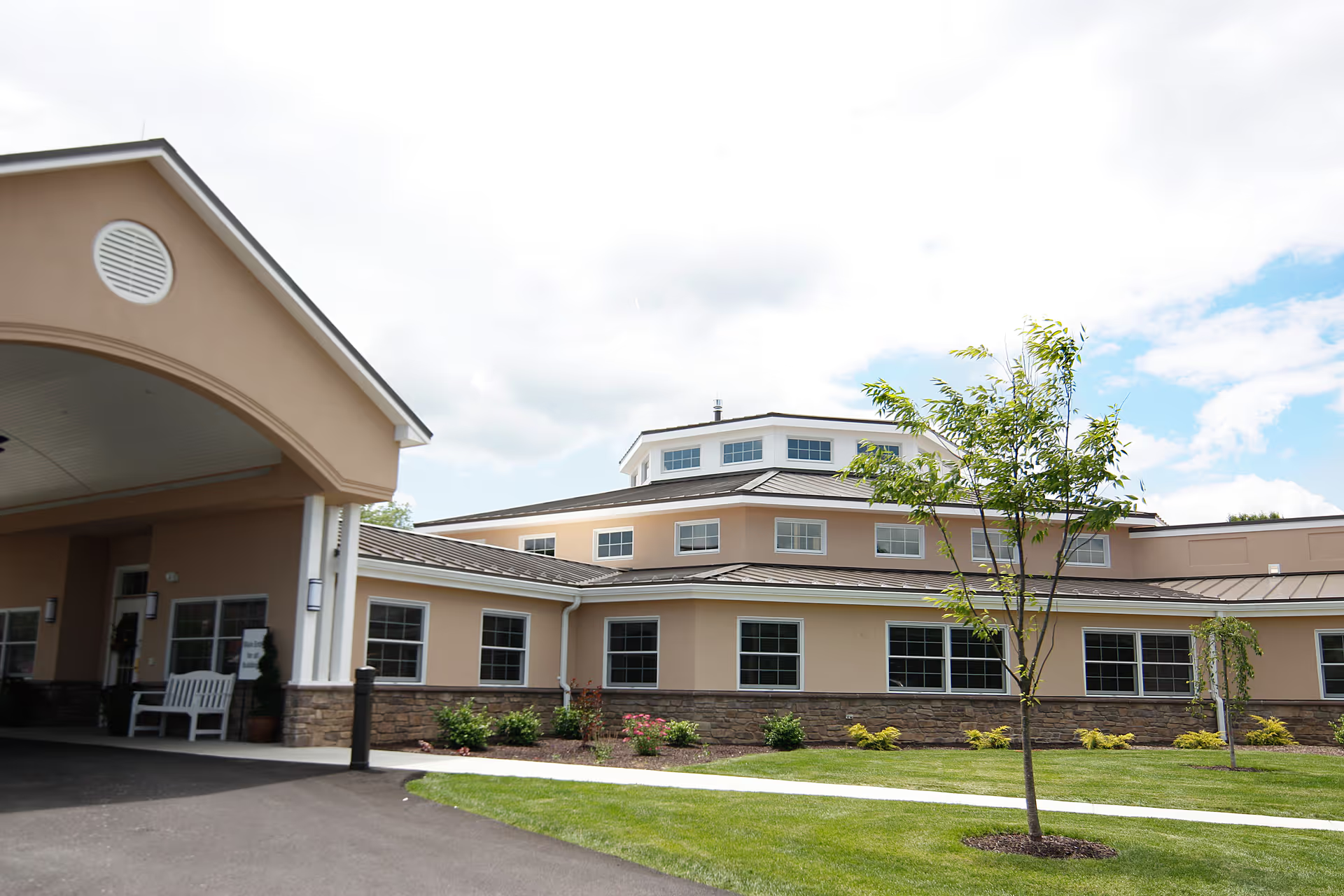
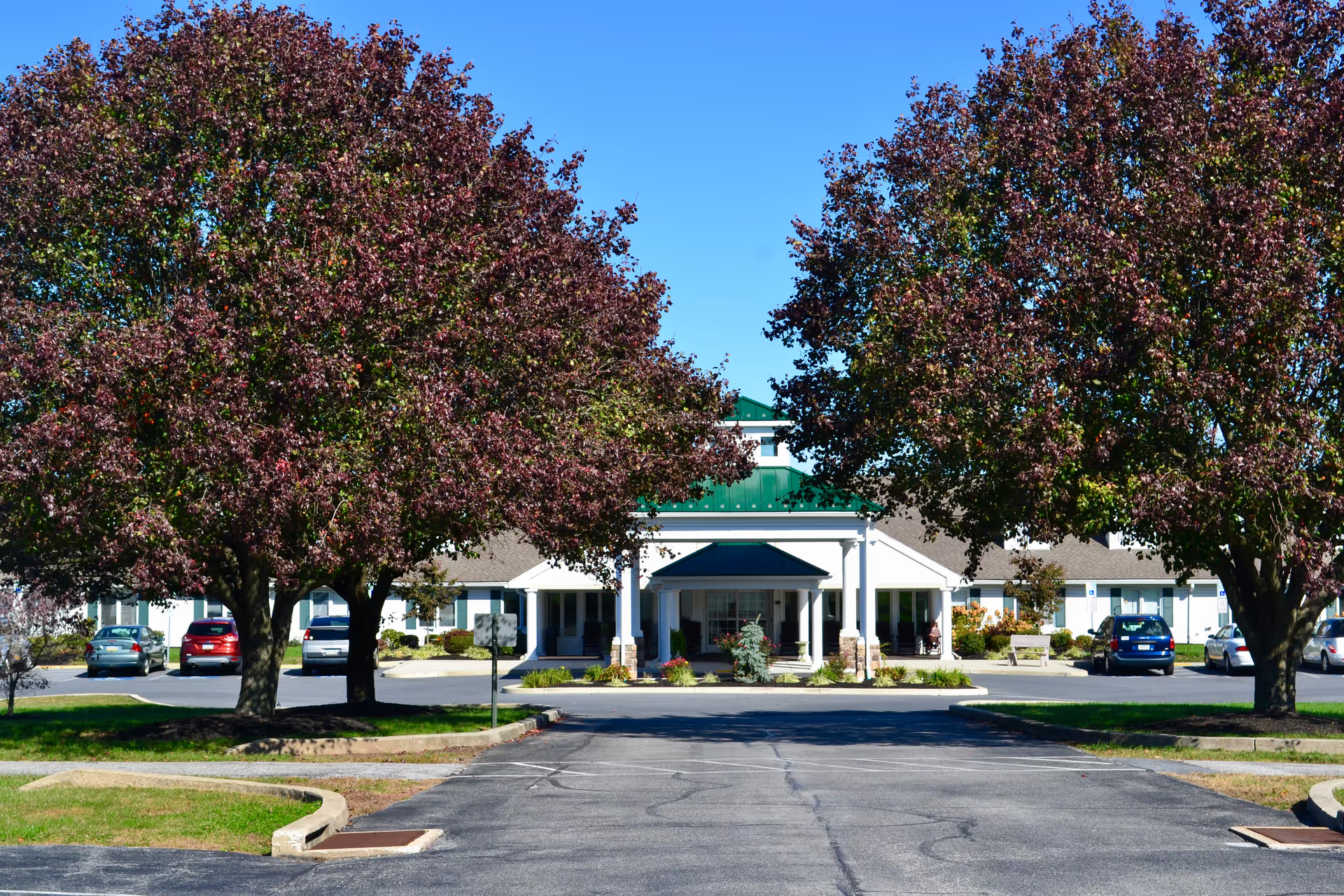
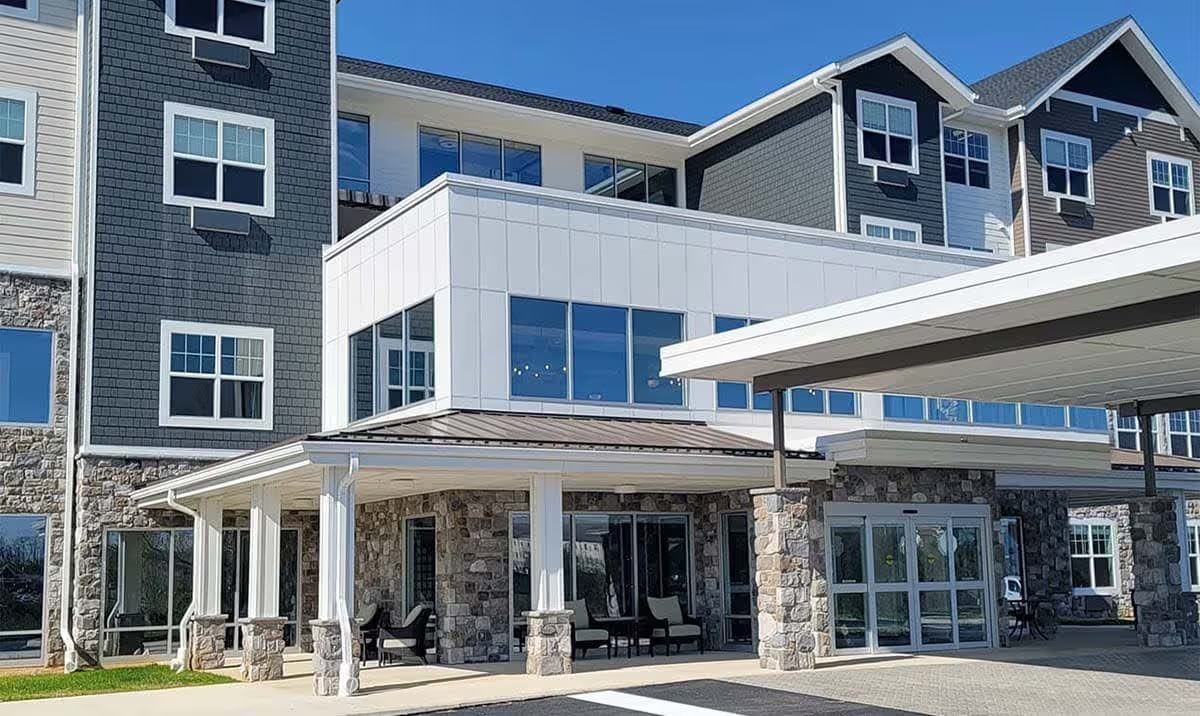
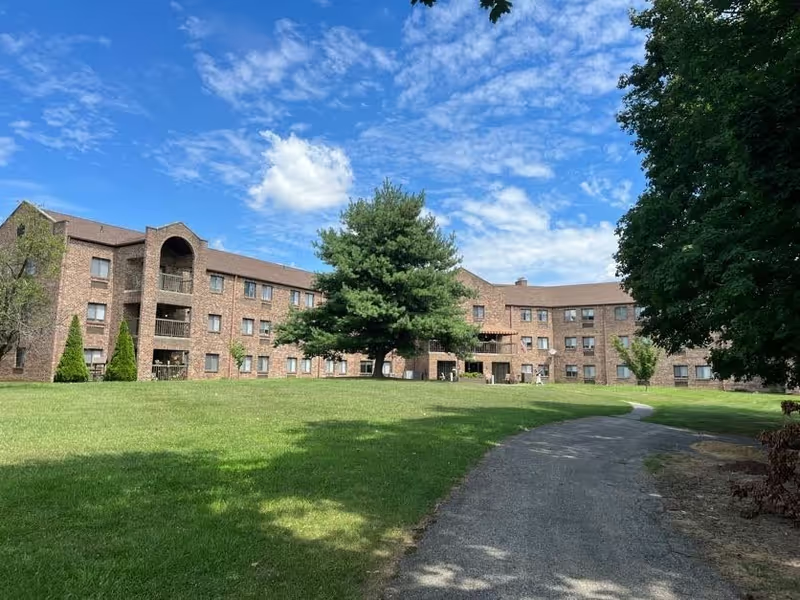
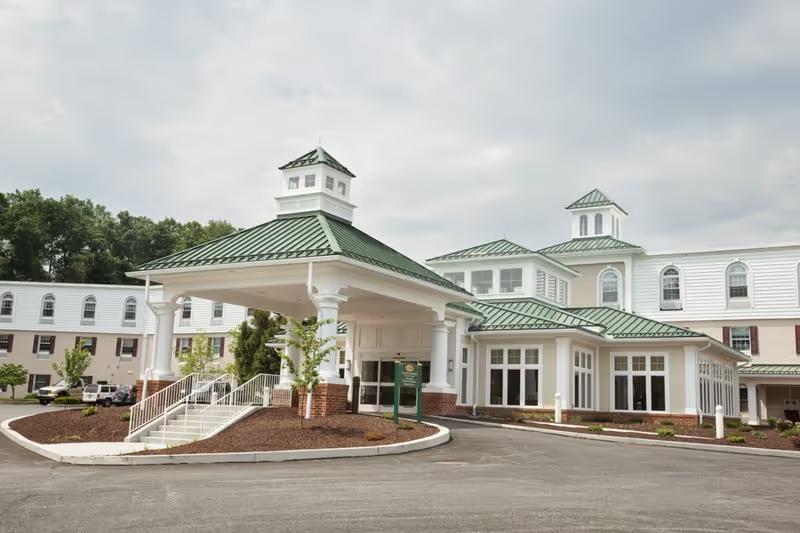
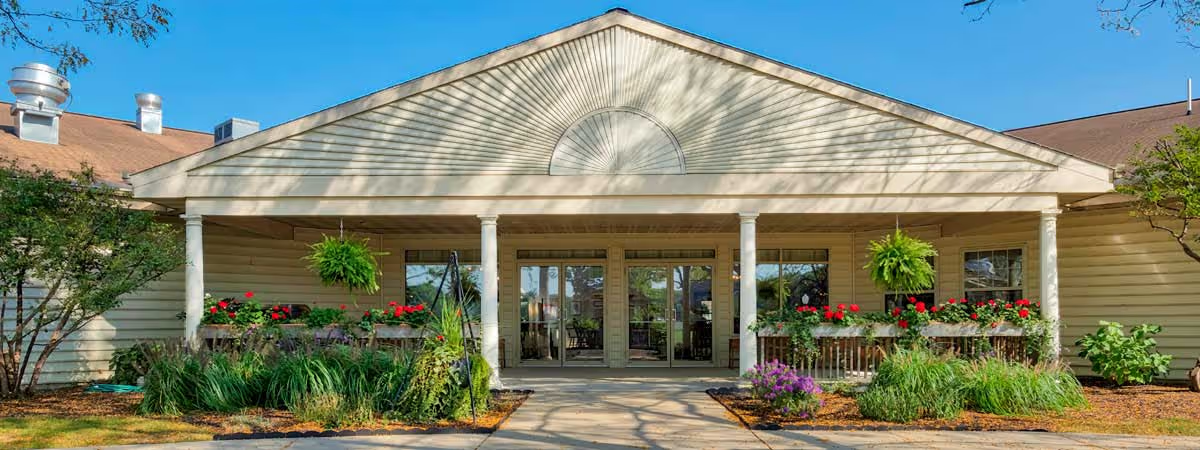
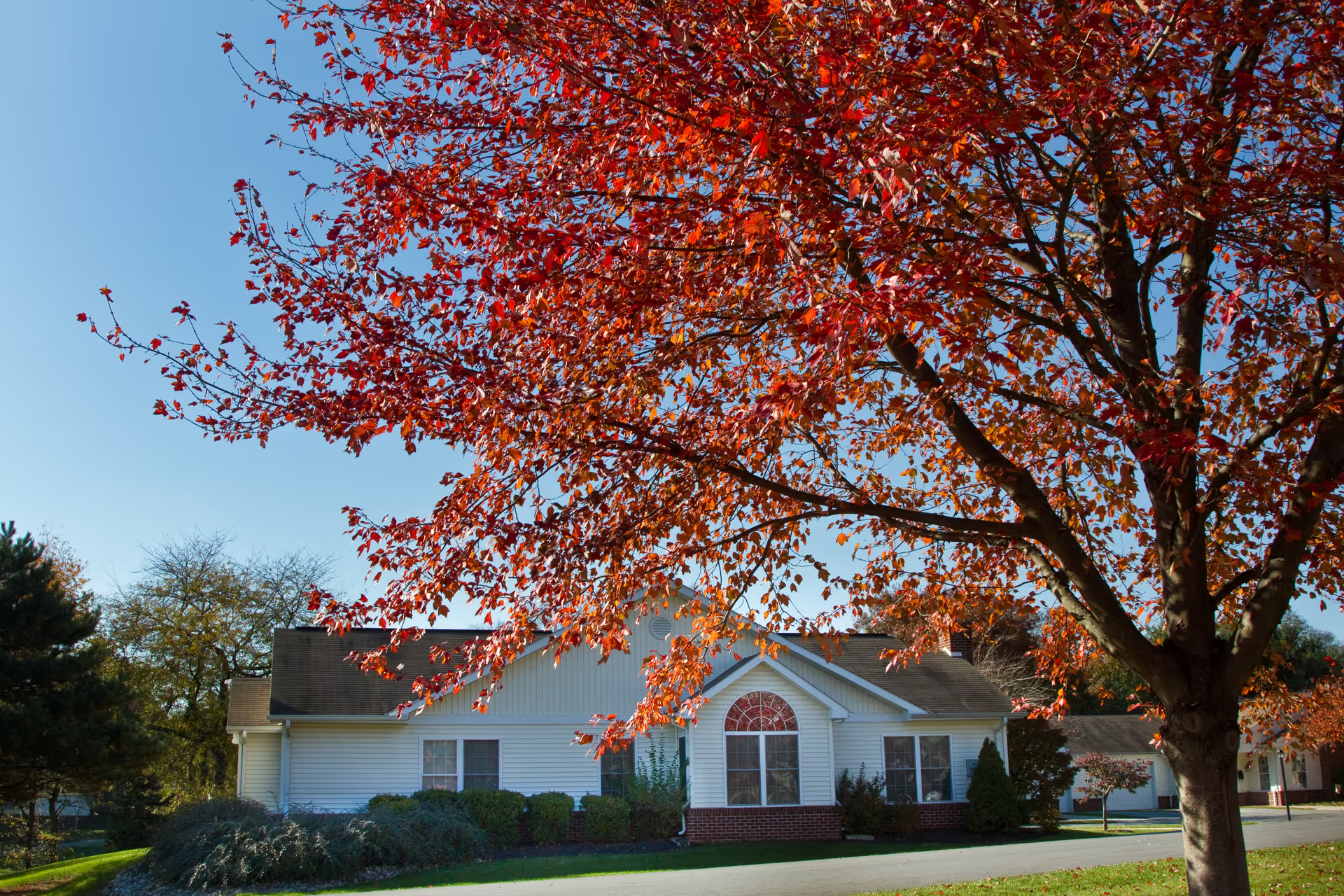
Normandie Ridge presents as a well-equipped continuing care retirement community with many attributes families commonly seek: modern apartments and cottages, a well-kept campus with walking trails and accessible common areas, on-site amenities such as a pool and Patriot Cafe, and a broad calendar of social, spiritual and wellness activities. Numerous accounts emphasize a hospitable, family-like atmosphere where staff know residents personally and volunteer support for transitions and move-ins is strong. The community-based features — transportation, pharmacy services, multiple dining venues, and standing spiritual programs — contribute to residents’ stated sense of safety, social connection, and “worry-free” living.
Clinical care at Normandie Ridge shows a mixed but coherent pattern. Several descriptions highlight effective short-term rehabilitation and skilled therapies that supported recovery and improved mobility, along with compassionate performance in memory care and end-of-life support. At the same time, reviewers note inconsistent nursing continuity and therapy scheduling: there are reports of gaps in therapist availability, delayed bathing or hygiene assistance, and uneven pain-management experiences. These comments suggest variability in day-to-day clinical staffing and task execution rather than a uniformly applied standard of care.
Staff are a central strength and a central operational stressor. Many reviewers praise individual caregivers, nurses, and leadership for empathy, attentiveness and going “above and beyond,” creating a sense of belonging for long-term residents. Conversely, recurring themes point to understaffing, short-tempered interactions, and morale pressures — sometimes attributed to compensation levels and workload. These staffing dynamics appear to translate into service inconsistencies (delays answering call bells, slower response for needs) and occasional lapses in cleanliness or room turnover processes.
Dining and activities are frequently cited positives: food quality is often described as very good, with multiple meal venues, special events, and live entertainment. However, there are operational complaints about meal execution — incorrect orders, food not served at preferred temperature, and variability between dining experiences. Activities programming is robust and varied, including bingo, outings, chapel services, and wellness classes, supporting an active social life for independent residents.
Administrative and financial issues are notable patterns. Many reviewers appreciate hands-on leadership and supportive staff, but others describe difficulty getting administrative questions answered, phone/reception responsiveness gaps, and concerns around rising rents, fees (for example, room-hold charges), and insurance/provider acceptance. There are also isolated but serious allegations of exploitation and regulatory complaints; these merit direct follow-up with facility management and relevant oversight agencies to understand outcomes and corrective actions.
Overall, Normandie Ridge offers substantial positives for prospective residents seeking an active, campus-style continuing care community with rehabilitative resources and a strong social program. Prospective residents and families should weigh the consistently noted strengths in amenities, dining options, and individualized caregiver relationships against documented operational weaknesses: staffing variability, inconsistent clinical and housekeeping continuity, and administrative/financial transparency issues. For families considering the community, recommended next steps include: touring multiple housing types, meeting clinical leadership to discuss staffing models and therapy scheduling, reviewing contract and fee language closely, and asking for documentation of any regulatory actions or corrective plans related to the more serious allegations.