The review set describes a facility with pronounced polarities: aspects of daily life and the physical environment are frequently praised, while operational and clinical consistency are areas of concern. Many comments highlight a lively social environment, engaging programming (including gaming and group discussions), attractive common spaces and grounds, and a cottage-style housing option. Several reviewers praised the therapy team, particular food items, cleanliness of resident rooms, and the overall sense of security and community among residents.
Care quality and clinical operations received mixed assessments. Positive comments point to caring nurses and CNAs and effective physical-therapy follow-up. However, other accounts reflect inconsistent clinical performance, including instances that families considered unsafe or poorly managed. These accounts suggest gaps in medication-management practices and clinical-incident response; a small number of accounts referenced situations that attracted regulatory attention. Overall, the pattern indicates variability in clinical outcomes rather than uniformly reliable clinical processes.
Staffing and professionalism emerge as a central theme. Reviewers describe dedicated, compassionate staff members alongside concerns about chronic staffing shortages, heavy reliance on agency or new staff, and uneven professional behavior. Specific operational effects include delayed assistance with personal-care tasks, intermittent housekeeping coverage, delayed trash removal, and staff who appear overtasked. Communication and scheduling procedures were also described as inconsistent, with families seeking clearer update protocols and accountability from leadership.
Dining and housekeeping feedback is similarly mixed. Several reviewers praised meal quality and specific entrées, while others reported cold or poorly presented meals and inconsistent service. Housekeeping and sanitation were generally described as adequate in some areas (clean rooms, attractive community spaces) but problematic in others, with odor concerns and delayed cleaning tasks reported in certain apartments and on later shifts.
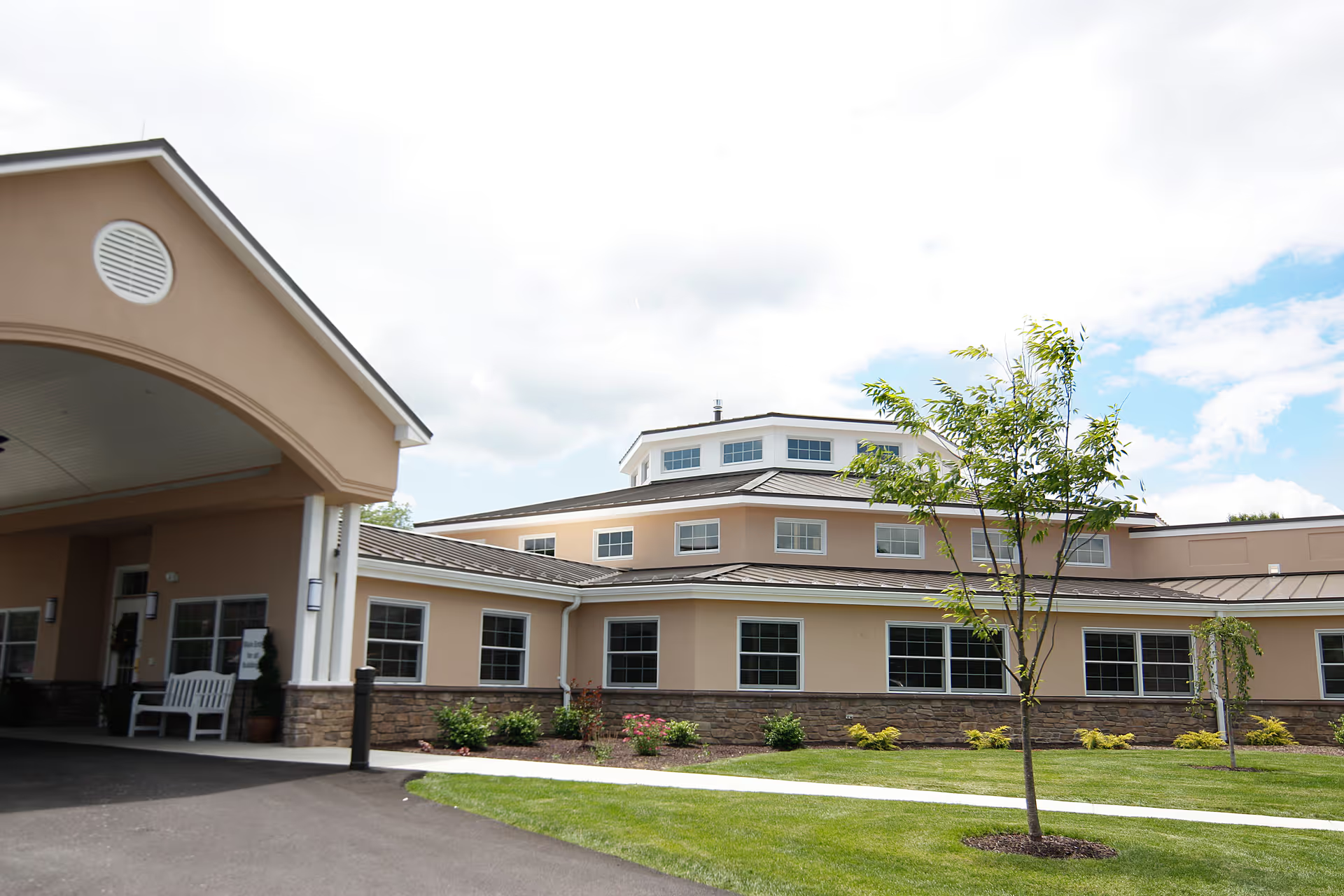
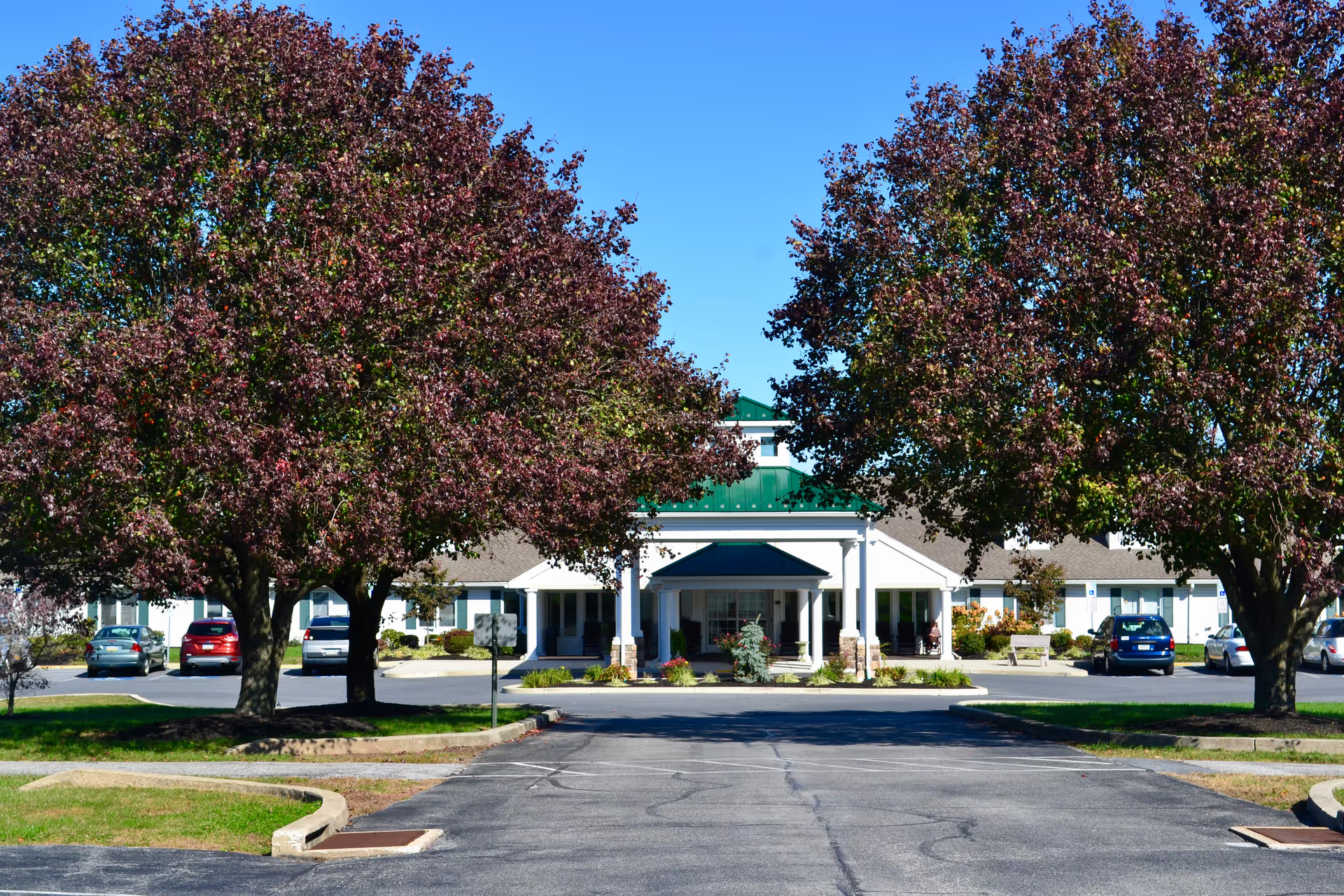
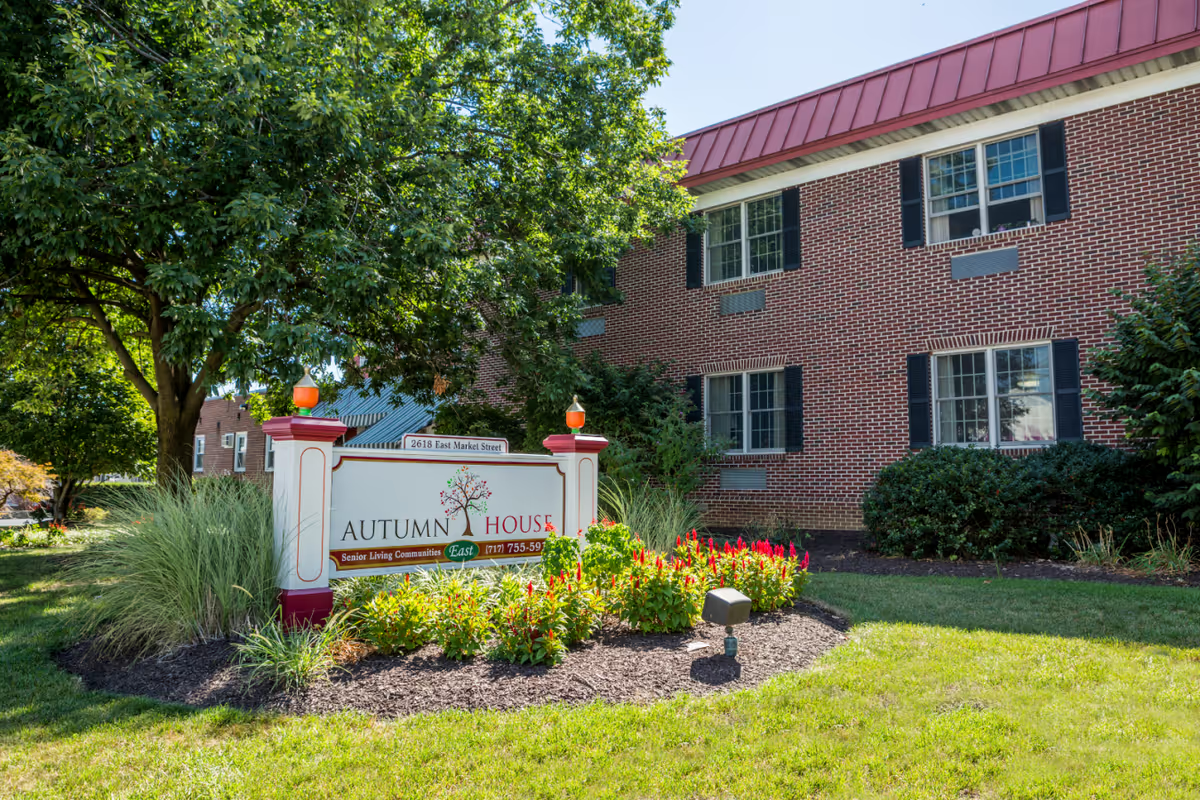
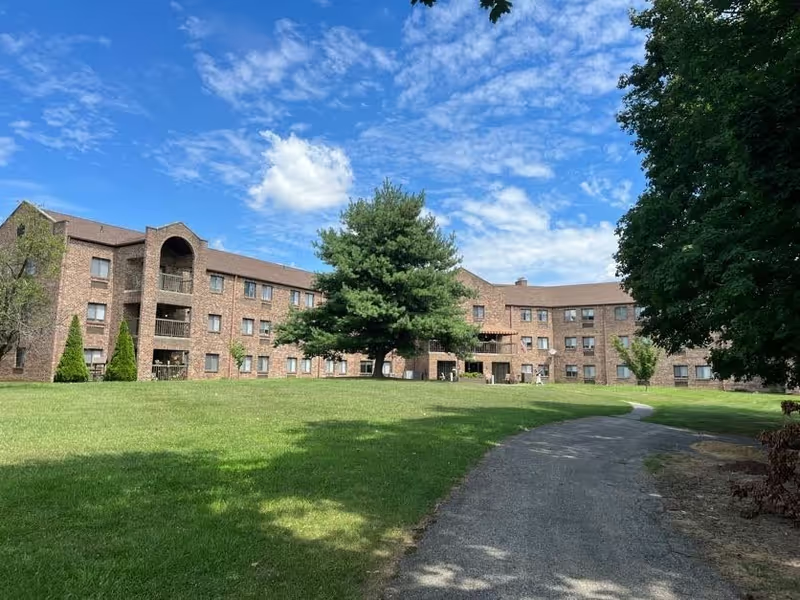
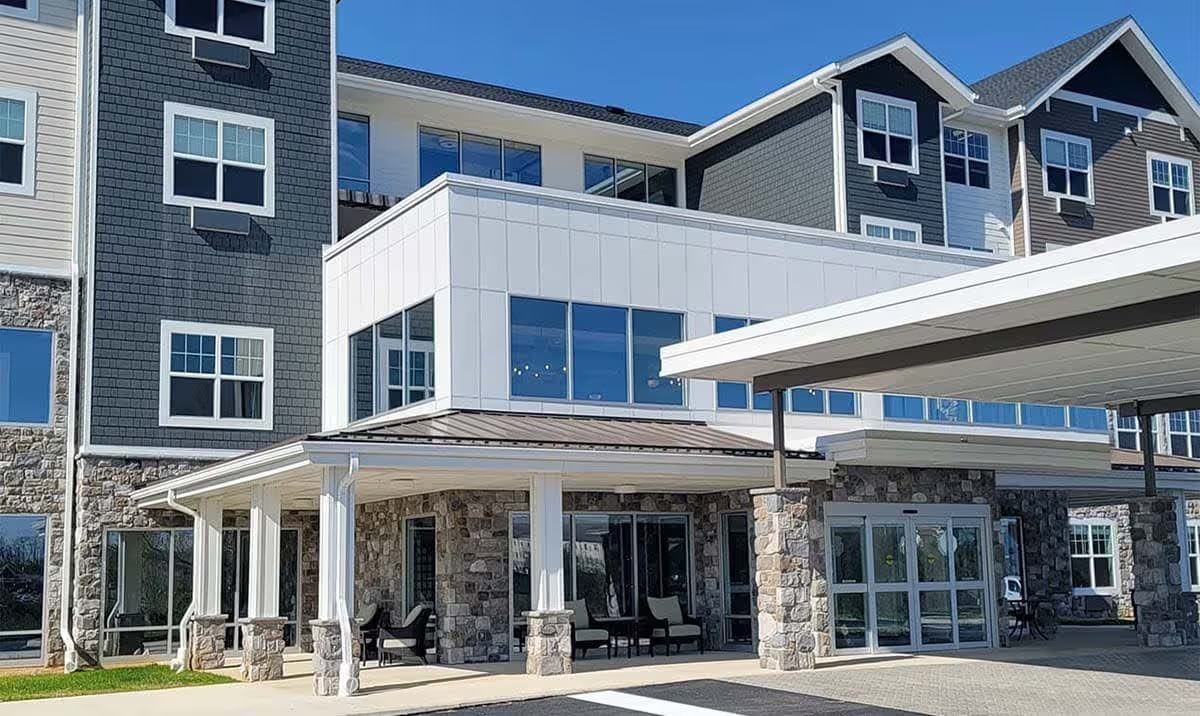
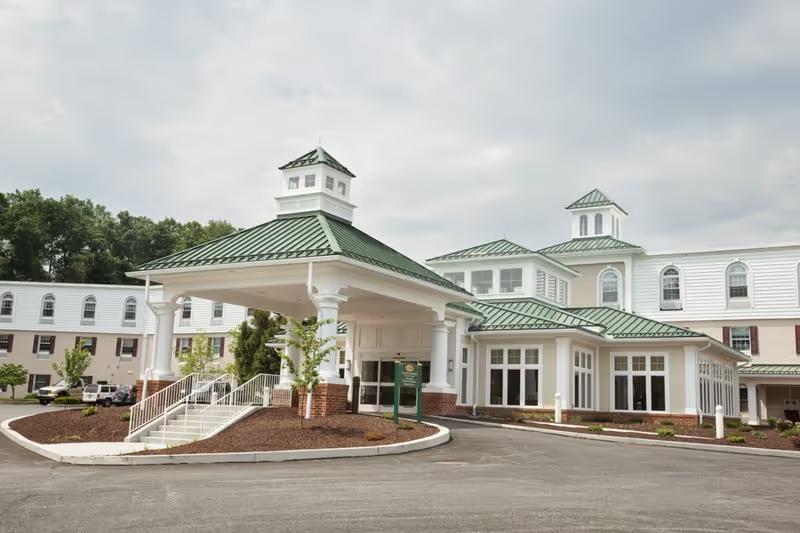
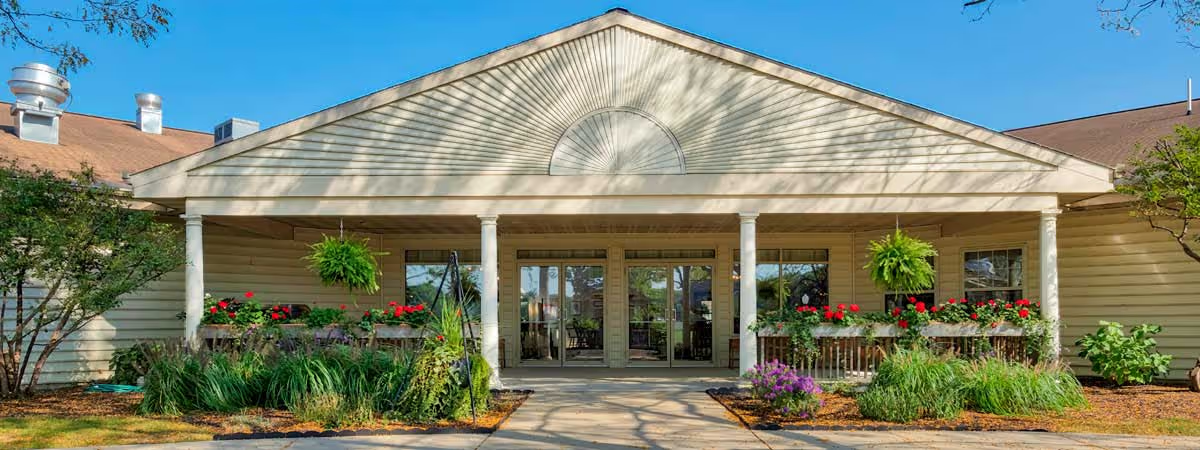
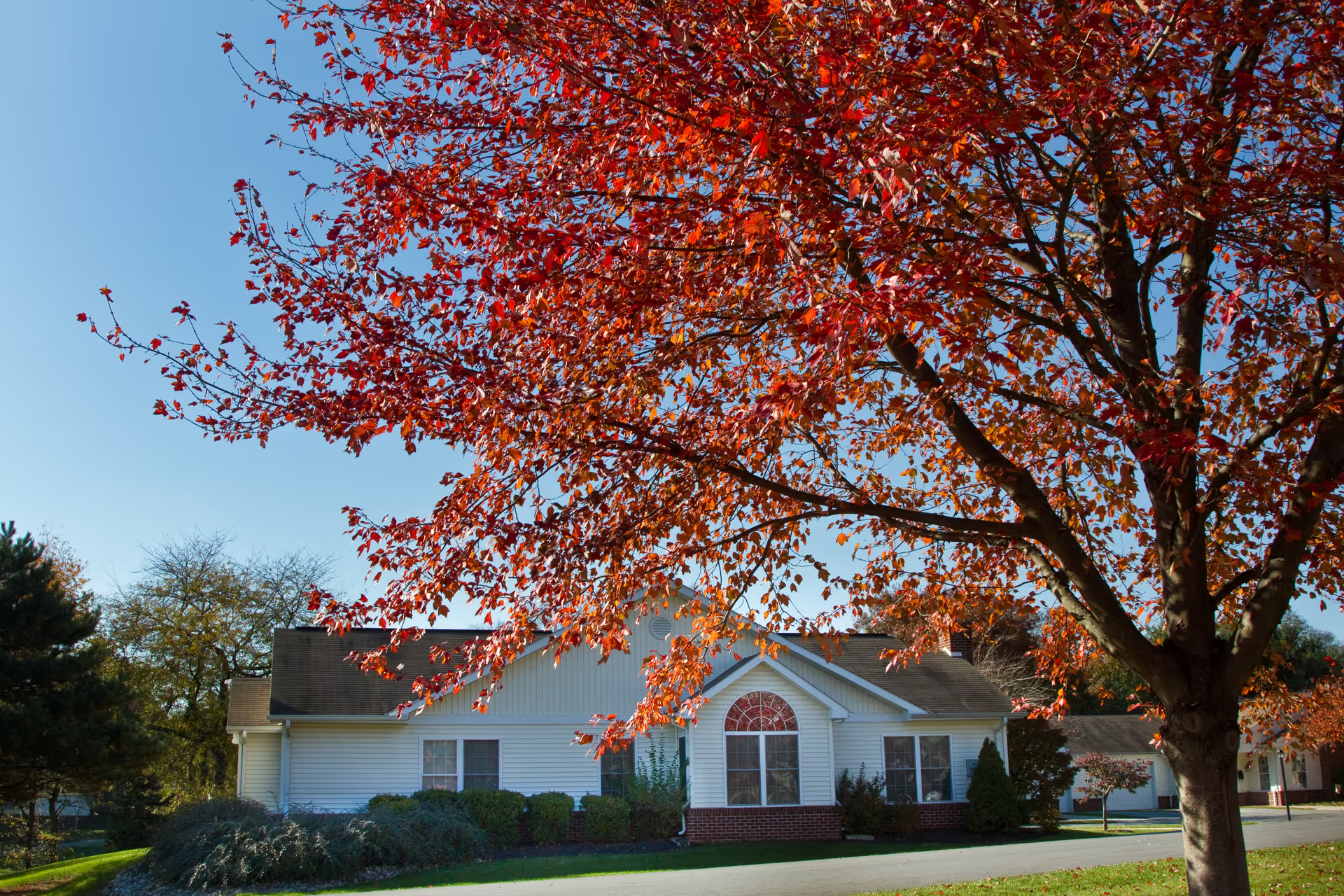
Facilities and activities are among the facility's strongest attributes. The campus landscaping, outdoor views, recreation house, and on-site programming contribute to a pleasant residential atmosphere. Cottage units were described as attractive and private, though some families noted the upfront payment structure as a financial consideration.
Management and financial transparency were frequent points of concern. Reviewers noted instances where leadership did not appear to follow up on family concerns, and some described billing irregularities or difficulties securing benefits and approvals. These governance and administrative issues amplify the operational concerns, particularly when they intersect with staffing shortages and clinical inconsistency.
In summary, the Village at Sprenkle Drive offers strong environmental and social features—well-maintained grounds, active programming, rehabilitation services, and areas of compassionate caregiving. Prospective residents and families should weigh these strengths against recurring operational issues: staffing stability, consistent clinical practices, dining-service reliability, housekeeping coverage, and clarity around billing and management responsiveness. An in-person tour combined with specific questions about staffing ratios, agency-staff use, clinical incident protocols, dining service routines, memory-care procedures, and billing/benefit processes is recommended to assess whether the facility's current operational profile matches a prospective resident's needs.