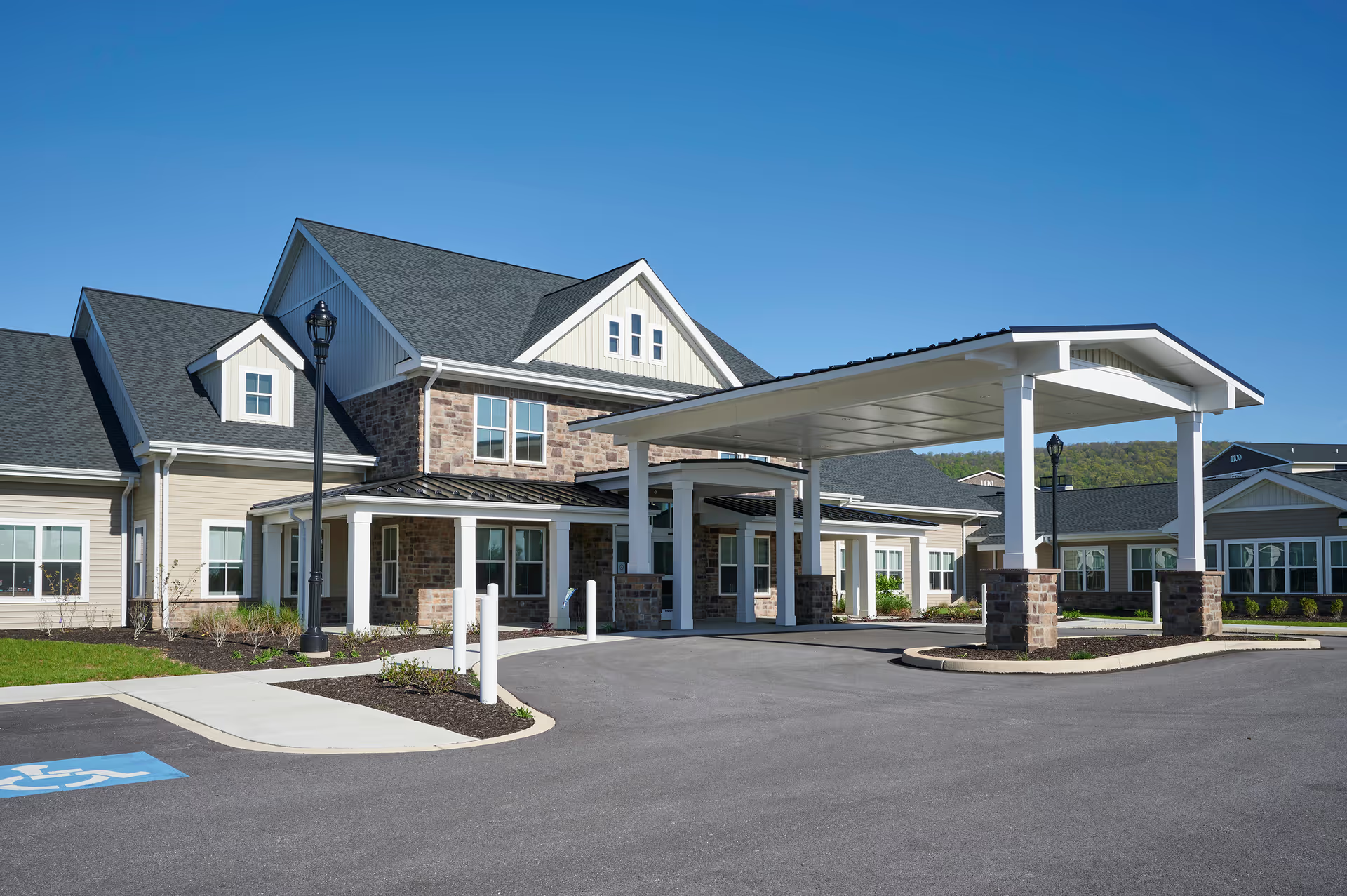
The reviews present a highly mixed picture of care at this skilled nursing and rehabilitation center. Positive feedback frequently highlights a strong rehabilitation program — physical and occupational therapy are repeatedly described as effective and well-staffed — along with an active activities program and several individual clinicians and admission staff who provide compassionate, attentive support. Multiple reviewers praised specific nurses, CNAs, and admissions coordinators for helpfulness, and some noted clean, secure common areas and safety-focused procedures.
At the same time, a recurrent set of operational weaknesses emerges across the feedback. The most consistent concerns relate to responsiveness: families and residents report delays in staff answering call lights and prolonged waits for restroom assistance and transfers. These delays are linked to reports of inconsistent personal-care routines (bathing, linen changes, and toileting assistance) and to worries about wound care and mobility-safety. Staffing levels and turnover are cited as likely contributors to these delays, and reviewers describe variability in how promptly and professionally tasks are executed from shift to shift.
Environmental- and service-level issues are also prominent. Multiple accounts describe inconsistent housekeeping and room maintenance, including worn or damaged room finishes and problems with linen and laundry handling. Meal service quality and consistency is another recurring theme: reviewers reference cold or sparse meals, substitution or portioning problems, and limited menu choices without sufficient notice. Medication timing and documentation problems are reported in several accounts; combined with communication gaps between clinical staff and families, these clinical-administration issues undermine family confidence.
Management and administrative concerns appear in several domains. Families note variable communication from admissions and case management, occasional billing and charge-processing errors, and inconsistent follow-up on complaints. There are also serious individual allegations regarding mishandling or loss of personal belongings; these have led some families to request regulatory review. Conversely, reviewers also named particular administrators and staff who provided reassuring, organized admission experiences, indicating that performance may vary by unit or by personnel.
In summary, prospective residents and families should weigh clear strengths — notably robust therapy services, an active activities program, and several highly regarded clinicians and admission staff — against persistent operational weaknesses, especially around staffing consistency, timeliness of direct care, environmental cleaning, meal-service reliability, and administrative communication. Visiting in person, asking targeted questions about staffing ratios, shift-to-shift continuity, linen and laundry protocols, meal planning, medication administration procedures, and the facility’s process for handling belongings and complaints will help assess whether the current operational practices meet a family’s expectations for safe, dignified care.