York South Skilled Nursing and Rehabilitation Center elicits a mixed but patternable set of impressions. Its rehabilitation and therapy program receives consistently strong praise: therapists and therapy leadership are described as skilled, invested in progress, and effective at transitions home. Many families and residents highlighted individual therapy staff for their clinical competence and interpersonal approach, and several accounts credit therapy with measurable functional gains.
Direct caregiving staff earn frequent positive comments for compassion, patience, and personal attention. Reviewers note long-tenured employees, affectionate interactions, and a generally welcoming reception experience. Housekeeping and public-area cleanliness are repeatedly affirmed, and the facility’s memory-care area is described as secure and well supervised. Administrative touchpoints such as admissions, the business office, and front-desk staff also draw favorable notice for helpfulness and clear directions.
Despite these strengths, recurring operational concerns emerge. Responsiveness to bedside requests and call lights is inconsistent, and chronic understaffing is offered as a proximate cause for delayed assistance, extended waits for toileting or repositioning, and variability in nursing attention across shifts. Multiple accounts suggest gaps in clinical monitoring and documentation — for example, inconsistent weight surveillance, incomplete fall investigation documentation, and occasional medication or discharge coordination lapses — which create family anxiety about clinical oversight.
Dining and nutrition present a notable pattern of variability: some reviewers describe appetizing meals and adequate portions, while others report cold meals, limited alternatives, and food quality that may contribute to decreased intake. Reviewers also raise hydration and nutrition-status concerns in a general sense rather than asserting intent; these comments point to the need for closer monitoring and nutrition support when residents show declining intake.
Activity programming is a relative strength in terms of variety and staff engagement; families describe meaningful events, outdoor activities, and staff who go beyond expectations to create enrichment. At the same time several reviewers perceive the activity program as under-resourced and limited by a constrained per-resident budget, which can reduce frequency or depth of programming for residents who would benefit from more options.
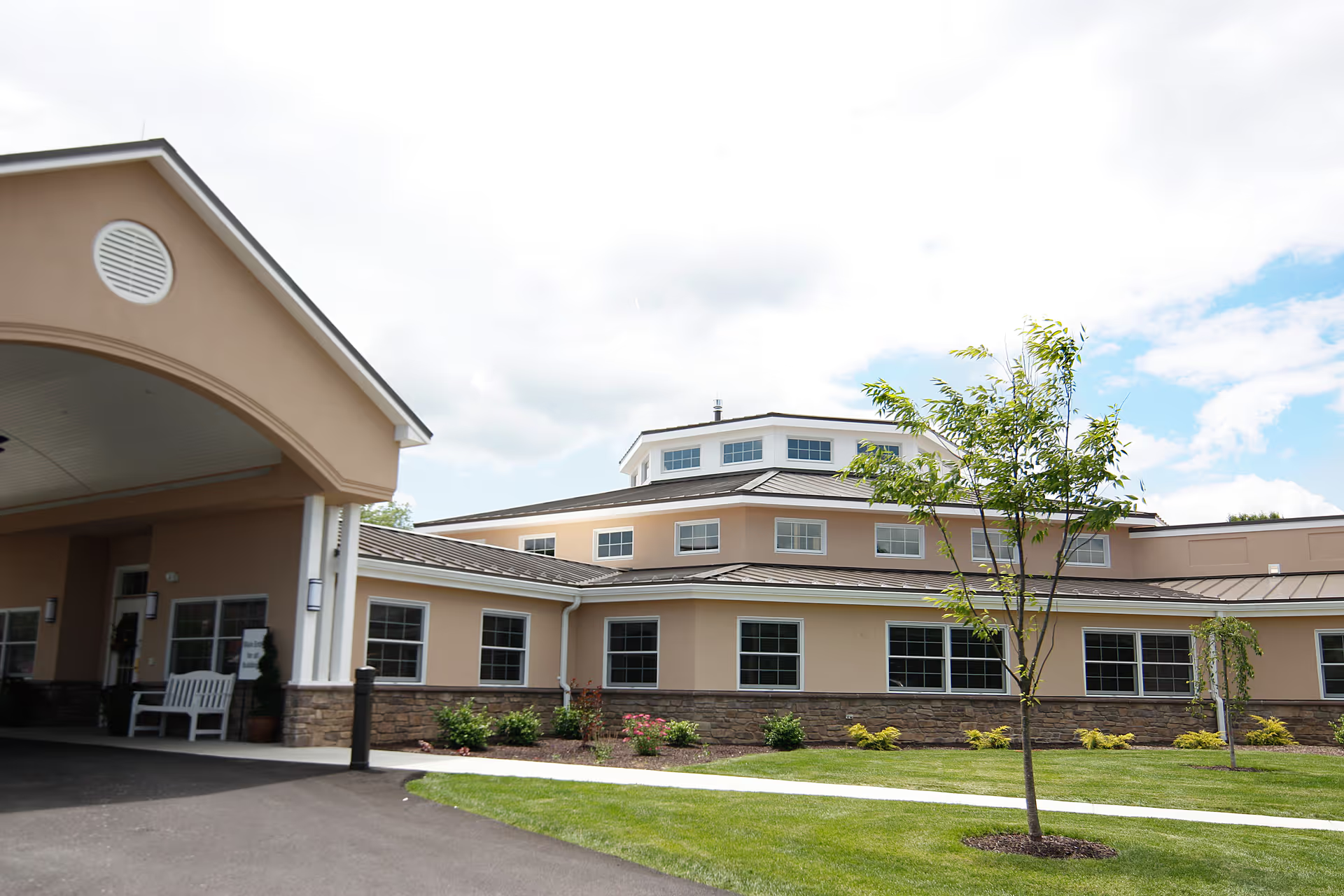
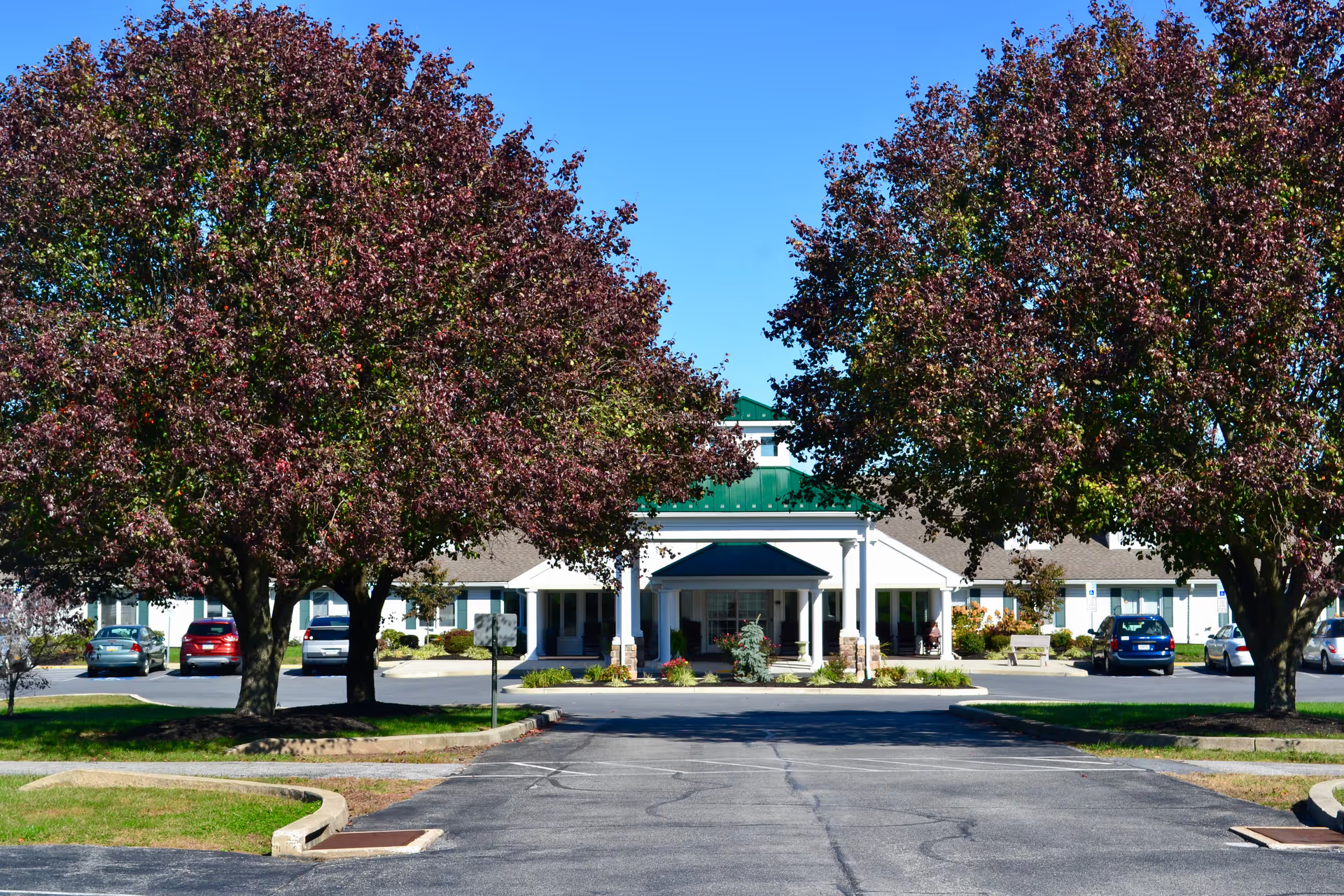
Management and communication show contrasting signals: individual administrators and business-office staff receive praise for restoring trust and helping families navigate issues, but other accounts cite inconsistent accountability, slower escalation of clinical concerns, and specific failures in discharge medication processes. There are also references to infection-control challenges during an outbreak period and an older physical plant with parking constraints.
Overall, the facility demonstrates solid strengths in rehabilitation, compassionate direct care from many staff members, and a clean, secure environment. Prospective residents and families should weigh those positives against operational weaknesses that affect day-to-day experience: variable nursing responsiveness, staffing levels, documentation and care-coordination practices, and inconsistent meal service. Those patterns suggest targeted areas for improvement (staffing stability, clinical monitoring, meal service processes, and activity resourcing) that, if addressed, could make the generally compassionate culture and strong therapy services more reliably effective for all residents.