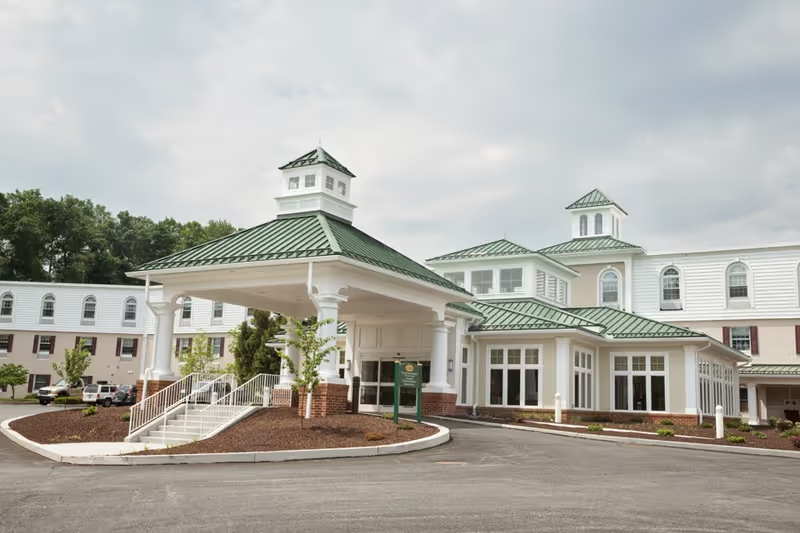
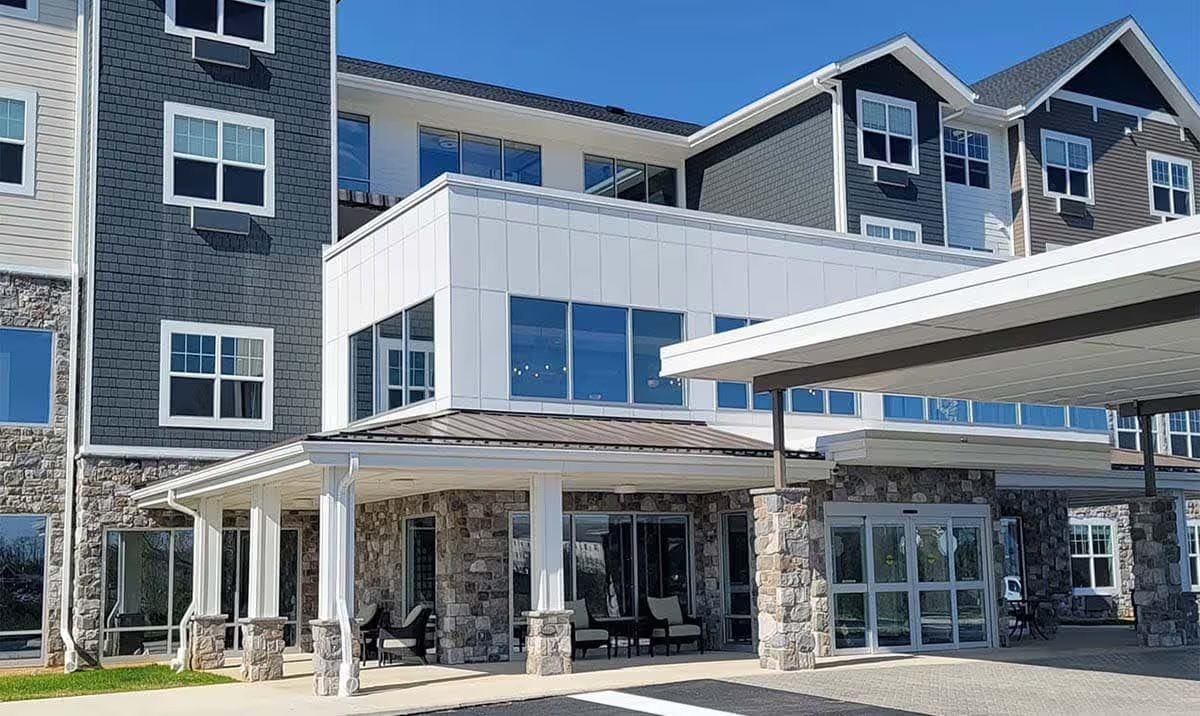
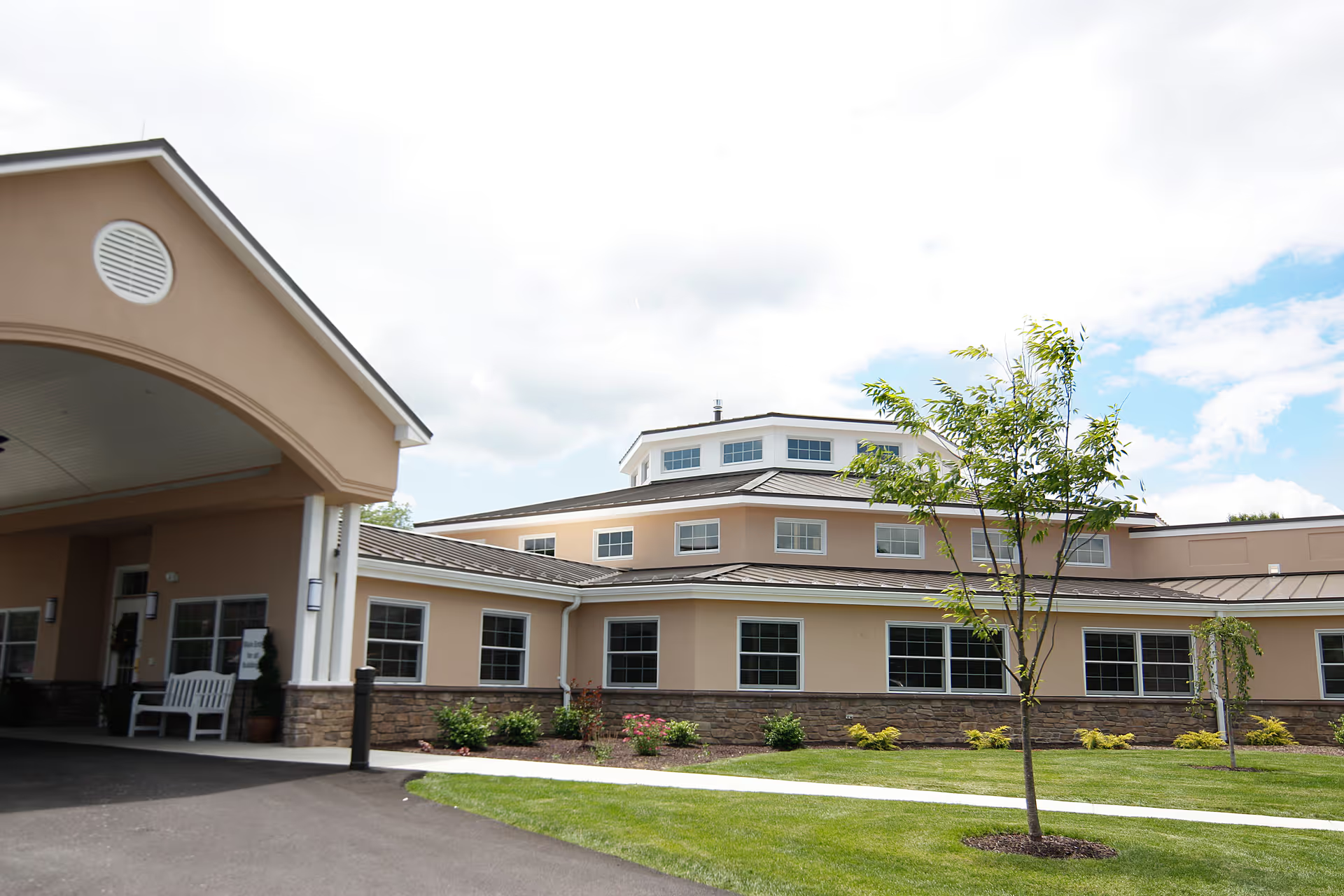
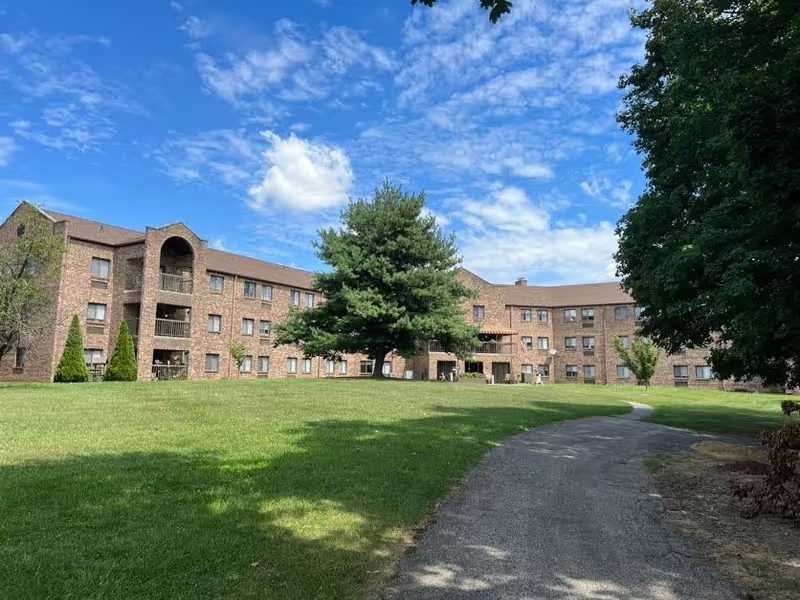
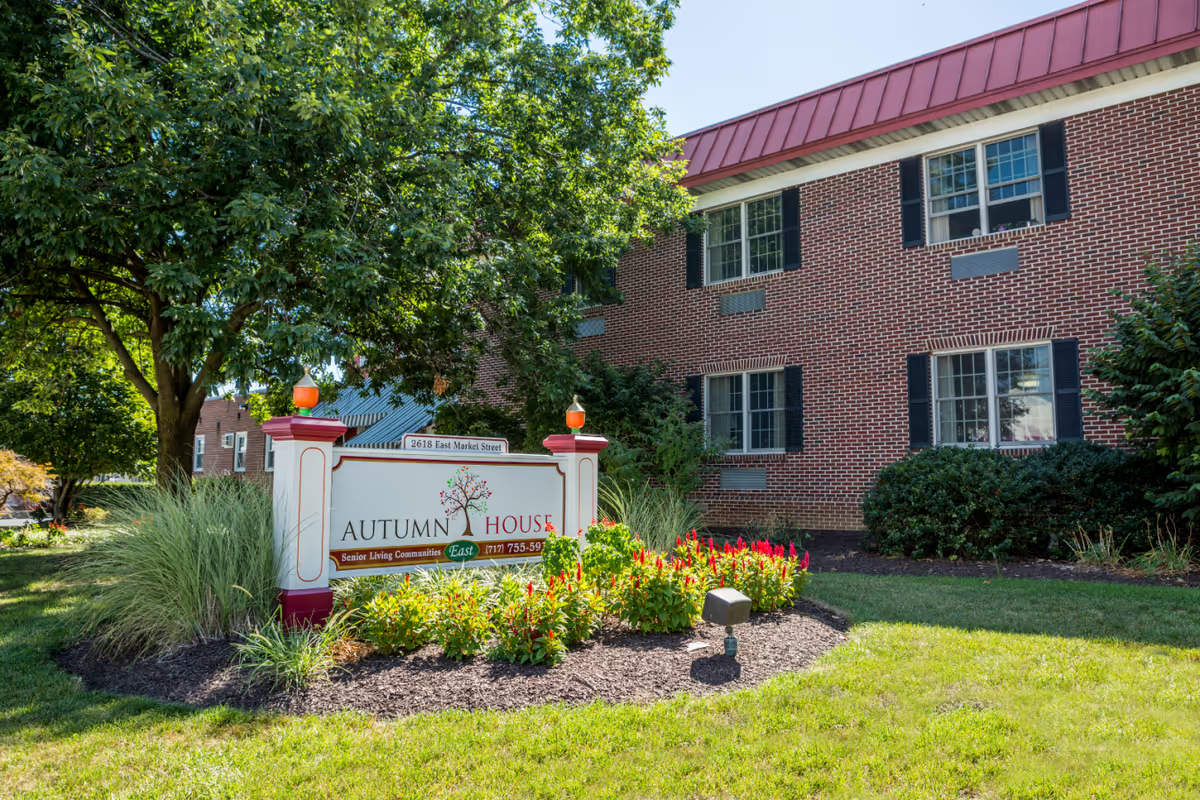
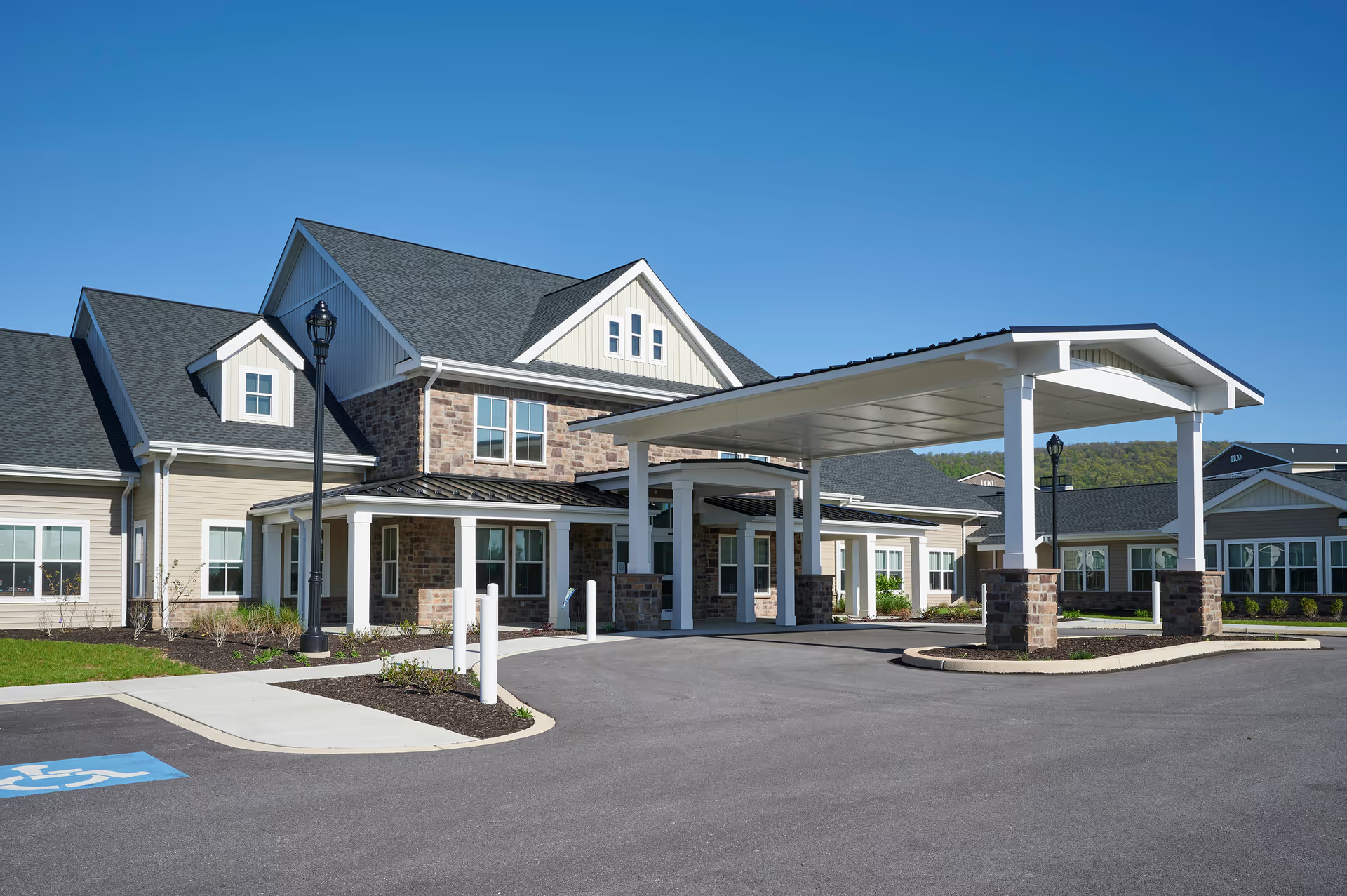
The reviews present a polarized picture of Yorkview Nursing and Rehabilitation, with distinct clusters of positive and negative experiences. Many families and visitors highlight committed, compassionate staff members, helpful reception and business-office personnel, effective rehabilitation services, and pleasant common areas and views. These positive accounts describe staff who are approachable, communicative, and able to provide reassurance and continuity for families during transitions and visits.
Conversely, there is a recurrent pattern of operational concerns that appear linked to staffing and consistency. Numerous accounts describe long waits for assistance, delayed medication delivery, missed or delayed personal-care tasks (including bathing and linen changes), and inconsistent responsiveness to call systems. These delays are frequently associated with perceived staffing shortages or scheduling gaps, which reviewers identify as a contributor to safety and comfort issues.
Sanitation and maintenance are another recurring theme with mixed reports. Some reviewers describe clean, well-kept areas and timely housekeeping, while others cite persistent cleanliness issues, odor concerns in parts of the building, and pest-control concerns. Facility-aging issues such as worn carpeting, broken blinds, yellowed fixtures, and climate-control variability are noted and are sometimes connected to the perception of an outdated environment.
Dining and nutrition received mixed feedback: several reviewers praised hot meals and satisfying dining options, but many others reported cold or late meals, limited protein or vegetable options, and inconsistent accommodation of special diets (for example, diabetes management). Families also reported variability in food-service reliability and in the replacement of missing items or preferences.
Safety and clinical-quality concerns recur in multiple areas: gaps in incontinence care, pressure-ulcer risk (requests for specialty mattresses), weak transfer-safety practices, and fall risk because of limited supervision or missing safety equipment. Medication timing and communication around therapy schedules were also described as inconsistent. A small number of serious individual claims — including an allegation of theft and concerns following a resident’s death — were raised; these appear isolated but warrant scrutiny given their severity.
Management and culture appear to be in flux for some reviewers. Several accounts praise recent leadership changes, improved communication, and staff accountability, while others describe variable professionalism, tone concerns in staff interactions, and limited family updates. Overall, the facility shows strengths in individual caregiver dedication, therapy services, and some administrative functions, but persistent operational weaknesses — particularly in staffing consistency, sanitation and maintenance, dining reliability, and safety processes — create a mixed quality profile. Prospective residents and families should consider an in-person assessment focused on staffing levels, sanitation practices, care-response times, dietary accommodations, and specific safety measures (fall prevention, pressure-area prevention), and should request current information on management initiatives addressing these concerns.