Overall impression: Reviews describe a facility with notable strengths in short-term rehabilitation, assisted living, and family communication alongside recurring operational concerns in some long-term nursing areas. Many families praised the compassion and attentiveness of bedside staff, the effectiveness of physical and occupational therapy, and the active role of social work/case managers in coordinating care and communication. These strengths frequently supported successful rehab discharges and reassuring transitions back home.
Care and staff: Nursing staff, CNAs, therapists, and several named social workers were frequently described as caring, engaged, and proactive. Reviewers highlighted personalized attention, encouragement from therapy teams, and routine updates to families, including video calls and in-person meetings. At the same time, there are persistent accounts indicating variability in staff responsiveness, shift-to-shift communication, and language compatibility on some shifts. These operational inconsistencies were linked to delays in assistance, concerns about timely medication administration, and uneven monitoring of intake and mobility for some residents.
Dining and activities: Opinions about dining and activities are mixed. Numerous accounts describe pleasing, well-prepared meals and an active daily program; others describe uneven meal temperature, late deliveries, or dissatisfaction with menu quality in certain units. Activity programming and common-area engagement are generally viewed positively in assisted living and rehab areas, contributing to resident morale when present.
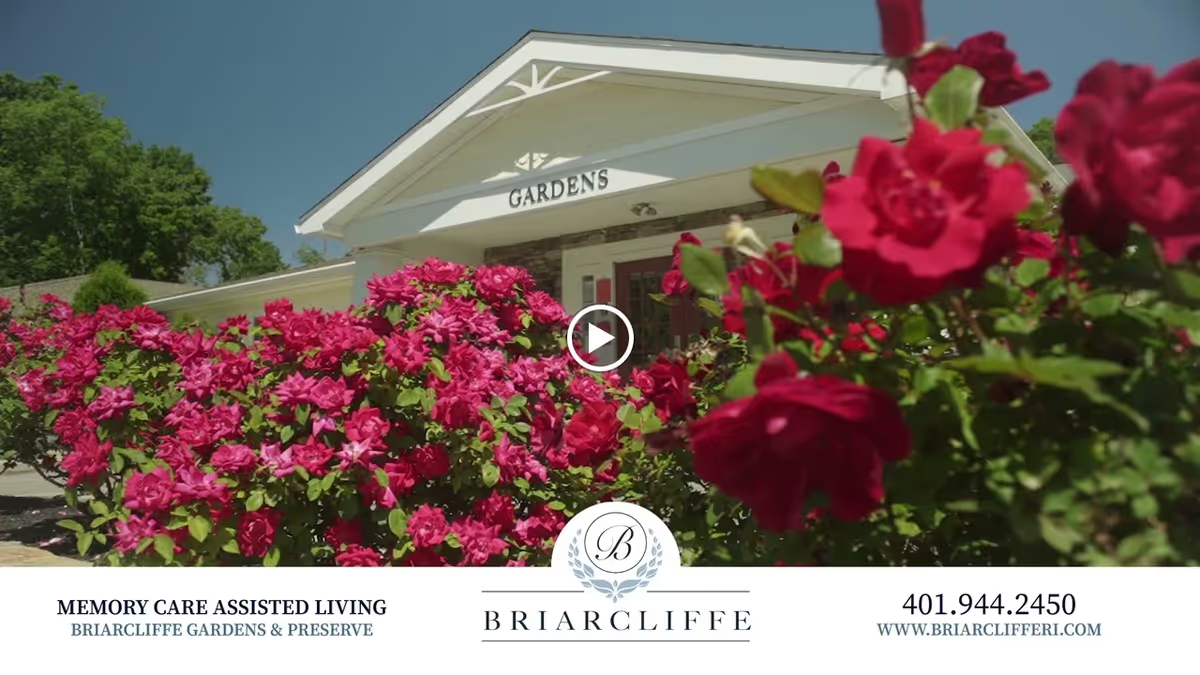
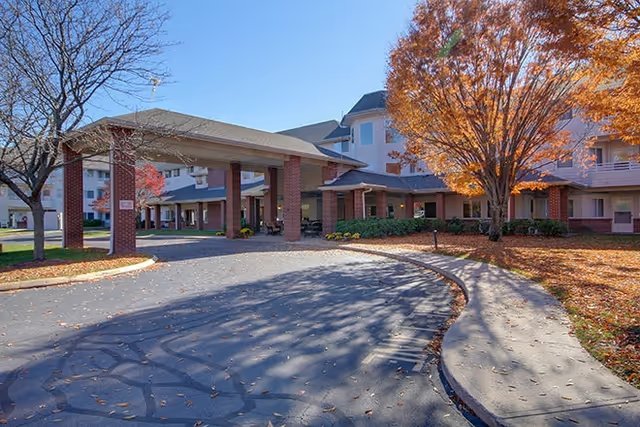
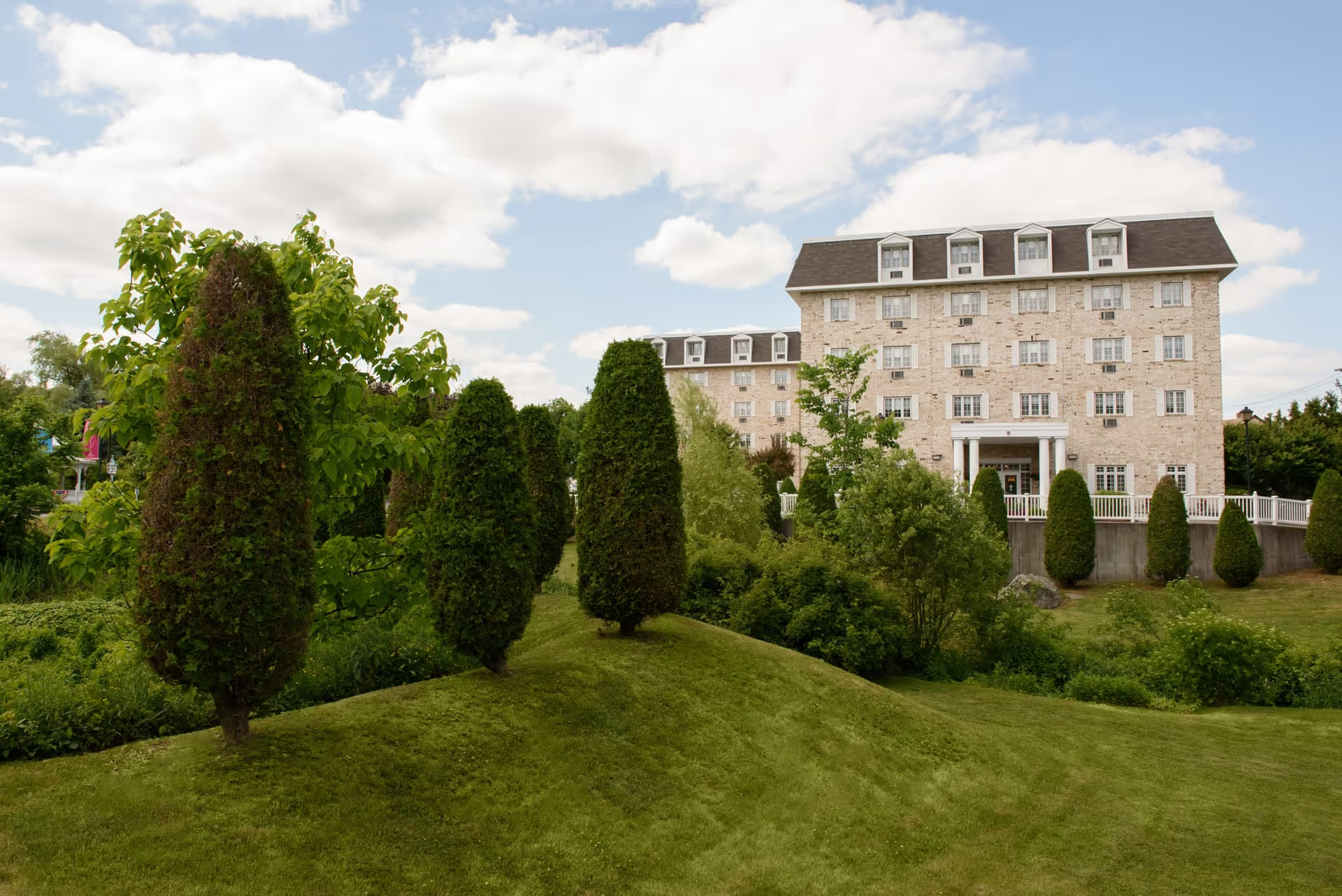
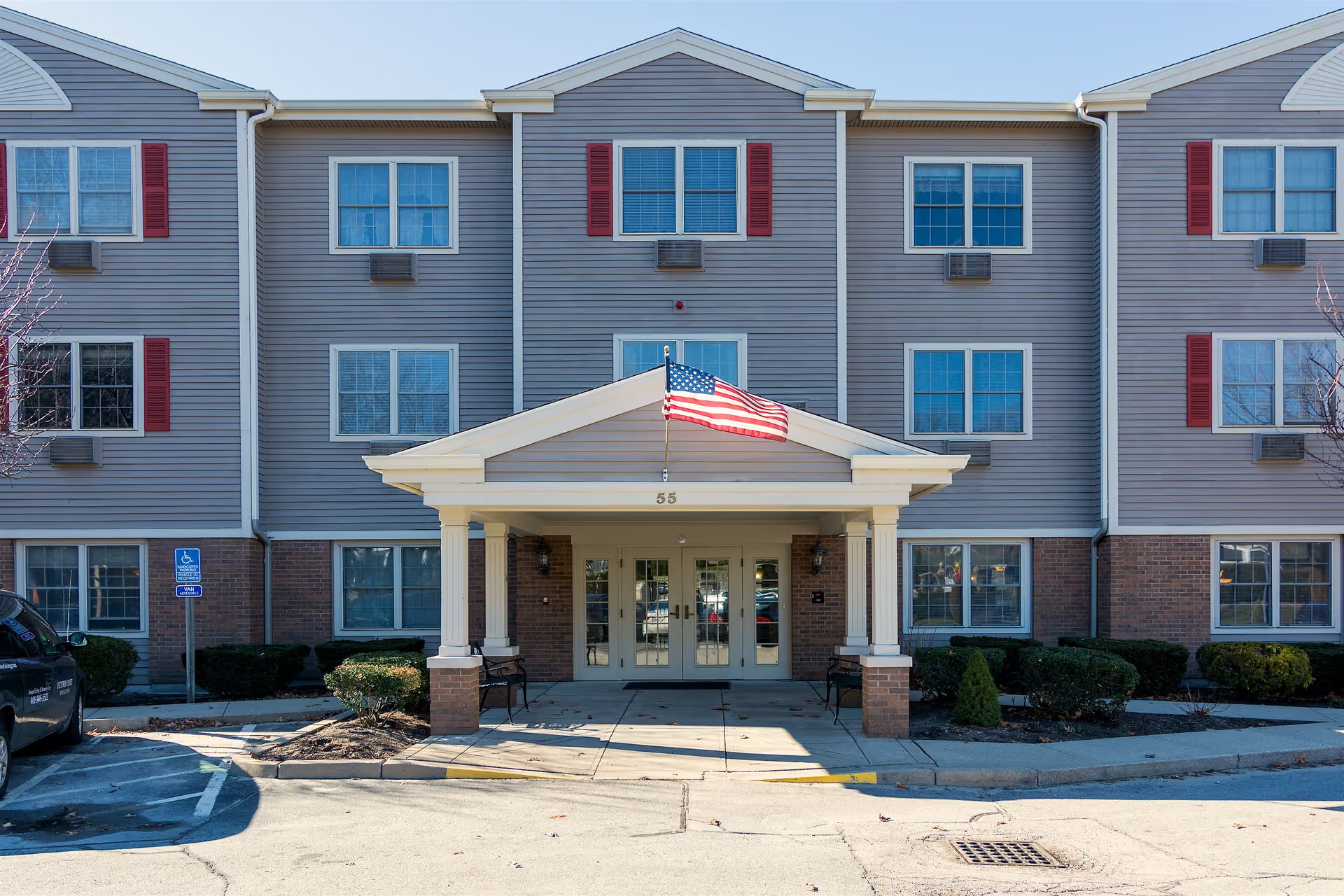
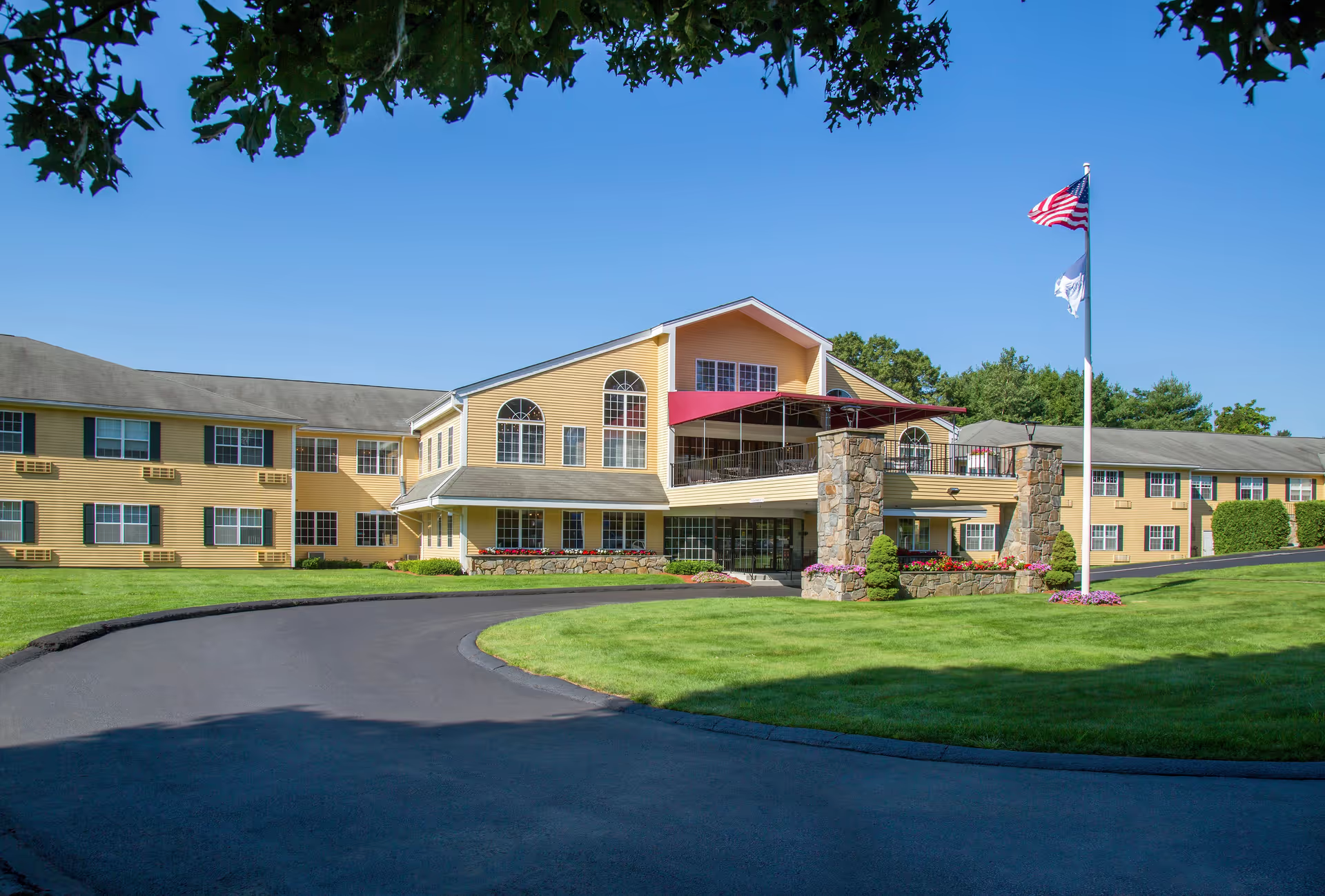
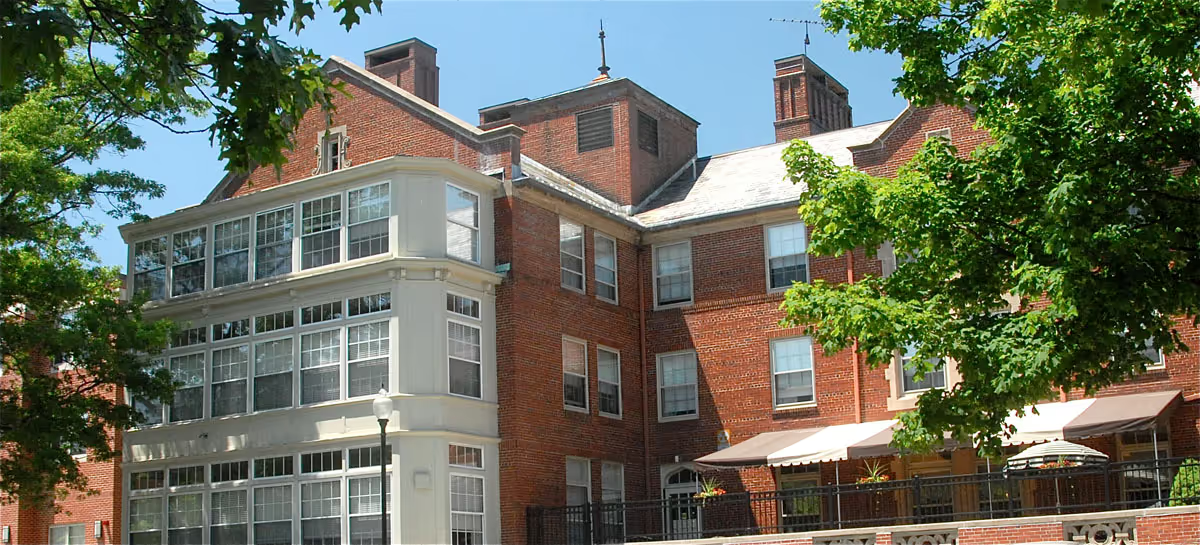
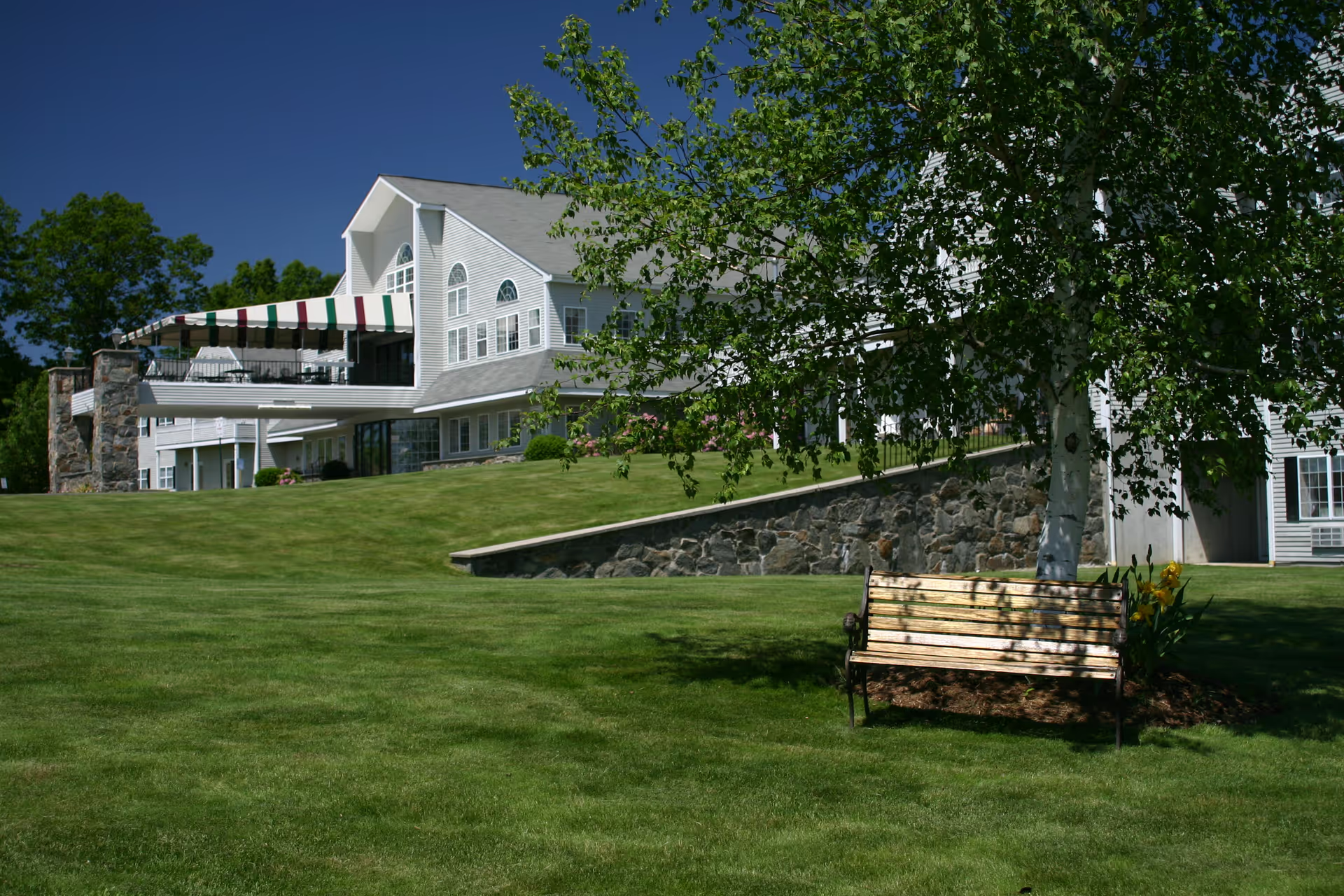
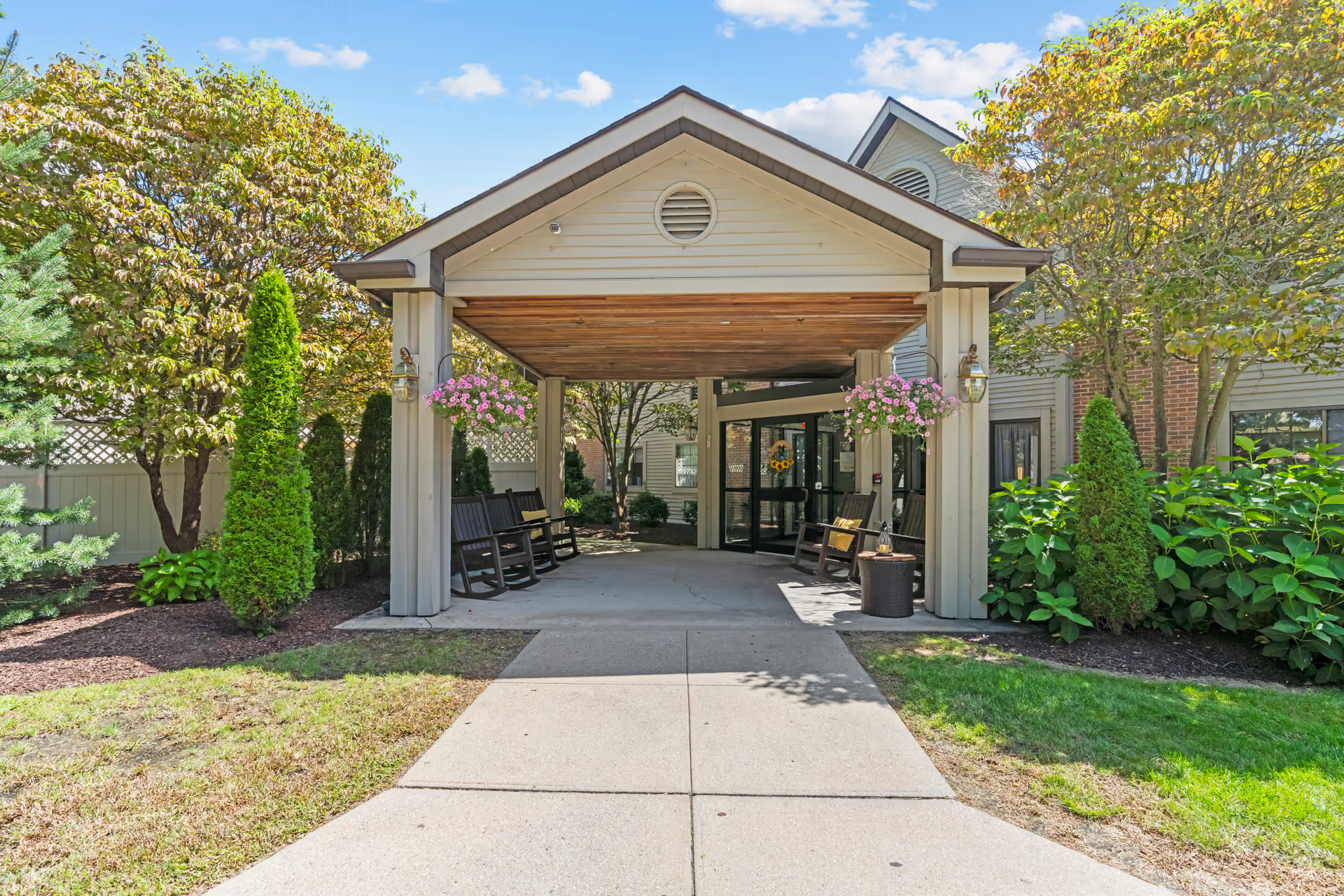
Facilities and maintenance: The campus presents as a mix of well-maintained assisted living and public spaces alongside areas of aging infrastructure. Positive comments focus on a clean, attractive lobby and renovated assisted-living units. Conversely, reviewers describe variable room conditions, delayed repairs (including HVAC and water issues), and overcrowded bathroom arrangements in some long-term units. Sanitation and odor-control issues, as well as incontinence-care process lapses, were raised in connection with specific units rather than the campus as a whole.
Management and operations: Strengths include owner involvement, strong social work support, coordinated discharge planning, and responsiveness from some administrative staff. However, other accounts point to inconsistent transparency, delayed responses from leadership, billing or insurance disputes, and administrative stress around admissions or transitions. Additional operational concerns include occasional lapses in property-level maintenance, inconsistent fulfillment of promised therapy regimens, and problems with personal-belongings handling.
Notable patterns and considerations for families: A clear pattern emerges where short-term rehab and assisted-living services tend to receive the most consistent praise, while certain long-term nursing units show more variability in cleanliness, maintenance, staffing consistency, and clinical monitoring. Prospective residents and families may find it helpful to (1) inspect the specific unit and room being offered, (2) ask about staffing levels and language coverage for the intended shift, (3) clarify bathroom arrangements and incontinence-care protocols, (4) confirm expected therapy frequency and goals in writing, and (5) establish a preferred communication plan with social work or case management. Taken together, the facility provides strong clinical and rehabilitative resources in many cases, but operational inconsistencies in select areas warrant careful pre-admission review and ongoing oversight by family members or representatives.