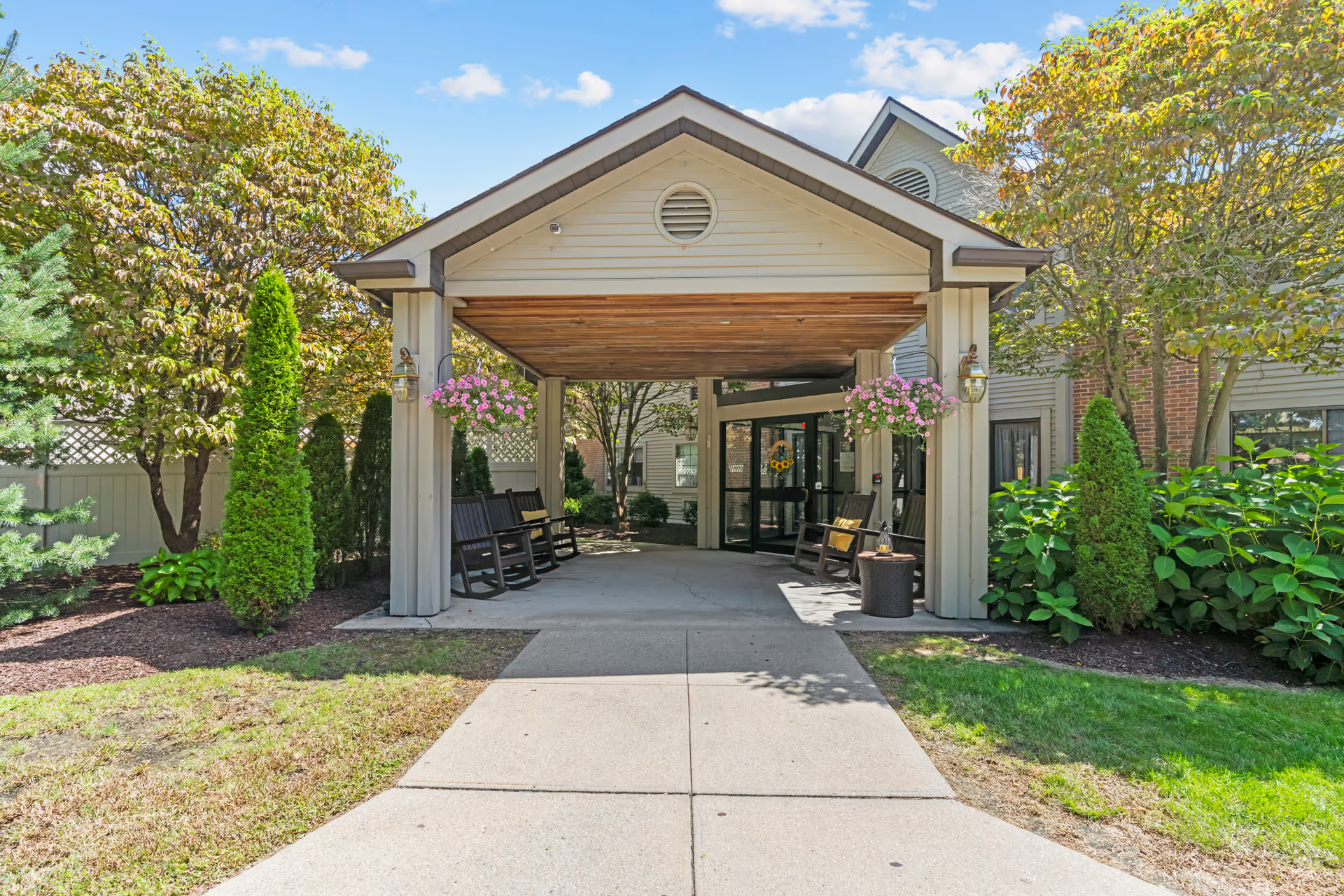
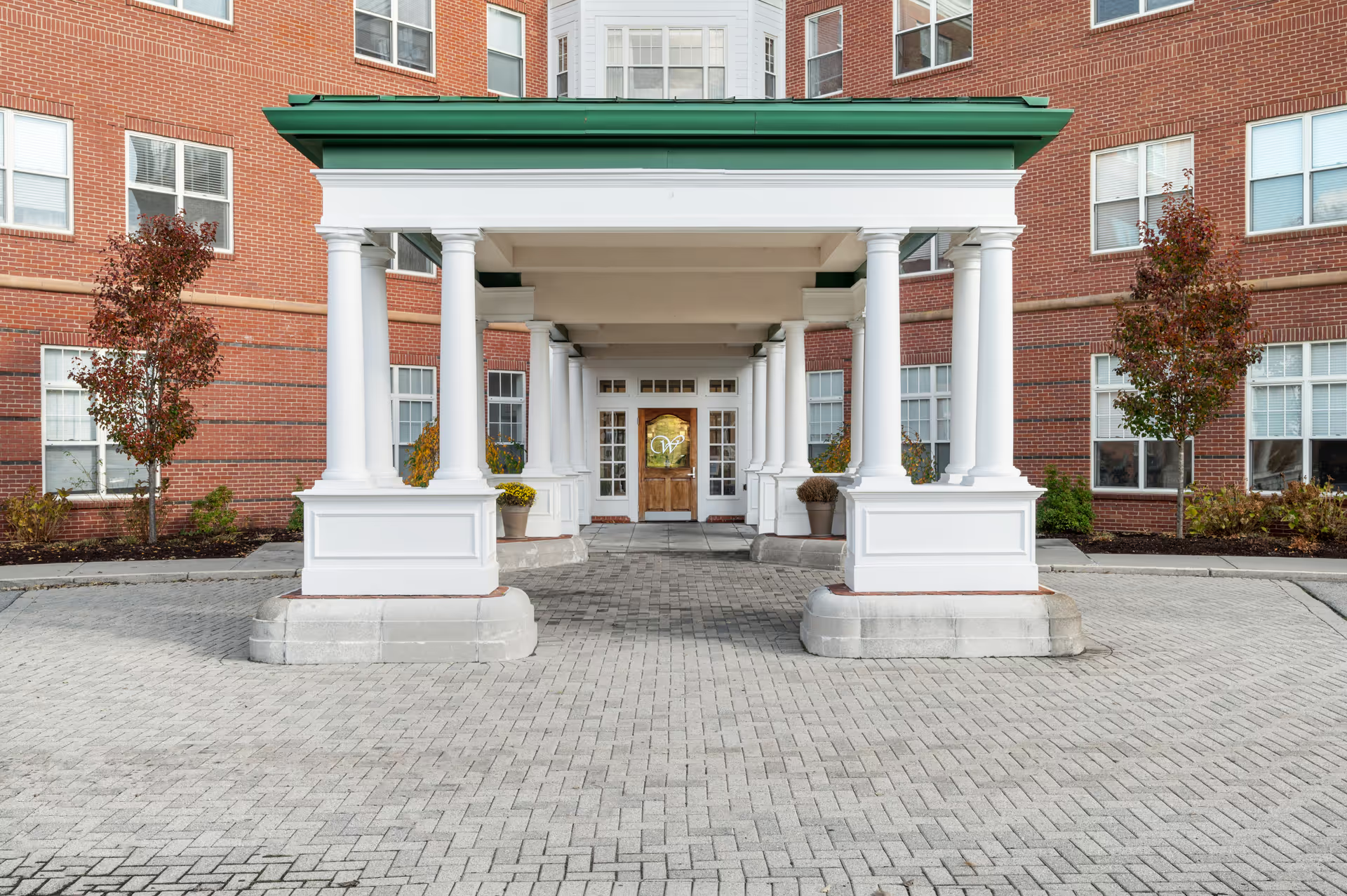
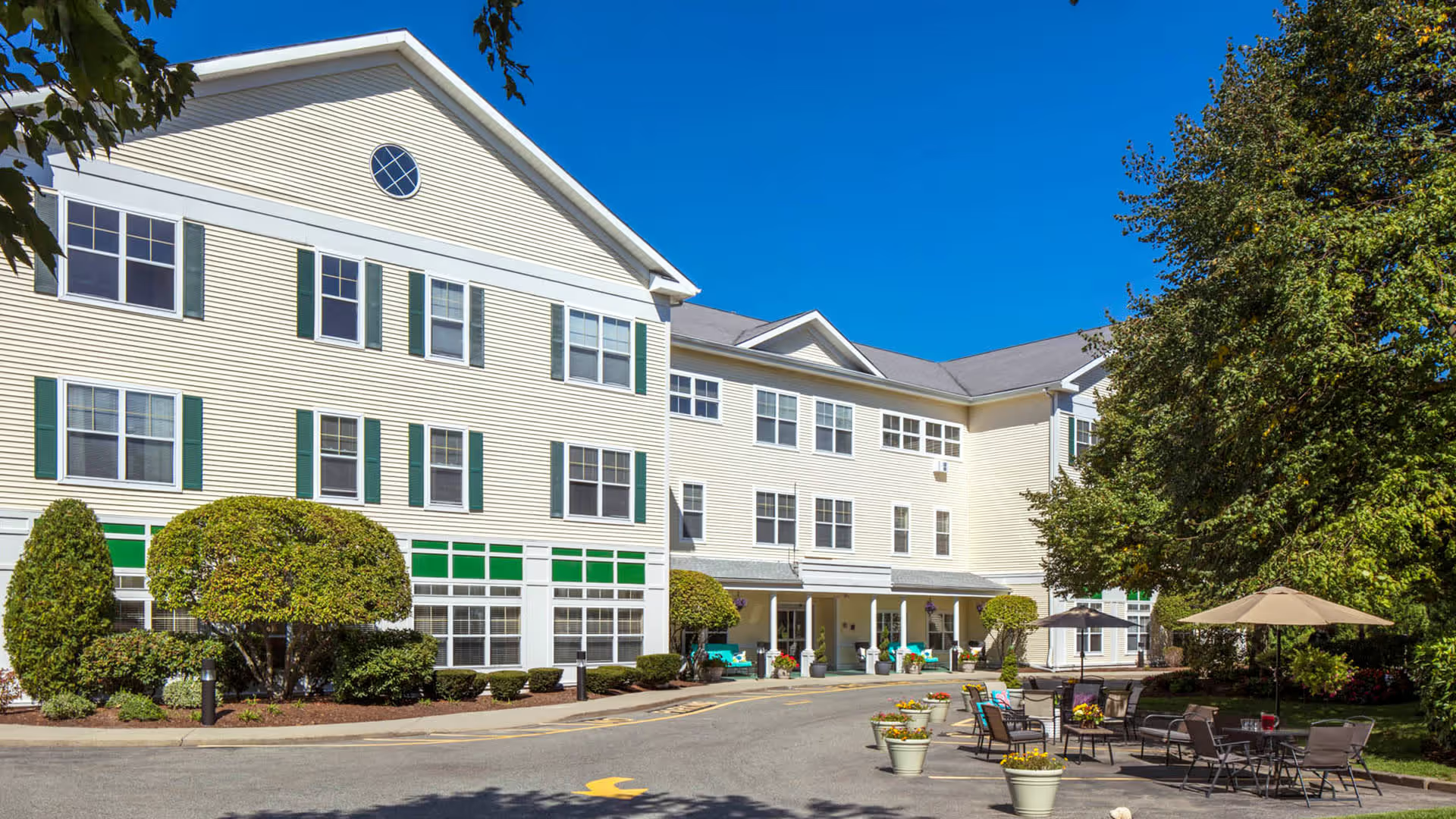
Lincolnwood Rehabilitation & Healthcare Center elicits a strongly mixed set of impressions. Many families and patients highlight strengths in direct care and rehabilitation: a number of reviewers praised compassionate, attentive nurses and CNAs, an effective physical-therapy program, helpful social-services coordinators, and clinicians who facilitated smooth admissions, discharges, and home-care transitions. The facility's recent renovations, bright common areas, well-equipped therapy spaces, and on-site dialysis/other specialty services are frequently cited as positive factors that support recovery and comfort.
At the same time, a substantial portion of feedback raises facility-level operational concerns. Reviewers described inconsistent clinical reliability—examples include lapses in medication administration, delays in attending to acute changes and pain, missed therapies, and circumstances that increased fall or equipment-safety risk. These reports suggest gaps in medication-management controls, transfer and equipment-handling procedures, and the facility's ability to sustain consistent clinical oversight across all units.
Staffing and management patterns appear uneven. Many accounts credit individual caregivers and unit teams for going above and beyond, and several administrators and admissions staff received specific praise. However, other reports cite staffing shortages, frequent turnover, and variable professionalism that translate into long nurse response times, delayed personal care, and inconsistent family communication. Family-facing processes—timely clinical updates, clear discharge communication, and management follow-up on concerns—are described as reliable in some cases and inadequate in others.
Dining and resident engagement are similarly variable. Positive notes include pleasant dining areas and attentive activity staff who deliver meaningful programs, especially in memory-care settings. Conversely, reviewers also described inconsistent meal quality, errors in diet adherence, limited beverage access for some residents, and periods when communal areas felt under-staffed or sparsely engaged. These patterns point to uneven implementation of dietary controls and activity programming between units or shifts.
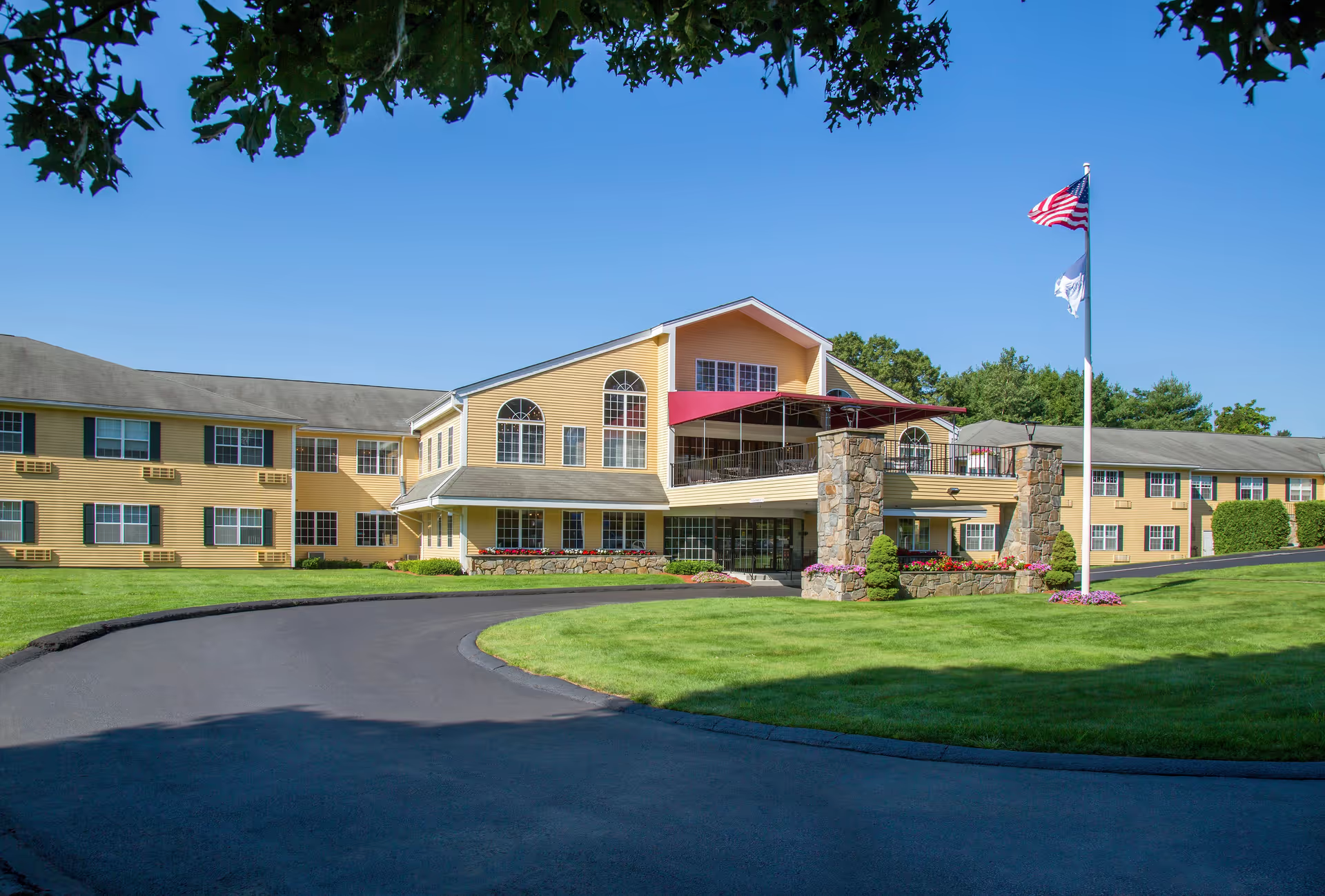
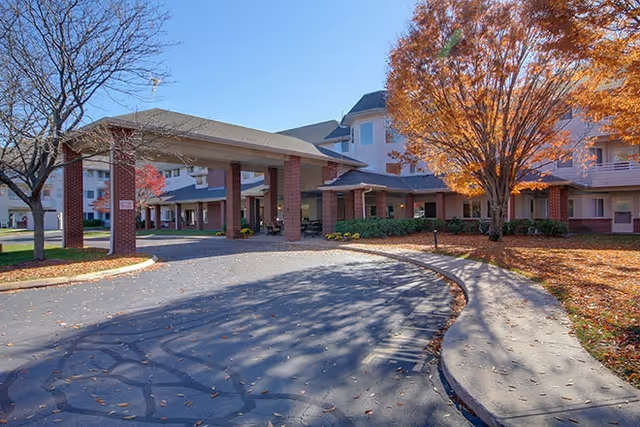
The physical environment receives both praise and criticism. Housekeeping staff and many public spaces are described as clean and well-maintained after renovation, but several reviewers raised maintenance and sanitation concerns in select locations (for example, HVAC and localized cleanliness issues, broken call-light devices, and pest-control/odour concerns). These itemized issues appear concentrated rather than facility-wide but merit confirmation during an on-site assessment.
Notable patterns across the feedback include pronounced variability by unit and shift, strong positive experiences tied to specific caregivers or therapy staff, and serious individual accounts that led families to remove residents or seek hospital care. There are also mentions of alleged theft and other isolated serious incidents; such claims suggest the importance of reviewing recent regulatory inspections and incident records.
For prospective residents and families: an in-person tour should include conversations about staffing ratios by unit and shift, medication-safety protocols, fall-prevention and equipment-handling practices, diet and special-meal procedures, activity schedules for the unit of interest, and how the facility communicates clinical changes to families. Ask to meet the unit manager, the rehab team, and the social-services navigator; request recent inspection or quality-of-care reports. The facility demonstrates clear strengths in rehabilitation, individual caregiver compassion, and facility improvements, but variability in operational consistency and communication means due diligence is advisable before placement.