Sunflower Springs of Lake Wylie receives sharply mixed feedback, with experiences differing notably between families and between assisted living and memory care. Positive accounts describe residents being treated with warmth and dignity, while a group of family accounts raises substantial concerns about the consistency of memory-care support. The strongest praise is for compassionate staff, including team members who take time to reassure residents and families. Some families also describe directors as accessible and responsive; others report difficulty reaching staff and obtaining reliable follow-up.
Care concerns center on whether promised daily support is delivered consistently. Families describe missed bathing routines, limited help with personal devices and other daily needs, and failures to prompt some residents to attend meals or support adequate intake. Medication management is another area of concern, particularly how staff handle medication refusal and family questions about decision-making authority. One family described concerns about intake monitoring, clinical follow-up, and communication before a hospitalization and subsequent death. These accounts contrast with other families who say their relatives were responsibly cared for and that concerns were addressed promptly.
Dining receives favorable comments about meal quality, including one family’s description of the chef’s meals as restaurant-worthy. Residents also describe eating together regularly. However, positive impressions of the food do not resolve concerns about whether residents who need reminders or assistance are reliably supported at mealtimes.
Activities and social opportunities appear stronger on the assisted-living side. Residents and families mention outings, shopping and dining trips, exercise classes, hair services, and resident-led activities. By contrast, some memory-care families describe limited programming and insufficient engagement, along with concerns about consistent staff presence and supervision. This difference between care areas is an important consideration for families evaluating the community.
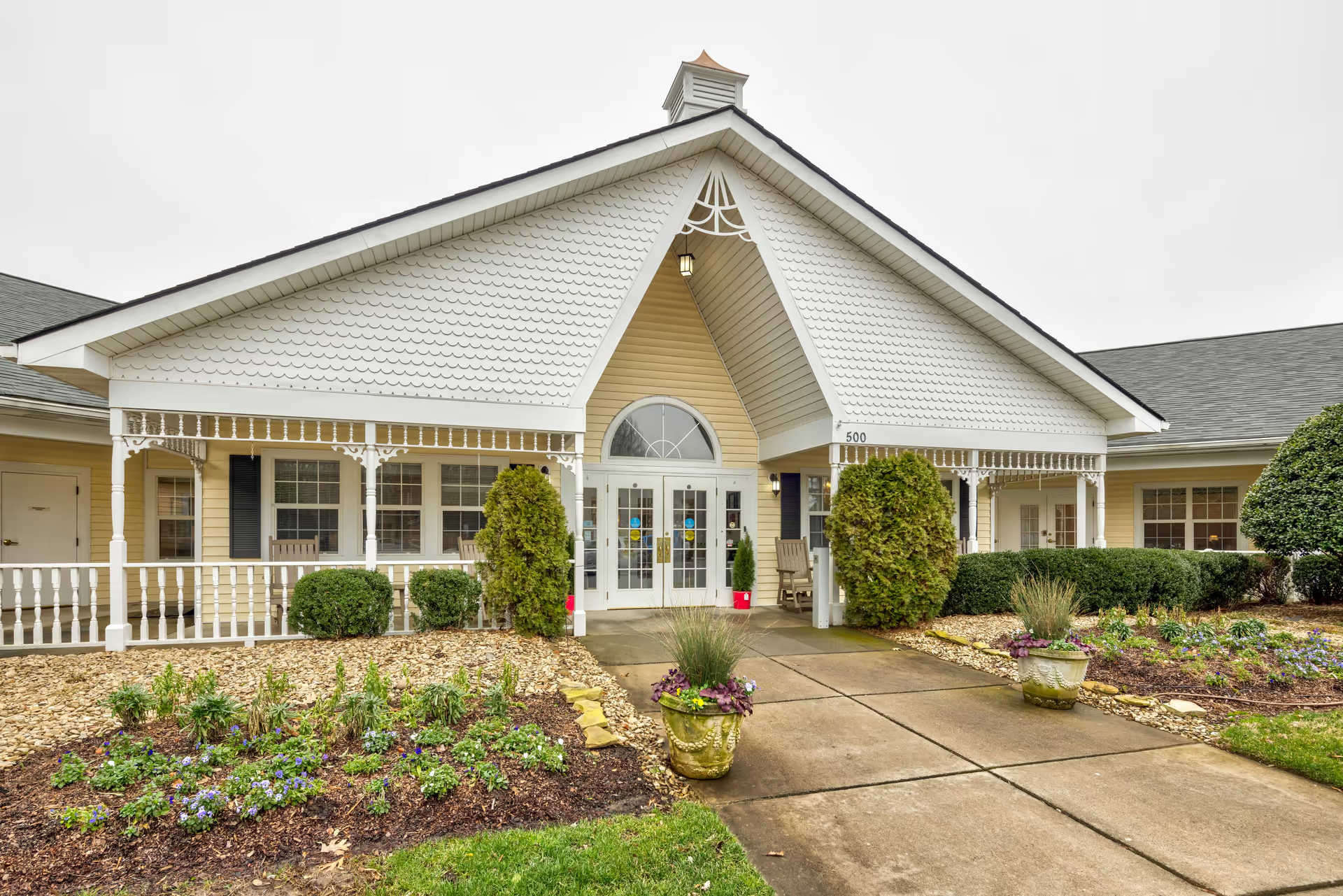
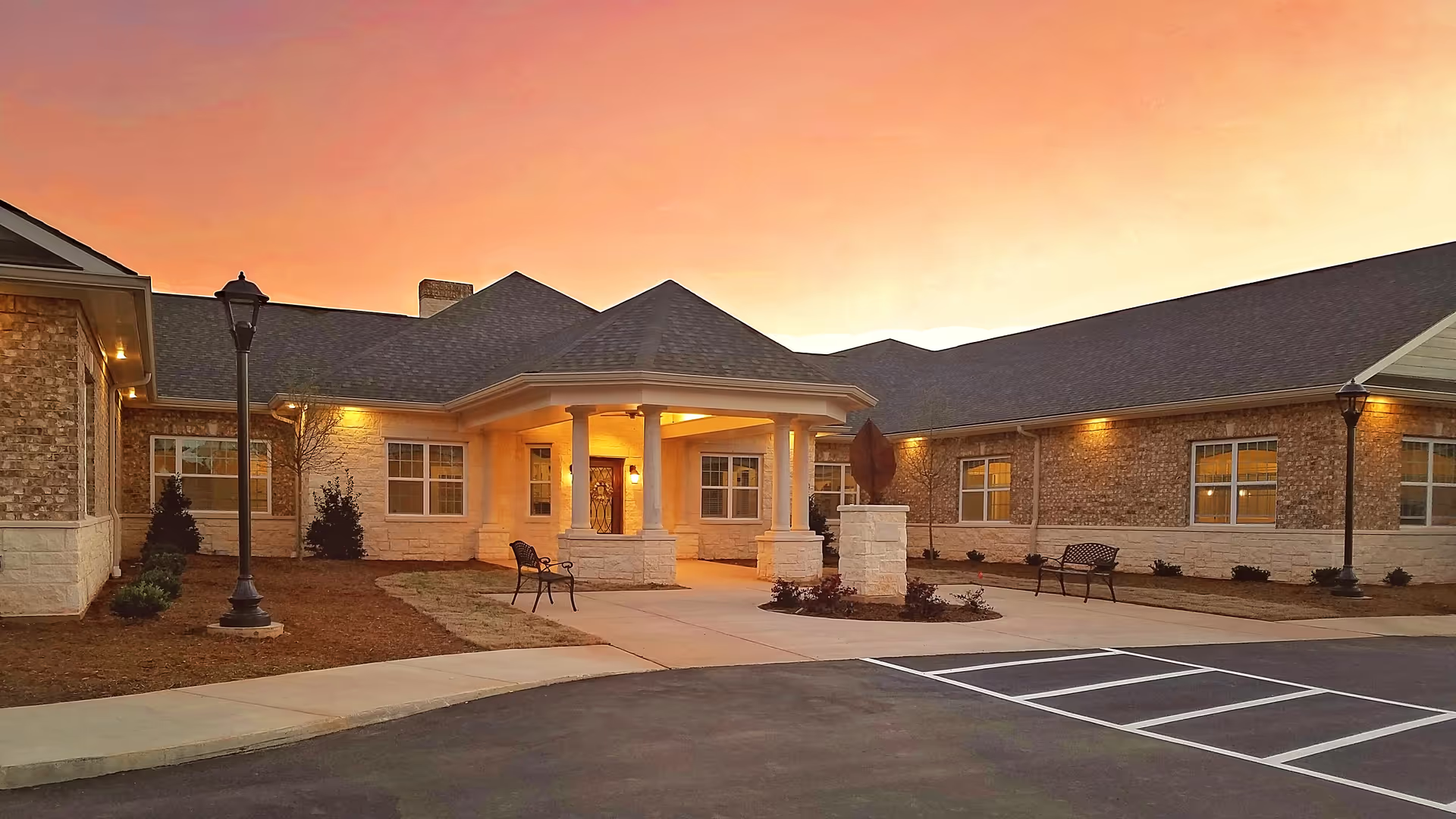
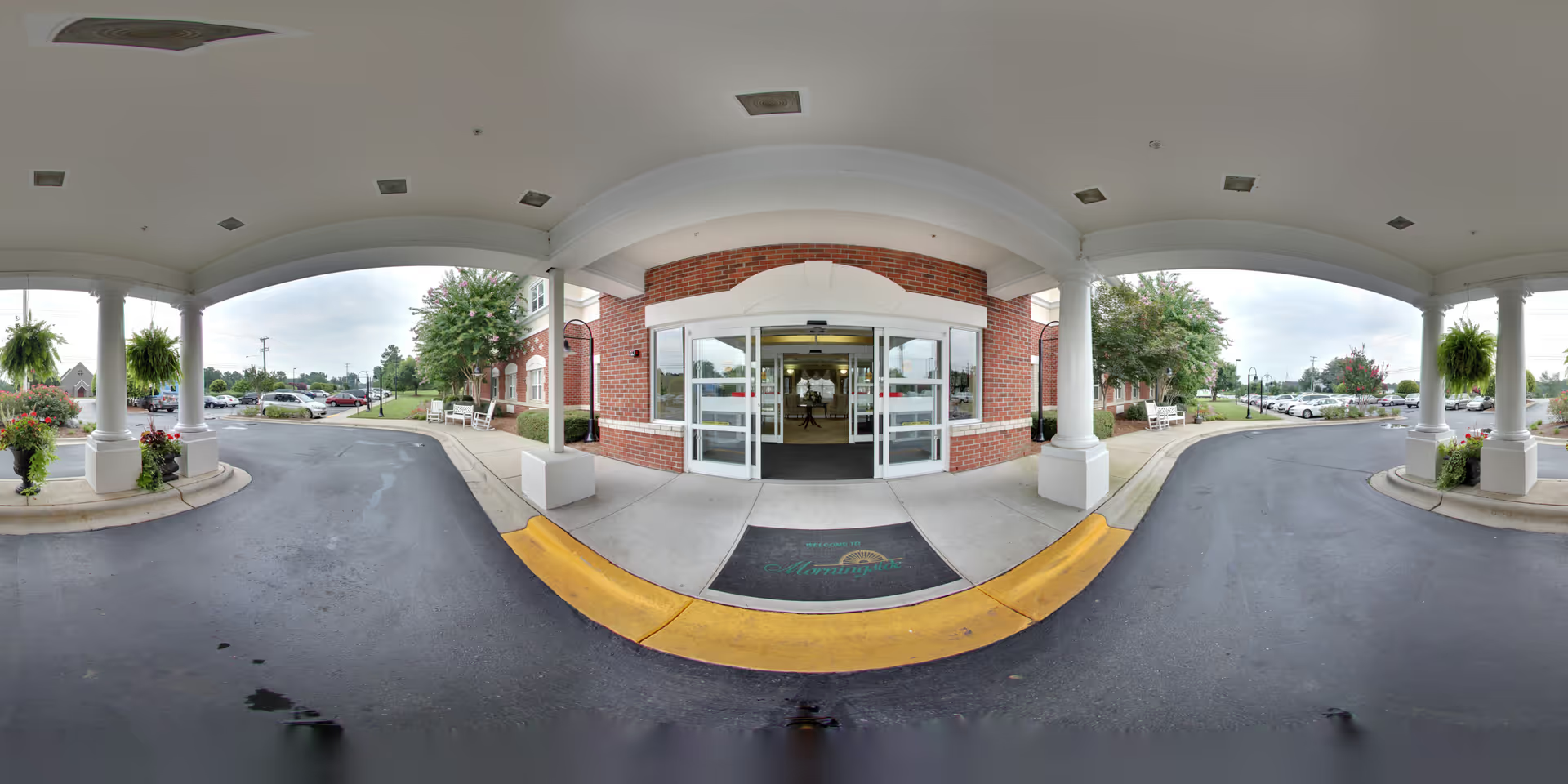
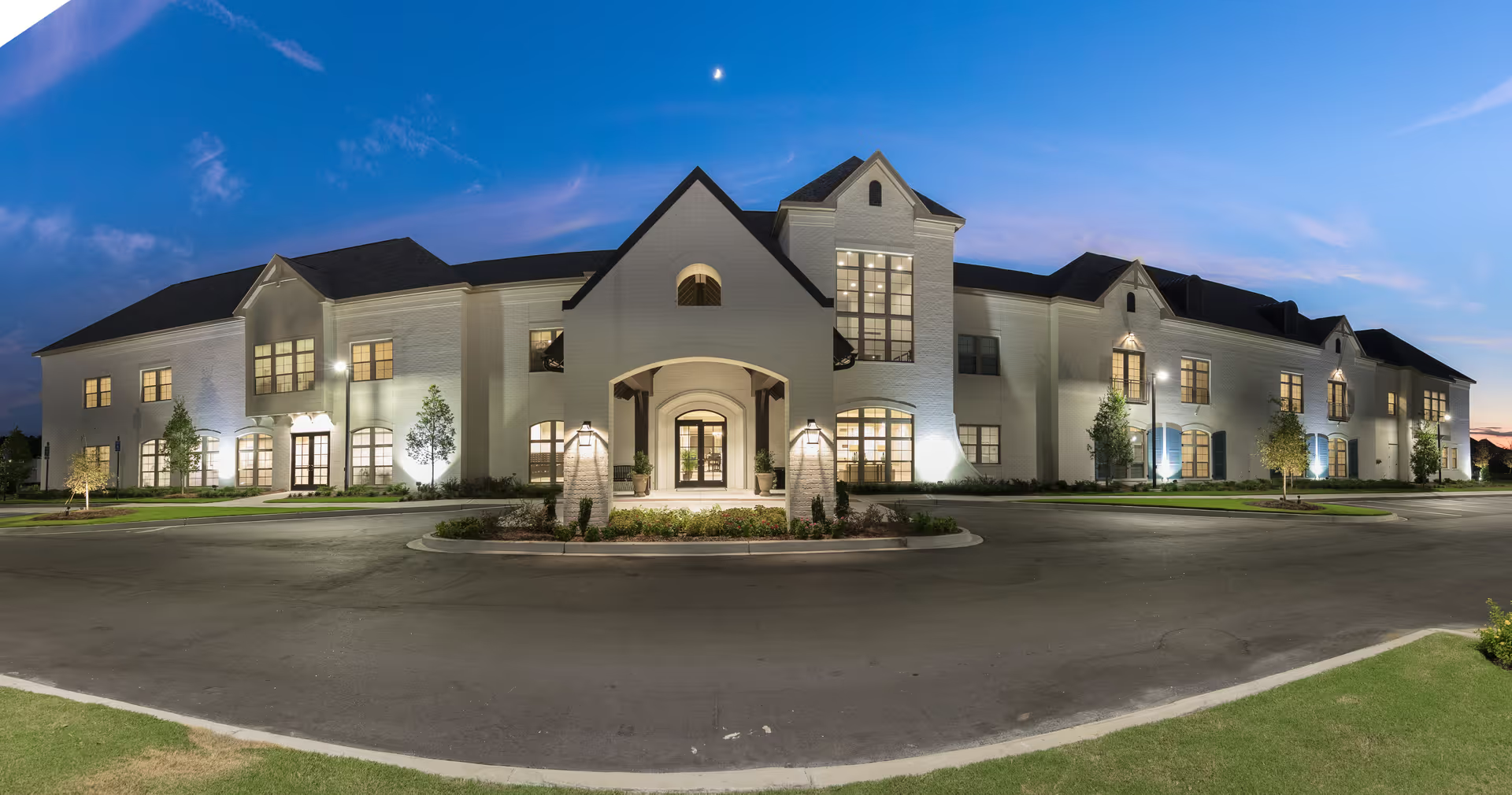
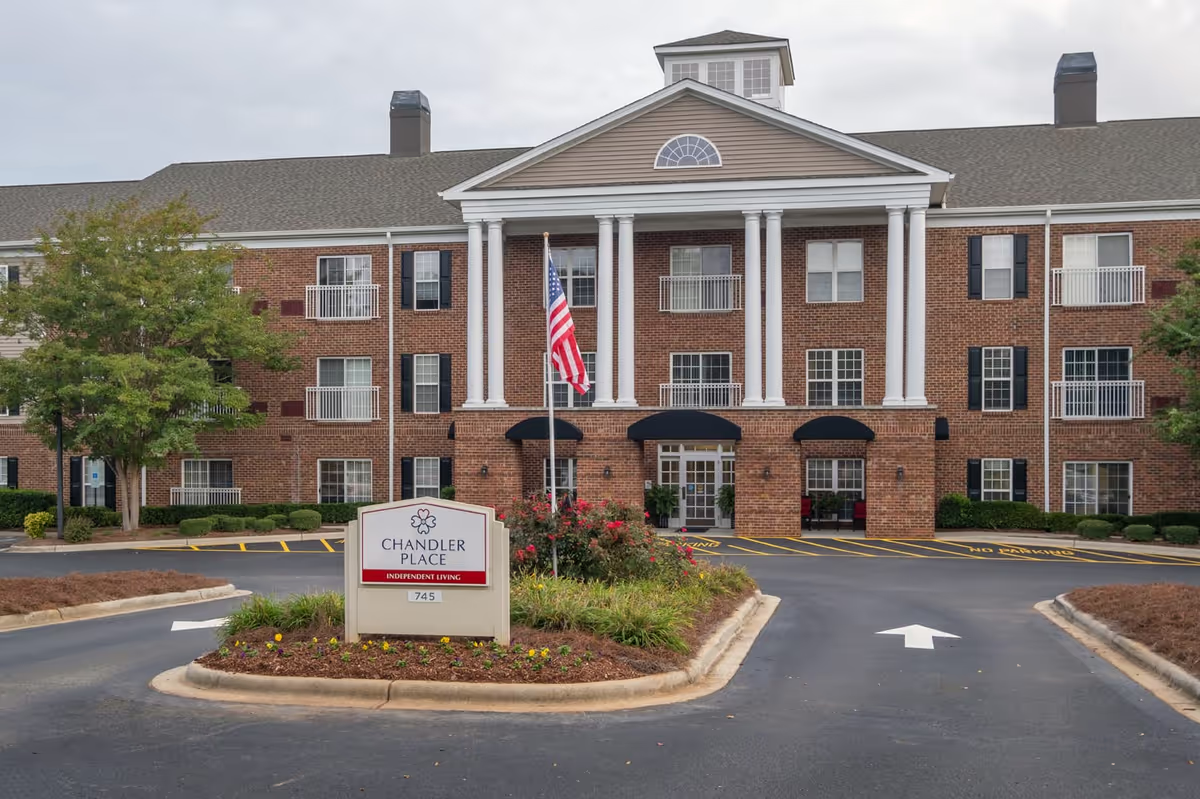
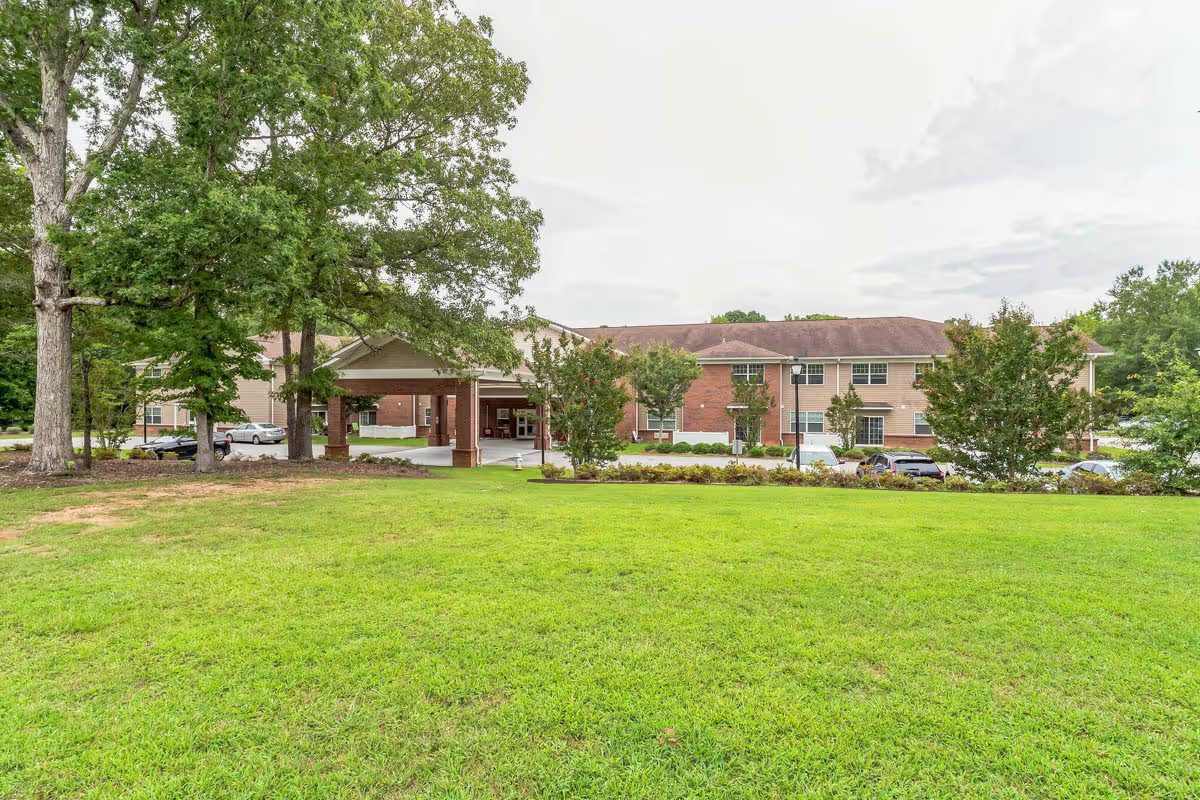
The building is frequently described as new, clean, bright, accessible, and well laid out; reviewers also value the courtyard and smaller memory-care environment. Management and sales staff receive positive feedback for tours, admission guidance, and personal attention, while other accounts describe a gap between assurances made before move-in and ongoing care delivery. Overall, the reviews suggest that the physical environment and staff warmth can be strengths, but families should closely assess memory-care staffing, supervision, care-plan implementation, medication processes, and communication practices.