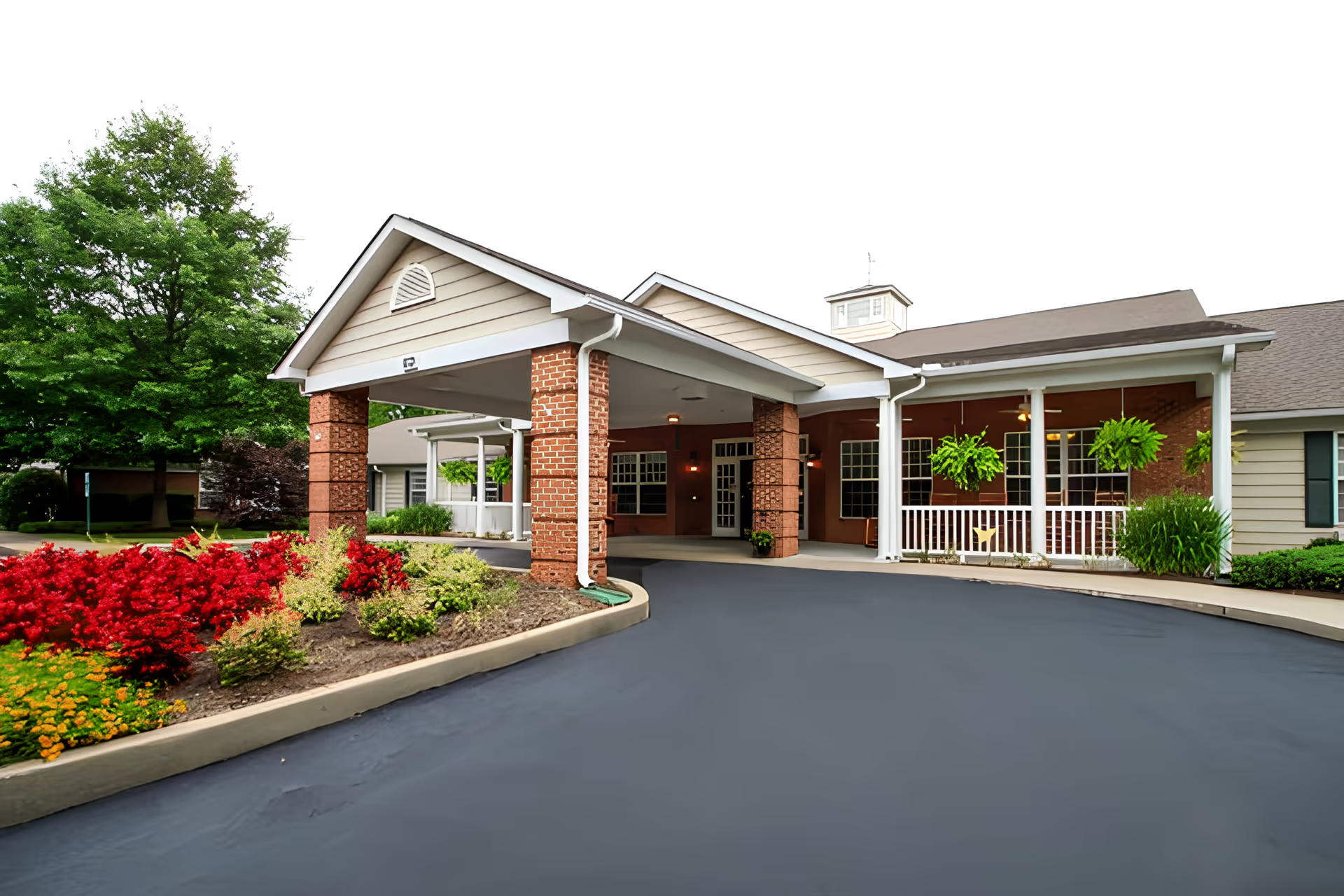
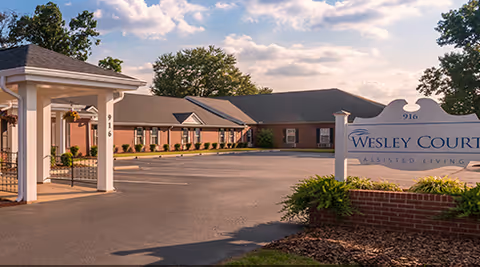
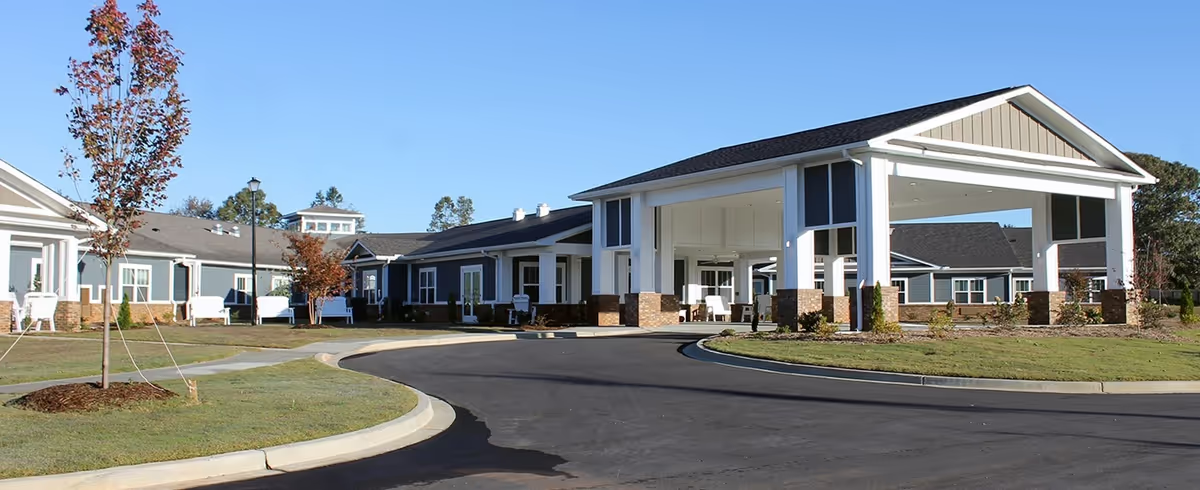
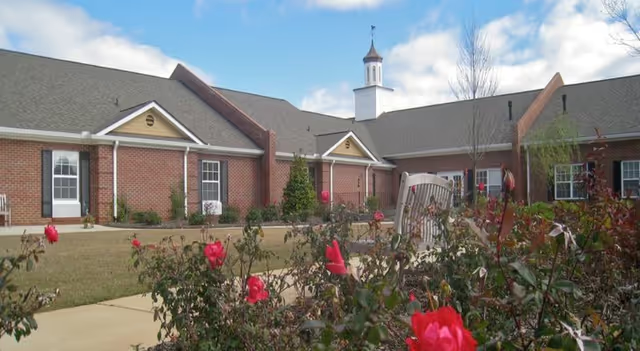
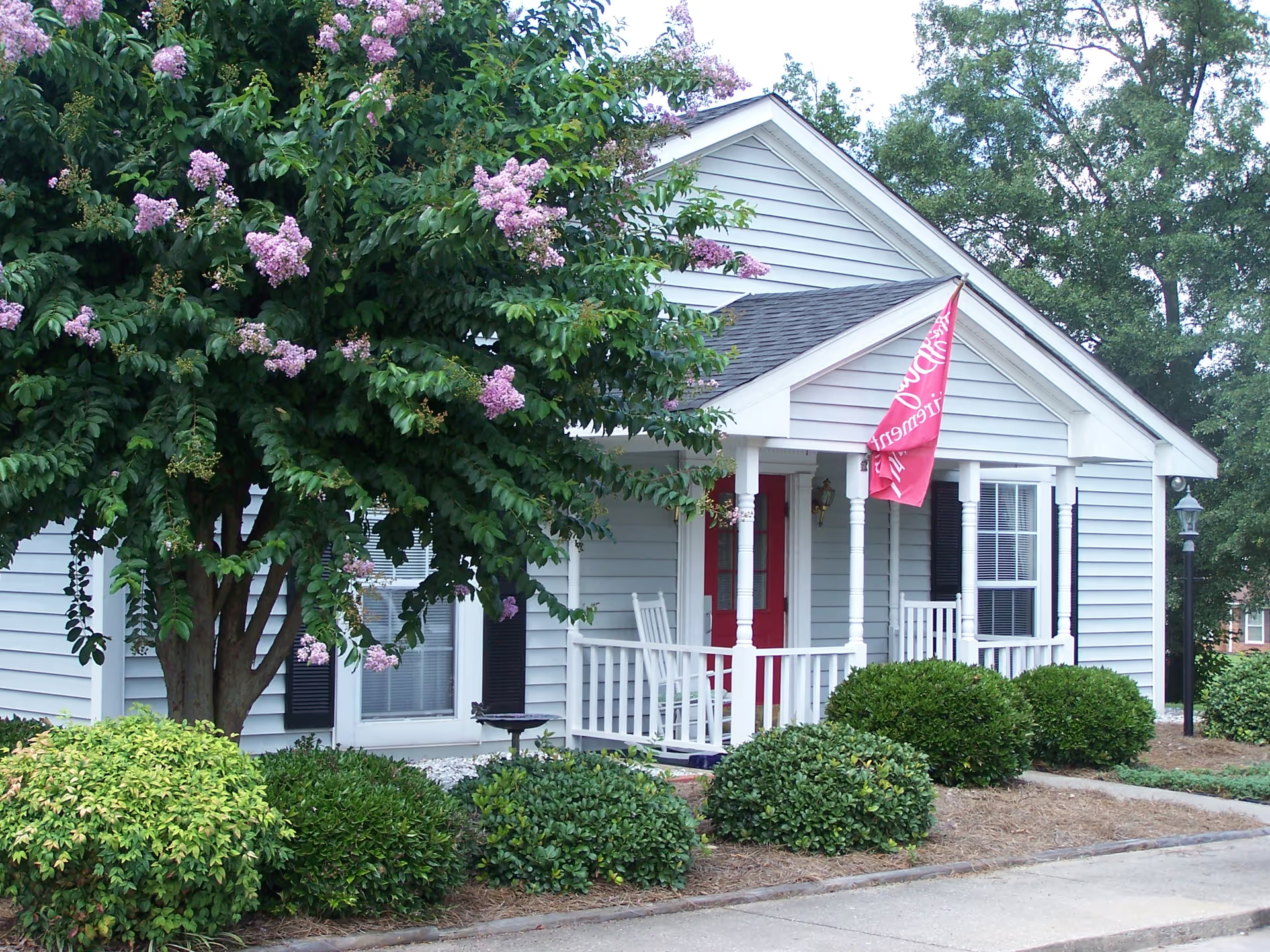
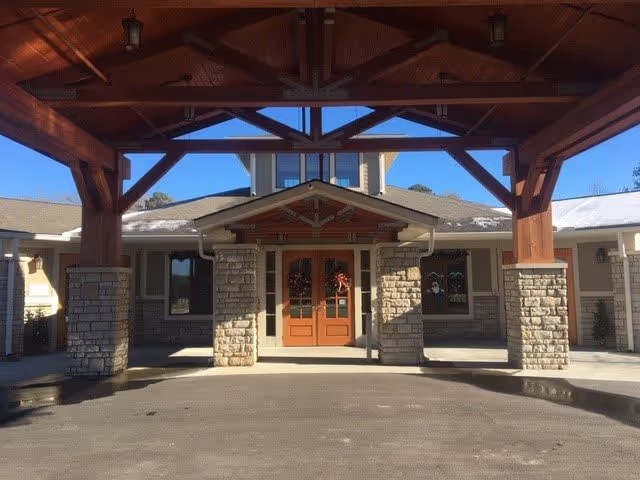
Woodland Place elicits strongly mixed feedback. Many families and residents praise the interpersonal side of care: staff are often described as warm, caring, and family-like, and long-tenured employees create continuity for some residents. The community offers active programming — daily activities, outings, bingo, exercise classes, and memory-care engagement — that several reviewers found meaningful. Dining quality is a clear strength for a number of families, with several comments noting good-to-excellent meals, evening snacks, and the ability to accommodate specific breakfast requests. Physical comforts—large rooms, private and semi-private options, a library, and scheduled transportation — also contribute to a positive experience for many residents.
At the same time, there is a recurring pattern of operational concerns. Housekeeping and room-cleaning practices are described as inconsistent, with several accounts indicating rooms were not maintained to expected standards. Understaffing and uneven staff presence appear to affect several aspects of daily life, from delayed assistance during medical events to irregular medication administration and late or missed meals. Reviewers also raised concerns about staff conduct and training, including instances that families felt were handled inadequately by leadership.
Facility maintenance and logistics are areas of mixed performance. Some reviewers highlight ongoing renovations and clean common areas, while others cite infrastructure problems (including septic and mold-related issues), neglected grounds, and sanitation concerns within certain resident rooms or storage areas. Mail and package handling problems and management decisions about access to the facility were also identified as operational weaknesses. Several accounts indicate dissatisfaction with management communication, responsiveness after hours, and how clinical incidents were investigated and communicated to families.
Safety and clinical oversight are important themes in the critical feedback. Multiple descriptions point to delayed emergency responses, concerns about transfer and fall-safety practices, and gaps in clinical-incident response and family notification. These issues, when combined with staffing variability, contribute to perceptions of inconsistent clinical reliability. Financial concerns also arise: some families perceive rent increases and pricing that do not align with the level of maintenance or care they experienced.
Overall, Woodland Place appears to offer genuine strengths in interpersonal care, activities, and meal quality for many residents, and there are indications of improvement under newer management and through facility updates. Prospective residents and families should weigh those positive elements against the documented variability in housekeeping, staffing levels, clinical responsiveness, and facility maintenance. If considering Woodland Place, stakeholders would be advised to ask specific questions about current staffing ratios by shift, recent remediation of maintenance and sanitation issues, emergency-response protocols, medication administration safeguards, and how the community handles mail/package logistics and after-hours communication.