Overall impression: Reviews present a mixed but consistent picture: the facility is physically well kept and offers engaging programming, and several families praised individual caregivers, rehabilitative staff, and medical providers. At the same time, reviewers raised operational concerns that affected clinical outcomes and family confidence. Prospective residents and families should weigh the facility’s apparent strengths in environment and therapy services against recurring operational issues described below.
Care quality: Rehabilitation and therapy services were frequently described positively, with accounts of clinicians working toward good functional outcomes. However, other accounts describe clinical deterioration events including weight loss, respiratory infection, hospital transfers, skin-integrity concerns (bruising), and fluid-balance concerns. These items suggest variability in ongoing clinical oversight, care-plan follow-through, and monitoring. There are also concerns that rehabilitation initiation and continuity can be inconsistent for some residents.
Staff and responsiveness: Staff interpersonal skills receive both praise and criticism. Many reviewers called staff personable, friendly, and accommodating, while others described inconsistent responsiveness and perceived indifference from some caregivers. Night-shift performance and shift-to-shift variability were specifically called out as weaker areas. Several comments indicate that louder or more assertive residents receive attention more quickly than quieter residents, and that families sometimes supplement care when they perceive gaps.
Infection control and sanitation: A notable incident involving COVID-19 exposure linked to a staff member was mentioned and framed by some reviewers as an infection-control lapse. More generally, there are sanitation and personal-care concerns in certain accounts (for example, delays in routine personal-care tasks). These items indicate potential gaps in infection-control procedures and in timely completion of personal-care duties.
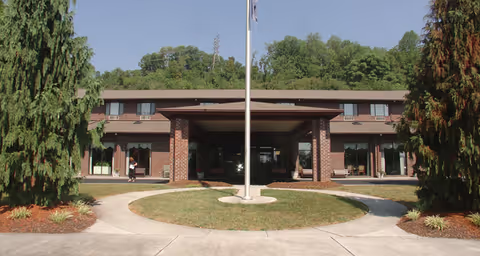
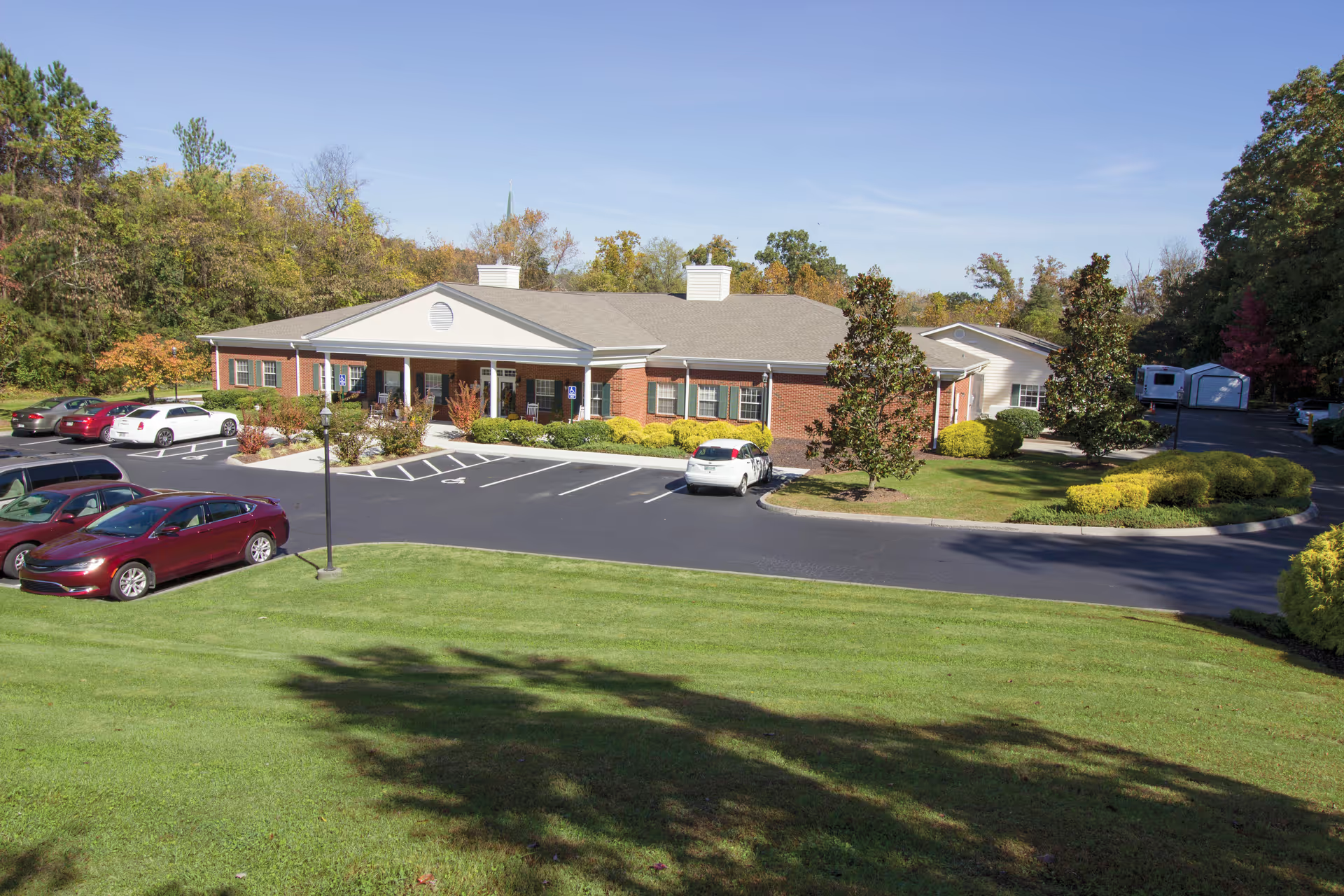
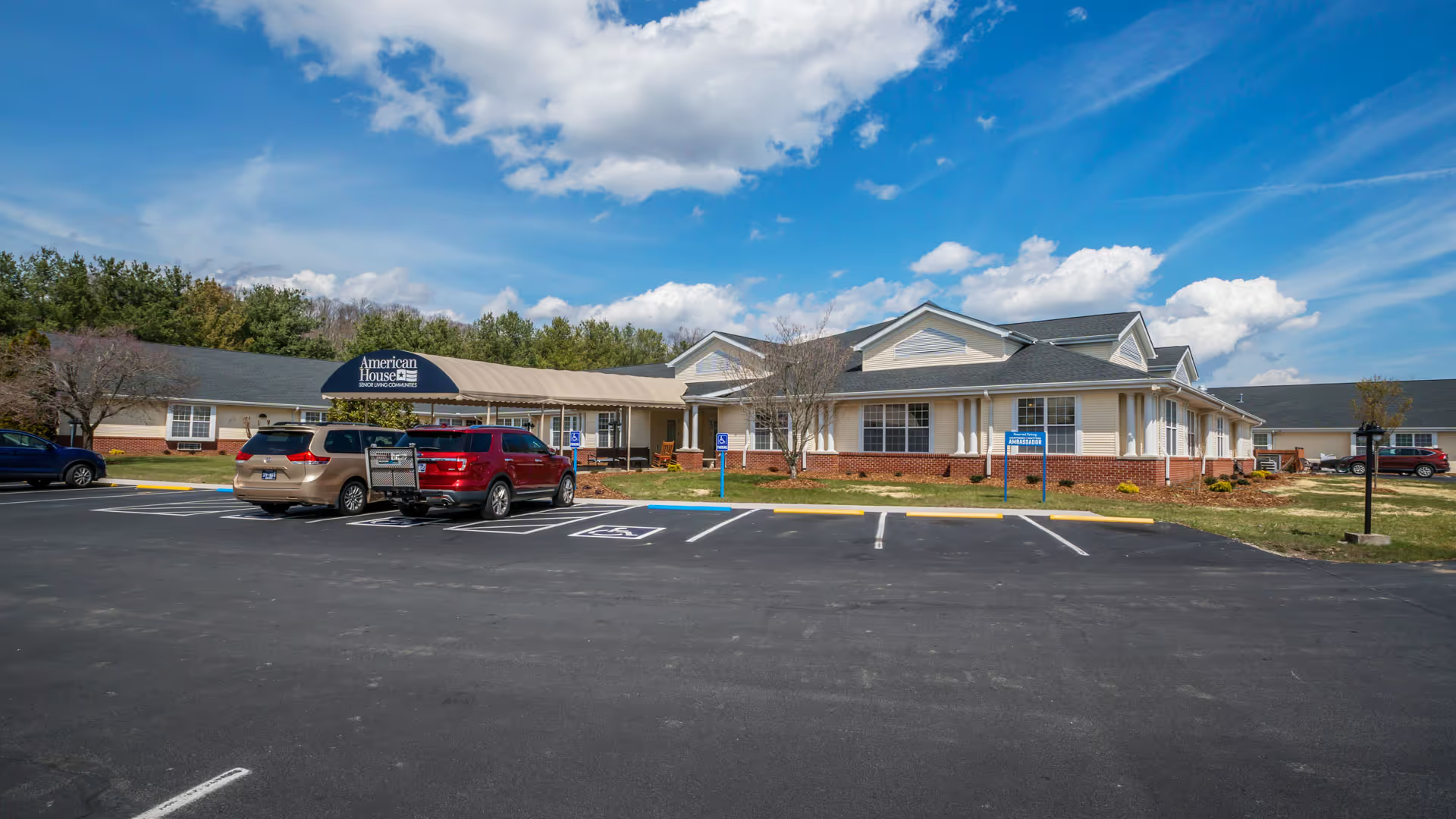
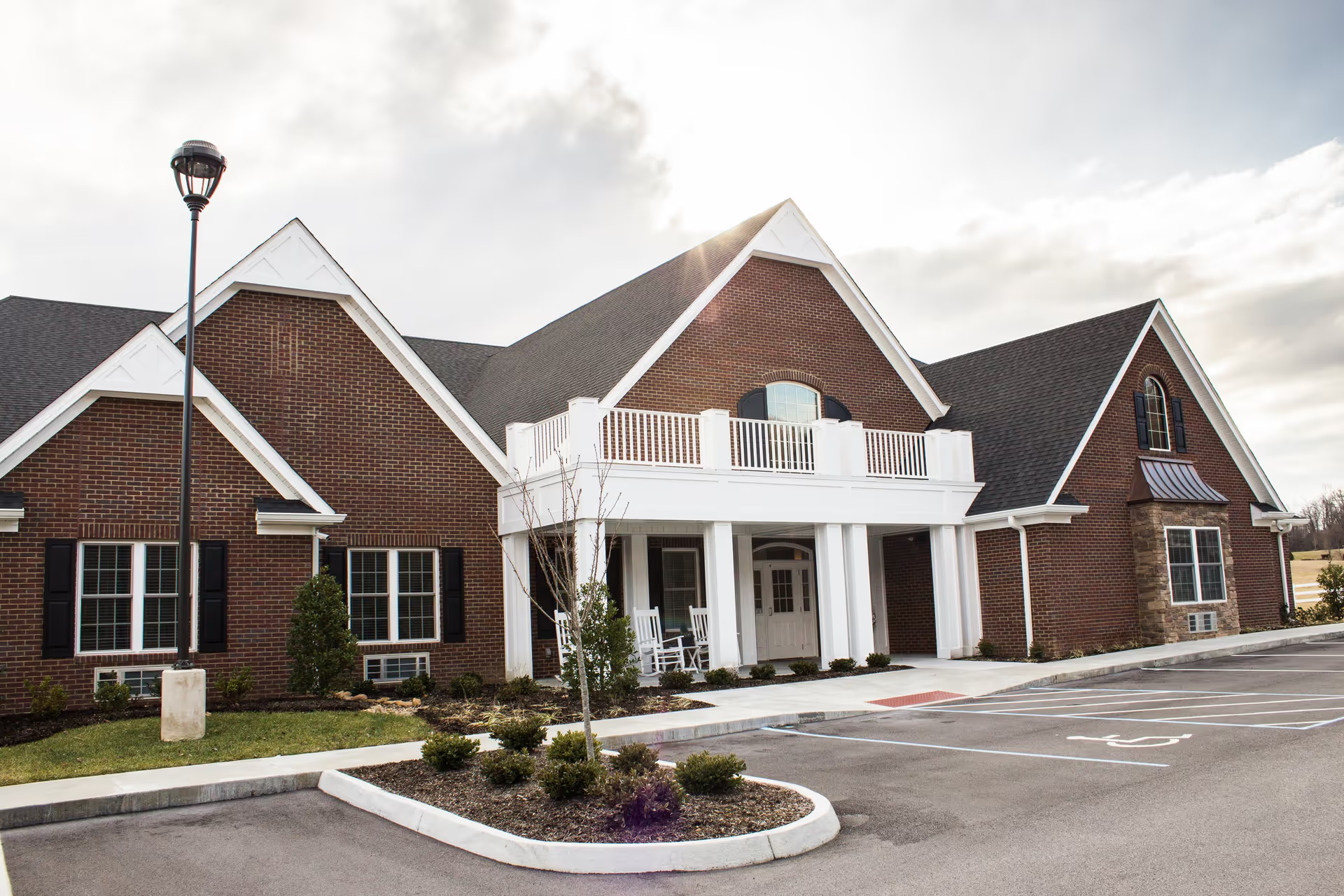
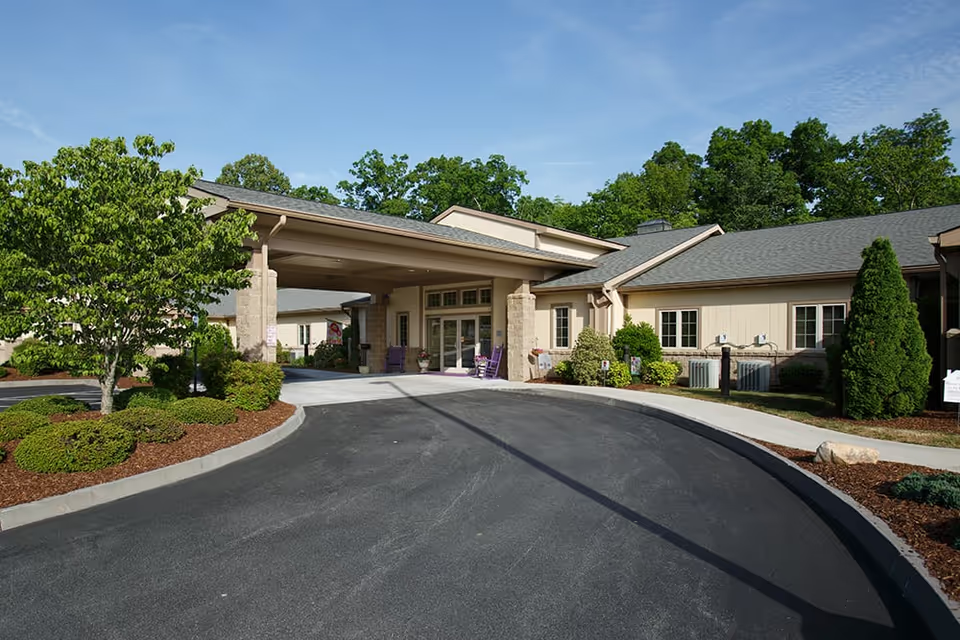
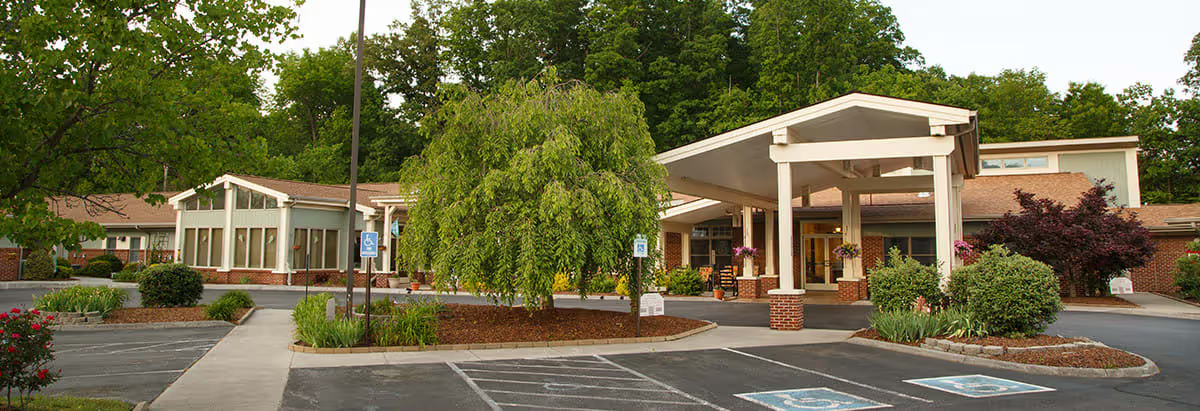
Activities, facilities, and dining: The facility’s physical appearance, cleanliness, and common areas were commonly described as attractive and well maintained. Activity programming received positive mentions for variety and engagement. There was limited and inconsistent commentary about dining; no consistent theme regarding food quality or meal service emerged from the summaries provided.
Management and communication: Management earned some positive notes for being supportive and for facility upkeep, and a few reviewers indicated staffing levels had improved or that the facility was fully staffed. Nevertheless, recurrent themes include staffing shortages at times, inconsistent communication with families, and variable follow-through on care plans. One reviewer used the phrase that the facility's appearance did not always align with the day-to-day care experience, which points to a perceived appearance–care disconnect for some visitors.
Notable patterns and guidance: The primary patterns across reviews are: (1) strong environmental and therapy resources, (2) variability in staff performance and responsiveness across shifts, and (3) occasional lapses in clinical oversight, personal-care timeliness, and infection-control practices. For families considering this facility, recommended due diligence includes observing care during different shifts (including nights), asking for specifics about infection-control protocols and staffing ratios, reviewing therapy start and follow-up processes, and establishing clear communication expectations with management.