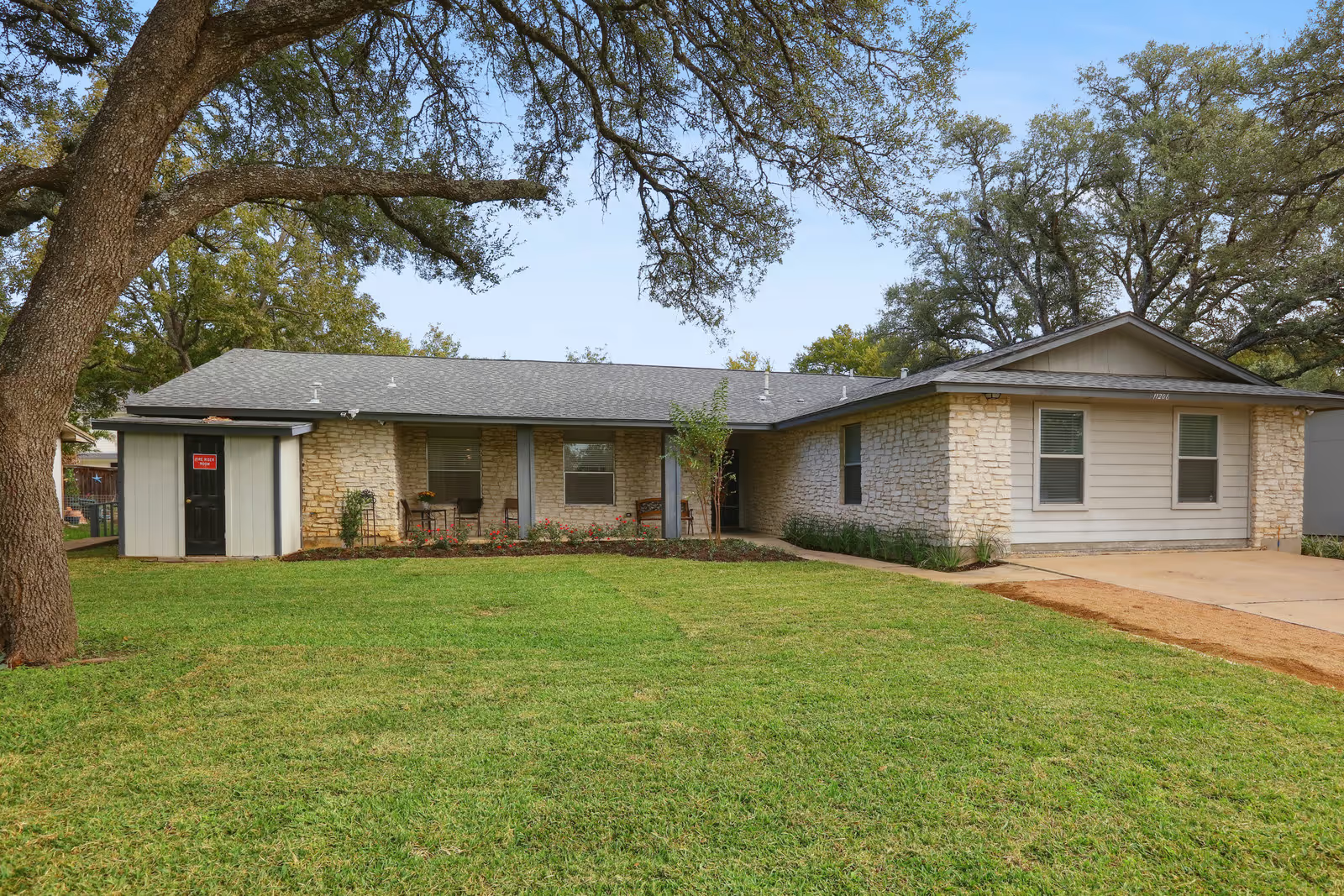
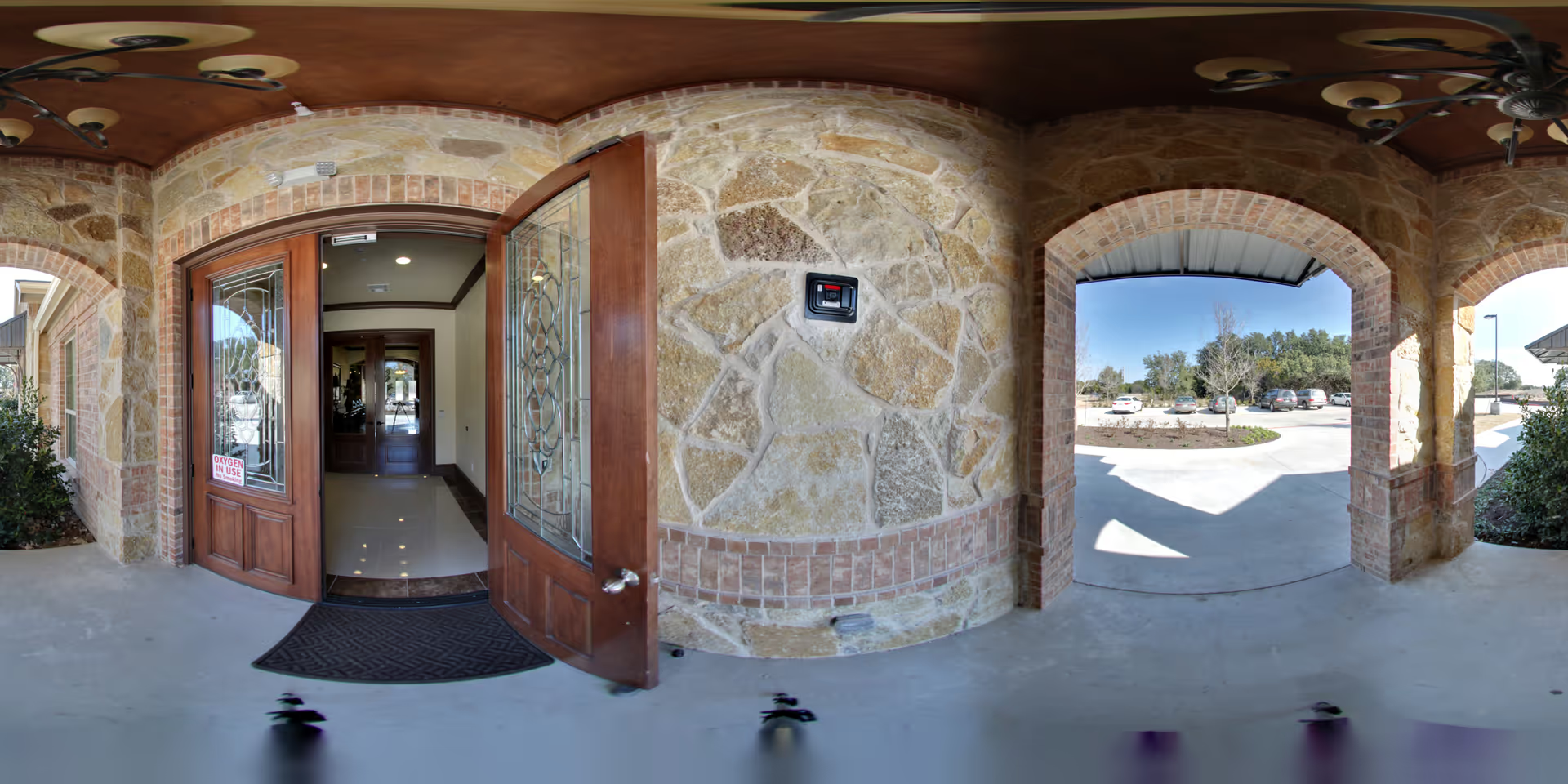
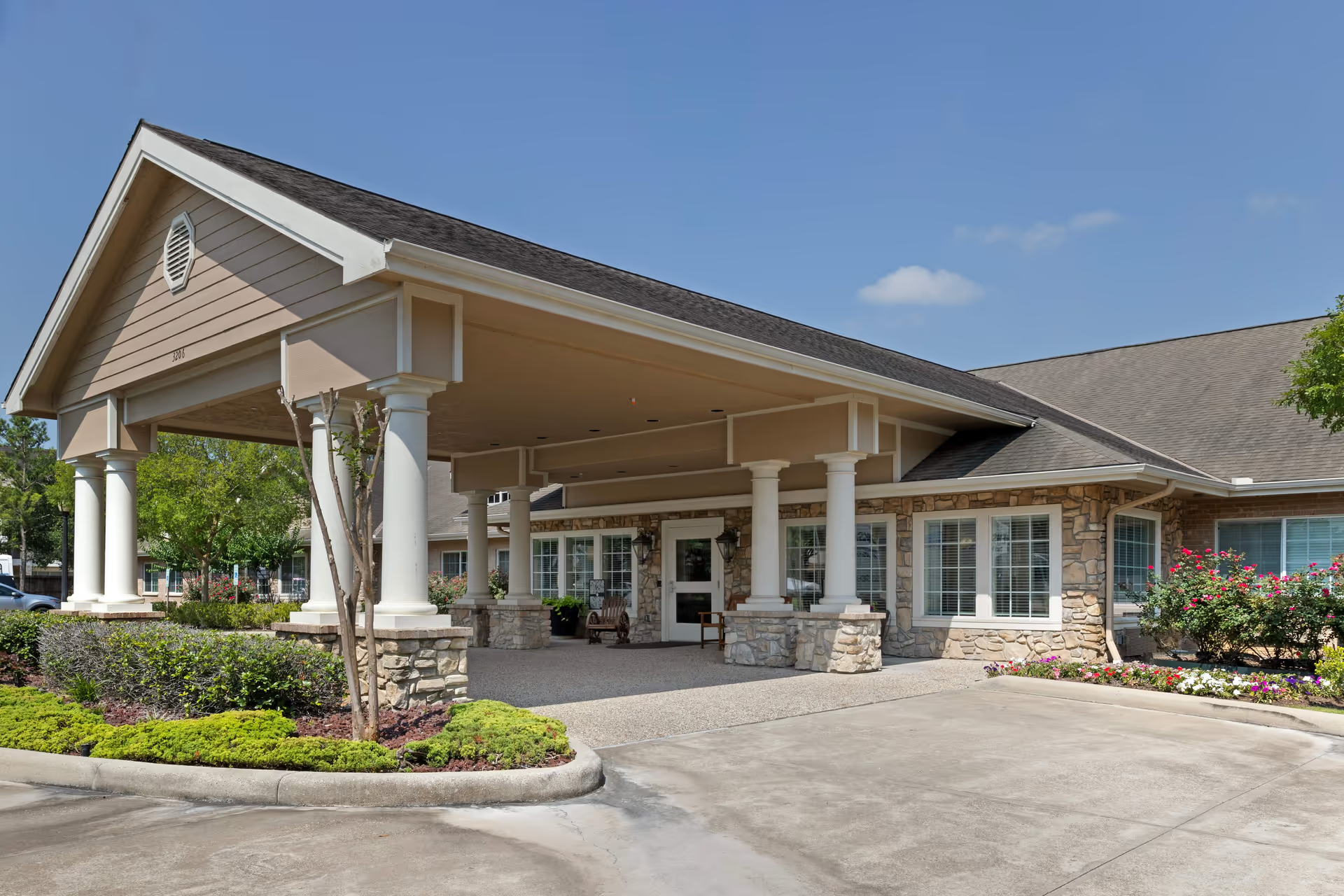
The reviews present a mixed but instructive picture of Anointed Senior Living Austin. Many families and visitors highlight strong, compassionate caregiving, visible nursing leadership, and an active life-enrichment program. The facility’s physical environment is frequently praised: clean, well-maintained common areas; thoughtfully designed, spacious rooms; multiple outdoor courtyards; and security features. Dining and hospitality are recurring strengths for many reviewers, who describe from-scratch, restaurant-style meals, a skilled chef, and private dining options. Memory-care programming, including a Montessori-inspired approach and dementia-aware caregivers, receives positive mentions alongside robust activity offerings (music, art, gardening, exercise and frequent entertainers). On-site services such as visiting clinicians, podiatry, hairstyling, and hospice support are also noted as conveniences.
Care and staffing show a clear contrast across reviews. A substantial portion of feedback praises individual staff members, long-tenured caregivers, and responsive administrators; reviewers often describe warm, family-like interactions and good family communication. However, recurring operational weaknesses appear: inconsistent staffing levels (notably at nights and on weekends), frequent turnover, and reliance on agency staff. These staffing patterns are associated with reported gaps in clinical oversight, medication-administration controls, and personal-care schedules. Families should be aware of mentions of missed or delayed clinical tasks, variable hygiene/bathing routines, and some sanitation and laundry-management problems. Several reviews raise concerns about safety monitoring — including malfunctioning or unreliable alert devices — which some families addressed by arranging additional private supervision.
Dining and activities are generally strong but not uniformly so. While many reviewers applaud the quality and variety of meals and the energetic life-enrichment calendar, other accounts describe inconsistent food quality and missed meals. The activity program is repeatedly singled out as a highlight; residents are described as engaged and benefiting from a broad schedule of offerings that support socialization and cognitive stimulation. Memory-care philosophies and individualized care plans receive positive comments, though reviewers also note that the facility may have limited capacity for intensive one-on-one care needs.
Facilities and management present a nuanced picture. The building and grounds are frequently described as attractive, secure, and thoughtfully arranged for memory care, and housekeeping is praised in many accounts. At the same time, there are operational concerns tied to management transitions and administrative practices: some reviewers describe billing disputes, unclear hospice billing practices, and uneven responsiveness from management during periods of staffing change. A small number of serious consumer concerns — including allegations related to billing transparency and other management practices — appear in the feedback and warrant specific inquiry during a tour.
Notable patterns for prospective families: the community offers a strong social environment, high-quality programming, and many individual staff members who are skilled and caring. Operational risks center on staffing reliability, clinical oversight controls, and administrative transparency. When considering placement, families should observe staffing levels during evenings and weekends, ask for specifics about medication and safety-monitoring protocols, request documentation of infection-control and laundry/personal-care schedules, clarify billing and hospice practices, and meet both nursing leadership and regular caregivers. A guided visit that includes meal observation and a review of staffing patterns will help balance the facility’s clear strengths in culture, activities, and environment against the operational concerns described in multiple reviews.