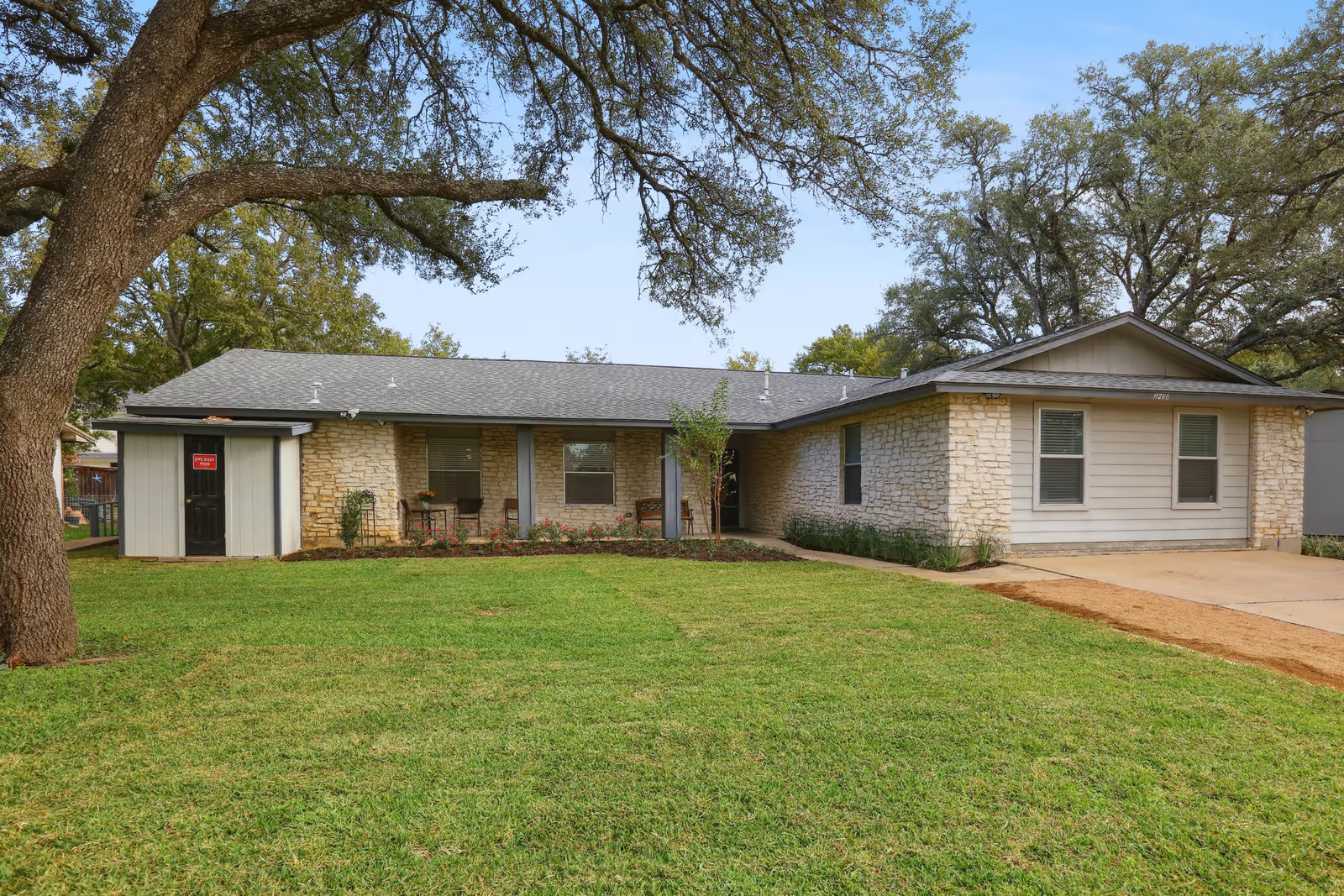
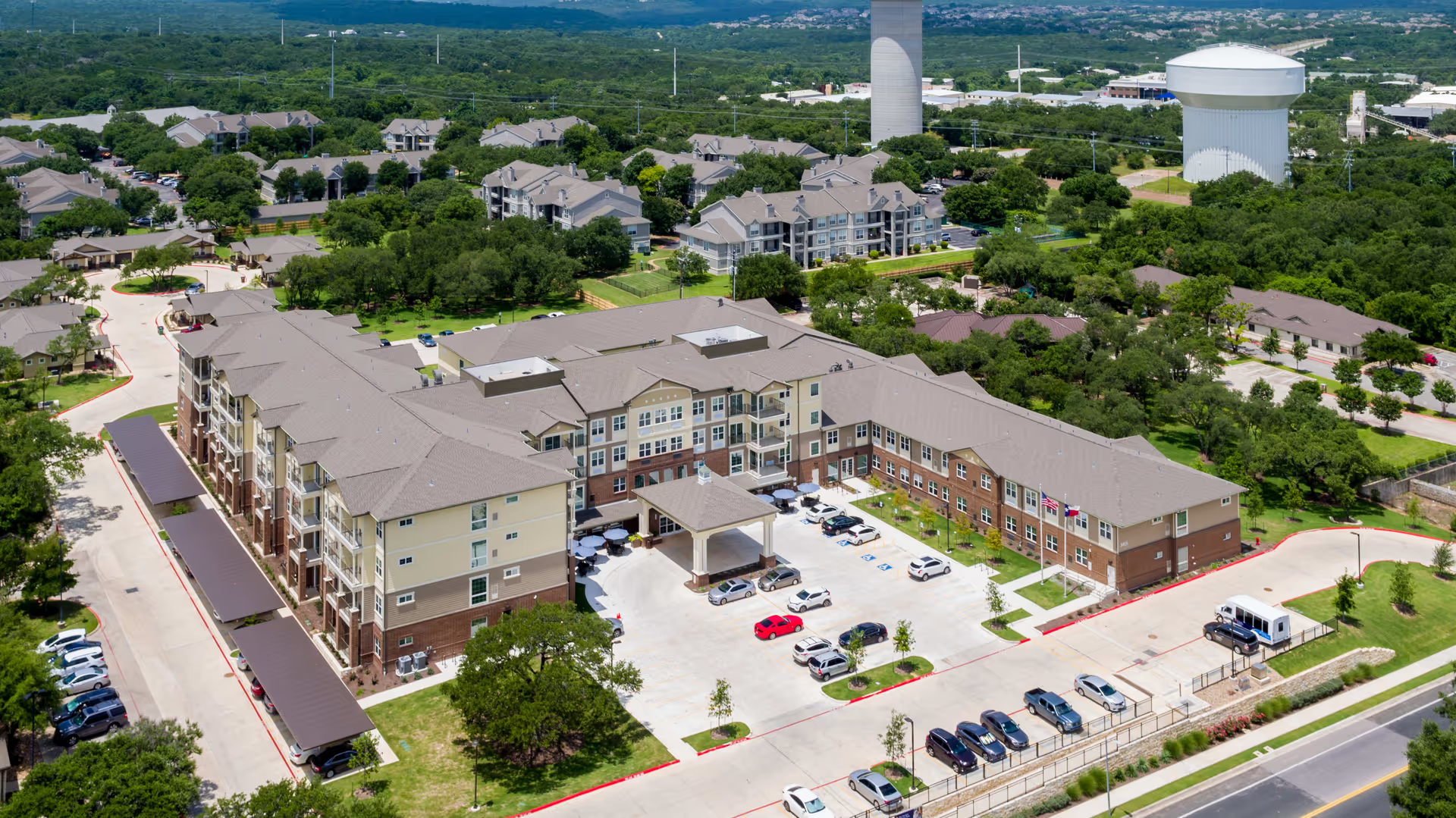
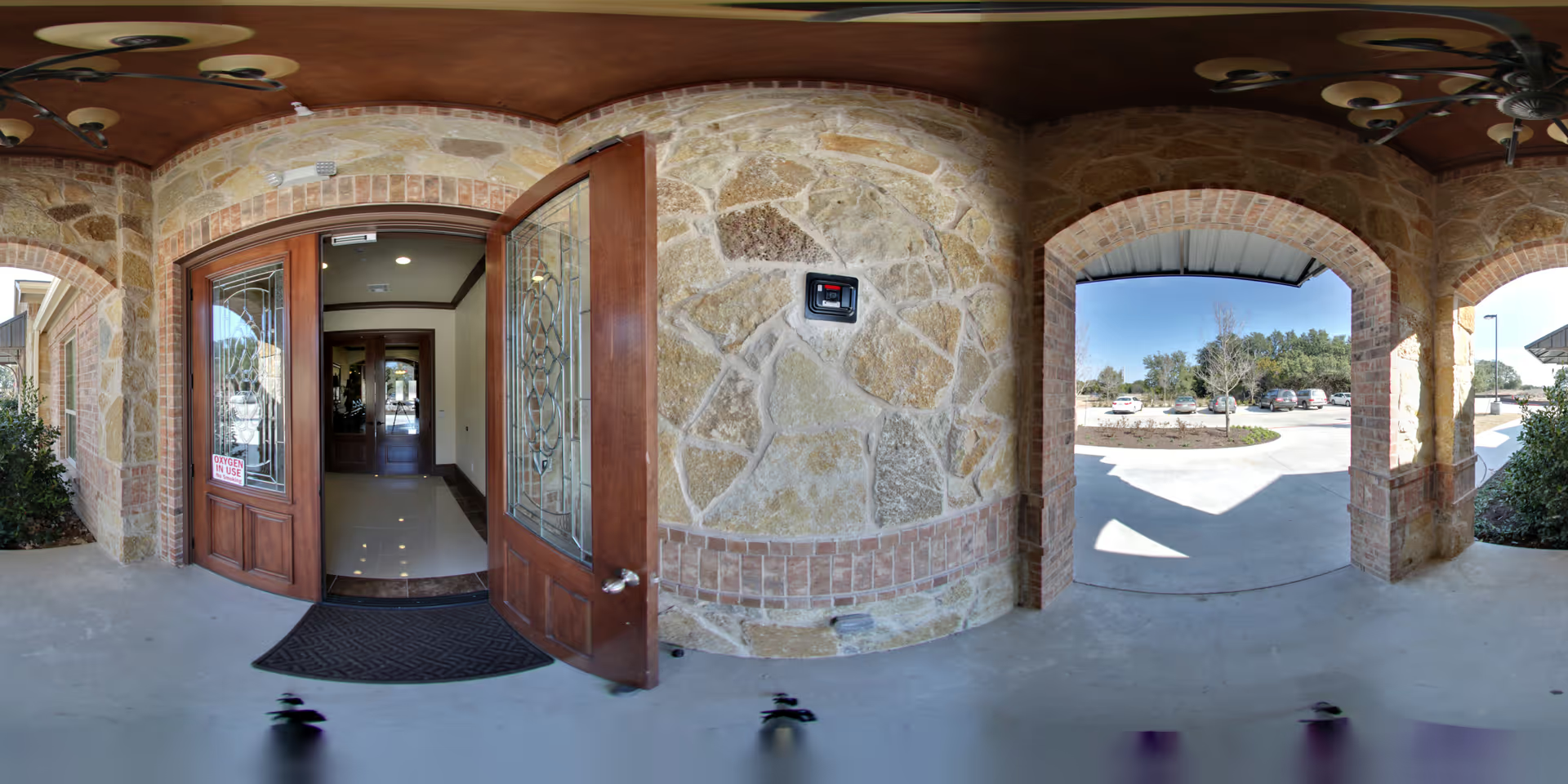
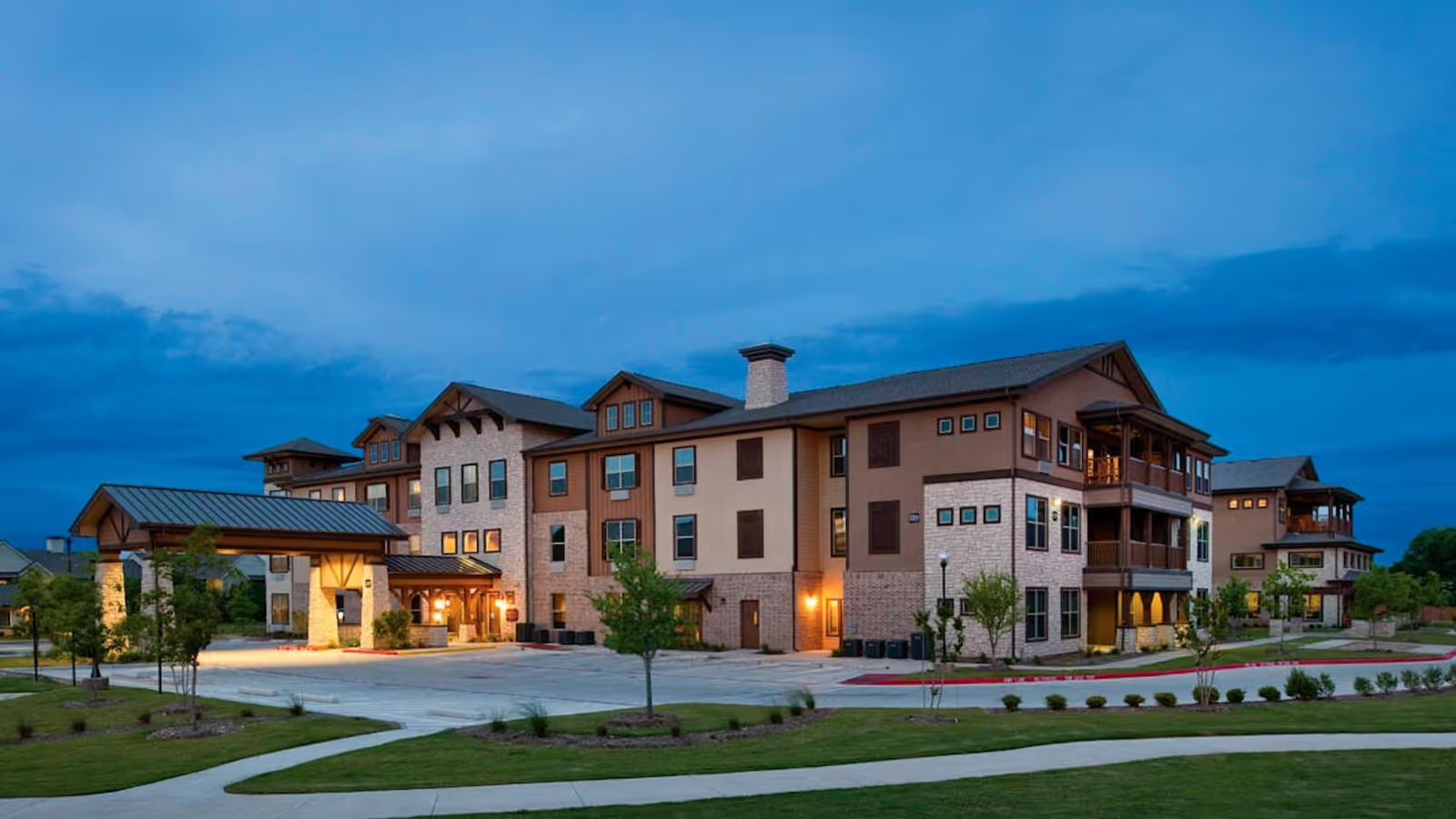
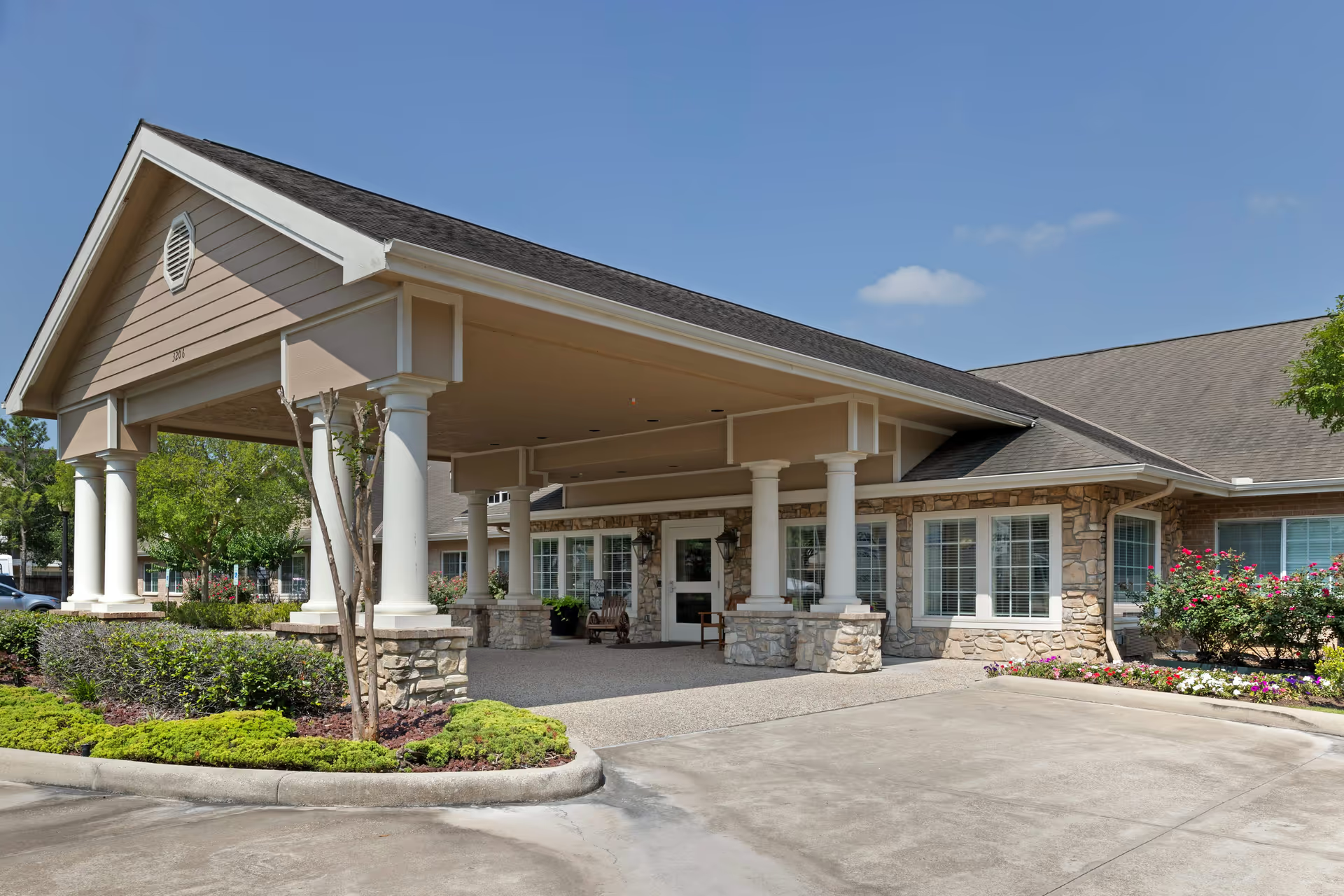
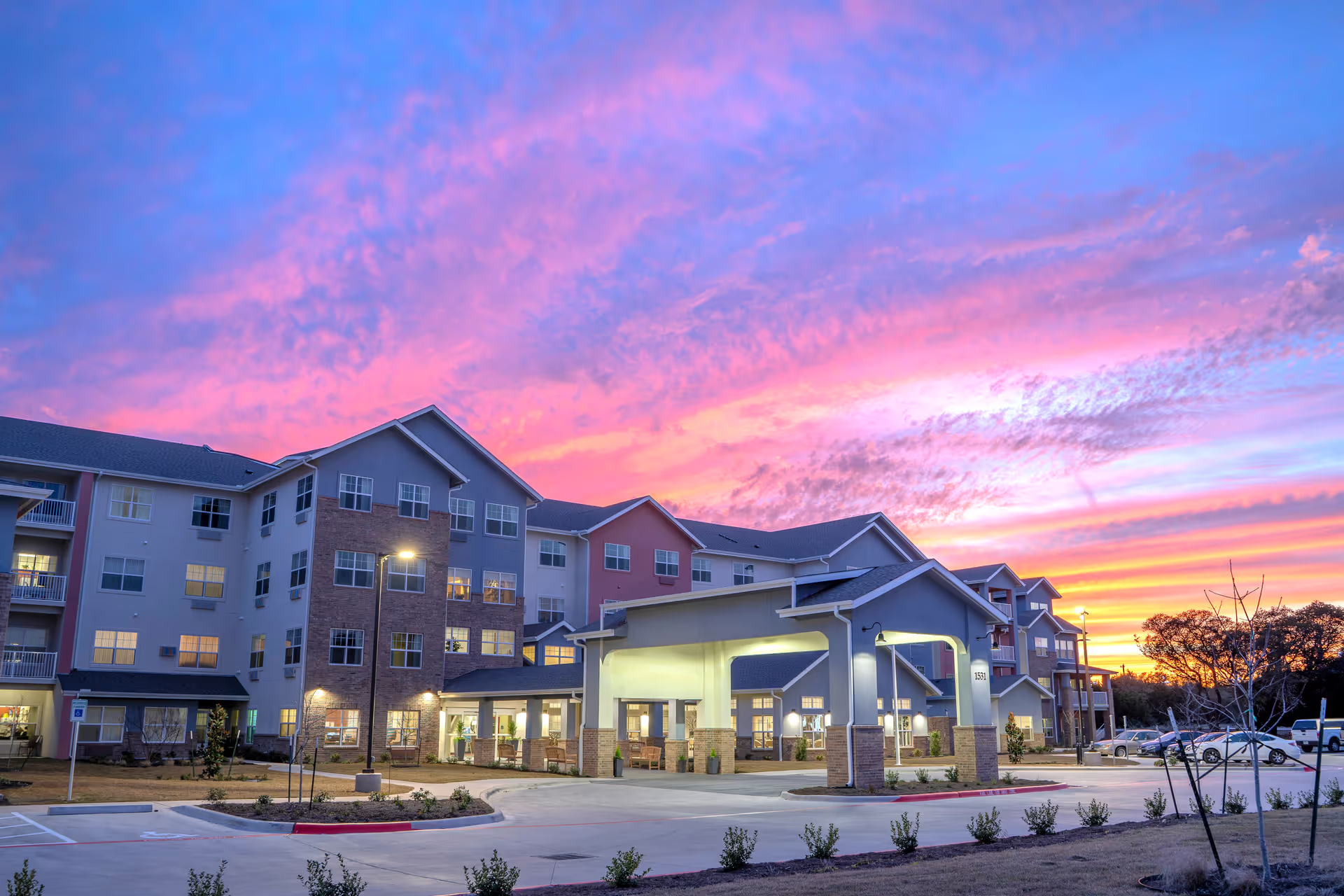
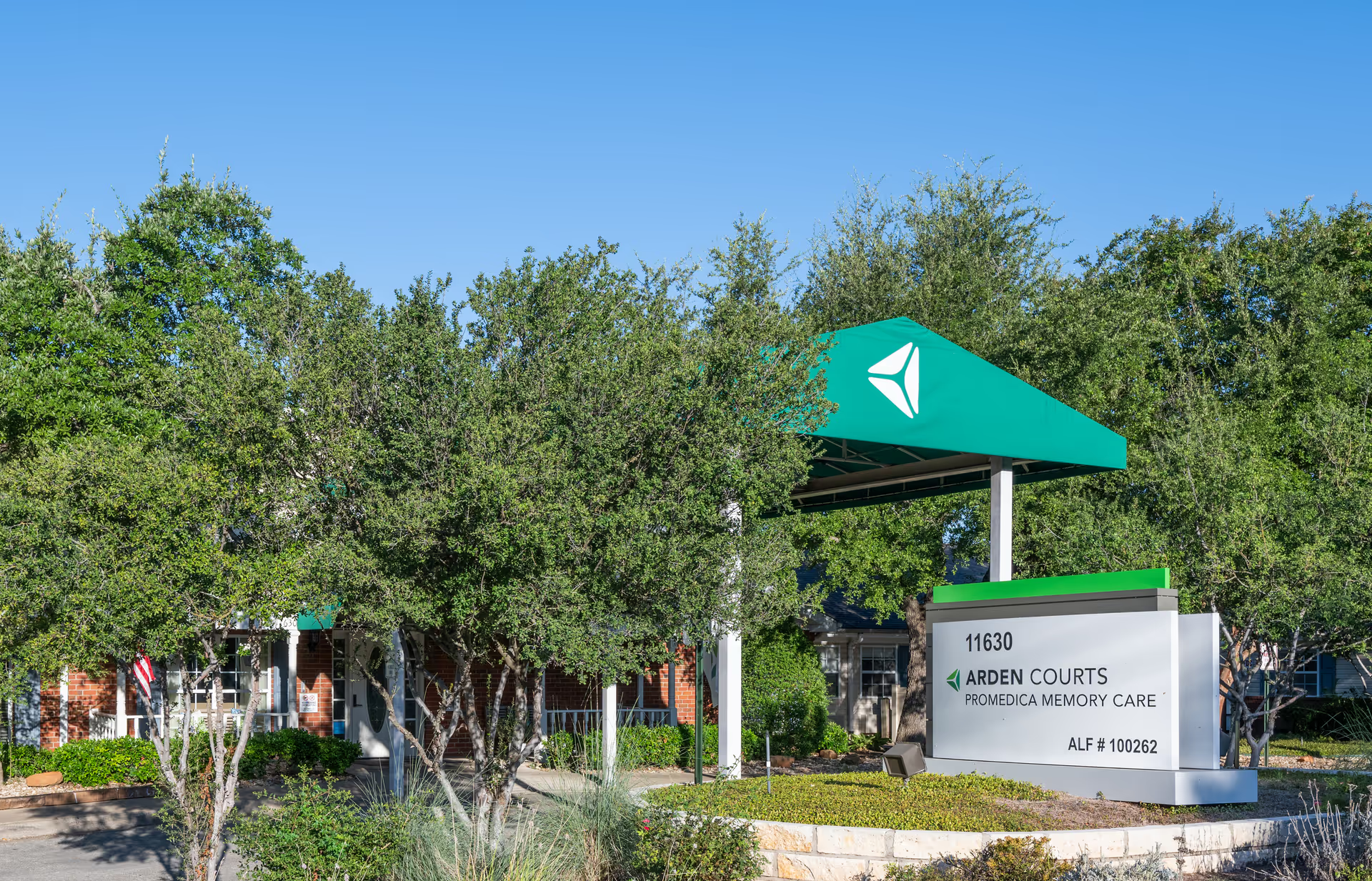
Overall sentiment from the reviews is mixed but leans positive with significant caveats. Multiple reviewers emphasize high-quality, compassionate direct care: caregivers are described as wonderful, loving, attentive, kind, and professional. Observed outcomes of that caregiving include happy residents (frequent smiles) and specific positive changes such as a resident gaining weight, which reviewers interpret as signs that daily needs and wellbeing are being met. The facility's small, intimate setting is repeatedly noted — reviewers call it a "cool concept," say it "feels like home," and describe a "nice vibe," suggesting the environment is warm and comfortable and suited to residents who benefit from a homelike atmosphere and personalized attention.
Care and staff quality is the strongest theme in the reviews. Comments about attentive caregivers who "take care of all needs" and professional, kind staff indicate that frontline employees are doing a good job meeting residents' daily care requirements and creating a pleasant atmosphere. The small size of the community likely supports this personalized attention, which many reviewers appreciated. That said, the same smallness also appears implicitly connected to other concerns (see safety and staffing below).
Facility and operational impressions are mixed. The small setting and homelike vibe are repeatedly praised and framed as part of the facility's appeal. Management responsiveness receives positive mention — reviewers say management "answered questions fully," which indicates clear communication at least during the inquiry or touring process. There is no detailed feedback in these summaries about dining, specific activities, or physical amenities, so no definitive conclusions can be drawn about those areas from the provided comments.
The most significant negative themes center on staffing levels and leadership reliability. Several reviewers express concern that staff are overloaded and directly call out safety worries tied to the caregiver-to-resident ratio. These remarks suggest that while individual caregivers are praised, there may not be enough of them to sustain consistent levels of safe, timely care under all circumstances. This is a substantive operational concern because it can affect response times, supervision, and the ability to maintain care standards if demand rises or staff are absent.
Another important and distinct concern involves ownership and follow-through. Reviewers differentiate between management and the owner: management is described as responsive, yet the owner is criticized as "not professional" and failing to follow through with promises. This pattern—responsive management but an unreliable owner—raises questions about accountability, consistency in policies or agreements, and long-term trust. Even if direct-care staff perform well day-to-day, owner-level behavior can undermine confidence for families who need reliable commitments about care plans, finances, or problem resolution.
In summary, the reviews portray Silverleaf at Anderson Mill as a small, homey community with compassionate, professional caregivers who create a positive environment and meet residents' basic needs—evidenced by smiling residents and reported weight gain. However, recurring concerns about staff being overloaded and potential safety issues due to caregiver-to-resident ratios, combined with reported unprofessionalism and broken promises from the owner, are significant red flags. Prospective residents and families who value warmth and individualized attention may find this community appealing, but they should probe further about staffing ratios, contingency staffing plans, and get any commitments from ownership in writing to ensure accountability.