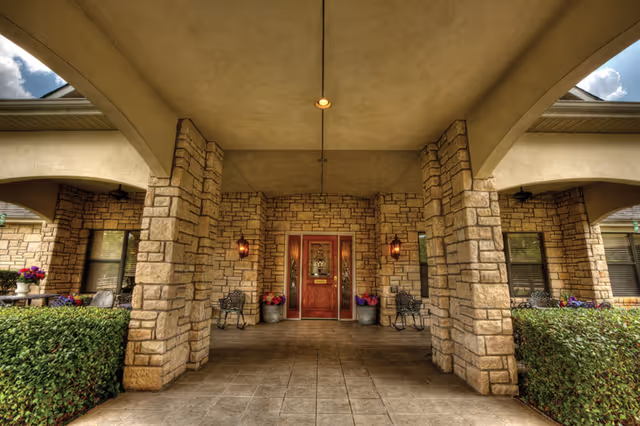
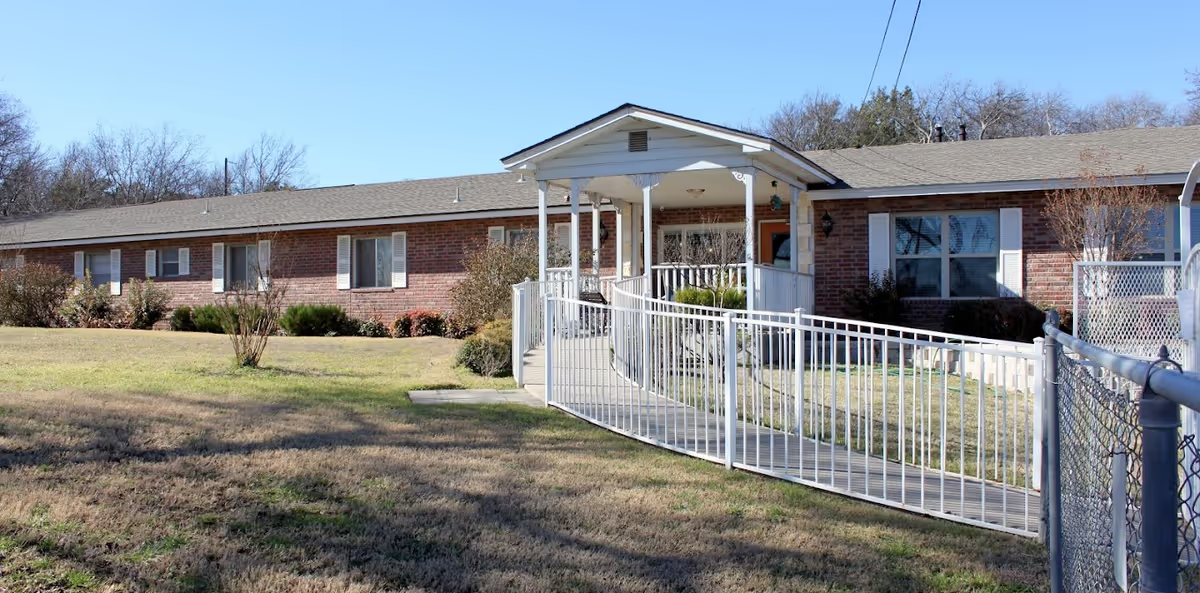
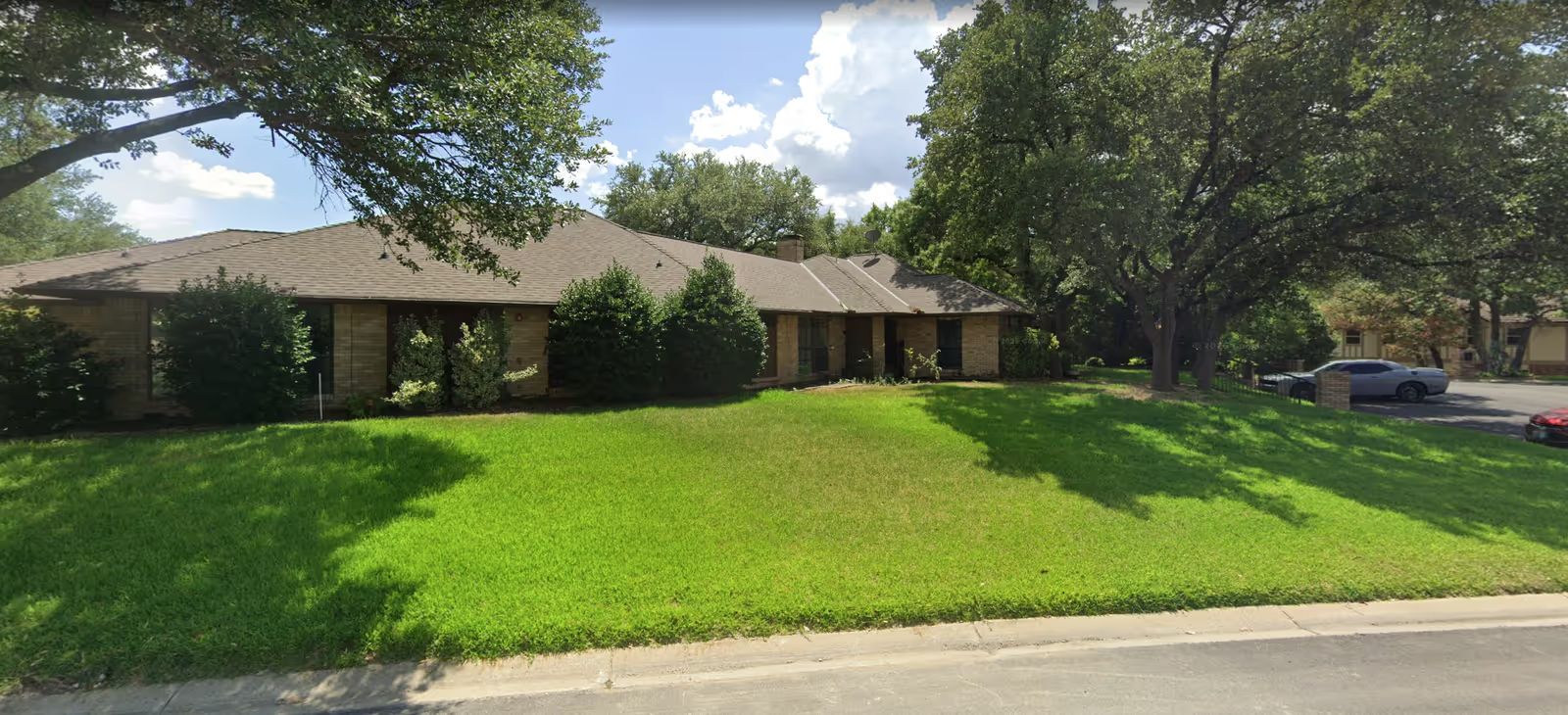
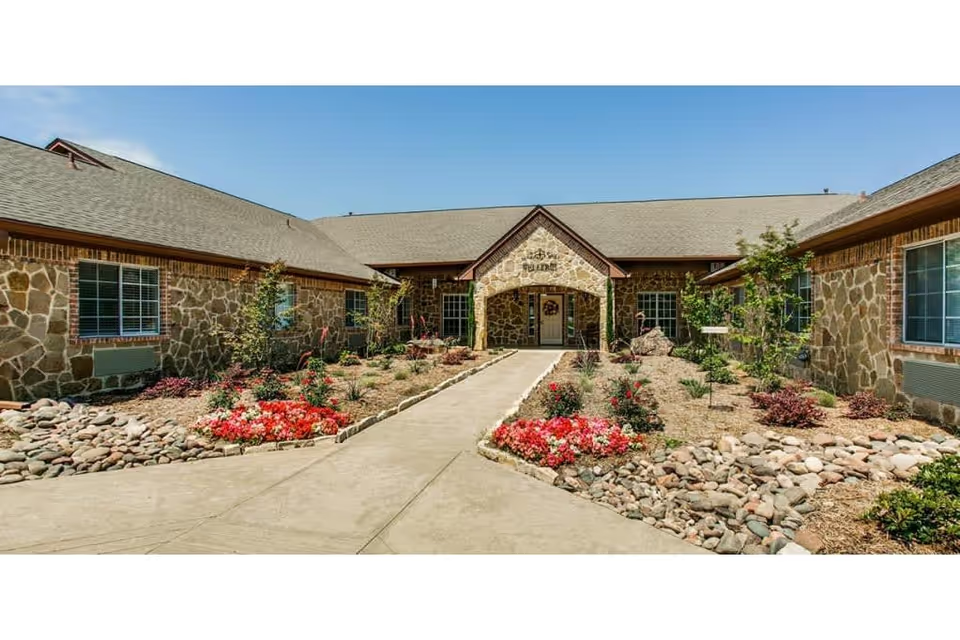
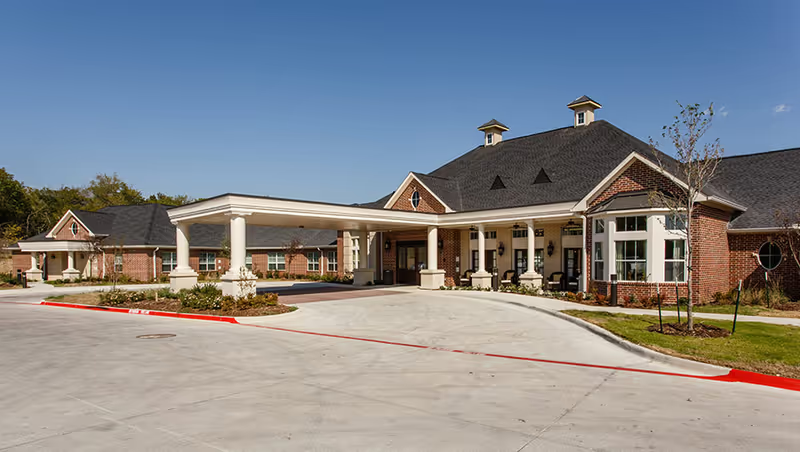
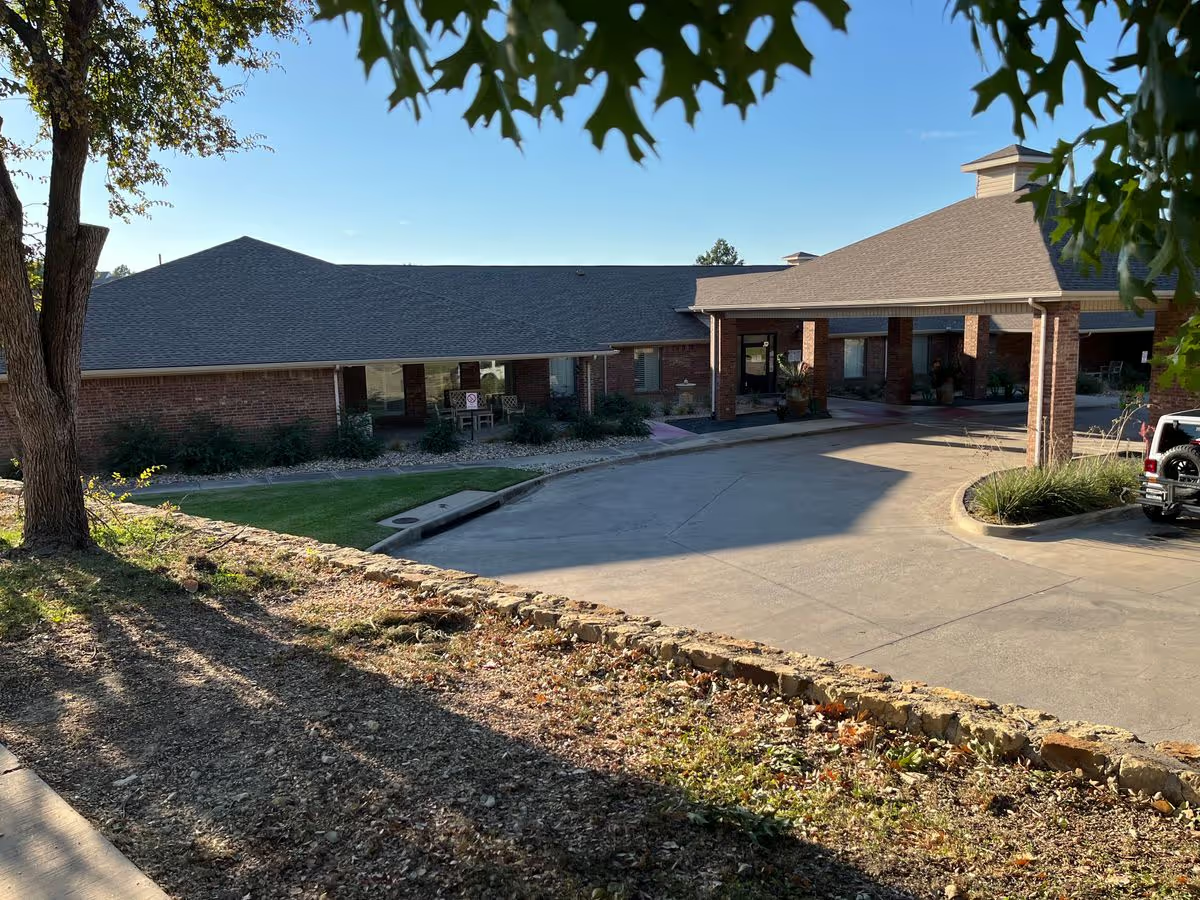
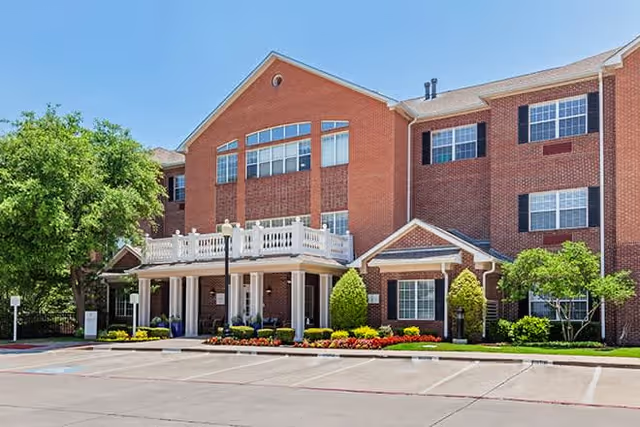
Azle Manor elicits strongly mixed impressions. Many families and former residents praise the rehabilitation services and therapy teams, describing effective physical and occupational therapy that supported successful transitions home. Nursing assistants, therapists, and some nurses receive frequent recognition for compassionate, patient-focused care, one-on-one feeding assistance, and attentive end-of-life support. The facility's physical environment is commonly described as clean, bright, and well maintained, with spacious rooms, attractive indoor features (aquariums, birds), and pleasant outdoor spaces that support visiting and activities.
At the same time, recurring operational concerns appear across reviews. Staffing levels and consistency are a persistent theme: families describe variable nurse and aide availability, which relates to delayed responses to call systems, inconsistent personal-care routines (bathing and grooming), and uneven monitoring. Several comments indicate problems with medication administration and communication with prescribing physicians — including last-minute medication changes, inconsistent dosing administration, and inadequate family notification — which contribute to agitation, sleep disruption, and care transitions that required hospitalization in some accounts. Reviewers also raise infection-prevention and clinical-device management as an area needing attention.
Dining and daily programming draw mixed feedback. Activity offerings are a clear strength when staffed and supported: reviewers praise a robust calendar (bingo, art projects, library time, concerts, outings) and named activities staff who engage residents. However, some families note a reduction in activity frequency or scope at times. Meal quality and consistency are described variably; some families find the food satisfactory and good value, while others see room for improvement in menus and service continuity.
Facility operations and management produce divergent impressions. Several reviewers commend responsive administrators and coordinated social services that eased transitions and communicated well with families. Conversely, other reviewers describe defensive or adversarial responses when concerns are raised, delays in facility repairs or vendor payments, and uneven enforcement of workplace policies (including reports of staff smoking on duty). Housekeeping and laundry controls are generally effective but have occasional lapses (lost clothing, inconsistent room upkeep) reported.
Taken together, Azle Manor presents as a facility with notable strengths in rehabilitation, individualized caregiving, and an inviting physical environment, alongside operational weaknesses tied to staffing consistency, clinical-communication processes, and certain practice controls. Prospective residents and families should consider an in-person tour, ask specific questions about current staffing ratios and medication-administration protocols, review infection-control and transfer-safety procedures, and clarify the facility's complaint-resolution pathway before making placement decisions.