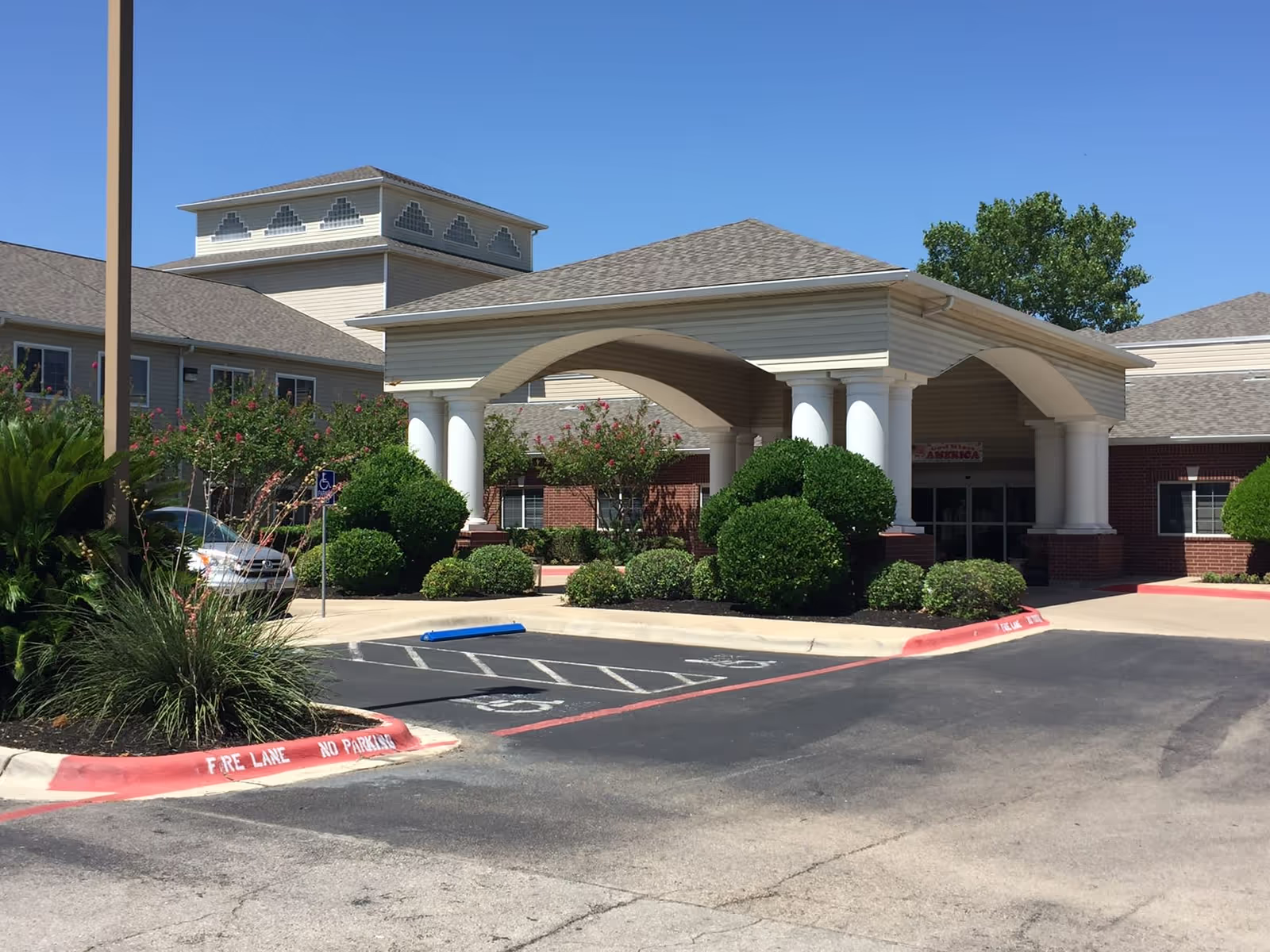
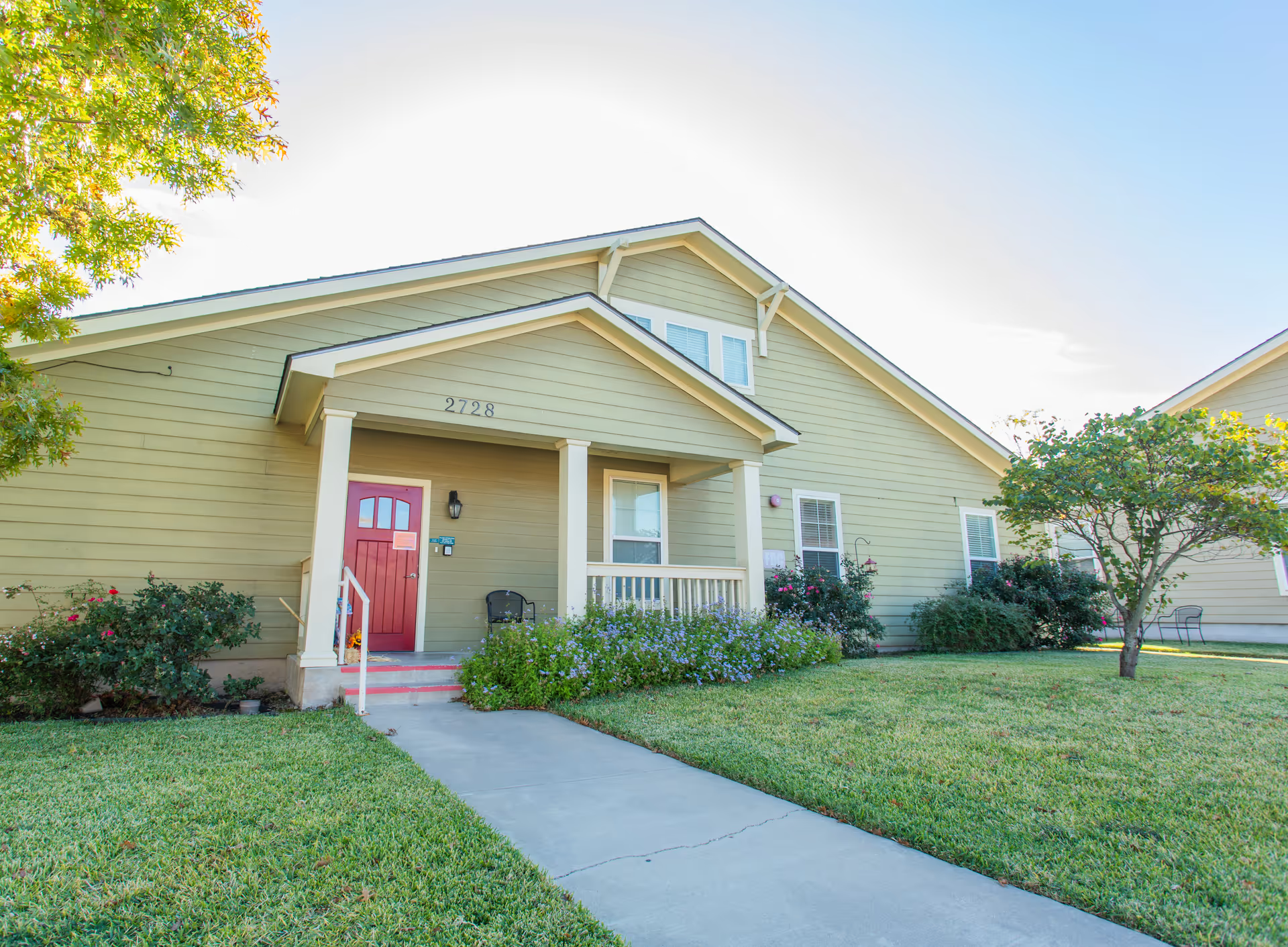
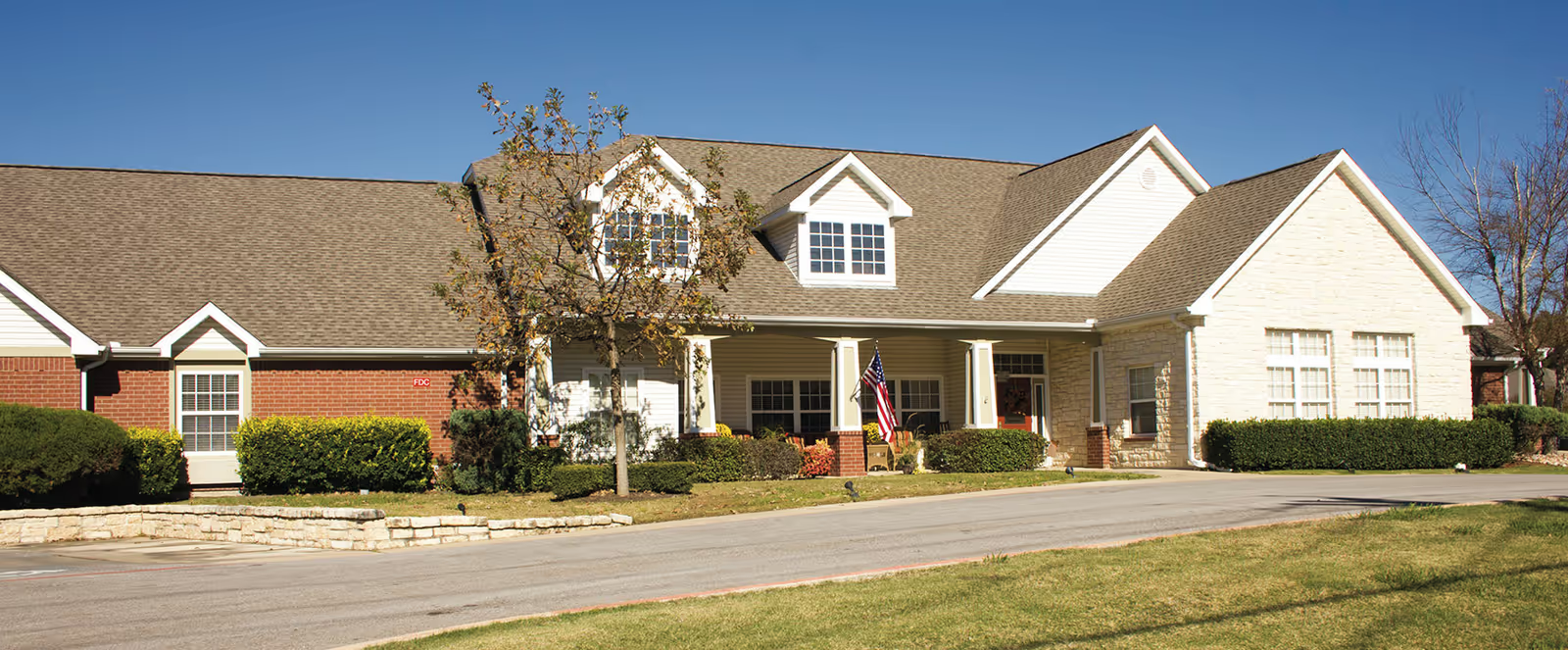
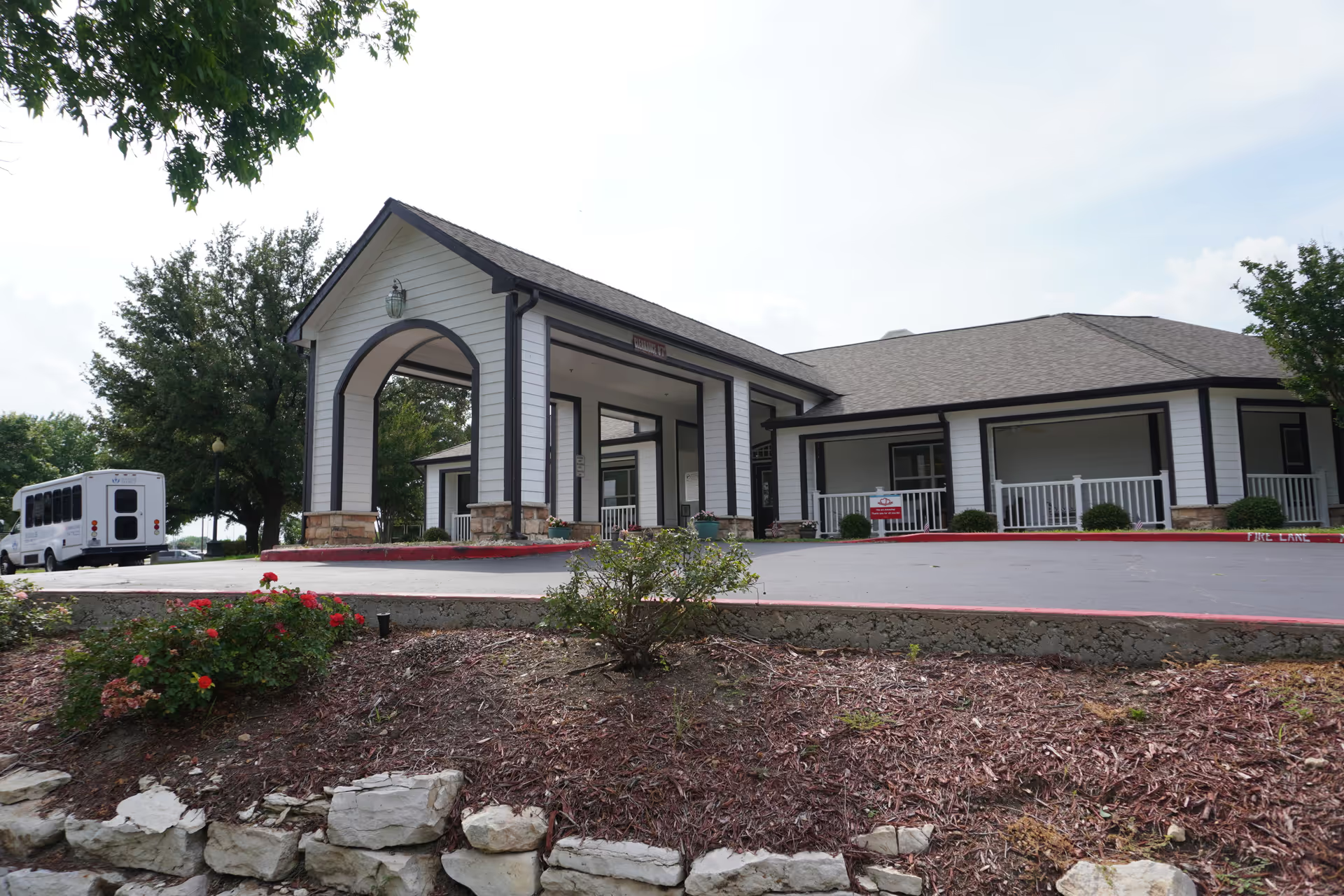
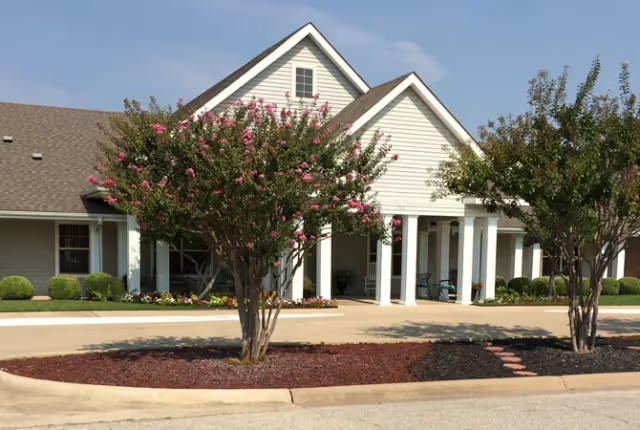
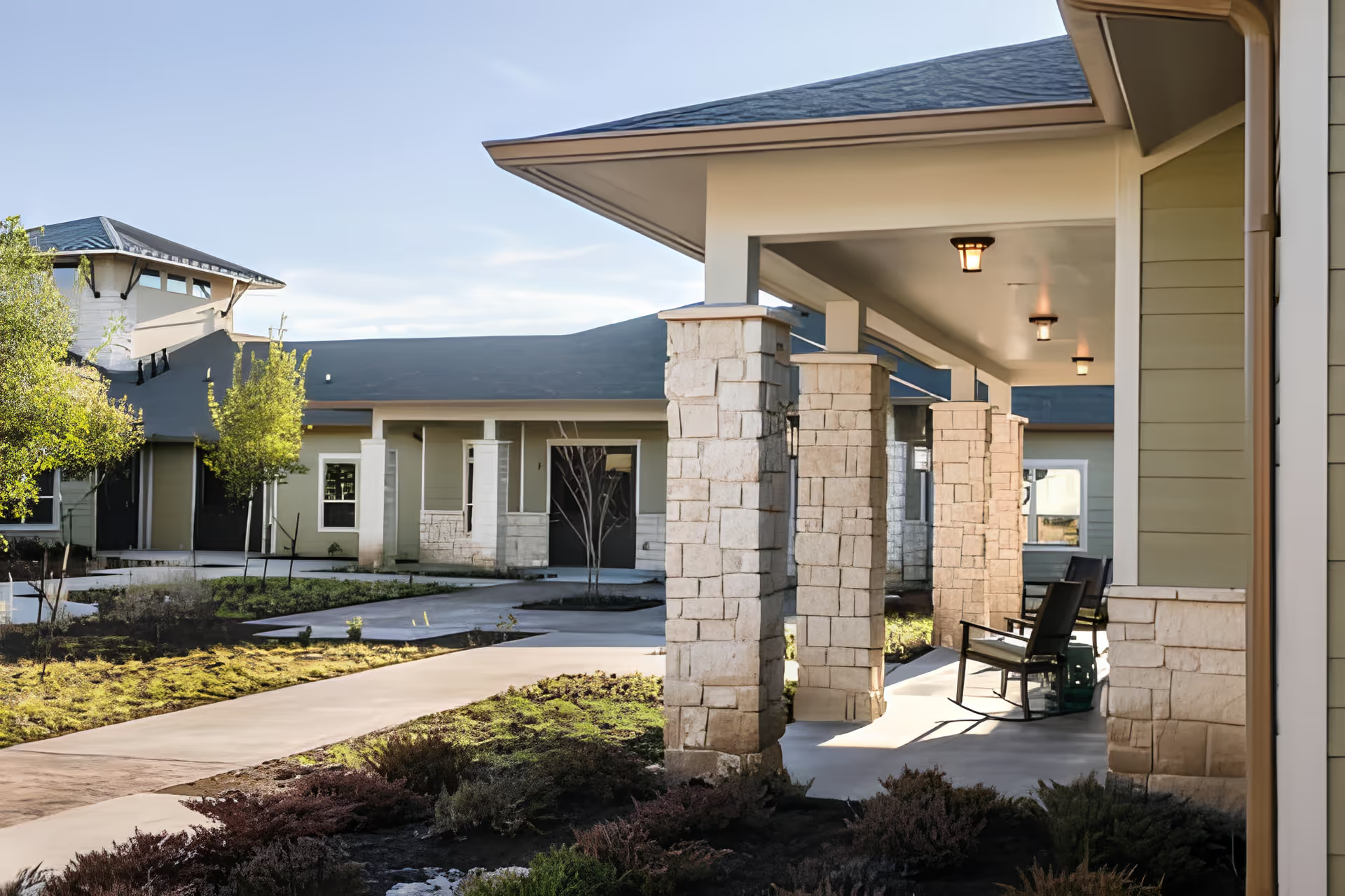
Stoney Brook of Belton presents as a modern, well-kept assisted living and memory-care campus with many positive operational features alongside several recurring operational concerns. Families commonly praised the facility’s appearance, grounds, and amenities — a bright single-story layout, pleasant common areas, multiple on-site amenities (movie/media rooms, salon, spa tub), and scheduled transportation. Admissions and life-enrichment staff are frequently described as welcoming and helpful, and many reviewers highlighted caring, attentive front-line caregivers and proactive family communication in multiple cases.
Care quality shows a mixed pattern. On the positive side, reviewers describe attentive assistance, timely medication administration in some cases, maintained bathing routines for some residents, and staff who provide individualized attention and social support. However, there are repeated concerns about medication management (documentation inaccuracies, medication changes without family notification, and dosing/administration inconsistencies), slow call-button response times, and gaps in nighttime checks and other monitoring. Several families also described delays in clinical attention after falls or acute needs. These items suggest variability in clinical processes and response systems across shifts.
Staff and culture present contrasts. Many families praise warm, compassionate caregivers and helpful activities staff; others describe inconsistent staff conduct, instances of discourtesy or discriminatory behavior, and evidence of staffing shortages or burnout. Memory-care operations are described as secure in design, but reviewers raised concerns about the adequacy of dementia-specific training and behavioral-management protocols, along with a few resident-on-resident incidents and issues with entry/exit procedures that indicate a need to review policies and staff training specific to higher-acuity memory-care needs.
Dining and activities are focal points for mixed feedback. The dining program offers restaurant-style service and a broad menu; some residents enjoy the meals and regular outings to local restaurants, while others noted inconsistent food quality, preparation issues (over/undercooked proteins), limited diabetic or therapeutic options, and small portions at times. Activity programming is active — with bingo, church services, entertainment, exercise classes, and themed events — but also described as repetitive by some families and limited in terms of regular outings, crafts, gardening, or live music for residents seeking a more robust schedule.
Facility operations and management show both strengths and weaknesses. Maintenance and housekeeping are generally satisfactory for common areas, and grounds are well maintained, yet reviewers mention uneven housekeeping in some private rooms, intermittent maintenance reliability (prolonged air-conditioning outages, delayed small repairs), and visible minor deferred maintenance. Administrative concerns include billing transparency, perceived fee increases or extra charges for amenities, and errors in incident or elopement reporting in some accounts; these point to opportunities for improved administrative controls and clearer family communication about costs and policies.
Taken together, the pattern suggests Stoney Brook of Belton can be a comfortable, amenity-rich option for residents who value a modern environment, active communal life, and attentive staff in many cases. Prospective residents and families should weigh those strengths against operational variability in clinical oversight, medication processes, staff consistency, dining quality, and administrative transparency. For families considering placement, recommended due diligence includes: (1) asking to review medication administration and incident-reporting procedures, (2) clarifying how the facility handles dementia-related behaviors and memory-care exit/entry controls, (3) sampling meals and discussing dietary accommodations, (4) inquiring about staffing levels by shift, and (5) requesting written information on fees and services included versus fee-based. These steps can help align expectations and identify whether the facility’s strengths match an individual resident’s care needs.