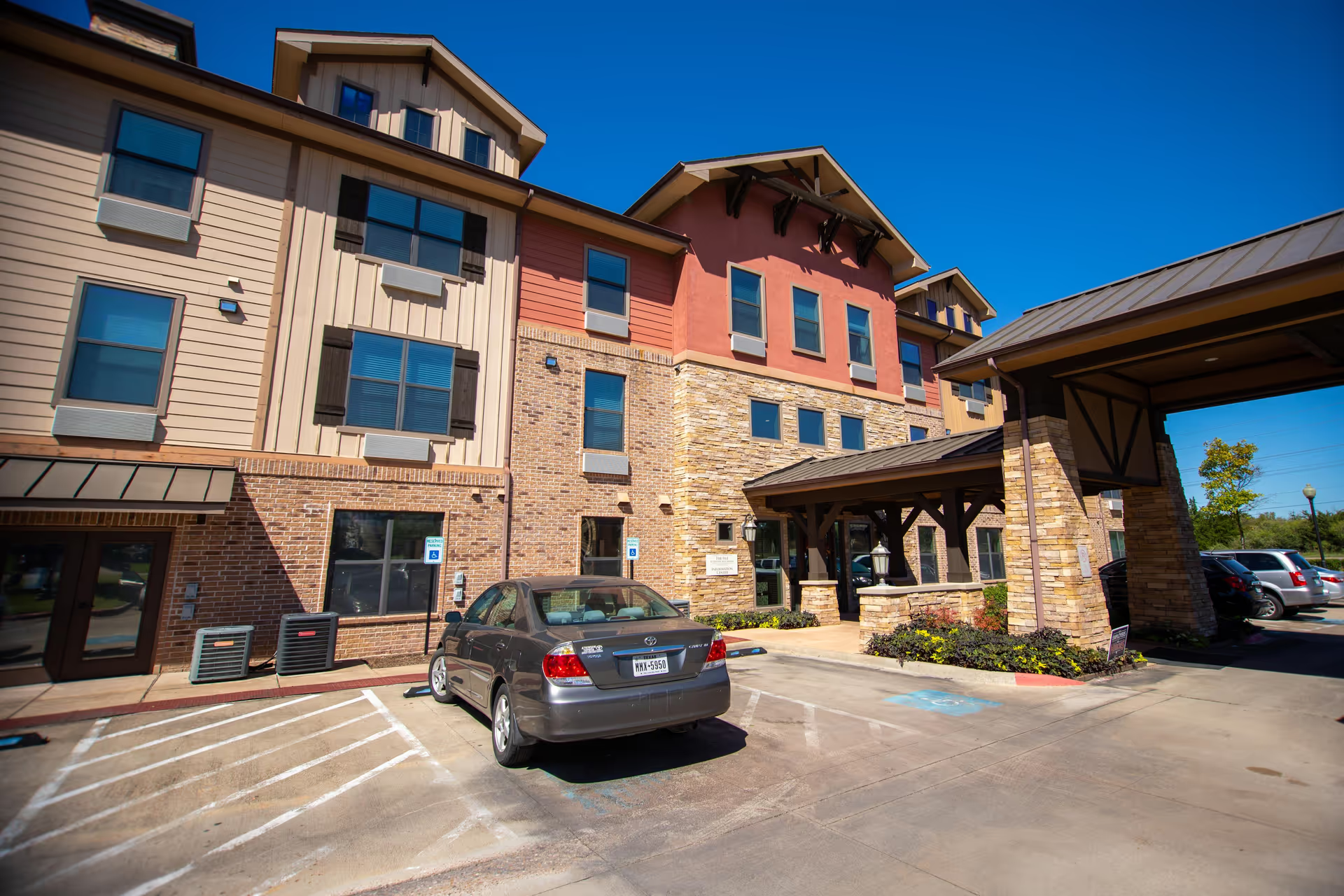
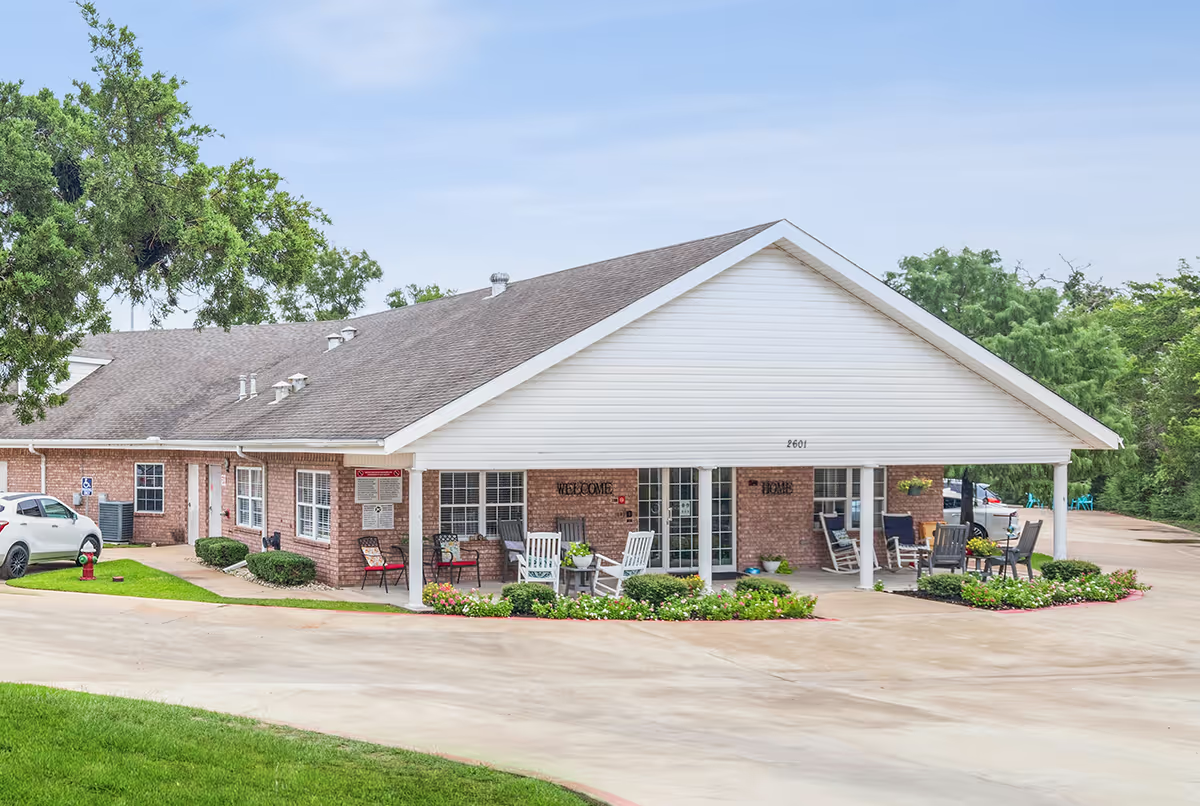
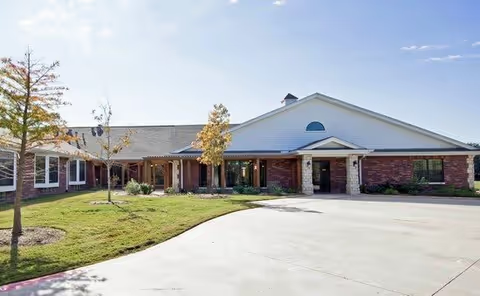
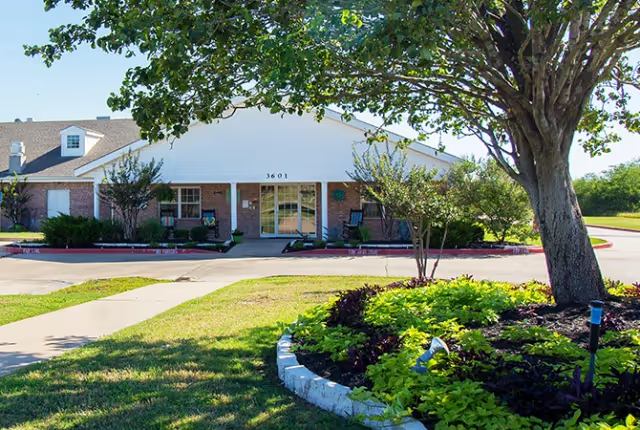
Hudson Creek positions itself as an Alzheimer’s-focused memory-care community with a range of features that many families find appropriate for persons living with dementia. Strengths repeatedly cited include a specialized care model, 24-hour nursing availability, a generally high staff-to-resident ratio, and staff who demonstrate dementia knowledge and compassionate approaches. The physical environment is frequently described as clean, home-like, and well maintained, with private- and dual-suite options, a secure gated entry, alarms/cameras in some areas, and an attractive enclosed courtyard used for events and activities.
Clinical care quality has mixed impressions. Several accounts praise attentive nursing, correct medication administration, wound-care responsiveness, and staff who can manage difficult behaviors. At the same time, a pattern of operational weaknesses emerges: intermittent understaffing, management turnover, and gaps in routine personal-care checks (notably incontinence-care timing and bathing) and post‑surgical or post‑incident monitoring. There are also multiple mentions of falls and the need for increased vigilance; taken together these suggest that fall-prevention and resident-monitoring protocols may not be consistently enacted across all shifts.
Staffing and leadership present a divided picture. Many descriptions emphasize long-tenured, familiar caregivers, helpful administrators, and staff who engage families via an activity-tracking app and routine updates. Conversely, other accounts describe leadership instability, uneven communication around clinical events, and occasional confrontational interactions with front-line or supervisory staff. Families seeking placement should clarify current leadership stability, staffing ratios by shift, and the facility’s protocols for incident notification and escalation.
Dining, programming, and daily life are also mixed. The community offers a robust activities calendar, reality-based and engagement-focused programming, and frequent family events that many families find meaningful. The app-based photos and weekly updates are a consistent positive. However, dining quality is described as variable: some families find meals plentiful and tasty, while others note poor consistency with modified textures (pureed meals) and instances of missed or delayed meal service. Activity schedules are extensive on paper, but some families indicated that planned activities were not always delivered or materials were left unused.
Facilities and safety considerations merit direct assessment during a tour. The physical plant is generally well regarded for cleanliness, layout, and security features, and some units include alarms and cameras intended for additional monitoring. Yet there are isolated sanitation and pest-control concerns cited, and shared suites raise privacy and compatibility considerations. Given the divergence in experiences, prospective families should tour multiple rooms, observe mealtimes and activities in person, request recent state inspection records, ask about pest-control logs, and discuss protocols for incontinence care, fall prevention, and family notification. Overall, Hudson Creek appears to offer strong dementia-focused programming and a supportive environment in many cases, but consistent operational execution (staffing, personal-care checks, dining consistency, and leadership stability) varies enough that careful, specific inquiry is recommended before placement.