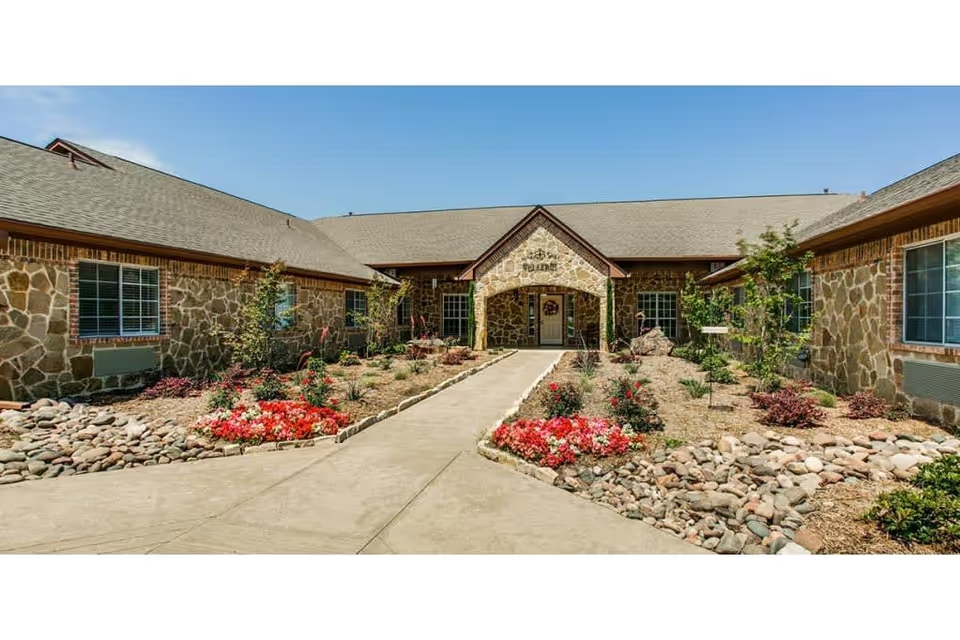
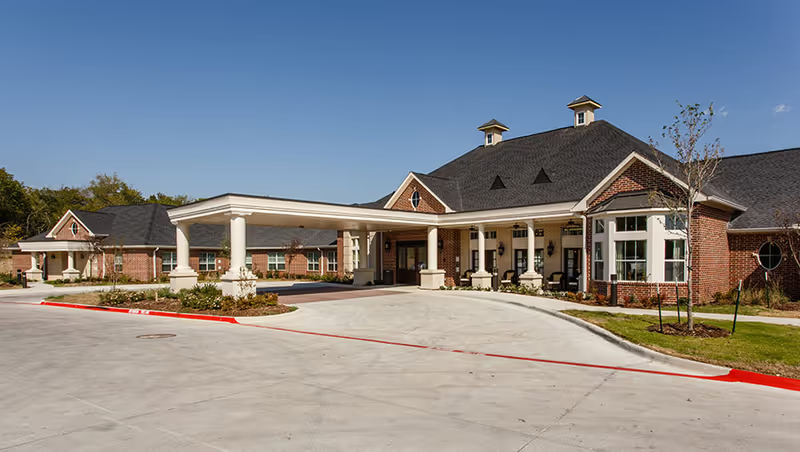
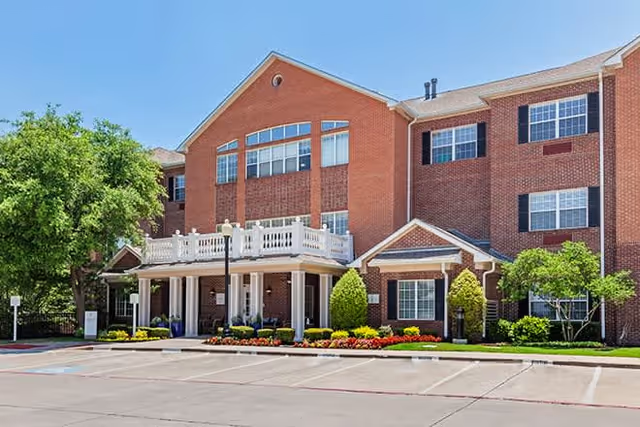
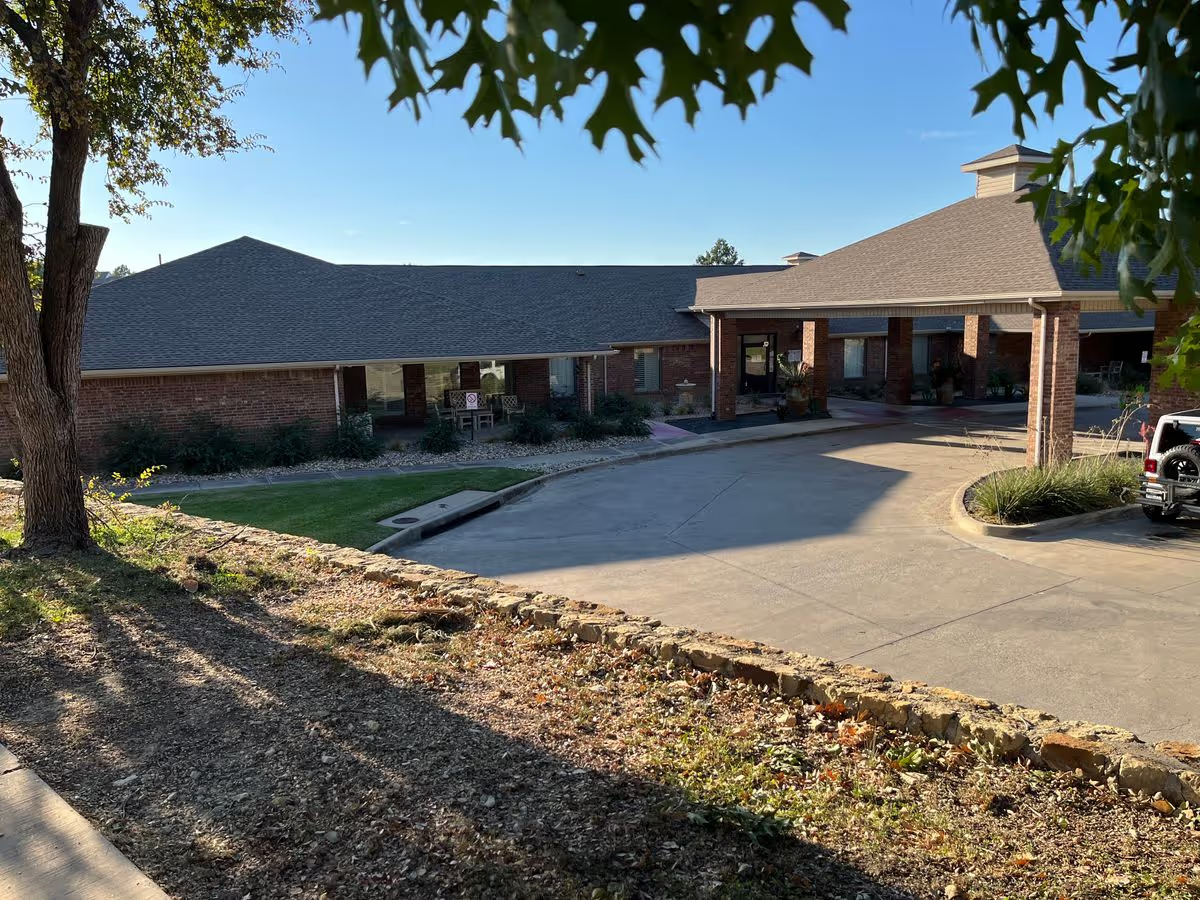
Fort Worth Wellness and Rehab elicits a strongly mixed set of impressions. Many families and patients describe excellent clinical strengths: a well-regarded rehabilitation program, skilled therapists, competent nursing teams and notable wound-care expertise. Multiple accounts cite successful short-term rehab outcomes, timely discharges home, and individualized therapy plans that accelerated recovery. Front-desk, admissions and social-work functions are frequently praised for facilitating transitions and coordinating care, and several reviews highlight engaged activities programming that contributes to resident engagement and morale.
At the same time, a consistent pattern of operational weaknesses appears across reviews. Staffing levels and shift coverage are often described as inconsistent, with corresponding delays in responding to call buttons and in delivering personal-care tasks such as bathing, grooming, and linen changes. These operational gaps are tied to concerns about medication administration and documentation — including missed doses and paperwork lapses — and several reviewers described situations that raised questions about clinical monitoring, especially during weekends and off-shifts. Communication with families is another recurrent issue: callers report unreturned calls, inconsistent updates, and poor transparency around clinical events.
Dining and housekeeping experiences are mixed. Some families praise the kitchen and report pleasing meals and clean rooms, while others report late or cold meals and periodic sanitation or pest-control concerns in certain areas. Facilities-related issues also include an aging building with intermittent temperature control and maintenance needs; housekeeping quality appears to vary by unit and time period. Management and leadership receive both commendation and criticism: some reviewers commend visible, hands-on Directors of Nursing and proactive administrators, whereas other families describe uneven management follow-through, billing errors, and unresolved personal-property concerns.
Overall, the dominant pattern is variability. The facility demonstrates clear strengths in therapy, specialized nursing care (including wound management), and family-facing coordination in many cases; however, those strengths coexist with operational inconsistencies that can materially affect resident experience and safety. Prospective residents and families should assess current staffing ratios, medication administration protocols, weekend clinical coverage, infection-control and pest-control practices, mechanisms for family communication, and processes for safeguarding personal property and billing accuracy. Observing multiple shifts, speaking with on-duty nurses, and asking for recent inspection or quality metrics may help clarify whether the facility’s strong clinical programs are supported by reliable day-to-day operations in a given unit or timeframe.