Reviews of this Dallas–Fort Worth area facility present a bifurcated picture: many families describe dedicated, compassionate caregivers, effective therapy services, and a modern, attractive facility environment, while a substantial portion of feedback identifies recurring operational weaknesses that affect clinical care, safety, and resident comfort.
Care quality is inconsistent. Positive accounts highlight attentive nurses and successful short-term rehabilitation that enabled discharge home. Concurrently, multiple accounts point to delayed or missed personal-care tasks (bathing, linen changes, repositioning), gaps in wound and pressure-ulcer management, and concerns about medication administration and monitoring. These clinical-process lapses are frequently associated with hospital transfers, weight loss, infections, and other adverse outcomes in the narrative threads provided.
Staffing and staff conduct are central themes. Several families praised individual CNAs, nurses, therapists, and visible managers who were hands-on and supportive. However, there is a prominent pattern of chronic understaffing, high turnover, and shift-to-shift variability in competence and responsiveness. Long call-light response times, late or missed medications, and inconsistent care handoffs were described. There are also serious allegations regarding staff behavior and property control, including missing personal items and questions about financial accountability at ownership/administrative levels.
Dining and therapy are similarly mixed. Therapy departments and specific clinicians receive commendation for rehabilitative progress, while others describe limited therapy availability or unfulfilled therapy plans. Food quality and meal service were frequently criticized for inconsistency: cold meals, inappropriate menu choices relative to dietary restrictions, late meal times, and insufficient assistance with feeding for dependent residents were noted alongside occasional praise for enjoyable meals and activities.
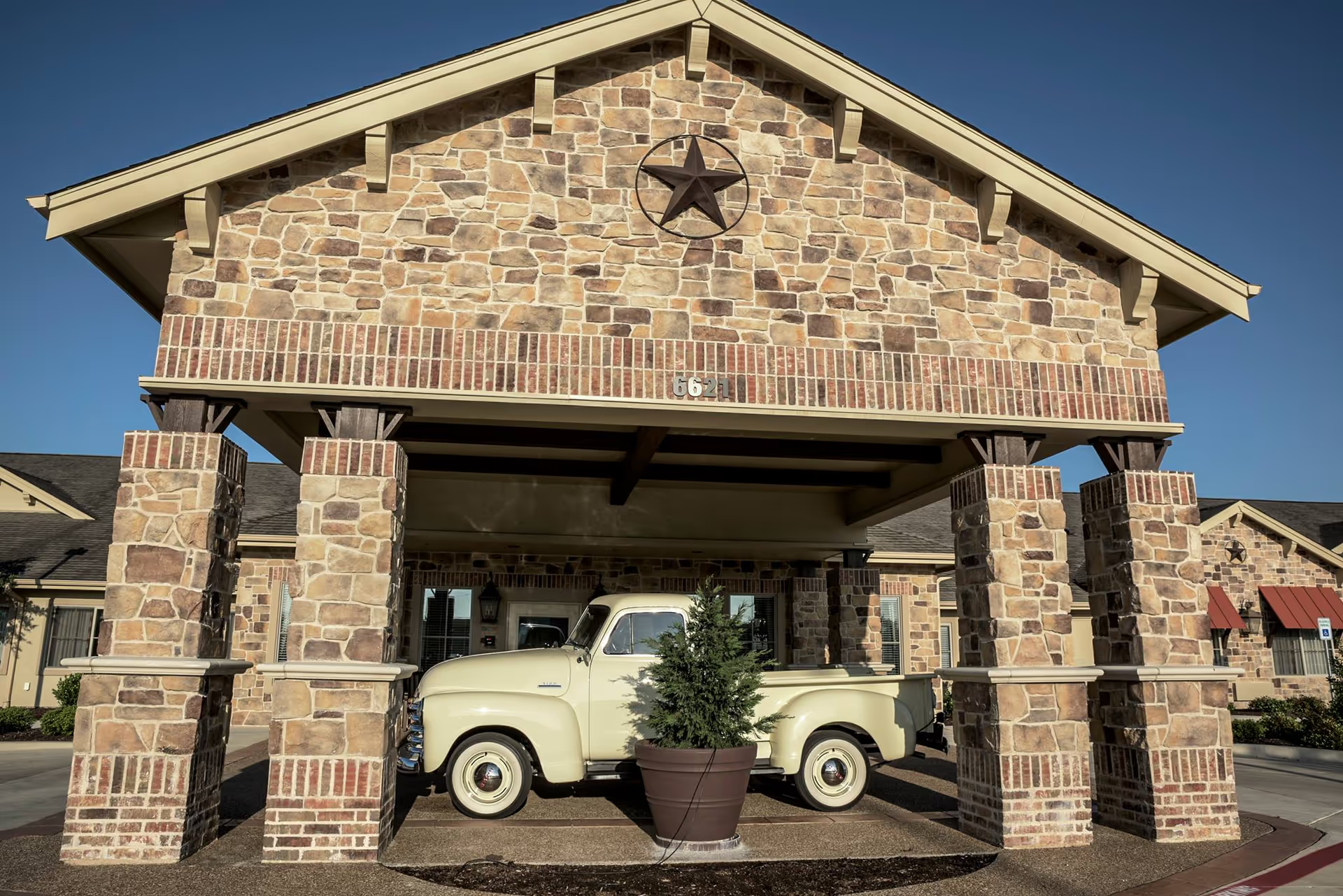
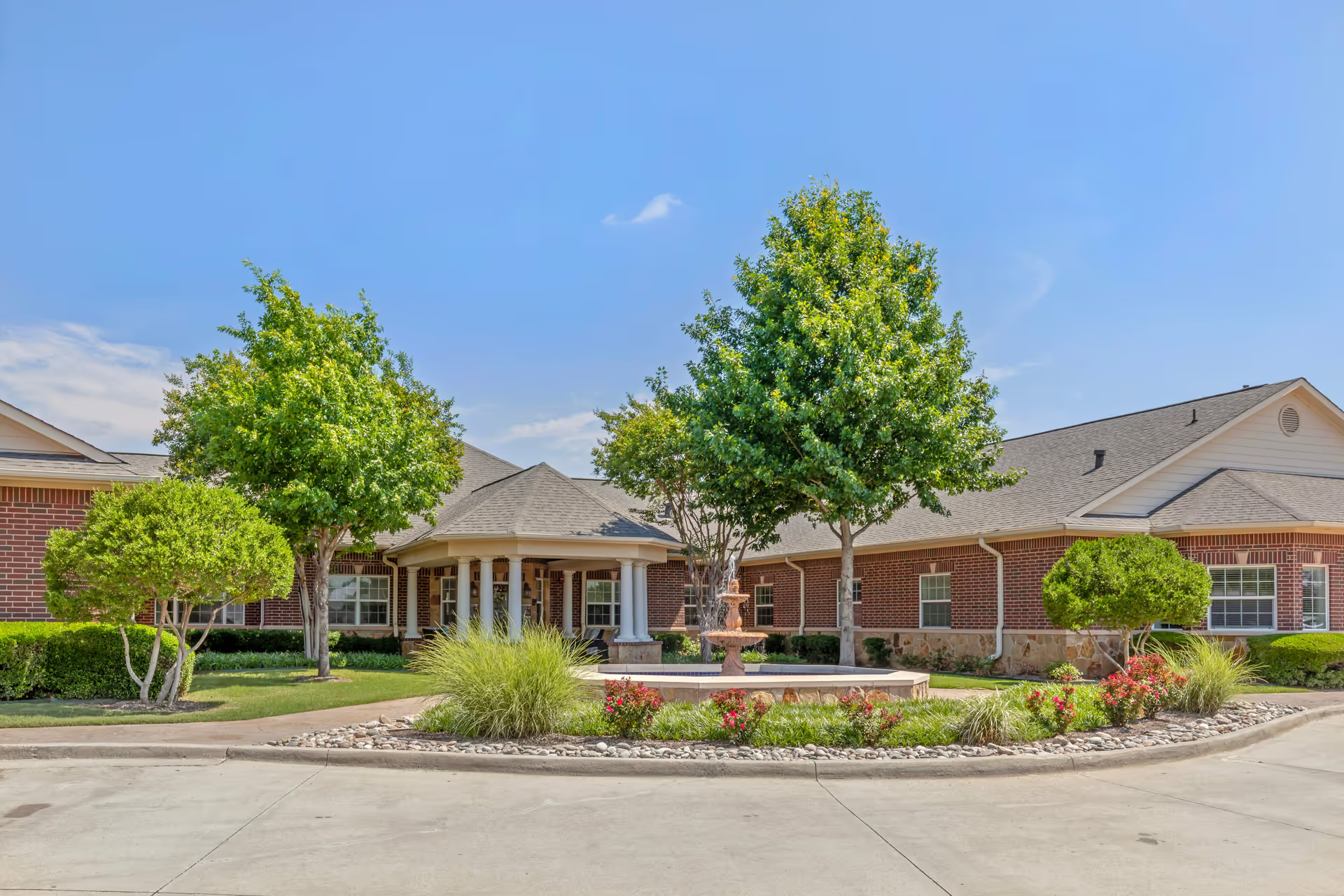
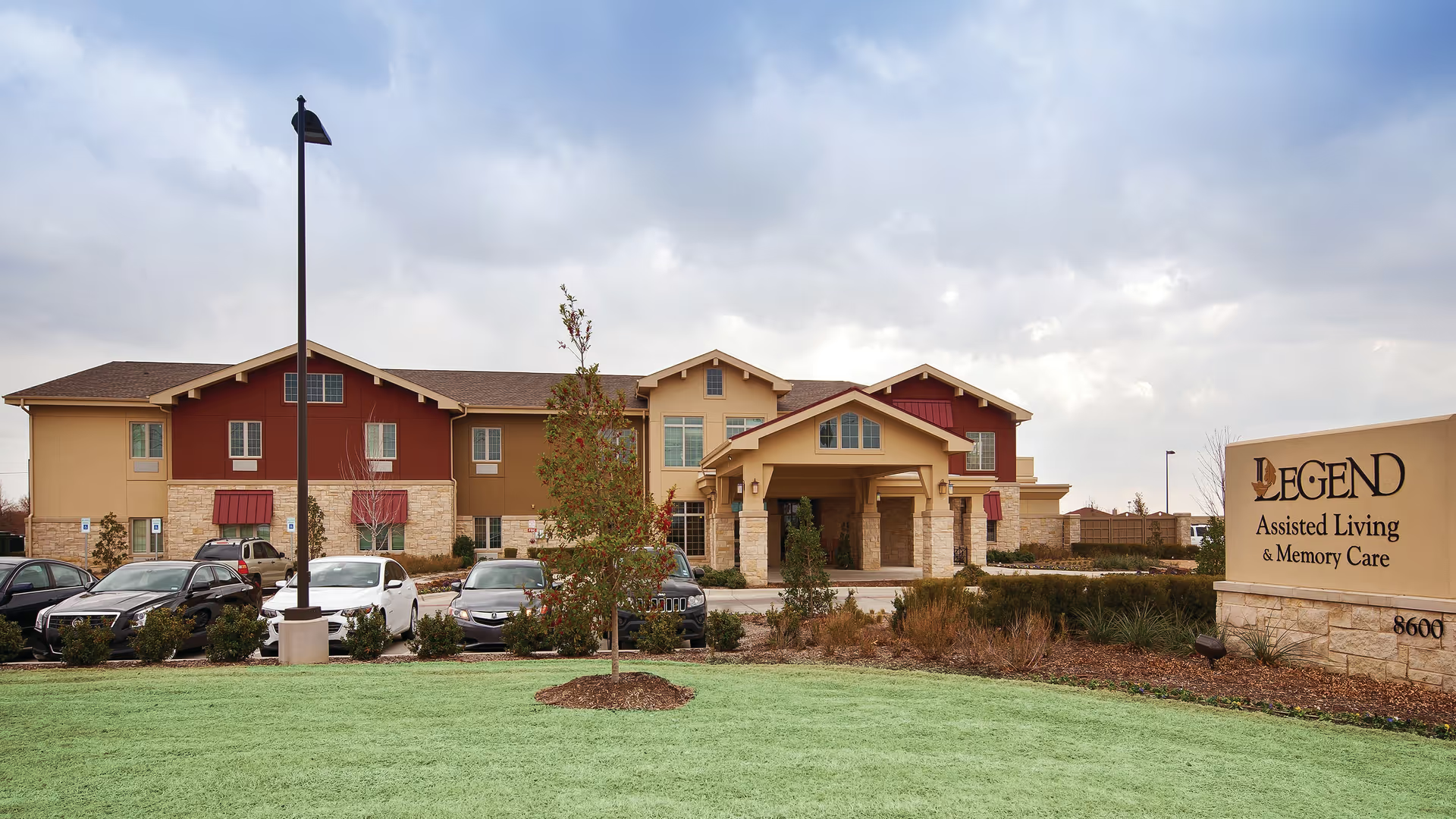
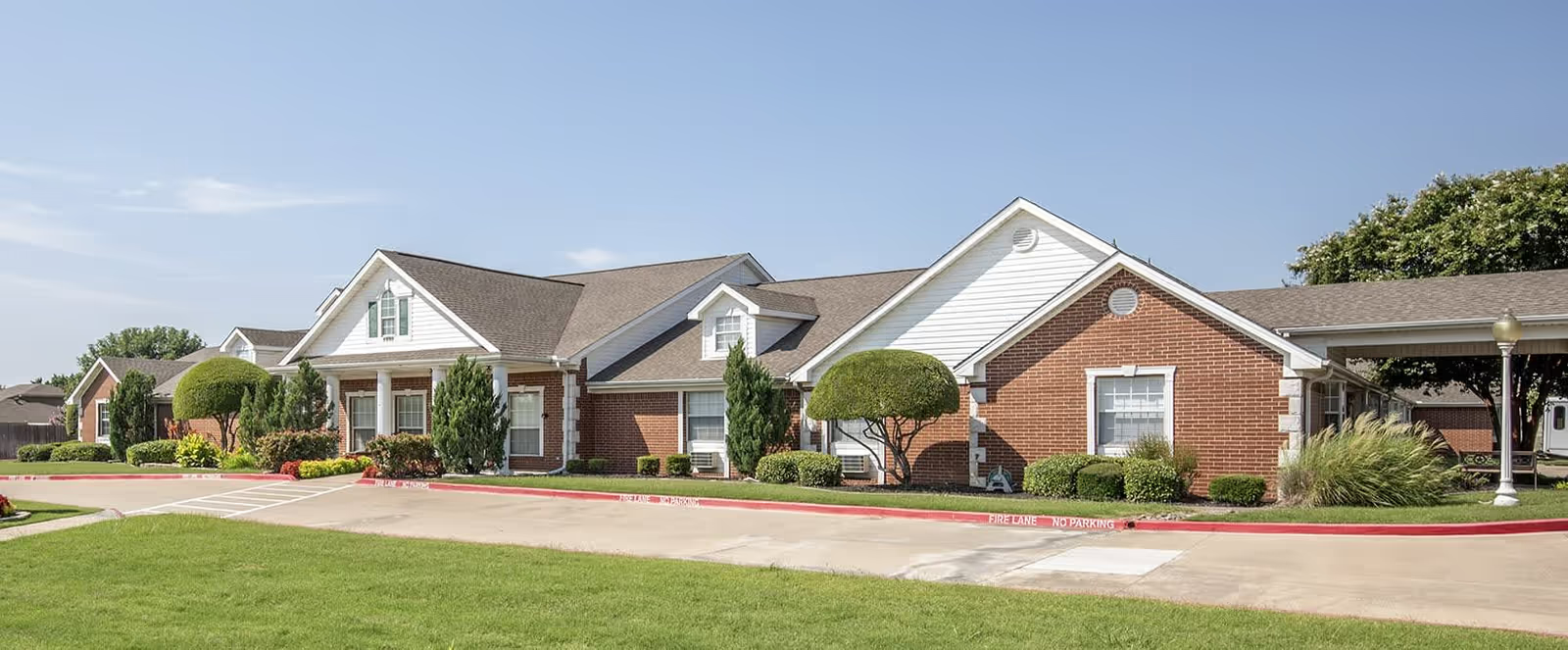
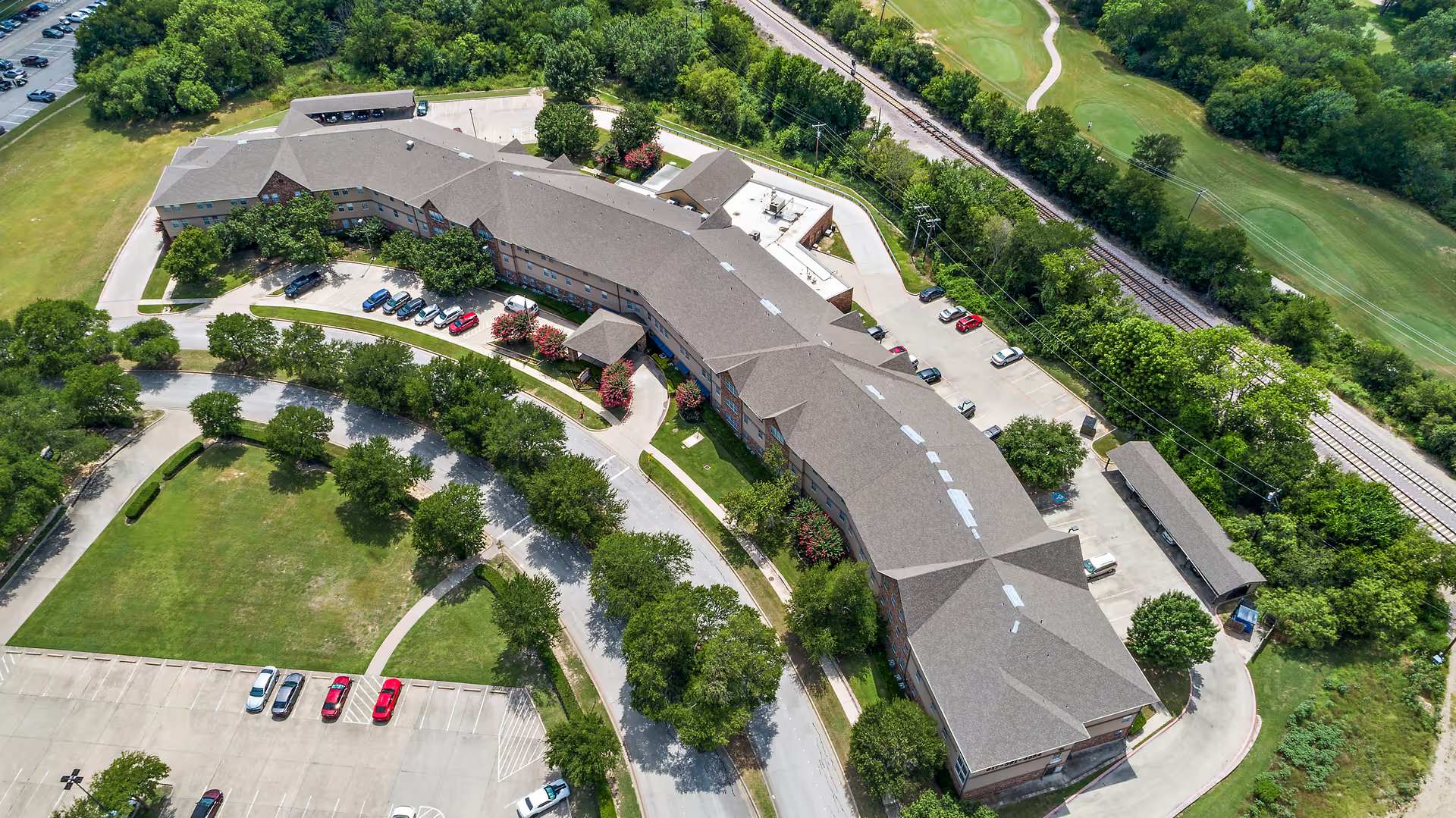
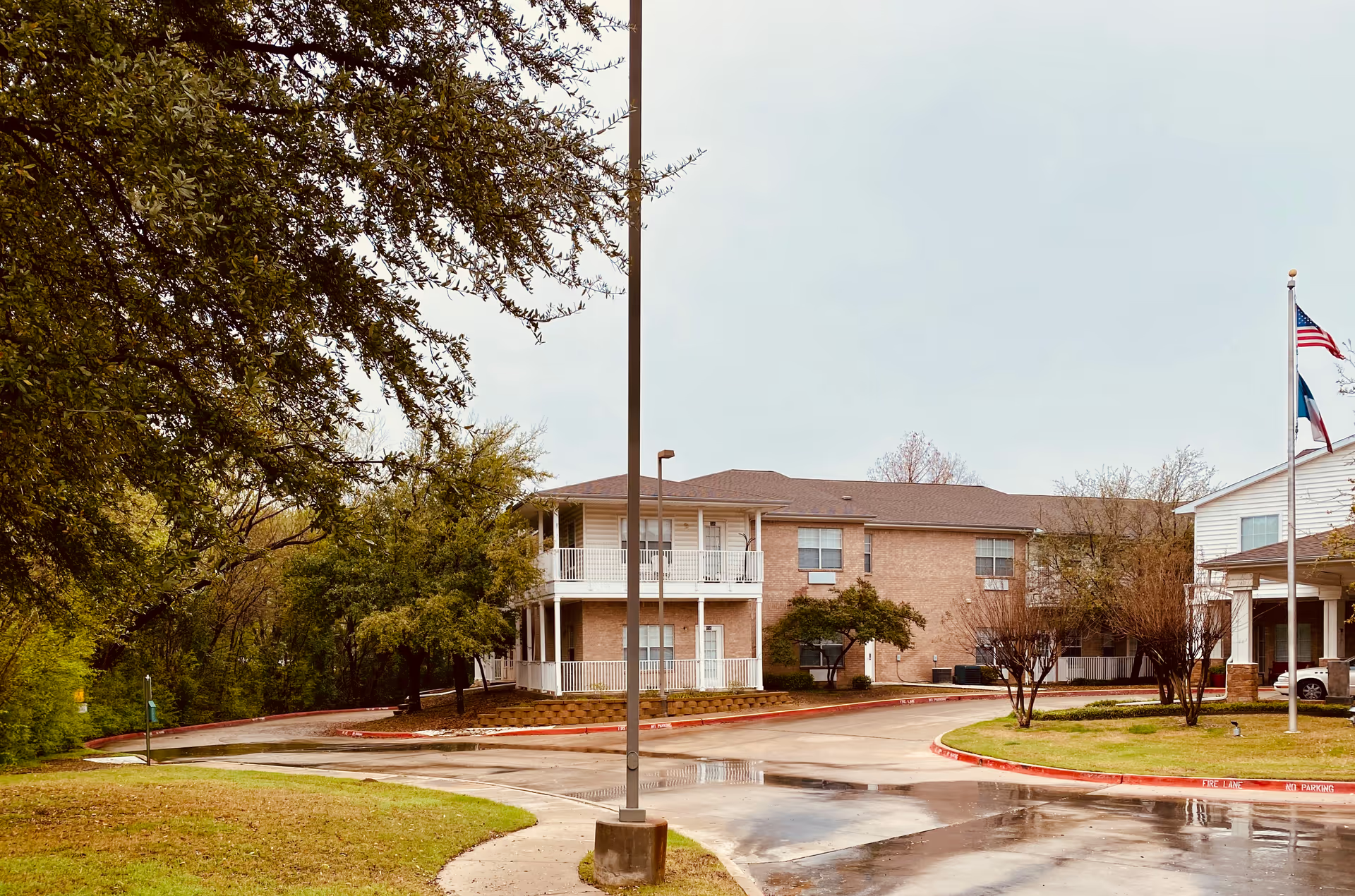
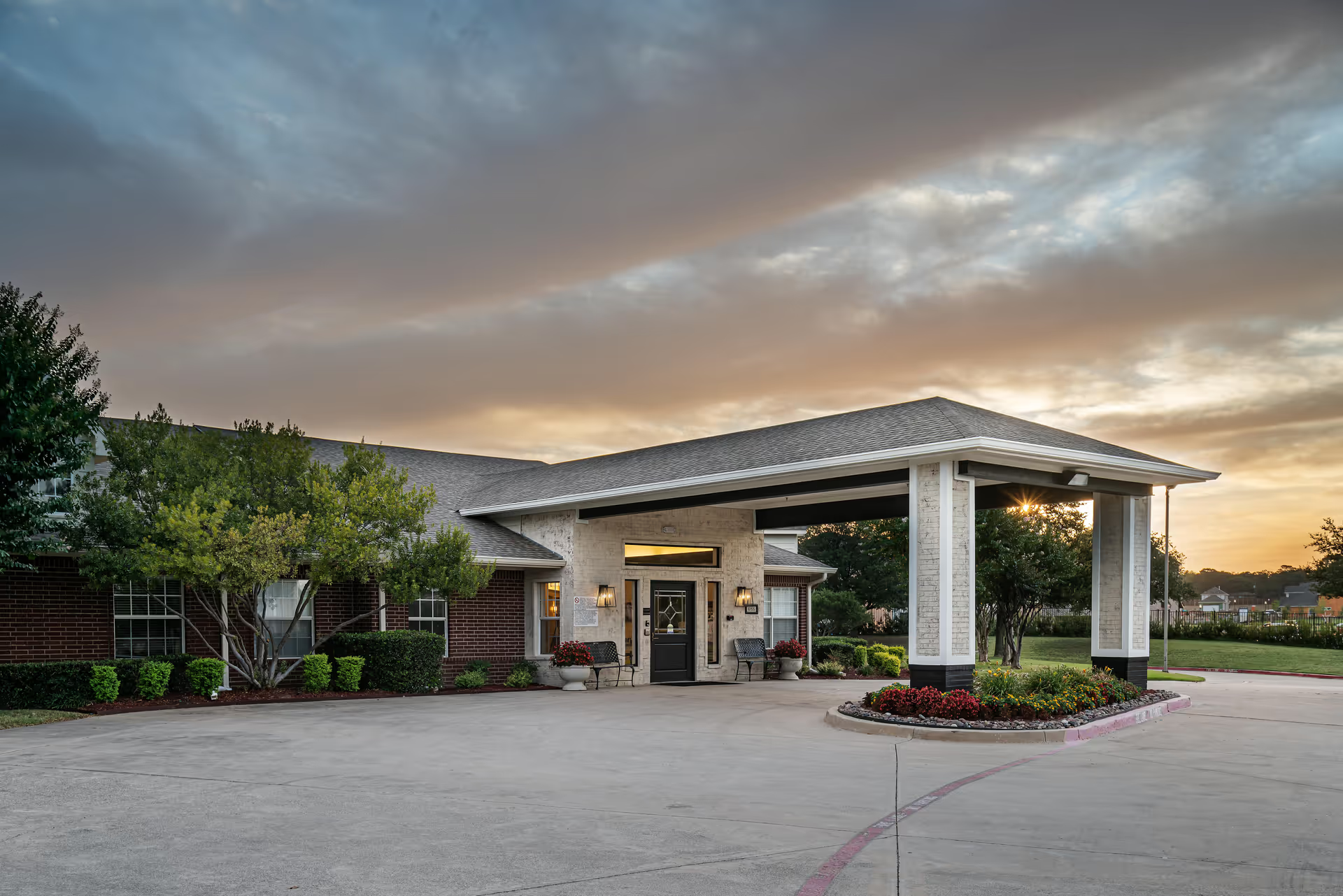
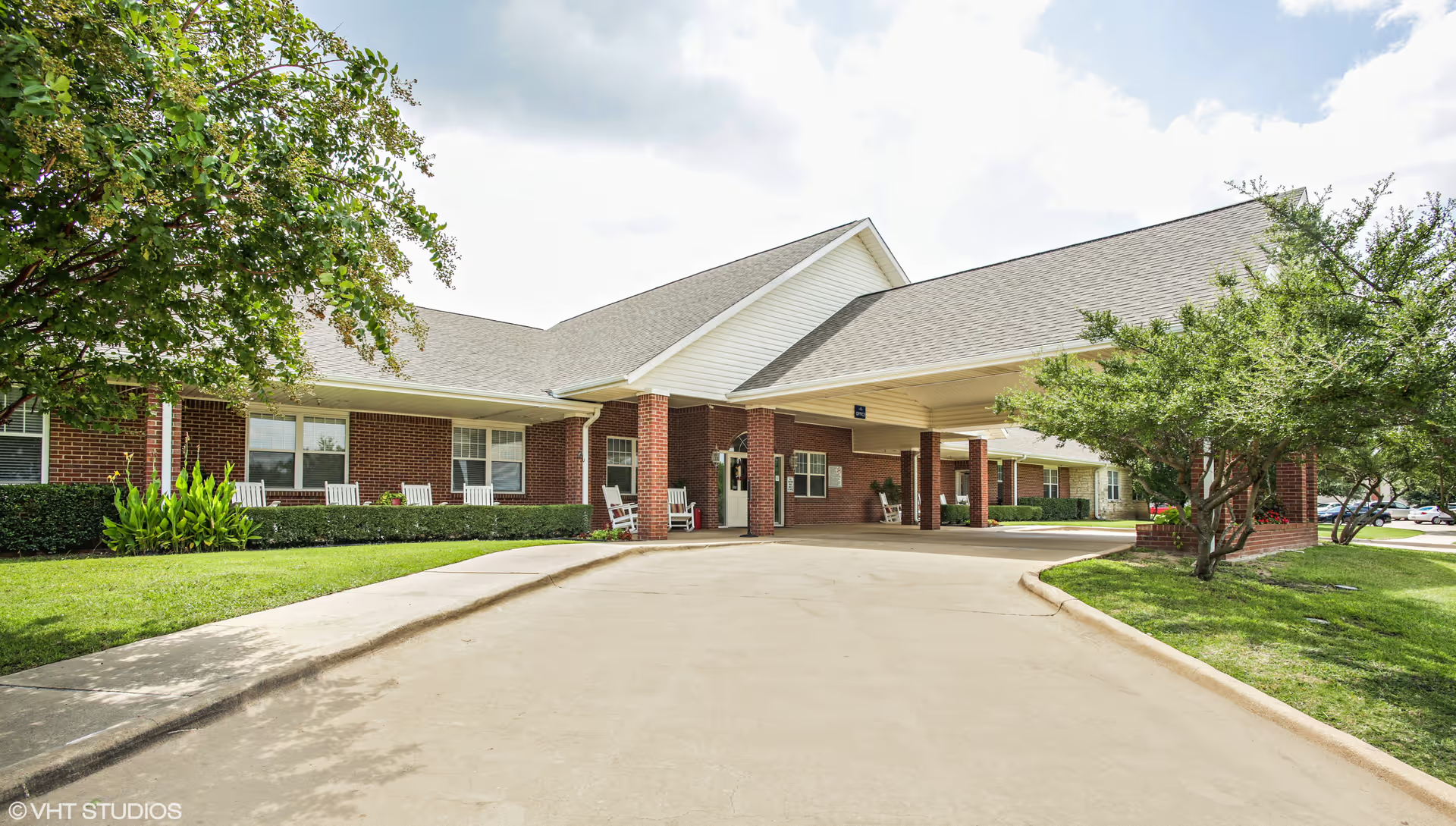
Facilities and environment present contrasts: the building, public spaces, and therapy areas are often described as modern and well kept, with pleasant common areas and private rooms. At the same time, multiple reviews raise sanitation and pest-control concerns in resident areas, maintenance failures (HVAC, plumbing, nonfunctional room phones or call systems), and odor or cleanliness issues in some units. These environmental problems tended to be reported in conjunction with staffing shortages and maintenance-response delays.
Management and communication show uneven performance. Some reviewers describe responsive leadership that resolved problems and facilitated transitions; others report broken promises, delayed follow-through on care plans and appointments, billing disputes, and concerns about administrative accountability. A few reviews raise allegations of financial mismanagement and staff misconduct; these are serious claims that would merit follow-up with regulators or internal investigation.
Notable patterns: (1) outcomes vary considerably by unit and shift—positive experiences often coexist with severe operational lapses elsewhere; (2) staffing levels and leadership engagement appear to be key predictors of family satisfaction and clinical safety; and (3) while therapy and some clinical teams perform well, systemic issues in communication, sanitation, maintenance, and property control undermine overall reliability.
For prospective residents and families: consider visiting multiple shifts, asking for recent staffing ratios and turnover data, reviewing current infection-control and maintenance logs, confirming dietary and therapy plans in writing, and clarifying billing and personal-belongings policies. If there are serious individual concerns about clinical care or property loss, document them promptly and consider contacting regulatory authorities or the resident’s caseworker for formal follow-up.