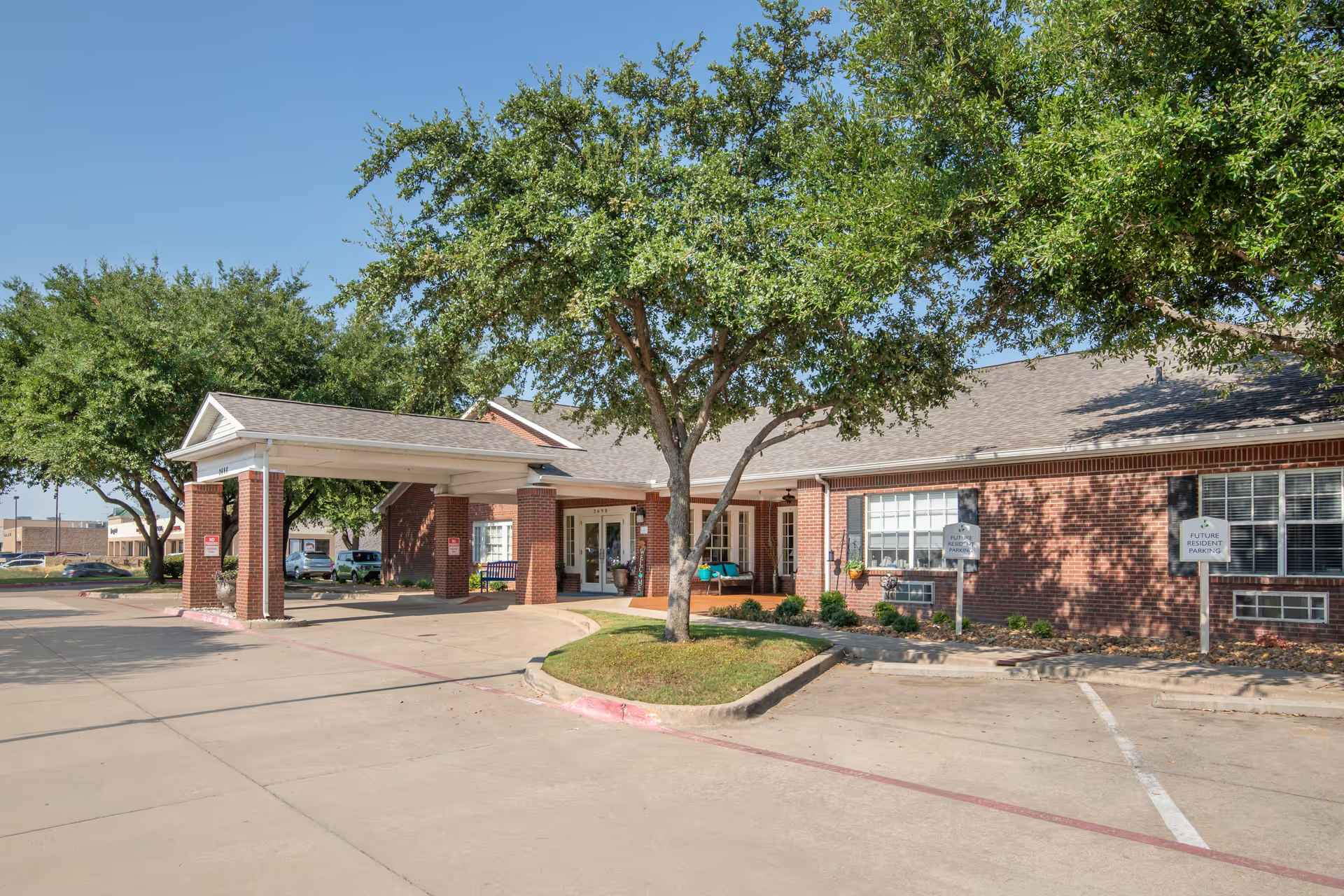
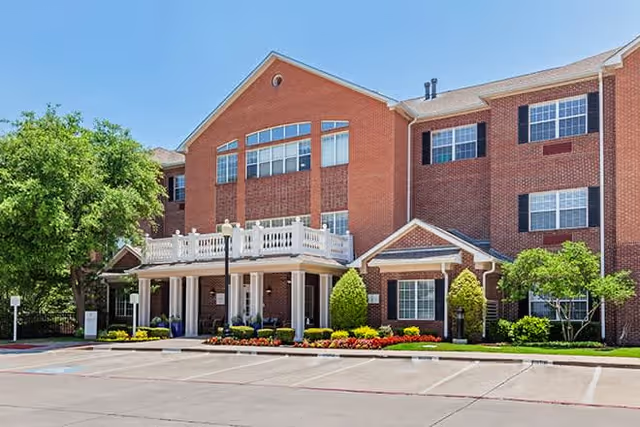
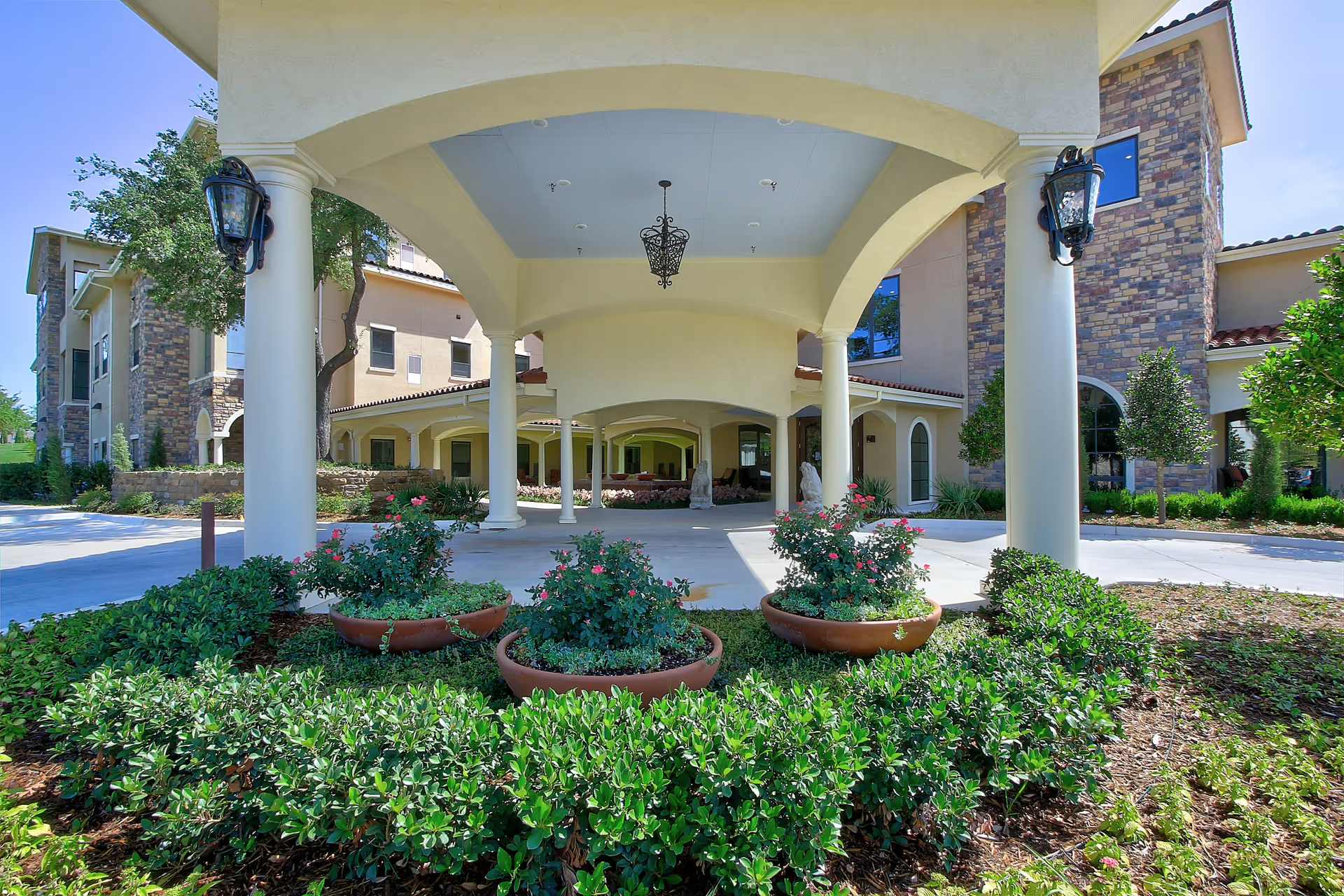
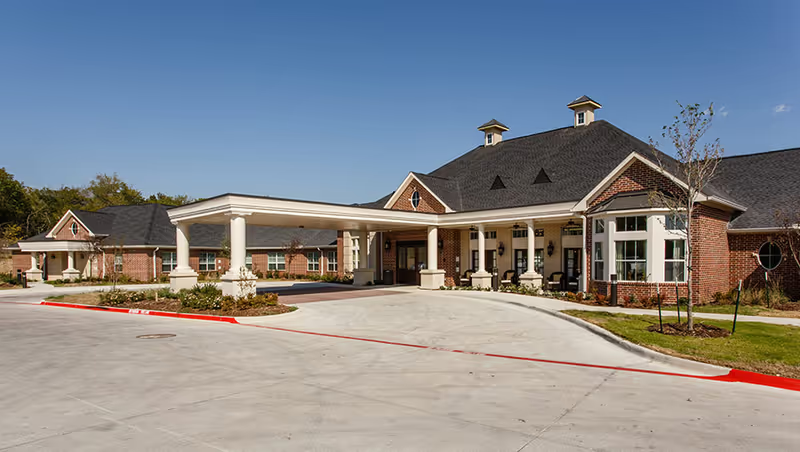
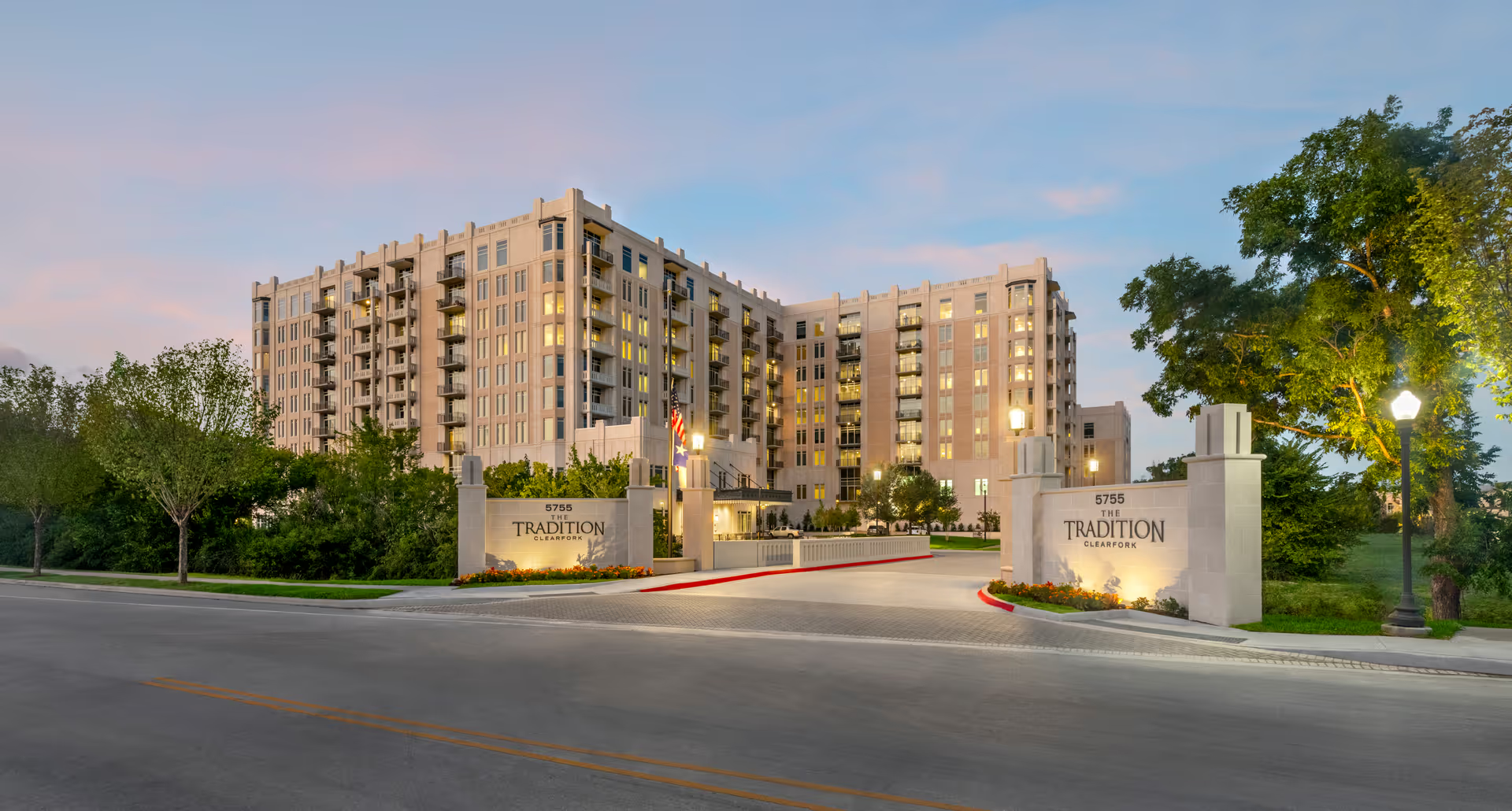
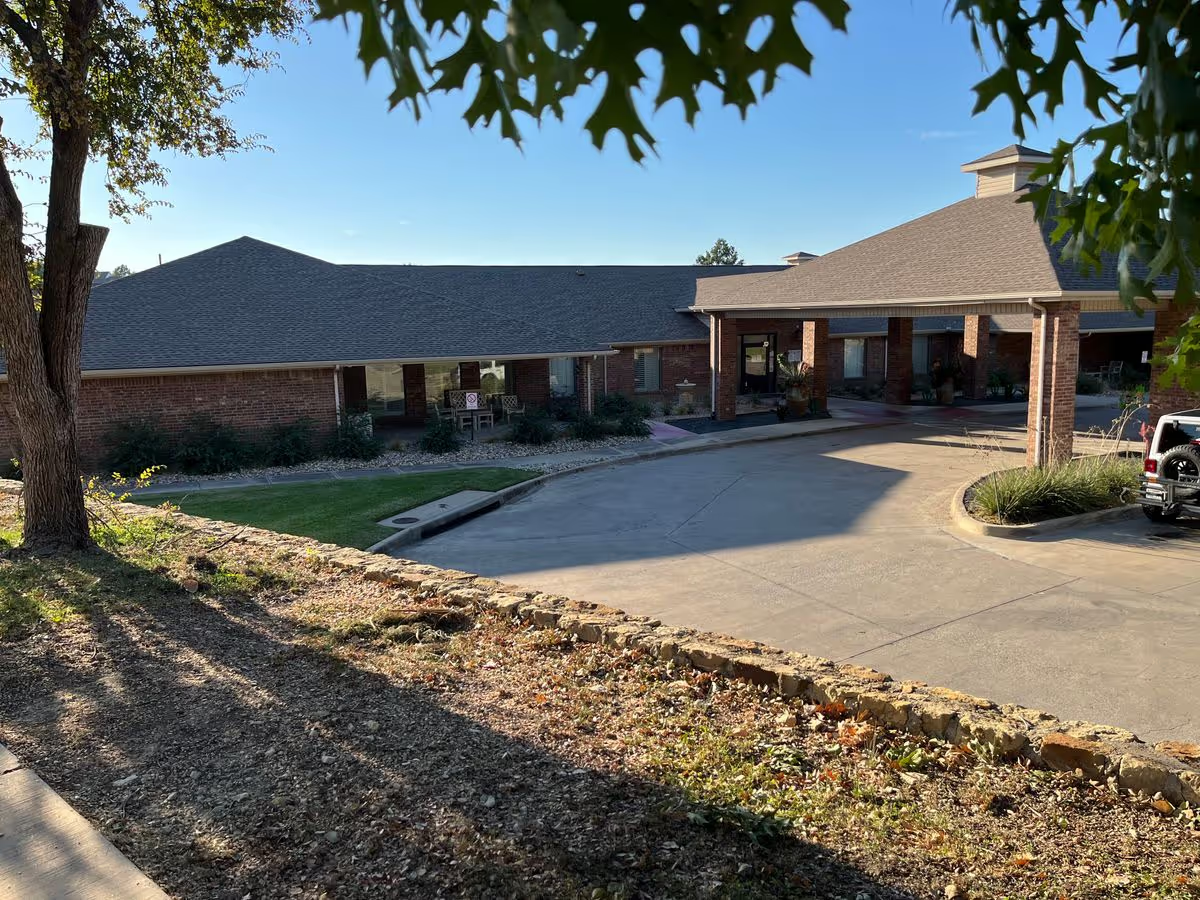
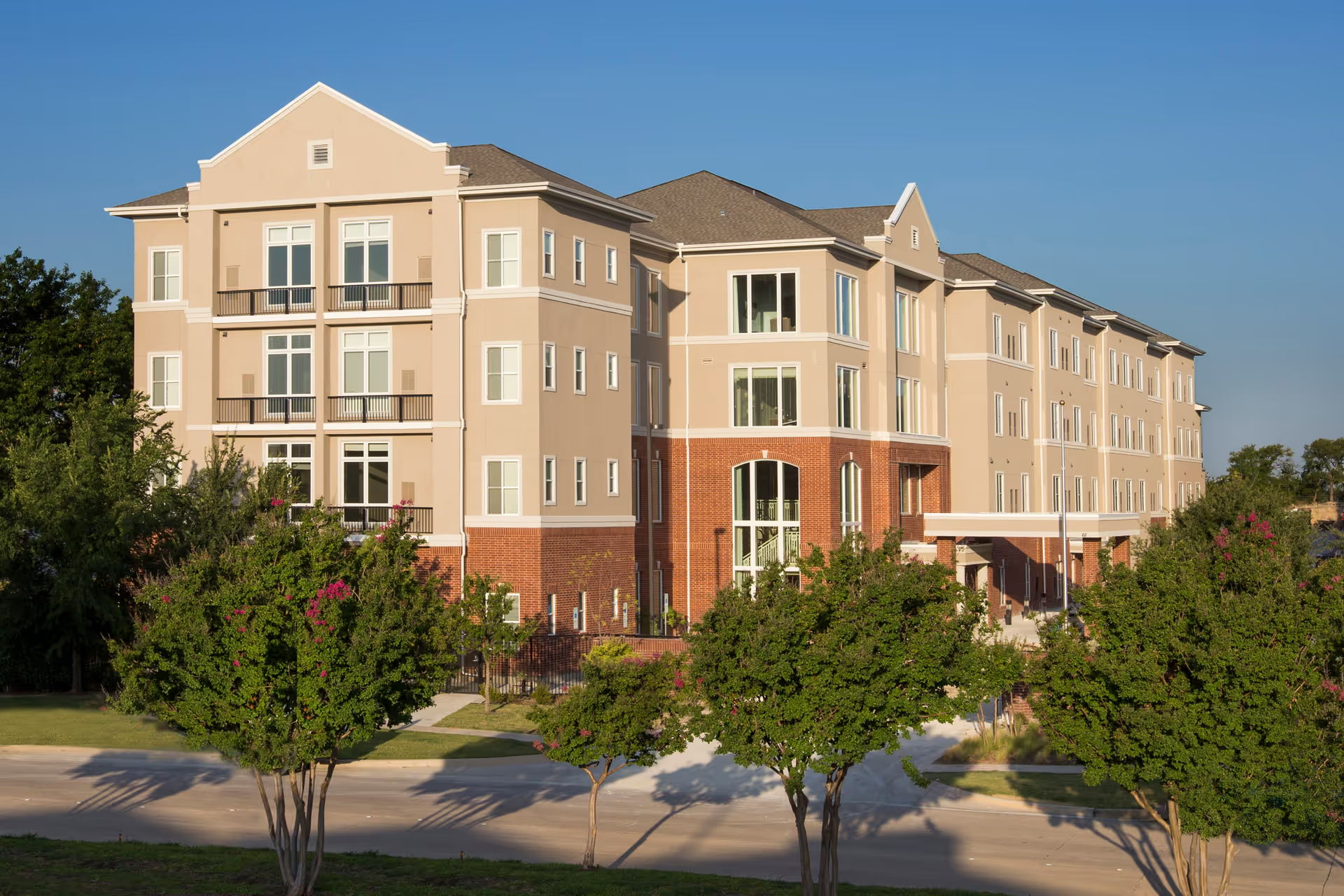
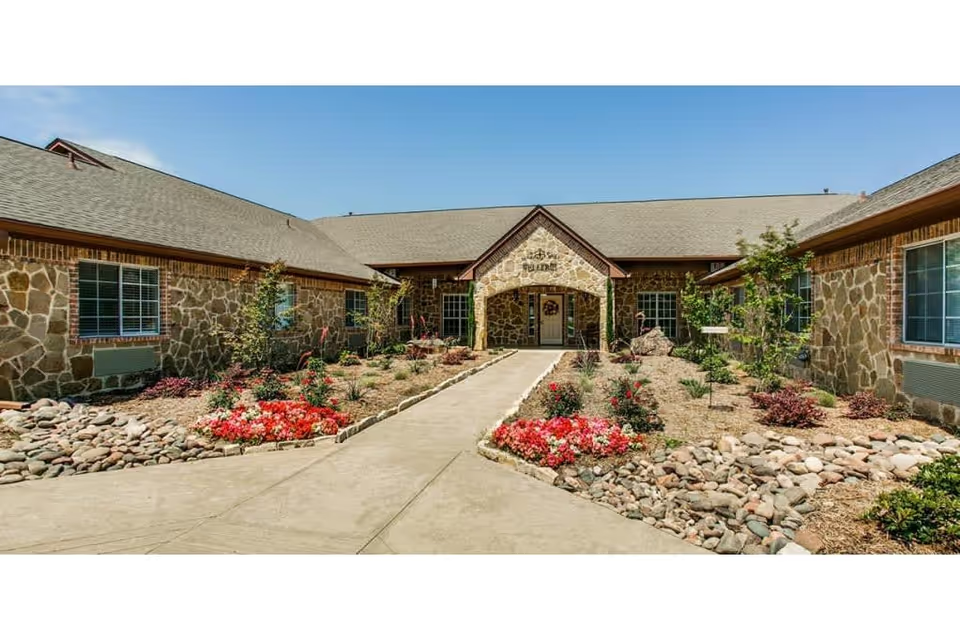
The Stayton at Museum Way presents a mixed profile: many reviewers praise an upscale, well-maintained campus with strong hospitality features and active social programming, while others identify recurring operational and clinical gaps. The facility offers a wide range of amenities (pool, gym, salon, shuttle), multiple dining venues, spacious apartments, and an events calendar that supports social engagement. Its downtown location and on-site continuum of care (independent through nursing) are attractive to families seeking convenience and lifestyle options in one community.
Clinical-care experiences are inconsistent across reviewers. Positive accounts highlight attentive nurses, individualized therapy, and good rehab outcomes for some residents. However, other families describe problematic medication handling, inadequate pain control, and documentation issues. Therapy quality and scheduling appear variable: some residents received strong, focused rehabilitation, while others encountered short or poorly supervised sessions. There are also specific concerns about incontinence-care timeliness and transfer-related safety practices that indicate operational weaknesses in some care areas.
Staffing and responsiveness are a central pattern in the feedback. Many reviews commend individual caregivers, CNAs, and select nurses for compassion and responsiveness; these staff are often credited with good daily experiences. At the same time, reviewers note uneven staffing levels, reliance on temporary staff, delayed call-button responses (particularly at night or on specific floors), and inconsistent communication tone. Family communication and coordination with external providers have been uneven—examples include missed transports and delays or breakdowns in appointment scheduling.
Dining, activities, and the physical plant are frequent strengths. Several descriptions characterize dining as high quality with multiple venues and family-friendly sponsored meals, though others note variability in food temperature and consistency after management changes. The building’s hotel-like presentation, ongoing common-area refreshes, and robust activities (bridge, concerts, lectures, speaker series) contribute positively to residents’ social life and satisfaction.
Administrative and management patterns merit attention. There are reports of billing confusion, delayed mail handling, and mixed impressions of management responsiveness—some families describe timely problem resolution, while others experienced promises not kept. Cost and perceived value are recurring themes: the community is positioned as premium-priced, and some reviewers felt the level of clinical reliability did not match the cost. A few reviews also raise serious individual concerns, including allegations of theft and other misconduct; those items stand apart from operational themes and would warrant direct inquiry.
For prospective residents and families: the Stayton offers strong amenities, attractive living spaces, and the potential for very good individualized care when staffing and coordination are consistent. When evaluating this community, ask targeted questions about medication administration protocols, night staffing and call response times, therapy frequency and supervision, incontinence-care procedures, transportation and dialysis coordination, and billing/mail procedures. Also consider touring and speaking with residents on the specific care floor you expect to use, since experience appears to vary by unit and by staffing mix.