The reviews present a mixed but distinct pattern: many families describe genuinely compassionate, attentive caregivers and a strong memory-care orientation, while others raise operational concerns that appear tied to staffing and management consistency. Positive accounts emphasize individualized attention, warm staff–resident relationships, and care teams that provide emotional support and meaningful engagement. Several reviewers highlight robust dementia-focused programming (including Montessori-style activities), frequent musical and social events, and staff who are knowledgeable about residents’ histories and preferences.
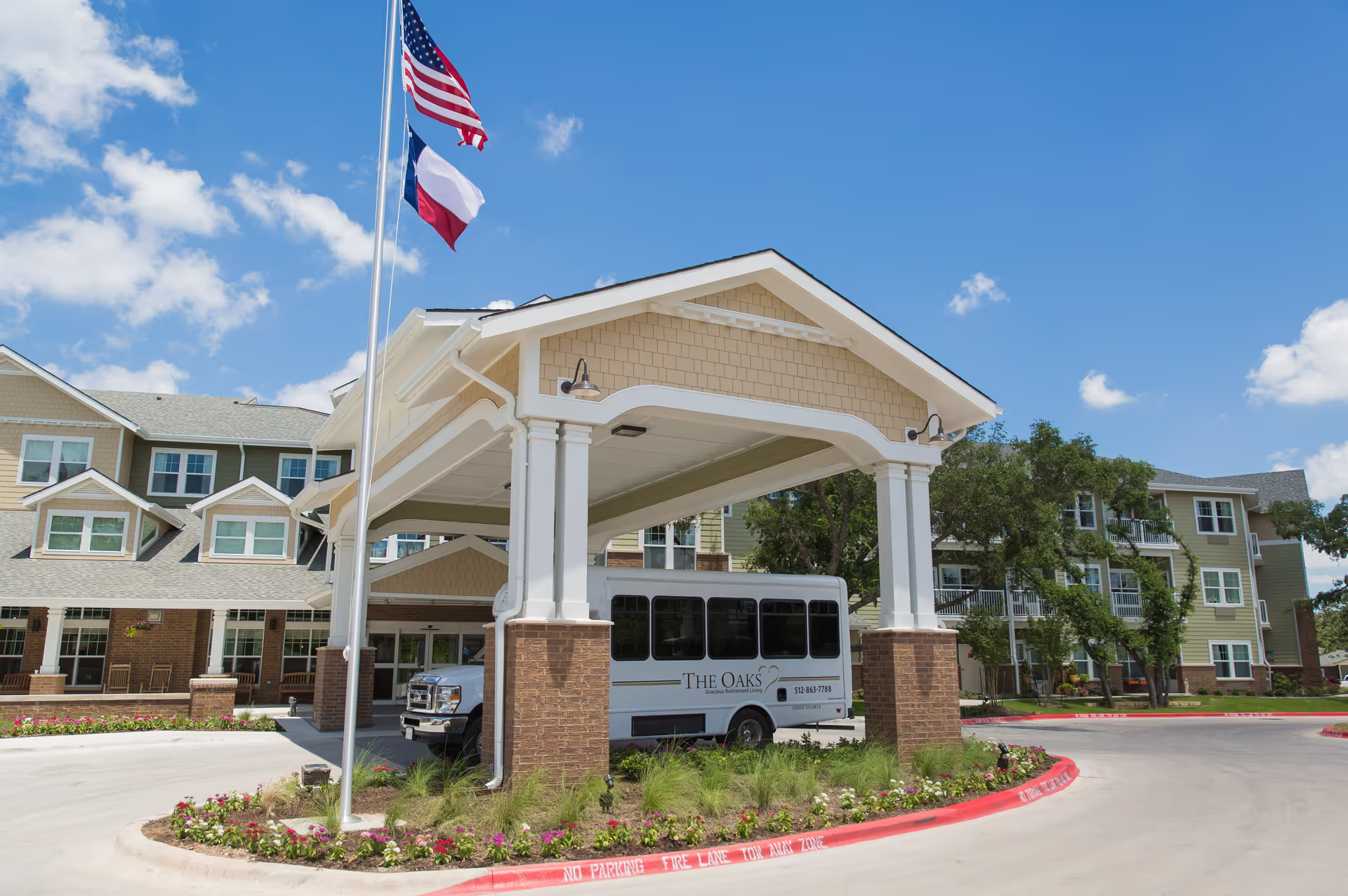
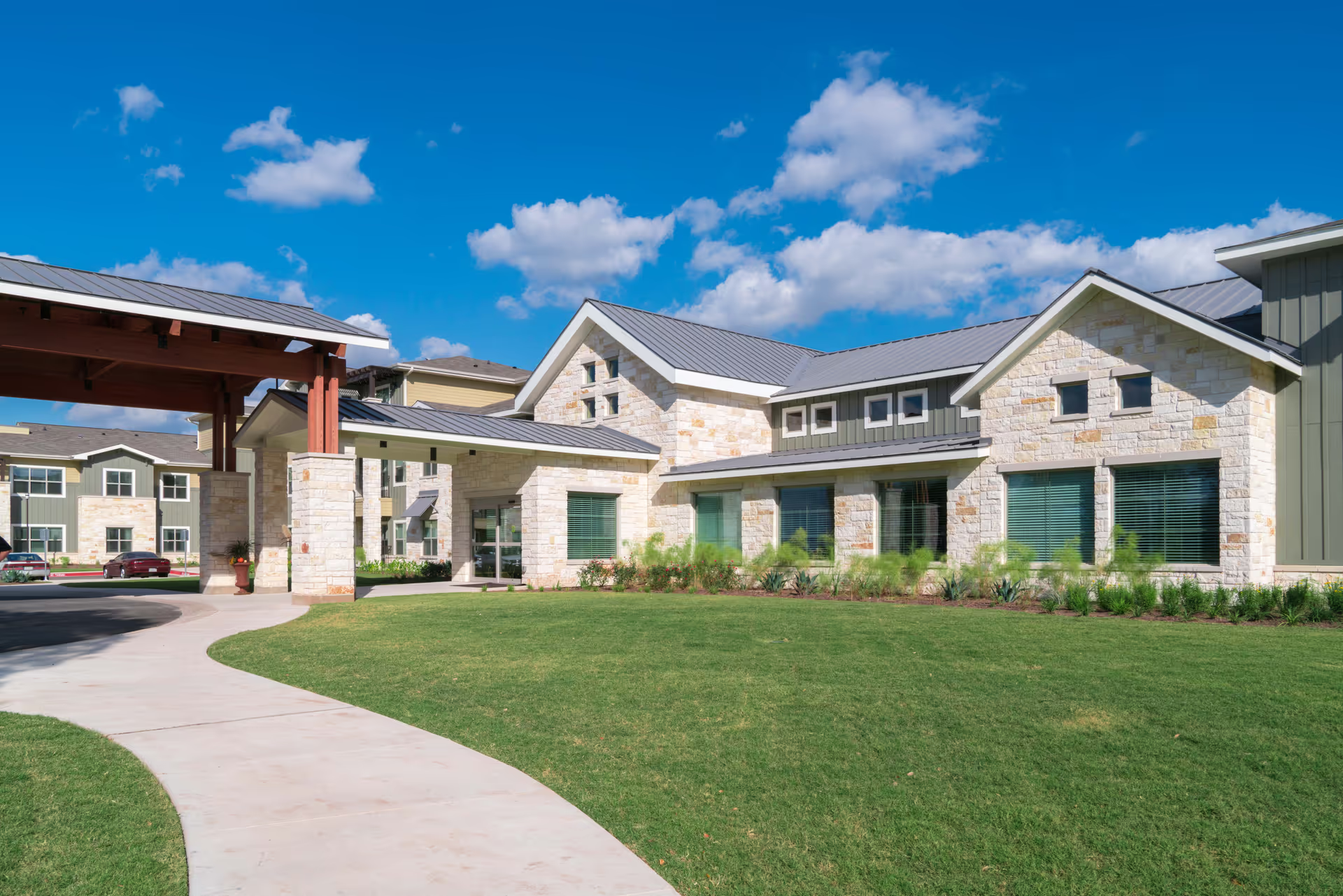
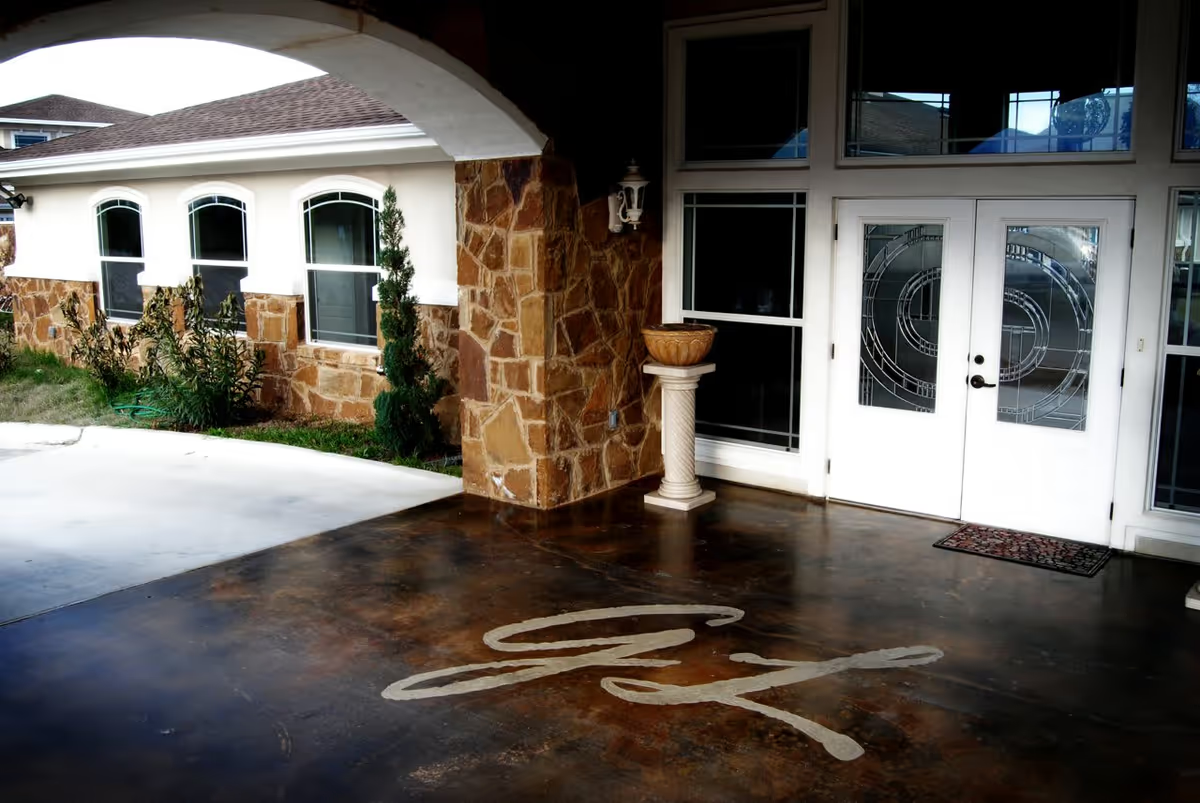
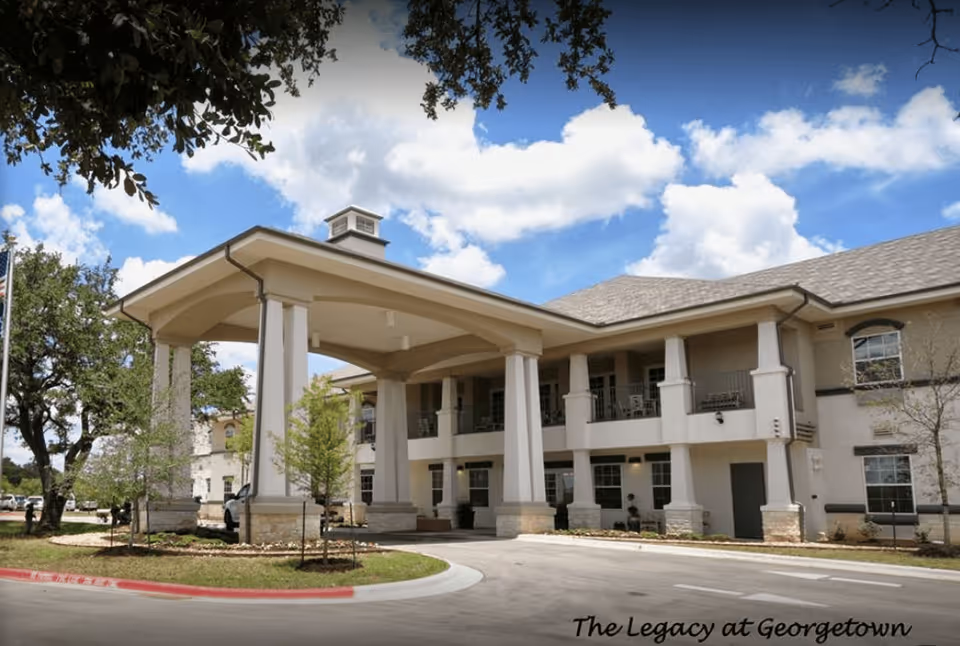
Dining and amenities receive frequent praise when staffing and leadership are stable. Numerous reviewers describe the facility as clean, well-maintained, and resort-like, with attractive courtyards, comfortable common areas, and multi-meal dining service with ample snacks. On-site clinical services and therapies (physical and occupational therapy, podiatry, vaccines) are noted as conveniences that support resident wellness. The small-community scale is repeatedly cited as contributing to social connection and faster adjustment for new residents.
At the same time, there is a recurrent set of operational concerns. Staffing inconsistency and turnover—including weaker weekend and after-hours coverage—appear to correlate with negative experiences such as delayed assistance with toileting and bathing, inconsistent medication timing, and slower response to routine requests. Some reviewers cite cleanliness and sanitation issues during periods of understaffing, creating uneven maintenance outcomes. There are also mentions of security or personal-possession accountability problems, which warrant clarification of inventory and room-access policies.
Management and corporate communication emerge as another dividing line. Positive accounts describe engaged, reassuring leadership and responsive wellness directors; critical accounts describe defensive or unresponsive management and gaps between marketing materials and day-to-day practice for memory care. Several families recommend confirming the facility’s specific memory-care credentials and program details during tours. Activity offerings vary by day and by unit: while many residents enjoy a rich calendar of music, dancing, crafts, and social events, other families experienced limited engagement during certain shifts or periods.
For prospective families: the facility shows strong potential for excellent, personalized memory care when leadership and staffing are stable—especially in areas of activities, dining, and on-site therapies. However, the pattern of variability suggests it is important to verify current staffing ratios (including weekend coverage), housekeeping and incontinence-care protocols, medication-administration procedures, inventory/security policies, and the facility’s representation of its memory-care services. An in-person visit during different times of day, direct questions about administrative oversight, and written documentation of clinical and housekeeping procedures will help assess whether the facility’s strengths are consistently realized for a particular resident.