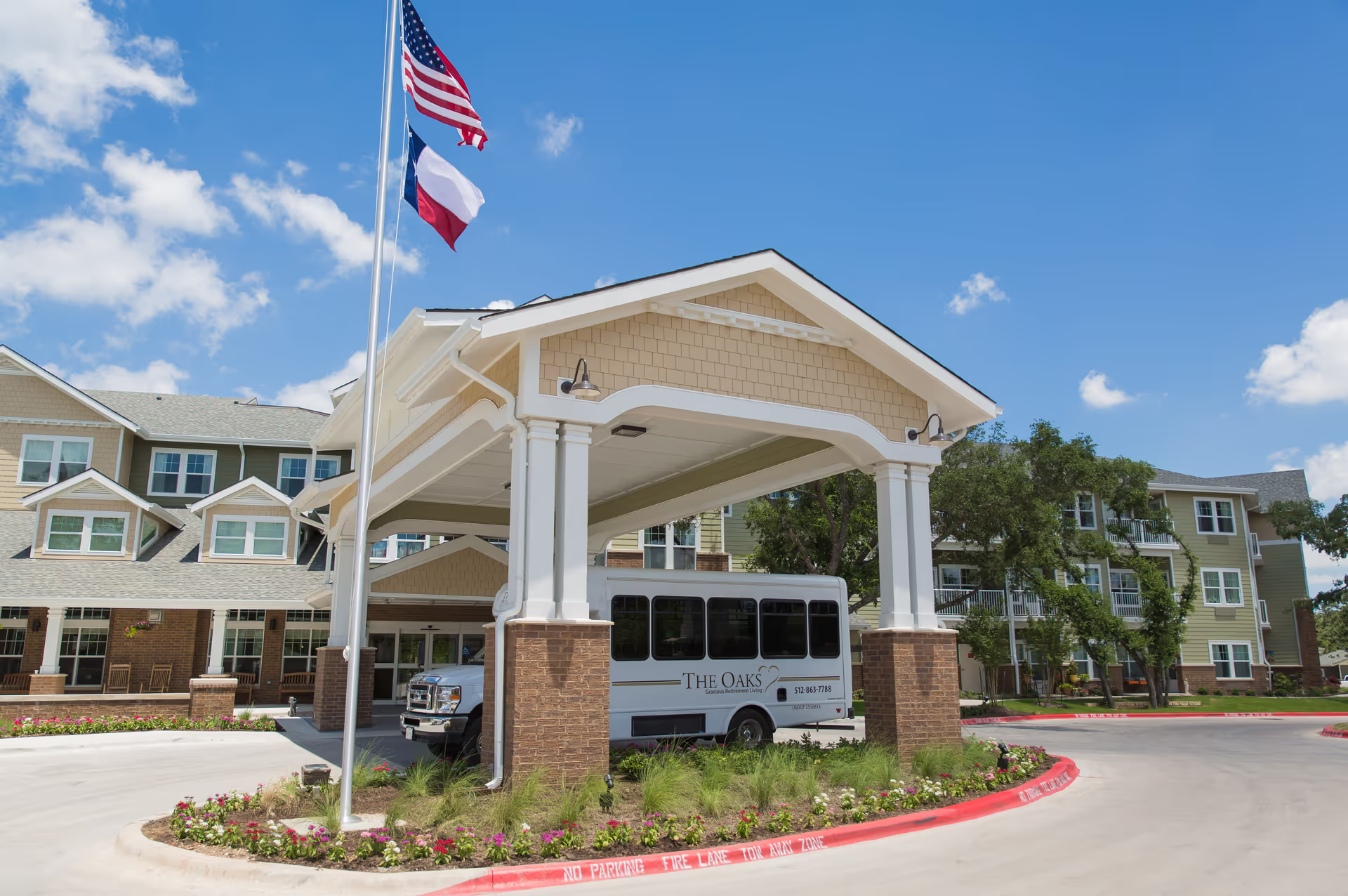
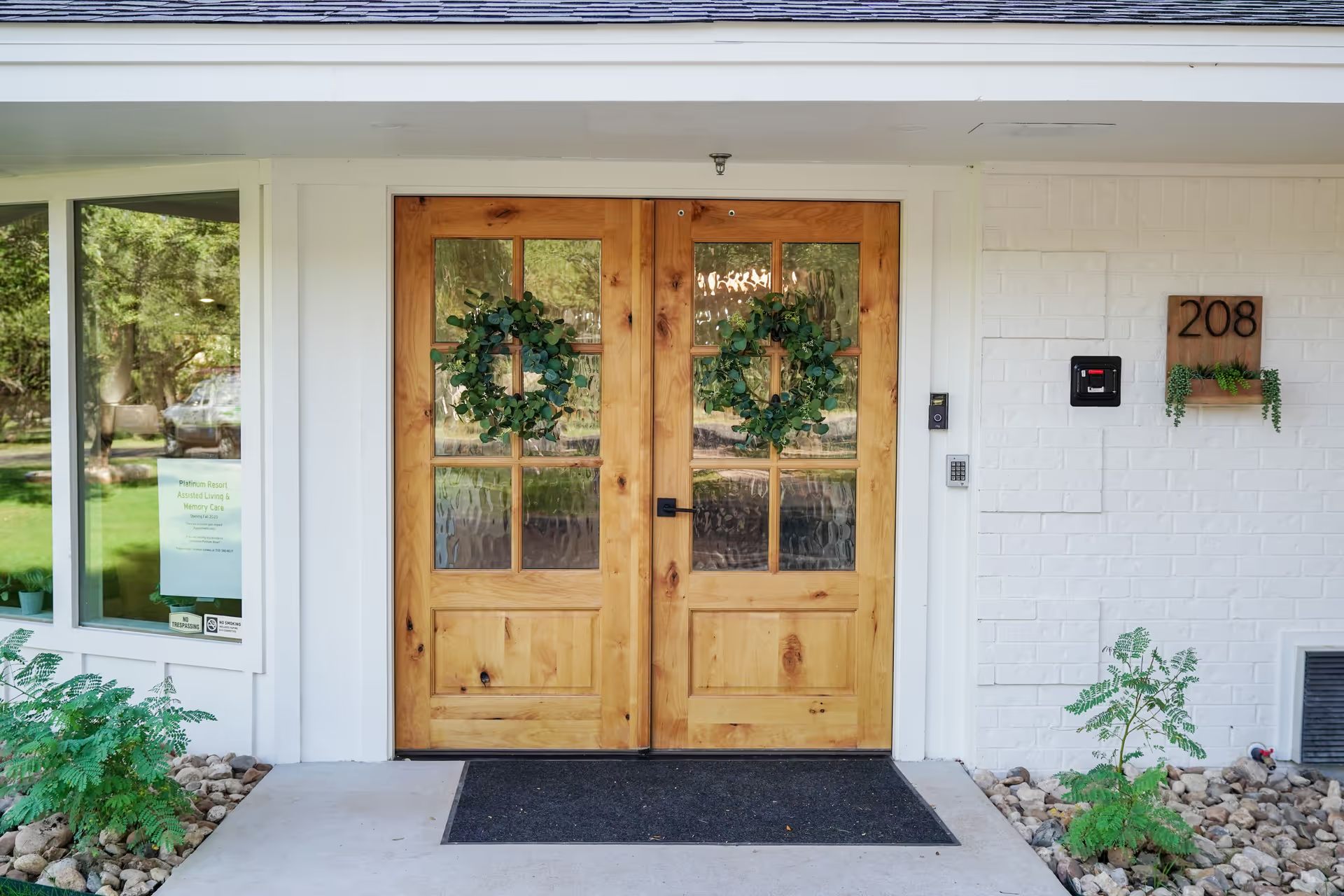
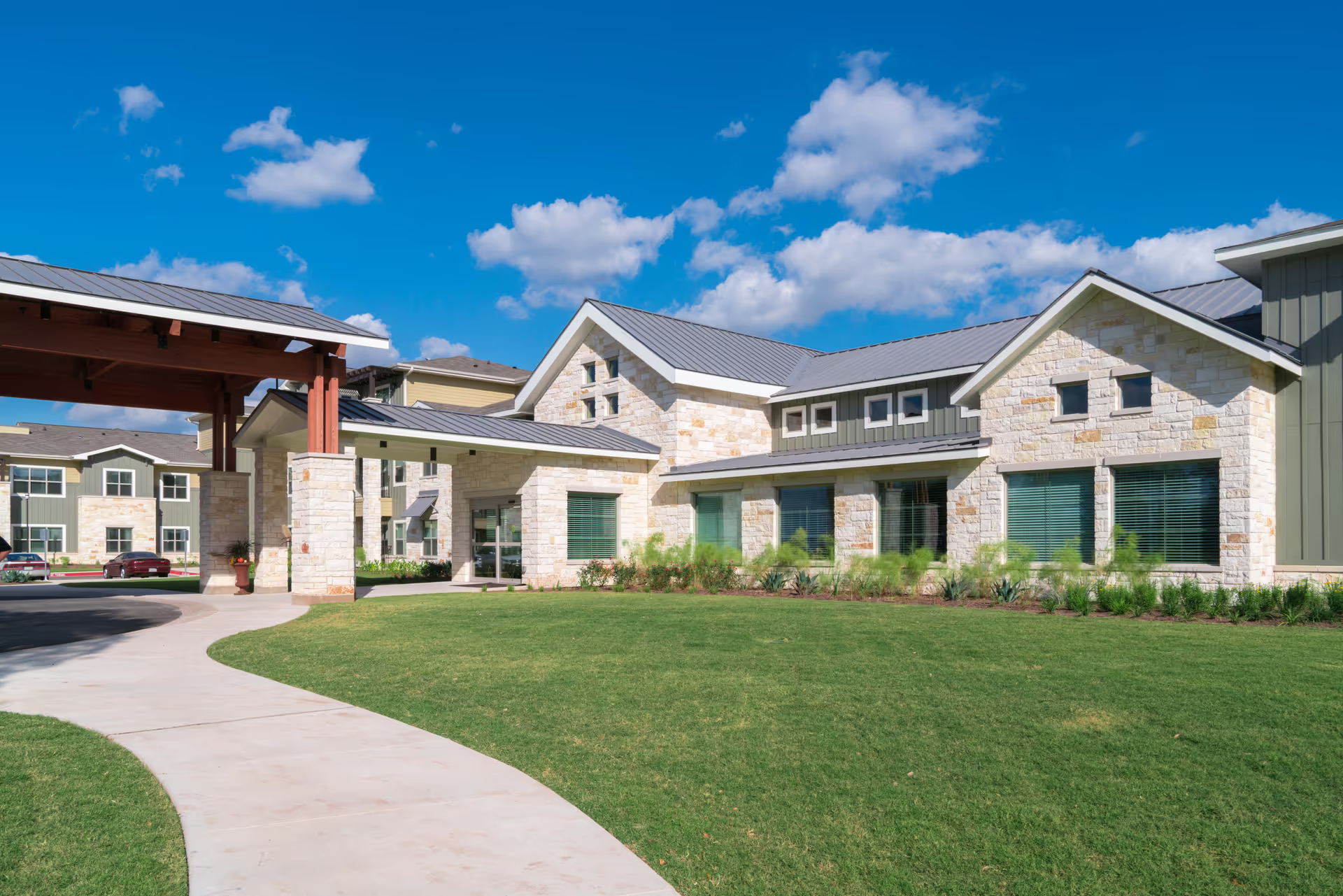
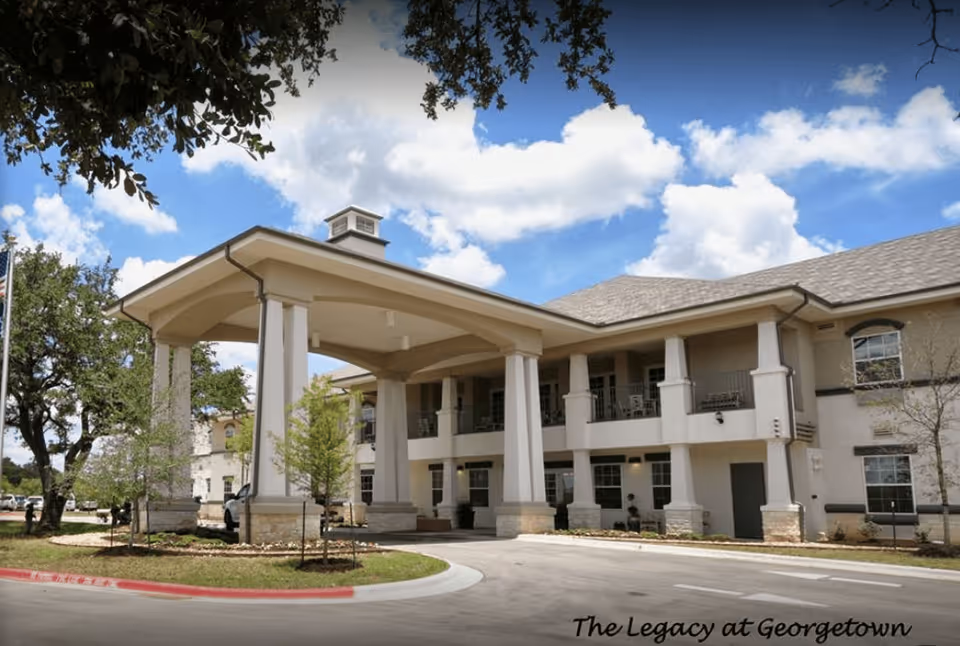
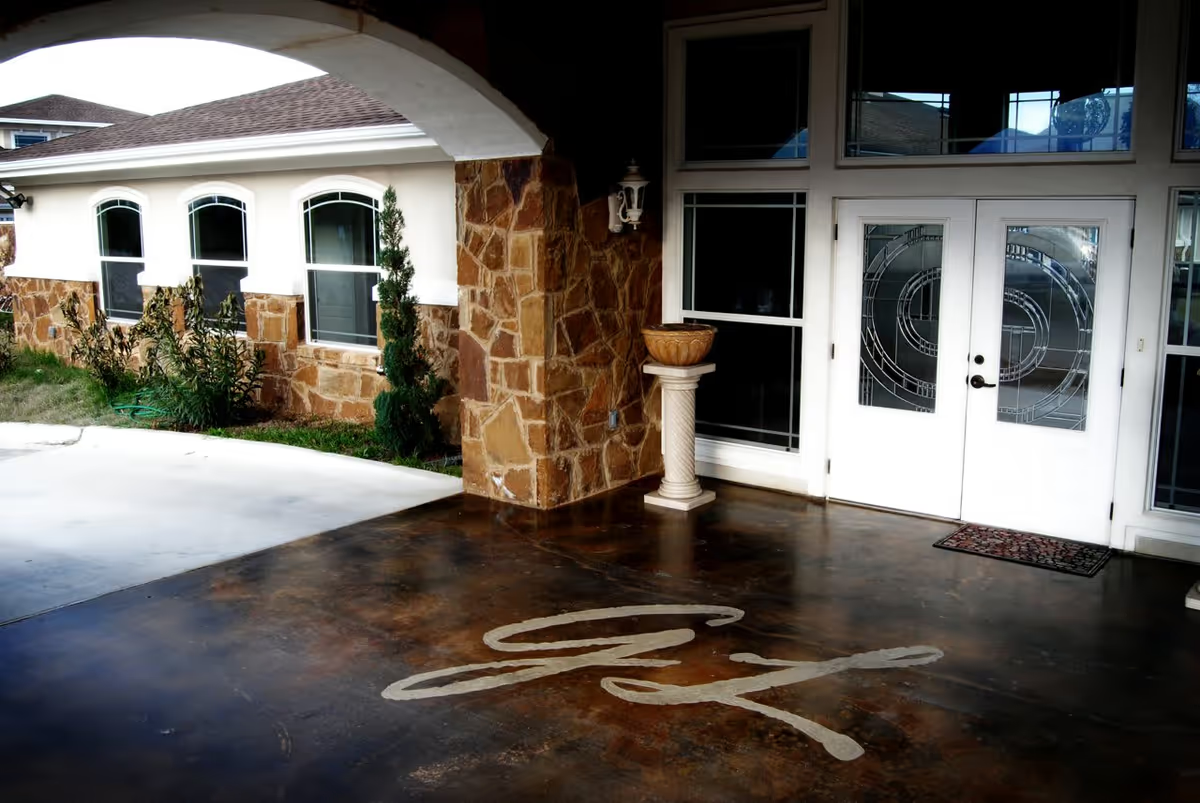
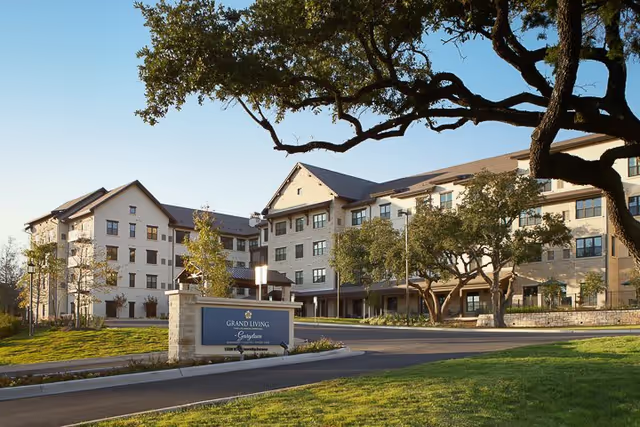
The Wesleyan Assisted Living and Memory Care presents a mixed but specific profile. Strengths include a broad activity program, numerous indoor hobby spaces, and a range of outdoor amenities (courtyards, walking trail, lake, and putting green) that support socialization and light recreation. Housing options are varied with multiple floor plans and generally spacious units; reviewers frequently cited clean, well-lit common areas and on-campus conveniences such as an onsite theater, 24-hour coffee station, and chapel services. The community’s nonprofit, church-affiliated model, flat monthly-fee structure, resident governance board, and onsite skilled-nursing services are also notable organizational features that appeal to families seeking predictable pricing and continuity of clinical resources.
Staffing and direct-care impressions are mixed. Many comments describe friendly, helpful, and professional staff members, including positive references to nursing leadership in some instances. At the same time, there are recurring concerns about inconsistent frontline staffing, training needs among nursing aides, and variability in clinical oversight and responsiveness. These operational inconsistencies have been associated in some accounts with delayed attention to resident needs, safety-related events that required higher-level care transfers, and family dissatisfaction. Prospective residents should inquire about current staffing ratios, training programs, and recent clinical outcomes when evaluating the community.
Dining and daily life receive both praise and critique. The facility offers flexible dining choices, table service, and social dining rooms; however, meal quality was described as variable, and leadership has been reported to be addressing culinary changes. Activities are a clear positive: scheduled outings, structured games, religious services, music, puzzles, and family-friendly programming are well represented and support social engagement and rehabilitation/short stays.
Facility-level issues to consider include management turnover and organizational change following a leadership transition, which several reviewers associated with shifts in community culture and administrative practices. There are also operational concerns such as pest-control issues cited in some units, communication lapses with families, perceived financial prioritization affecting decision-making, and reports of inconsistent placement into higher levels of care. Security and wayfinding on multi-level floors drew comments about a risk of residents getting disoriented and about public access to some areas; visitors should ask about secured memory-care separation, visitor policies, and monitoring for wandering.
Recommendations for prospective families: tour to observe staffing interactions during peak care times; request current staffing ratios, aide training curricula, and recent clinical/incident data; sample meals and review the dining contract; ask for pest-control and sanitation records; verify how level-of-care decisions are made and appealed; and confirm security measures for memory-care areas and wayfinding for multi-level buildings. Overall, the community offers substantial amenities, a strong activity program, and onsite clinical resources, but families should verify current operational stability and staffing consistency to ensure those amenities are matched by reliable daily care.