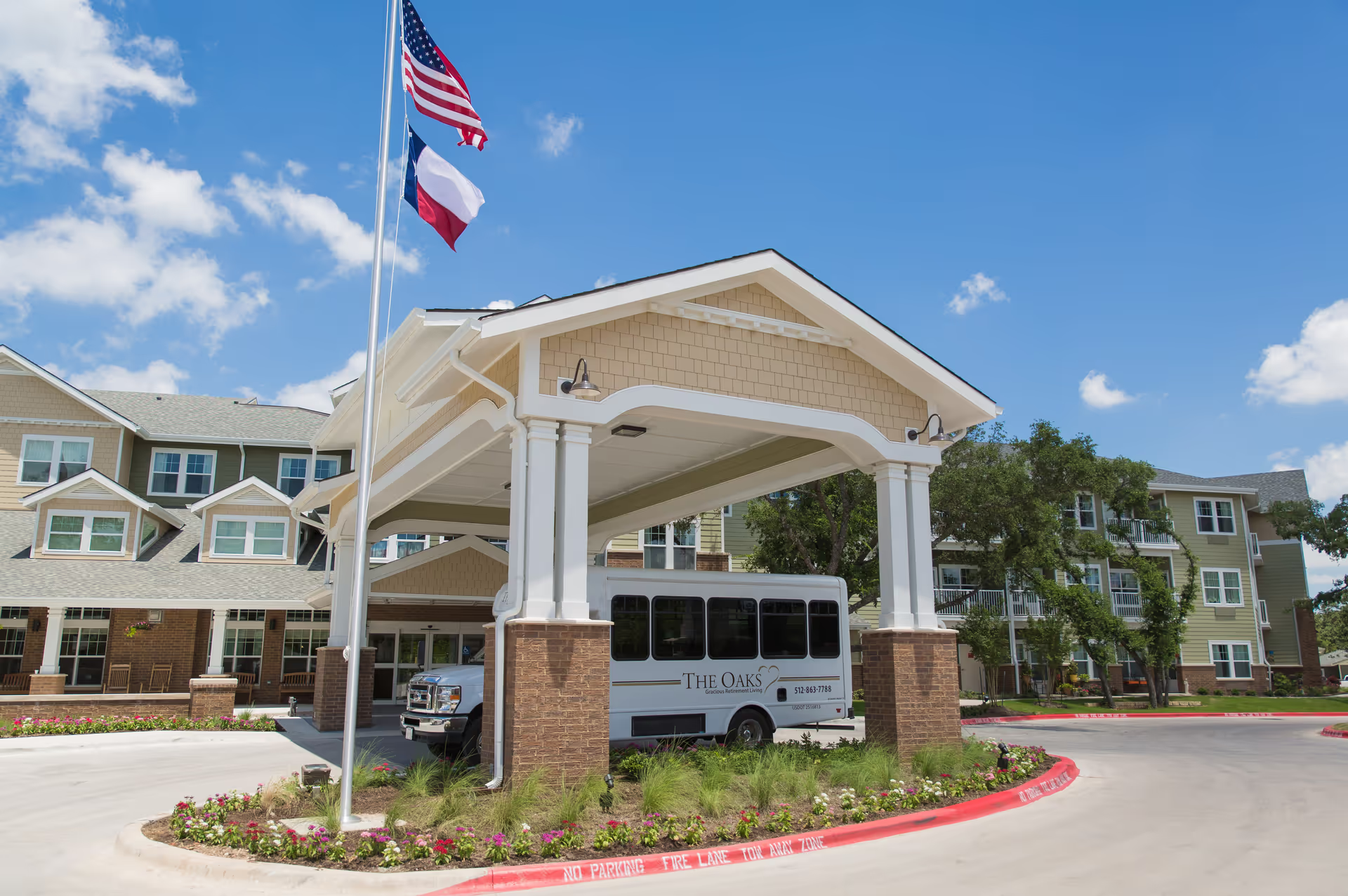
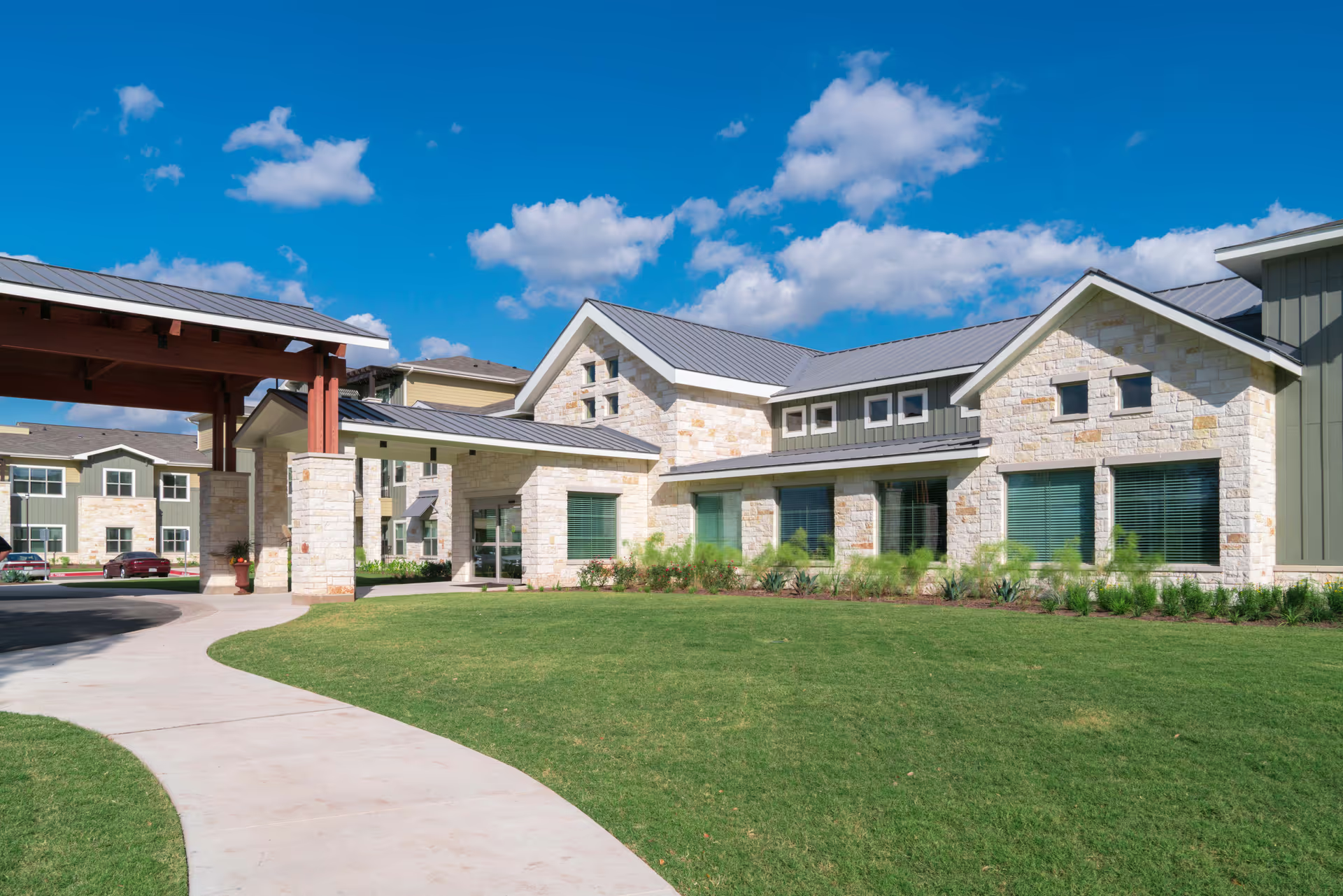
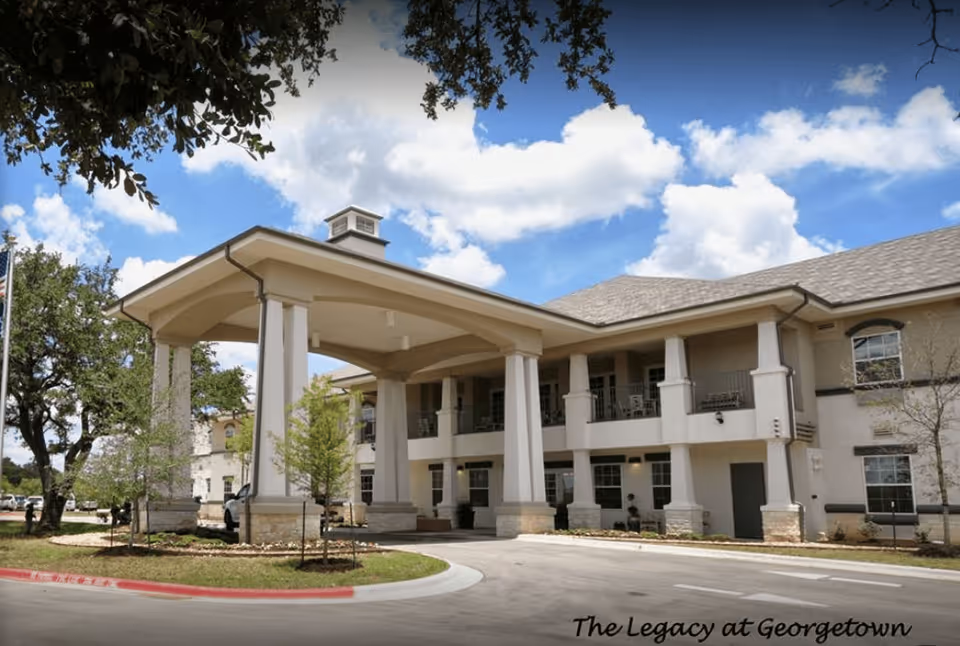
Reviews present a bifurcated picture in which strong rehabilitation services and engaged activity programming coexist with persistent operational weaknesses. Many families praised the therapy departments — physical, occupational, and speech therapy — and individual therapists and trainers who drove measurable functional gains. Activity staff and some caregiving teams are described as caring and personable, and parts of the physical plant (therapy gym, dining rooms, spacious rooms and bathrooms) are considered appropriate for rehabilitation stays.
However, a recurrent theme is staffing instability. Several reviewers described chronic understaffing and high turnover that correlate with slow response times to call lights, delays for toileting and bathing assistance, and families arranging private caregivers to fill gaps. Reviewers linked staffing pressures to inconsistent clinical follow-through: examples include lapses in catheter and incontinence-related care, lapses in medication or device management, and delayed recognition or escalation of acute clinical changes. These are presented as pattern-level care concerns rather than isolated administrative errors.
Dining and dietary management emerge as another mixed area. While some reviewers appreciated meals and the dining environment, many others reported frequent cold or delayed meals and inconsistent adherence to therapeutic diets (notably diabetes-appropriate meal plans). Kitchen continuity and timely meal delivery appear to vary by shift.
Sanitation and facility maintenance are described unevenly. Several families noted parts of the building are clean and well-maintained, while other comments cite sanitation or odor concerns in clinical/nursing zones and inconsistent room housekeeping. Transportation and activity logistics are positively noted when present (e.g., therapy gym, scheduled outings), but reviewers also raised complaints about limited bus availability and reduced activity staffing impacting engagement opportunities.
Management and communication are central to many critiques. Multiple reviewers described slow or unsatisfactory responses from administration to clinical and nonclinical complaints, inconsistent application of visitation or infection-control policies, and post-leadership-change shifts in organizational culture. A small number of reviews raised serious allegations regarding personal-item security and financial/regulatory conduct; those items would warrant direct verification through facility documentation or regulatory channels.
Taken together, the pattern suggests the facility offers robust rehabilitation resources and compassionate staff in many roles, but operational challenges — especially staffing levels, consistency of clinical practices, meal-service reliability, and administrative responsiveness — can materially affect resident experience and outcomes. Prospective residents and family members should consider on-site observations of mealtimes, therapy sessions, staffing levels across shifts, and the facility’s current visitation and infection-control protocols, and should ask for documentation of staffing ratios, clinical oversight practices, and policies for personal-item management before admission.