Overall impression: Reviews portray Assisted Concepts as a small, home-like senior care provider with consistently high marks for day-to-day caregiving, facility appearance, and owner involvement. Families and observers express strong satisfaction with the quality of attention residents receive and the environment in which care is delivered.
Care quality and staff: Care is described as attentive and compassionate, with caregivers providing close daily support and purposeful engagement. Several accounts describe noticeable clinical improvement after admission — for example, increased interaction, verbal engagement, and resumption of eating — suggesting effective individualized care and timely responsiveness to residents’ needs. Staff behavior is framed as respectful and supportive, and reviewers repeatedly praise the personal attention caregivers provide.
Activities, stimulation, and dining: A recurring strength is the active stimulation and person-centered engagement offered by caregivers; this activity-level appears linked to improvements in resident mood and participation. While formal dining-program details are limited in the summaries, the noted recovery in appetite and re-engagement with meals indicates effective assistance with nutrition and mealtime support for residents who needed encouragement.
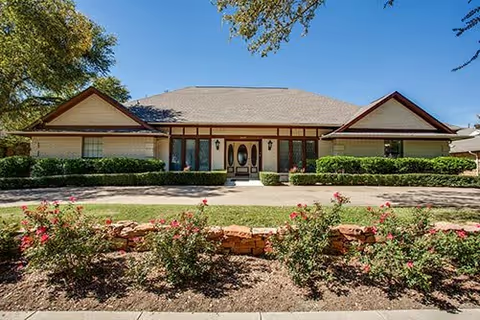
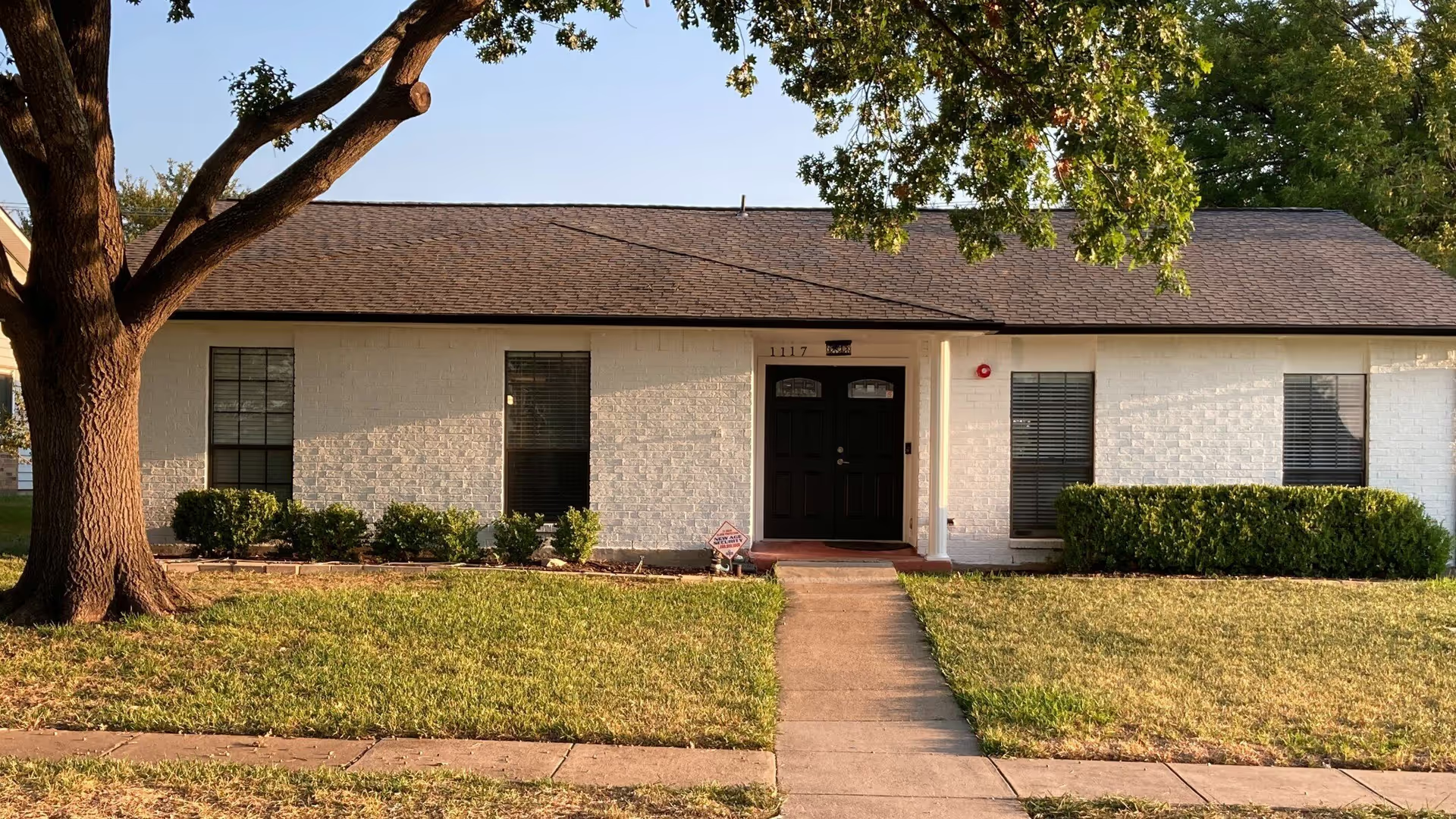
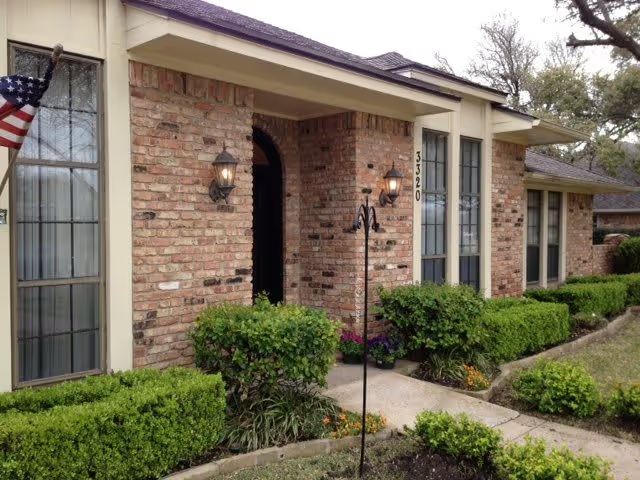
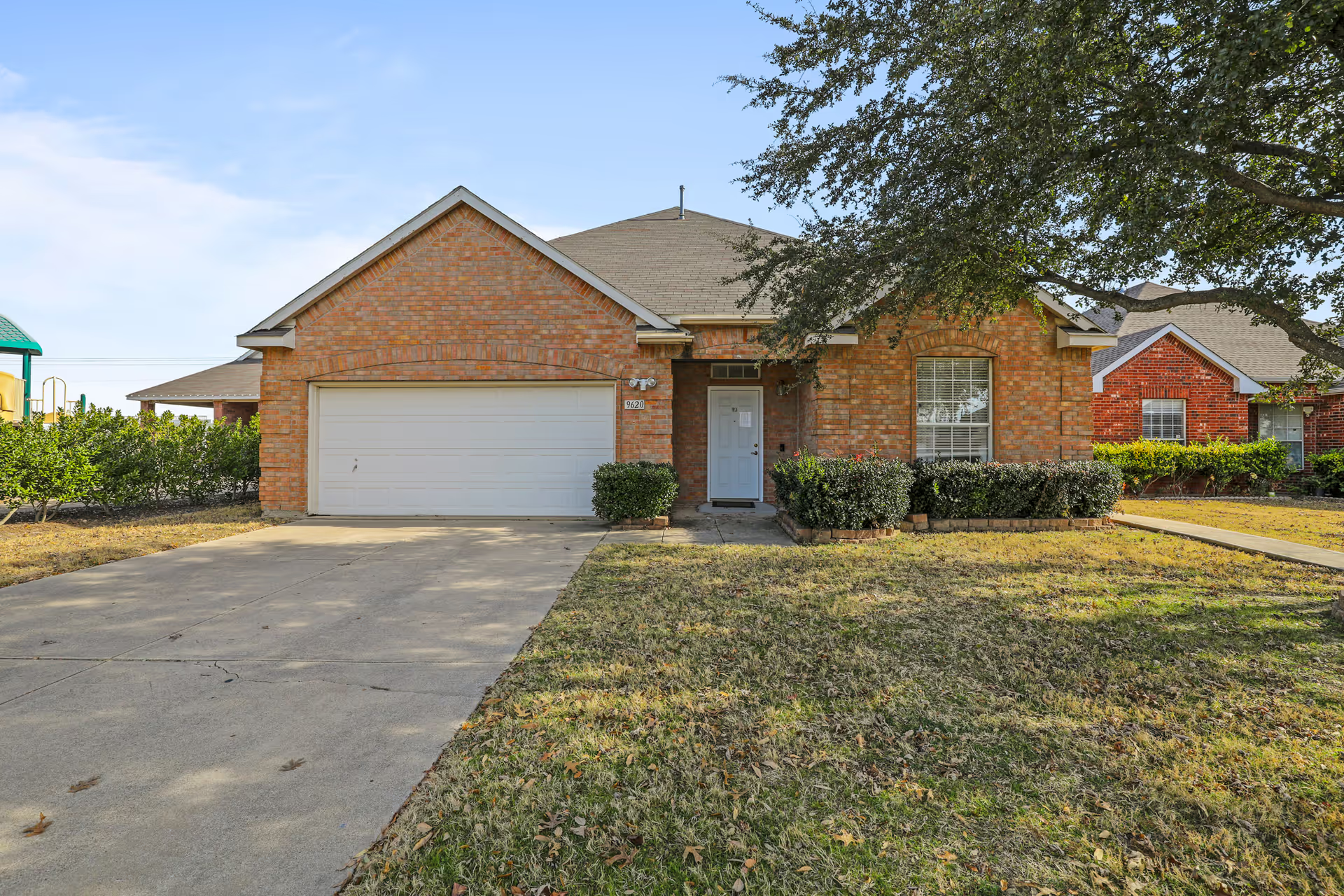
Facilities and atmosphere: The physical environment is consistently described as clean, attractive, and homelike. Reviewers emphasize a residential-scale house that feels welcoming and well maintained; this setting is a clear factor in families’ positive impressions and in decisions to shortlist the provider.
Management and reputation: Owner and management presence is visible and positively received — reviewers comment on being impressed with the owner and the quality of oversight. The provider has a strong reputation among those who evaluated it, earning top ratings and being placed near the top of consideration lists.
Notable patterns and limitations: The facility’s strengths position it as a premium, residential alternative to larger, budget-oriented providers. That positioning can translate to higher cost, and at least one family chose a less expensive option despite liking the home. The residential, home-like model that contributes to a positive atmosphere may also mean more limited on-site specialized clinical services compared with larger institutional facilities; prospective residents with high-complexity medical needs should clarify available clinical capabilities and transfer protocols. Finally, because the provider is well regarded, families should anticipate potential availability constraints during periods of high demand and confirm admissions timelines early in the search process.