Collinwood Nursing and Rehabilitation presents a mixed profile in family reviews, with clear strengths in staff commitment and the facility’s atmosphere alongside recurrent operational weaknesses. Many families emphasize a welcoming, home‑like environment supported by long‑tenured caregivers, approachable front‑desk staff, and visible hospice and chaplain services. Reviewers commonly note that common areas are clean and the community is small and secure, which can provide a reassuring, family‑oriented setting. Several accounts highlight proactive family communication practices, such as weekly updates and ongoing care coordination, which contribute to peace of mind for some families.
Care quality impressions vary. Positive comments point to professional nursing knowledge, attentive aides, and responsive clinical monitoring in many cases. However, a substantive pattern of inconsistent clinical practices appears in the reviews: examples include deviations from physician orders, decisions made without clear family consent, and situations that families perceived as unnecessary hospital transfers. These describe operational gaps in clinical‑care adherence and in transition/transfer decision protocols that prospective families should evaluate closely.
Staffing is a prominent contrast area. Numerous reviewers praise dedicated, long‑standing staff who create a family feeling and provide individualized attention. At the same time, other reviewers describe a revolving door of newer staff, inconsistent customer‑service tone, and variability in responsiveness to call lights and basic care requests. This suggests that staffing stability and training are strengths in some units or shifts but inconsistent across the facility; families may want to inquire about current staffing patterns and turnover when touring.
Dining and activities show similar variability. Several families describe engaging programming — bingo, morning music, holiday parties, and an active new activity director — that keeps residents socially involved. Conversely, there are recurring concerns about the quality and nutritional consistency of meals. For residents with advanced memory needs, reviews indicate that activity programming may not adequately address higher‑level cognitive needs; families with dementia care requirements should discuss individualized activity plans and therapeutic programming in detail.
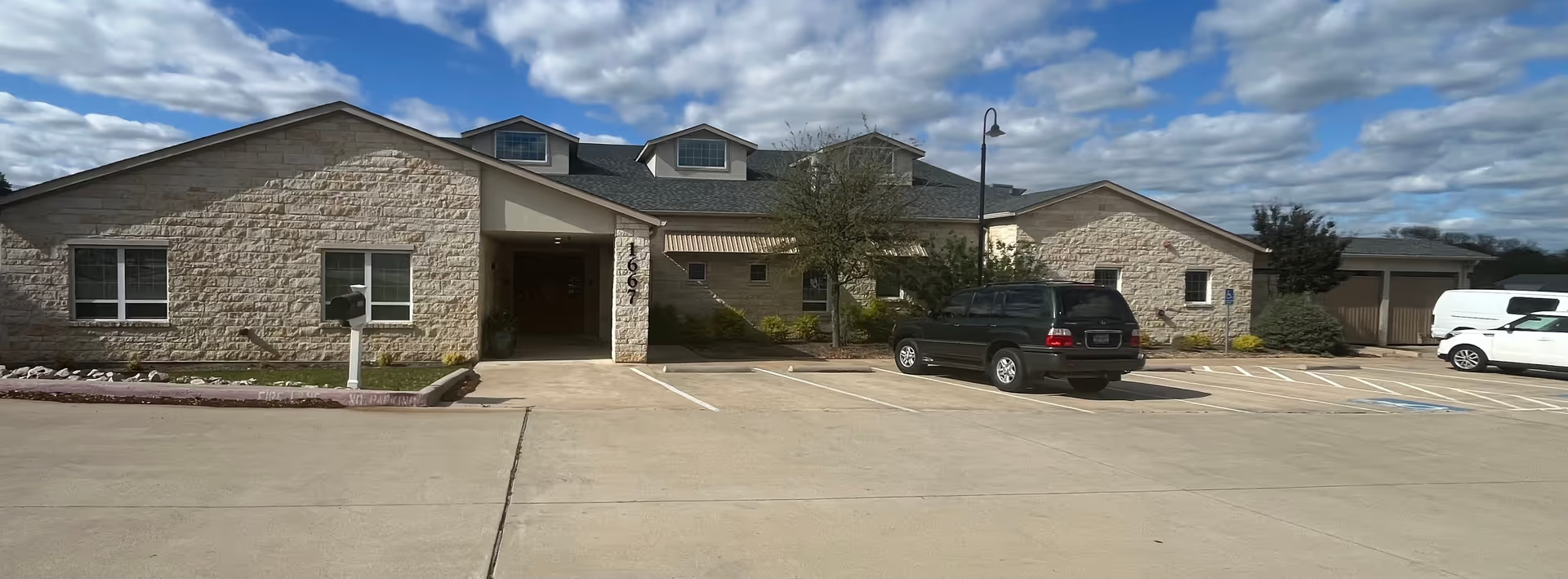
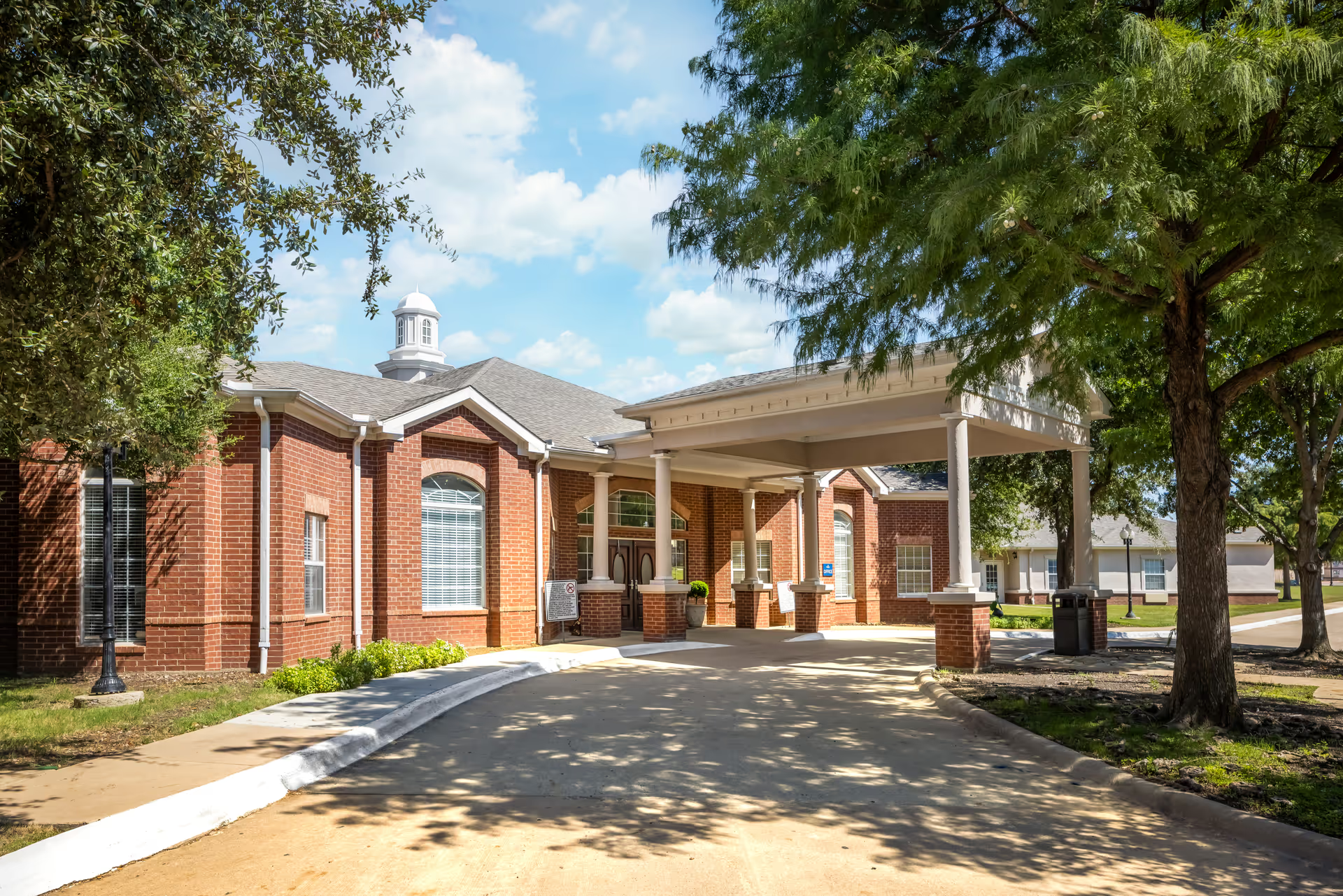
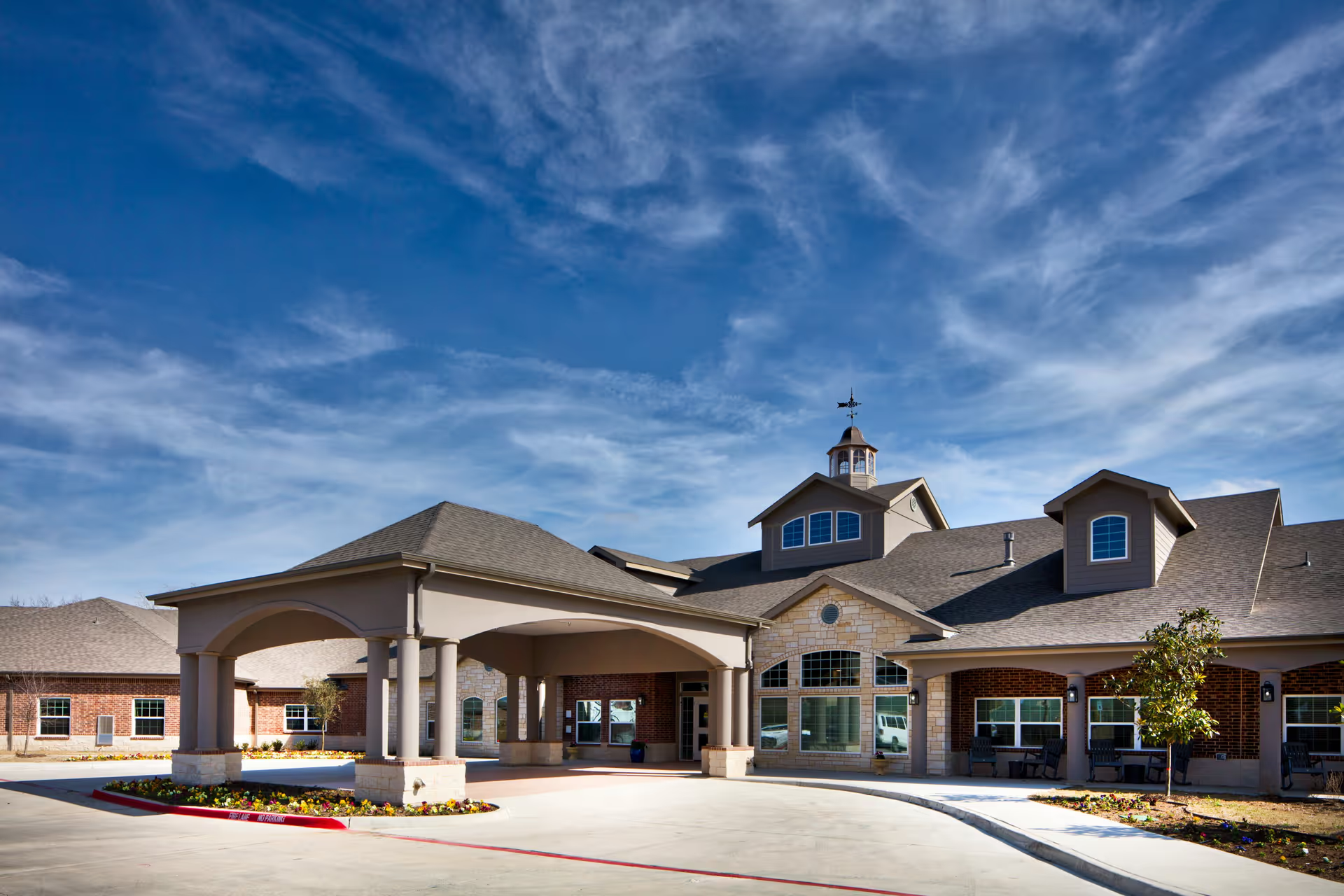
Facility condition and amenities are described as an older but largely well‑kept community. Many reviewers appreciate clear signage, an easy‑to‑navigate layout, and a clean interior. Others cite dated areas and occasional odor concerns; these comments indicate that while general housekeeping is a strength, some maintenance and environmental issues may be intermittent and worth direct observation during a visit.
Administrative and operational issues recur in the reviews. Billing and Medicare administration problems, unclear billing for outside‑doctor visits, and confusion around charges are cited multiple times. There are also several mentions of missing personal items, which points to weaknesses in property controls and inventory practices. Additionally, reviewers describe inconsistent family communication after clinical incidents and confusion coordinating external providers; these are governance and process areas that a prospective family should query the administration about before placement.
Overall, Collinwood offers identifiable strengths: a compassionate, often long‑tenured staff; a small, homey environment; and active social programming in many units. Offsetting these strengths are persistent operational concerns around communication, billing, staffing consistency, dementia‑appropriate programming, and personal‑property controls. Prospective residents and families would benefit from an in‑person tour, direct conversations with nursing leadership about staffing and physician‑order adherence, a review of recent billing practices and property‑loss policies, and observation of activities and meal service to assess alignment with specific care needs.