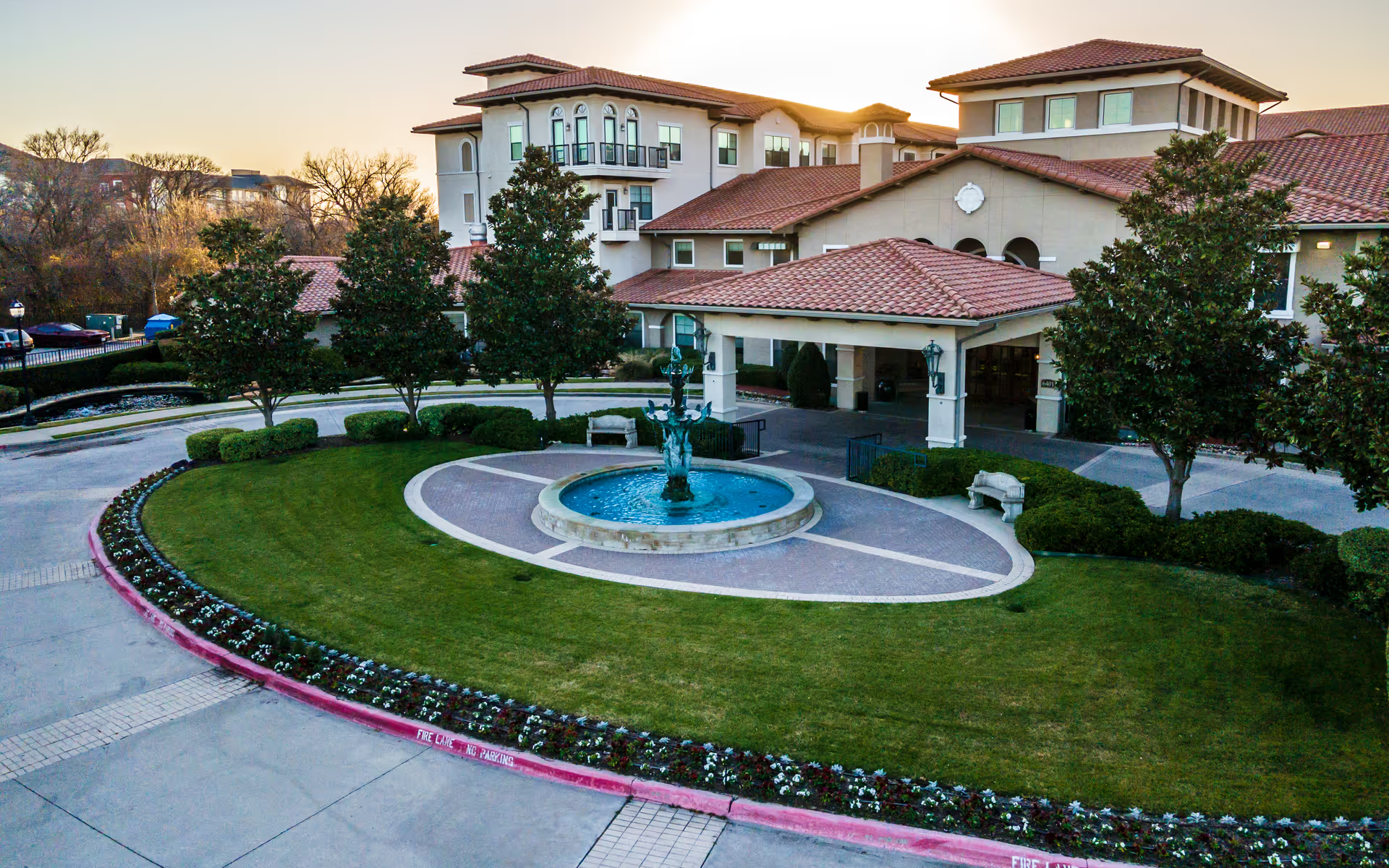
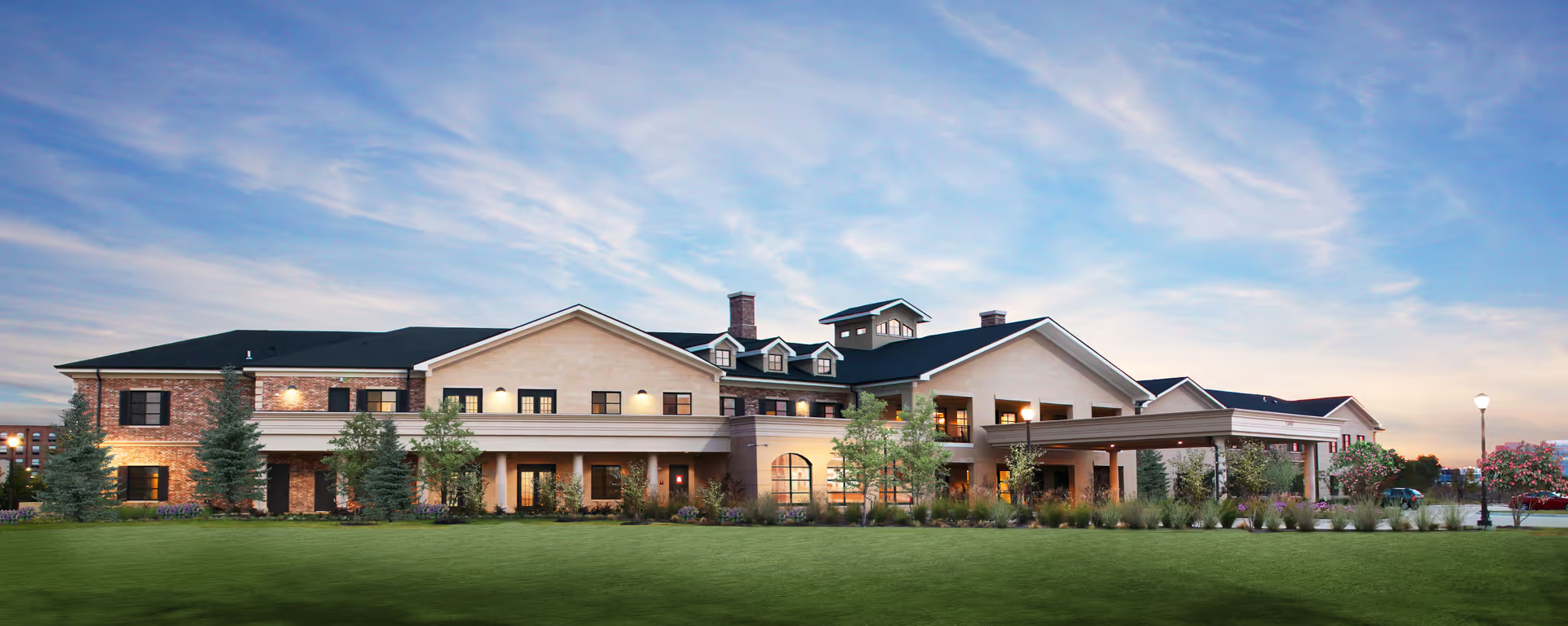
Legacy Willow Bend is presented across reviews as a high-amenity, campus-style CCRC with a boutique-hotel aesthetic and a full continuum of services: independent living, assisted living, memory support, skilled nursing, in-home care, and hospice. The physical plant and lifestyle offerings are consistently highlighted—modern apartments with upscale finishes, multiple social venues (movie theater, library, salon), extensive wellness facilities (large pool, well-equipped gym, personal trainers), landscaped grounds and dog-friendly spaces, and an active calendar of lectures, classes, cultural events and organized excursions with transportation.
Clinical and rehabilitative services receive mixed assessments. A number of families describe strong therapy programs and effective short-term rehabilitation, with therapists and some nursing staff praised for helping residents regain function. Conversely, there are recurring concerns about inconsistent clinical care quality: medication-management lapses, delays in laboratory/urinalysis processing, and uneven wound and infection management. Several reviewers described hospital transfers for infection-related issues and pressure-ulcer concerns; these point to variability in clinical outcomes rather than uniform performance across the campus.
Staffing and day-to-day caregiving show a pronounced split in experiences. Many reviews single out dedicated CNAs, therapists, coordinators and activity staff who provide compassionate, responsive service and create a warm community atmosphere. At the same time, there are numerous descriptions of variable staffing levels, high turnover, and overtime-heavy shifts that correspond with slower response times—particularly on second/third shifts—and gaps in basic assistance. These operational patterns correlate with reported safety and fall-prevention problems and with delays in toileting and personal-care assistance for some residents.
Dining and dietary accommodations are another area of divergence. Several reviewers describe restaurant-style meals, varied menus and strong dining leadership; other families characterize certain menu items as overly processed or containing ingredients that can trigger sensitivities. The facility appears able to customize meals in some cases, but potential residents with chemical sensitivity or very specific therapeutic diets should confirm accommodations in advance.
Management, communication and policy issues are repeatedly noted. Positive reports describe helpful admissions coordinators and engaged administrators; negative reports emphasize inconsistent family communication, delayed follow-up (including VA-form assistance and paperwork), alleged privacy/process breaches, and perceptions that cost considerations have influenced clinical or readmission decisions. Financial concerns—high upfront fees, periodic price increases, and occasional refund delays—were raised by multiple reviewers and may affect perceived value.
In sum, Legacy Willow Bend offers a strong physical environment and a broad range of amenities that many residents and families find very attractive, and it provides high-quality therapy and rehabilitation in many cases. However, review patterns indicate variability in clinical consistency, staffing stability, communication, infection and wound management, and certain operational policies. Prospective residents and families would benefit from targeted questions during tours: staffing ratios by shift and float coverage, night-shift response times, medication-administration audits, wound- and infection-care protocols, dietary-accommodation procedures (including sensitivities), discharge/readmission and financial policies, and privacy/HIPAA safeguards. Verifying these operational details can help align expectations with the facility’s strengths and address areas where reviewers identified inconsistency.