Reviews present a mixed but distinct pattern: many families praise the clinical rehabilitation services and the compassionate hands-on care provided by long-tenured aides and therapy staff, while other reports describe operational and safety shortcomings that have affected resident experience. The facility is frequently characterized as a small, family-style community with an active activities program, pleasant outdoor spaces, and staff who can and do build strong relationships with residents.
Care quality is described as uneven. Numerous accounts commend the physical and occupational therapy teams for measurable functional gains and attentive instruction; multiple reviewers cited specific therapists and positive rehabilitation outcomes. At the same time, there are recurring reports of inconsistent clinical practices: gaps in medication documentation, missed or delayed assistance with basic care tasks, wound and skin-care concerns, and incidents requiring hospital transfer. These accounts suggest variability in clinical follow-through and reliability that prospective families should assess during visits and care-plan meetings.
Staff and management impressions vary considerably. Many reviewers highlight compassionate, patient-oriented nursing aides and an activities team that consistently engages residents. Several also noted improvements after management changes and praised proactive communication from particular leaders. Conversely, other families described unhelpful or abrupt front-office interactions, billing errors, and poor coordination around discharge and Medicaid paperwork. There are also allegations of financial mishandling in a subset of reports; those serious claims merit direct inquiry with facility leadership and careful documentation if concerns arise.
Dining and programming are mixed. The activities program, music, and events receive consistent positive feedback; residents appear to benefit from scheduled arts, crafts, bingo, and live entertainment. Food quality received both praise and critique: some find the meals enjoyable and appropriate for recovery, while others report cold or late meals and insufficient diabetic or texture-specific accommodations. Families should confirm dietary menus and special-meal protocols during admission discussions.
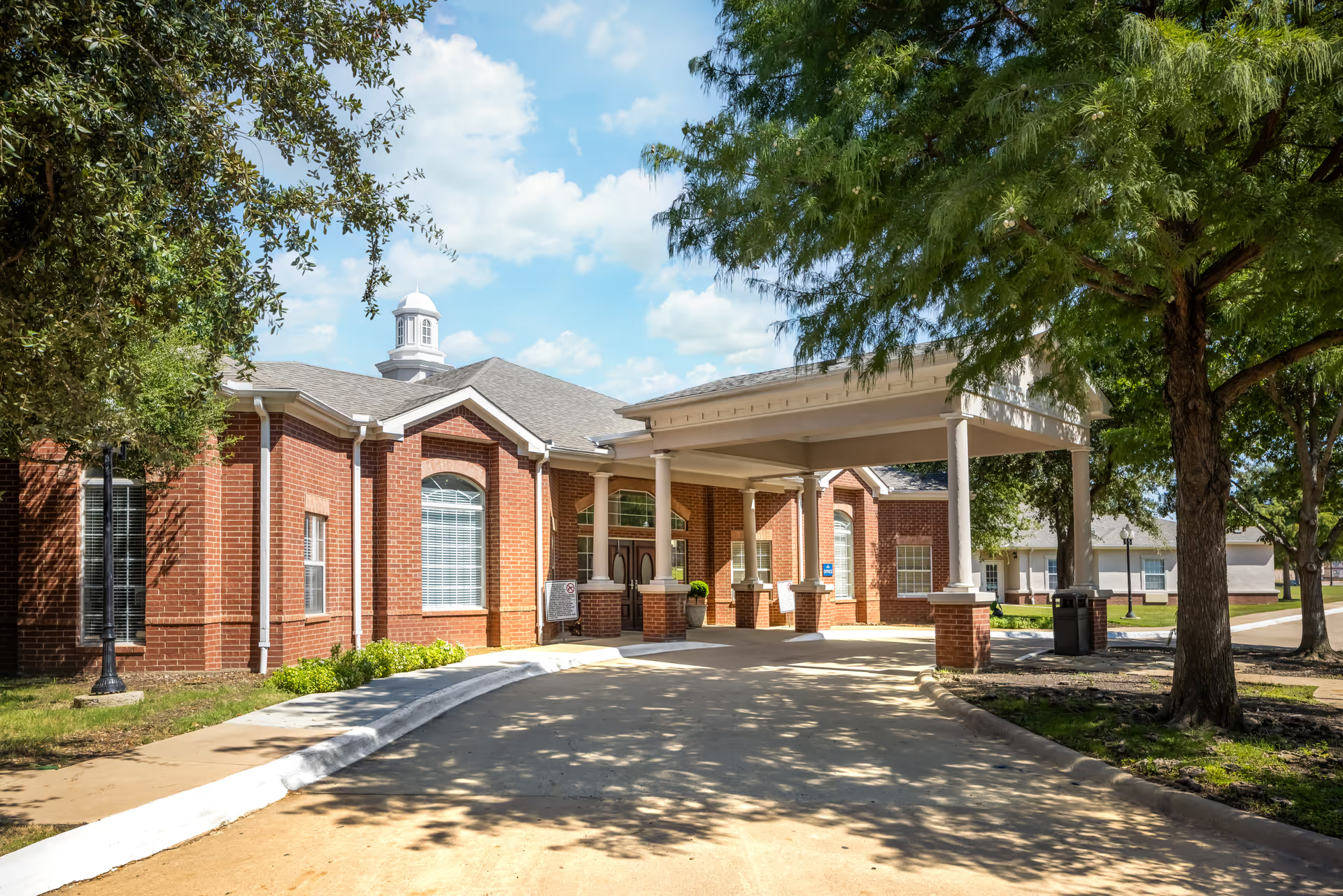
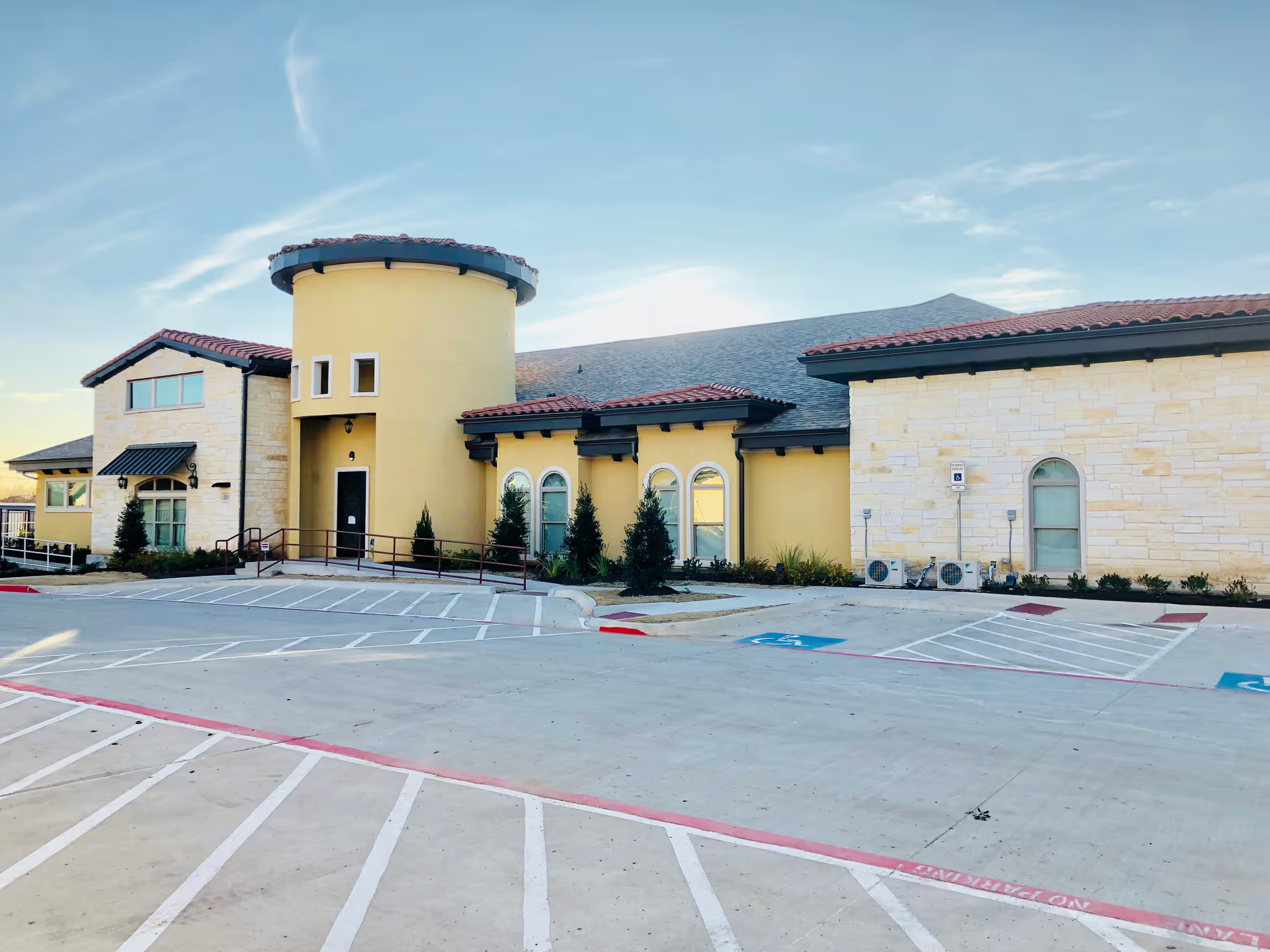
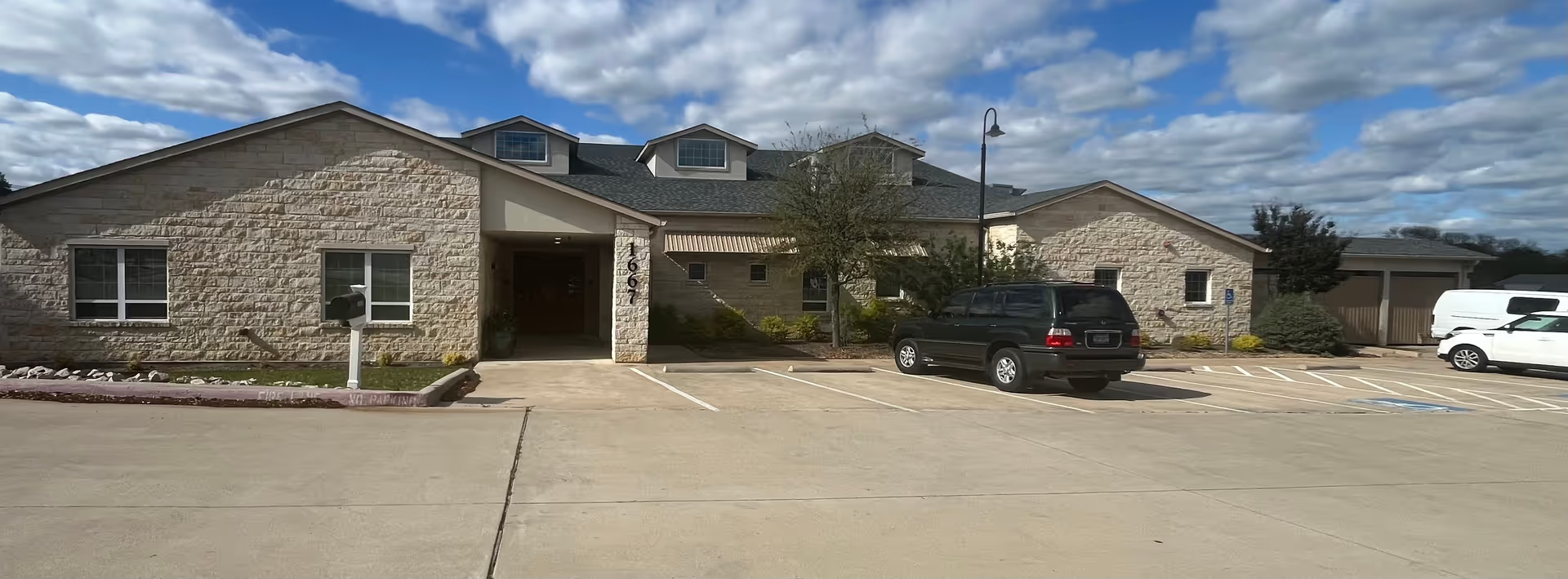
Facility condition and safety patterns are another area of divergence. The building is described as older in many accounts, with attractive courtyards and a home-like atmosphere, but reviewers also flagged maintenance issues such as water intrusion, mold/mildew concerns, pest-control needs, linens or laundry left in corridors, and lingering odors in common areas. Safety-related concerns include falls, transfer issues, and perceived lapses in monitoring; combined with reports of slow call-button responses, these point to staffing and process vulnerabilities that can affect resident safety.
Notable patterns and practical guidance: the strongest, consistent positive is the therapy and activities program and the presence of many compassionate direct-care staff. The most consistent negatives are operational: staffing variability, call-response delays, cleanliness/maintenance issues, and administrative/billing lapses. Prospective residents and families should tour during active hours, observe staff–resident interactions, ask for recent staffing ratios and infection-control measures, review medication and care-plan documentation practices, confirm dietary accommodations, and request clear written policies on billing and discharge. For families prioritizing rehabilitation, the facility appears to offer robust therapy services; for those prioritizing consistent nursing oversight and pristine facility conditions, the mixed reports suggest careful, ongoing oversight and clear expectations are advisable.