Reviewer feedback for The Plaza at Richardson presents a broadly mixed picture: many families praise the interpersonal qualities of frontline staff, the therapy programs, and the physical environment, while operational and clinical-safety concerns recur enough to warrant careful inquiry before placement.
Care and clinical coordination: Reviews describe compassionate, attentive nursing and aides, and highlight engaged rehabilitation therapists and positive therapy outcomes. Hospice services are available and have been used. However, a pattern of staffing shortages and turnover is associated with delays in responses to clinical needs and emergencies, inconsistent medication and feeding-tube practices, and uneven incontinence and laundry support. Several reviews raise specific concerns about memory-care placement and staff competency for residents with dementia; families reported instances where care needs exceeded the facility’s capabilities and where return/placement decisions were influenced by higher-level administrative directives.
Staff and management: Admissions and business-office personnel are frequently singled out as helpful and proactive, and individual staff members receive praise for going above and beyond. At the same time, reviewers identify high staff turnover, morale issues, and some instances of unprofessional conduct and interpersonal conflicts among staff. Communication is uneven: some families commend clear, timely updates, while others describe poor coordination with hospice, delayed family notification for clinical events, and difficulty reaching staff by phone. A number of reviewers also mentioned that corporate-level decisions impacted local clinical placement and readmission choices.
Dining and nutrition: Many reviewers found meals to be hot and varied, and noted improvements in cuisine and meal diversity over time. Activities staff and programming are generally viewed positively. However, recurring concerns include limited dietary customization (notably for diabetic needs), small portion sizes for some residents, and incidents suggesting lapses in meal management and feeding procedures. Families with residents requiring strict dietary control should verify menu practices and dietitian involvement.
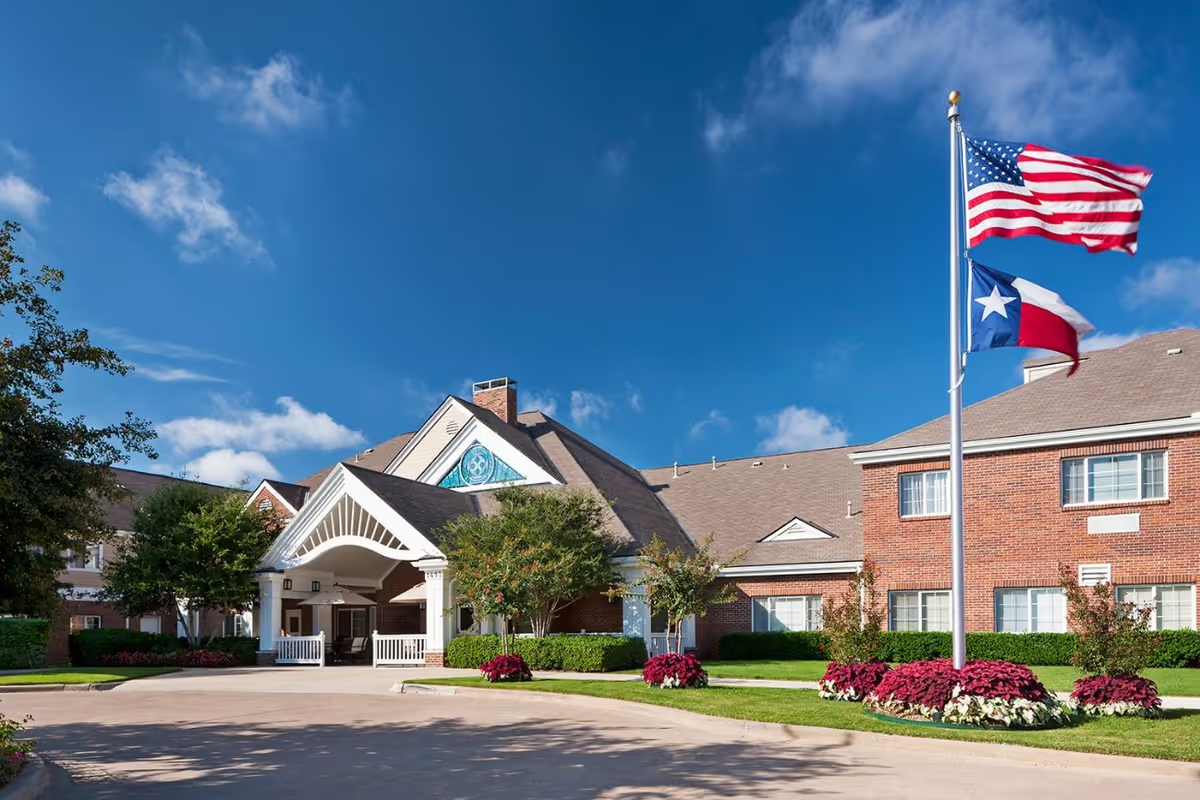
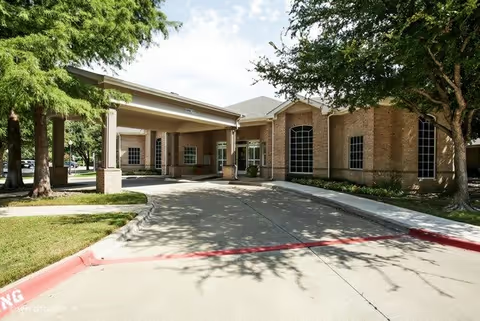
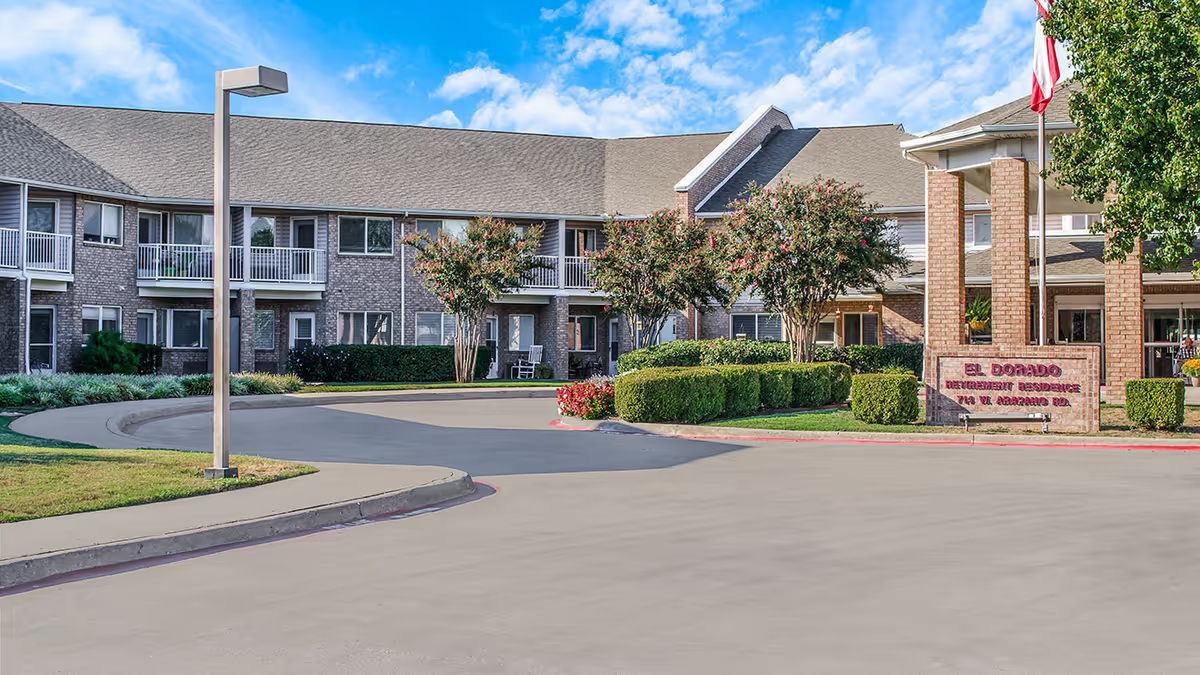
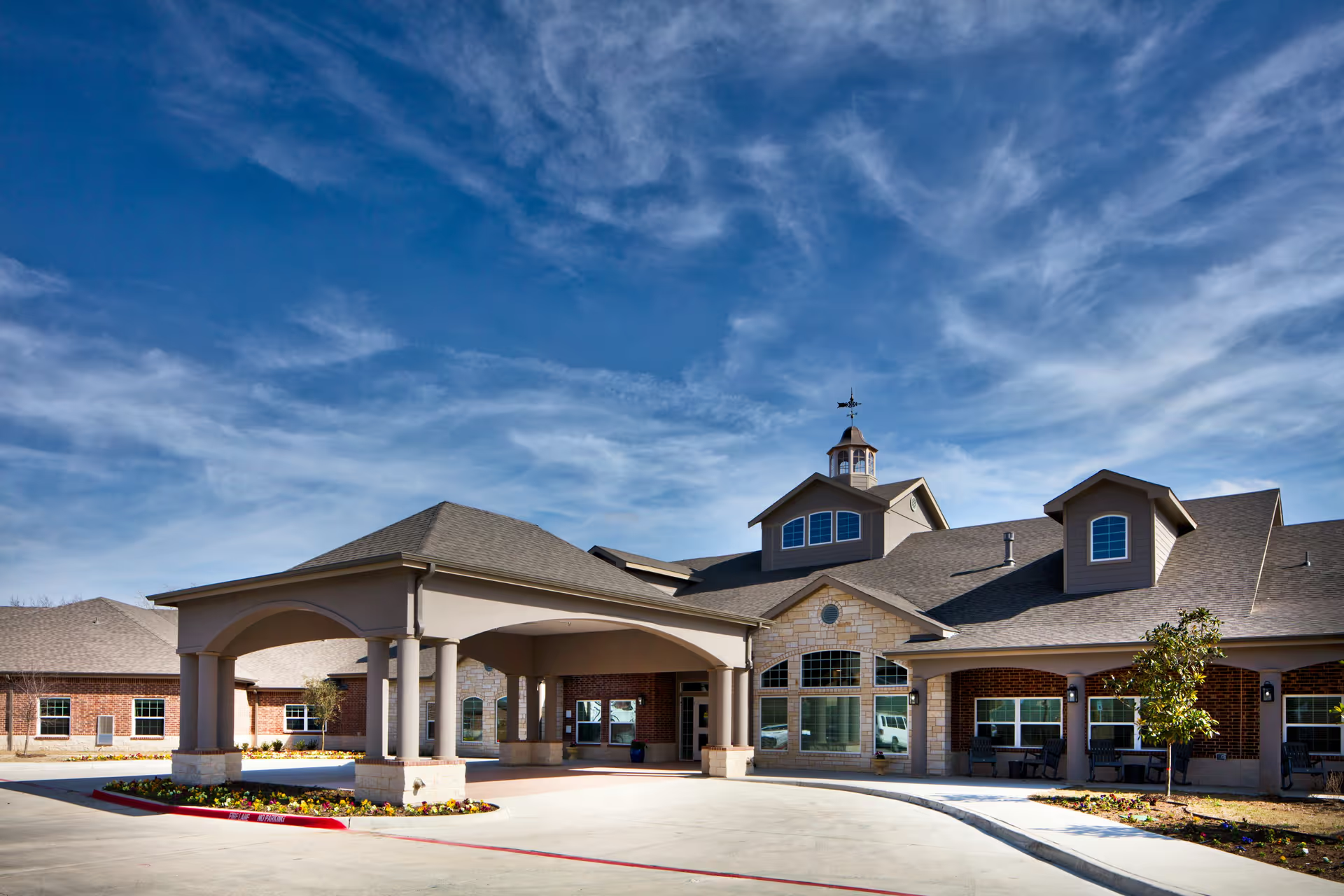
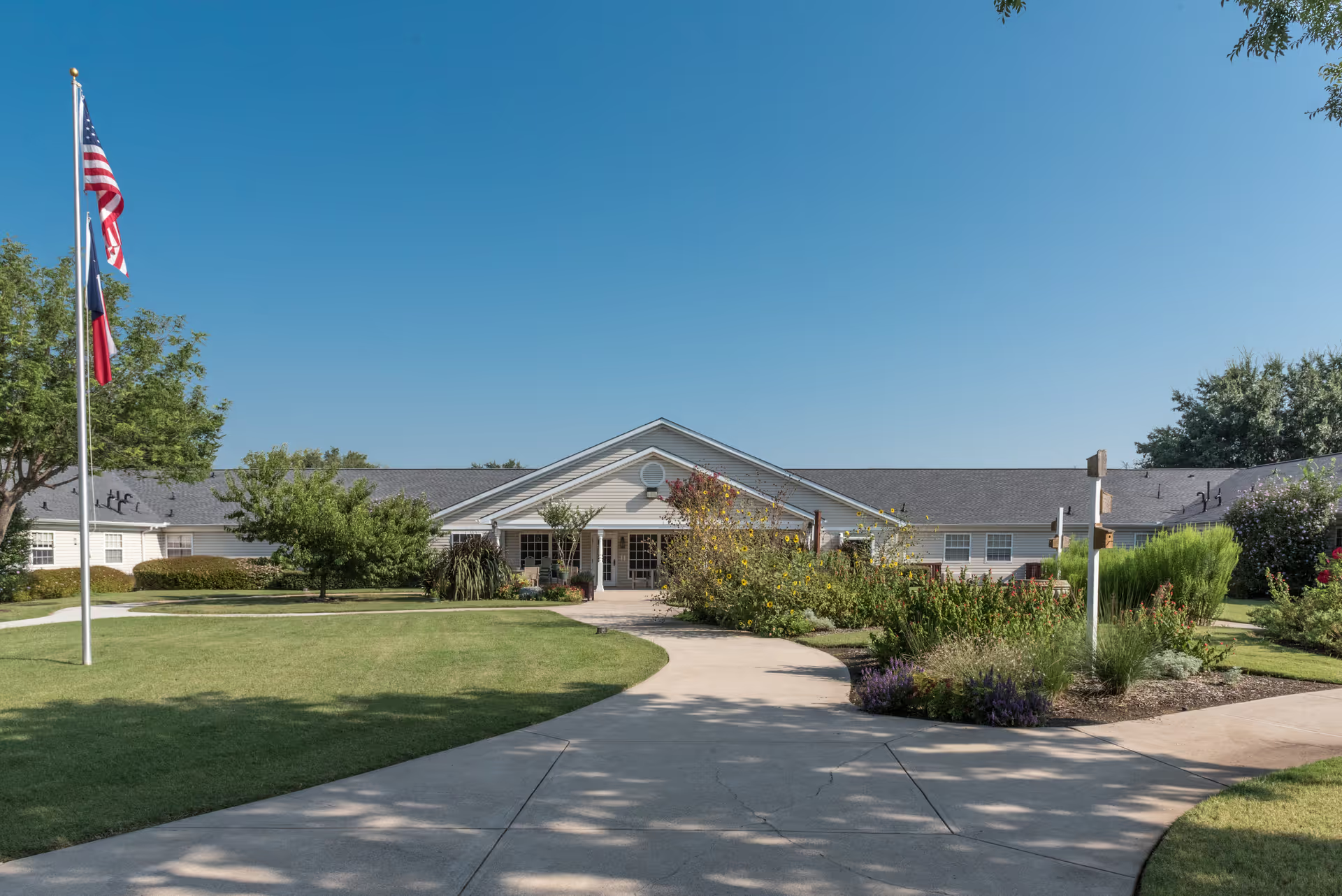
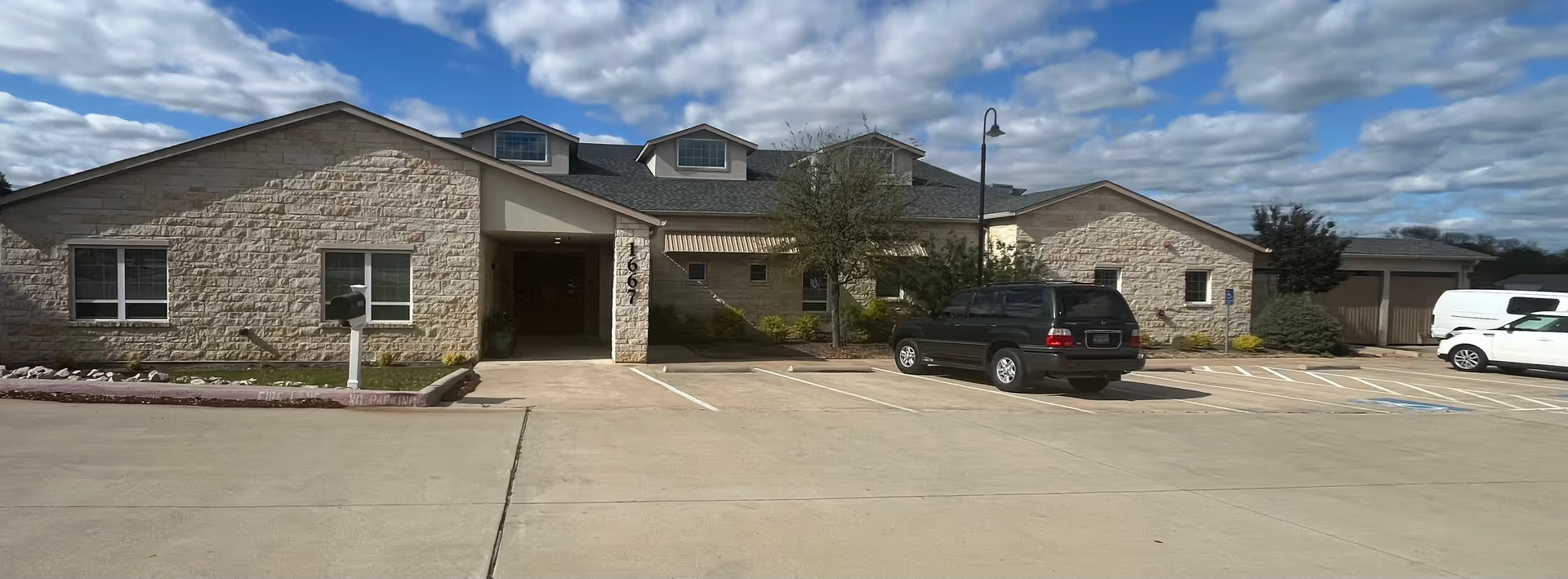
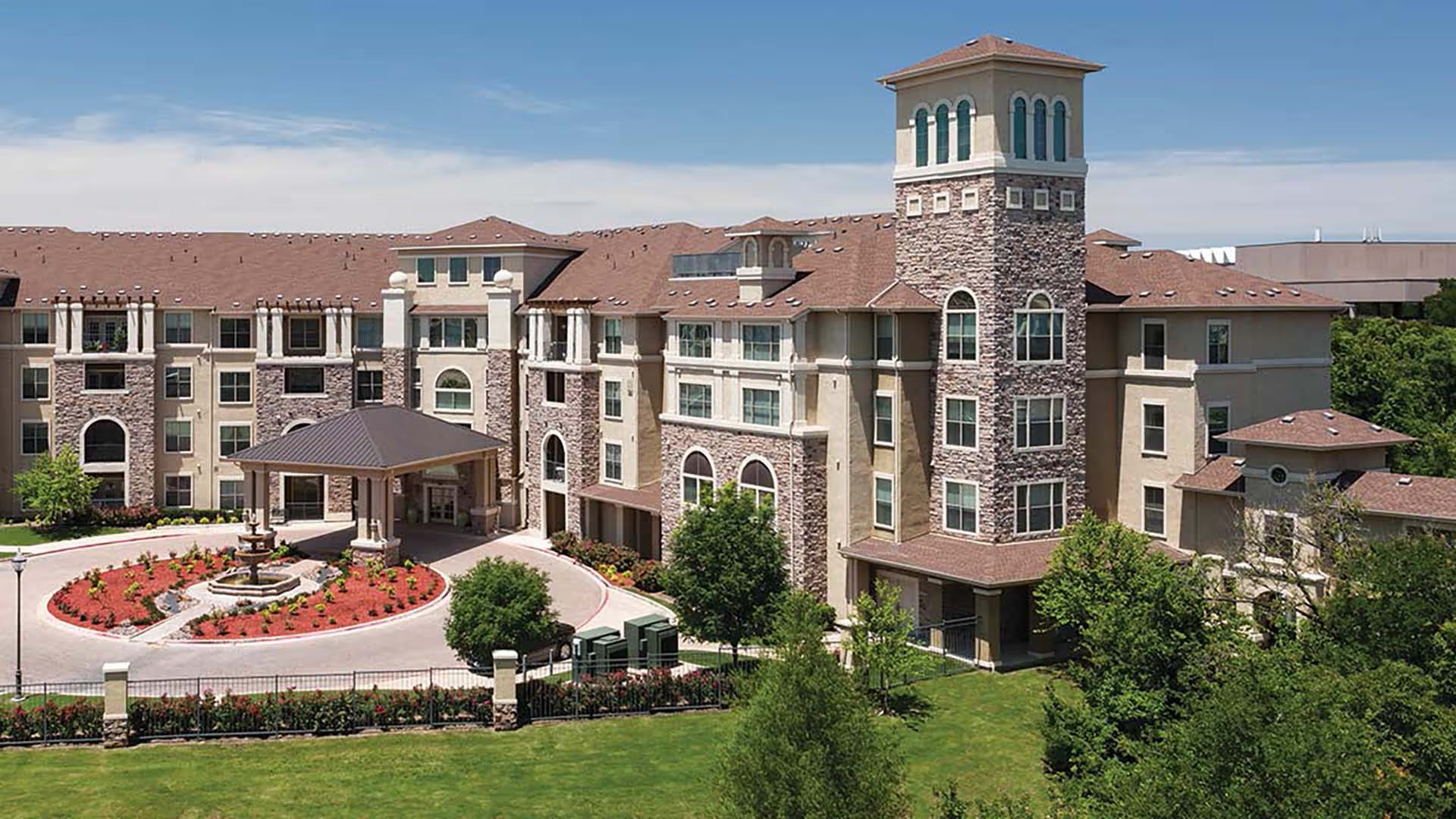
Facilities and environment: The building is described as older but generally clean, well-maintained, and welcoming. Positive features cited include private rooms with en-suite showers, per-room temperature controls, a single-story layout, and safe parking. Conversely, sanitation and pest-control concerns appear in multiple accounts, and some families reported odor or housekeeping irregularities. Shared rooms are generally acceptable when roommate matching is effective.
Patterns and cautions: Strengths center on compassionate caregivers, an effective therapy program, helpful admissions staff, and a comfortable facility atmosphere. Persistent operational weaknesses involve staffing levels, clinical-response reliability, dementia-care fit, communication consistency, and sanitation oversight. There are also serious single-case concerns (including questions about end-of-life communication and documentation) that families should address directly with management.
Recommendation: The Plaza at Richardson may be appropriate for families prioritizing rehabilitative therapy and interpersonal care from committed frontline workers. Prospective residents and families should perform targeted due diligence: ask about current staffing ratios and vacancy rates, emergency response protocols, dementia-care training and placement criteria, feeding-tube and medication administration procedures, pest-control and housekeeping schedules, phone/communication escalation paths, and corporate readmission policies. In-person visits during different times of day and direct conversations with nursing leadership and the admissions team will help assess whether the facility’s operational practices match the resident’s clinical and safety needs.