Garden Estates of Temple receives consistently strong praise for its staff culture and the social environment. Reviewers describe caregivers, dining-room personnel, and front-desk teams as warm, attentive, and often willing to go beyond routine duties. Many families highlighted long-tenured employees and individualized attention that contribute to a family-like atmosphere and residents’ sense of well-being. The community is frequently characterized as welcoming, with active peer relationships and a positive tone in common areas.
Dining and activities are important strengths. The community offers chef-prepared, restaurant-style meals, multiple menu options, and family-friendly guest dining; several reviewers credited the food and dining experience with improving appetite and social engagement. At the same time, there is a repeated pattern of inconsistent meal quality, small portions at times, and difficulties adhering to therapeutic diets for certain residents, which has implications for clinical care when dietary needs are medically important. Programming is broad and active — live music, games, crafts, happy hours, outings and regular entertainment create a robust social calendar that supports resident engagement across levels of independence.
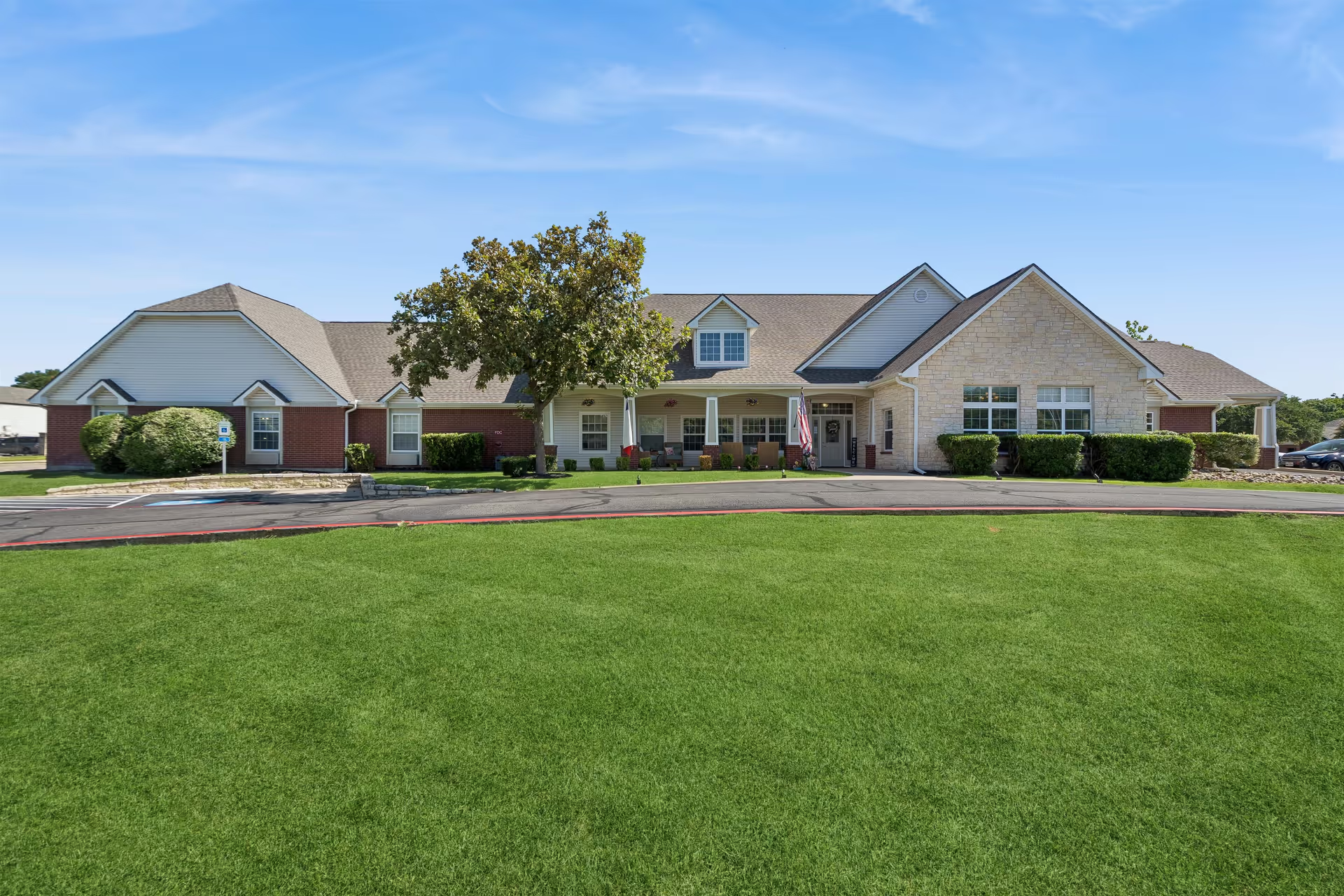
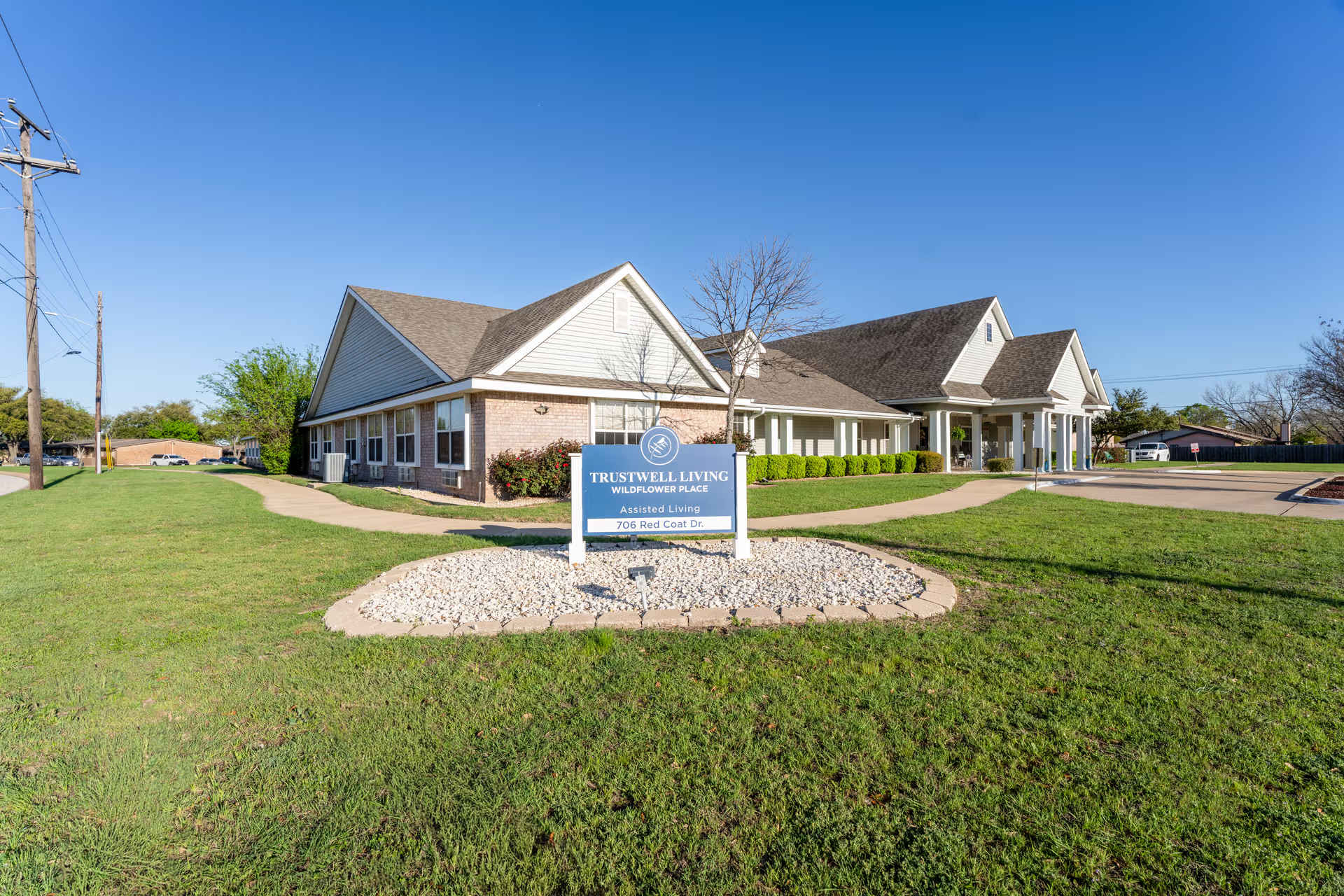
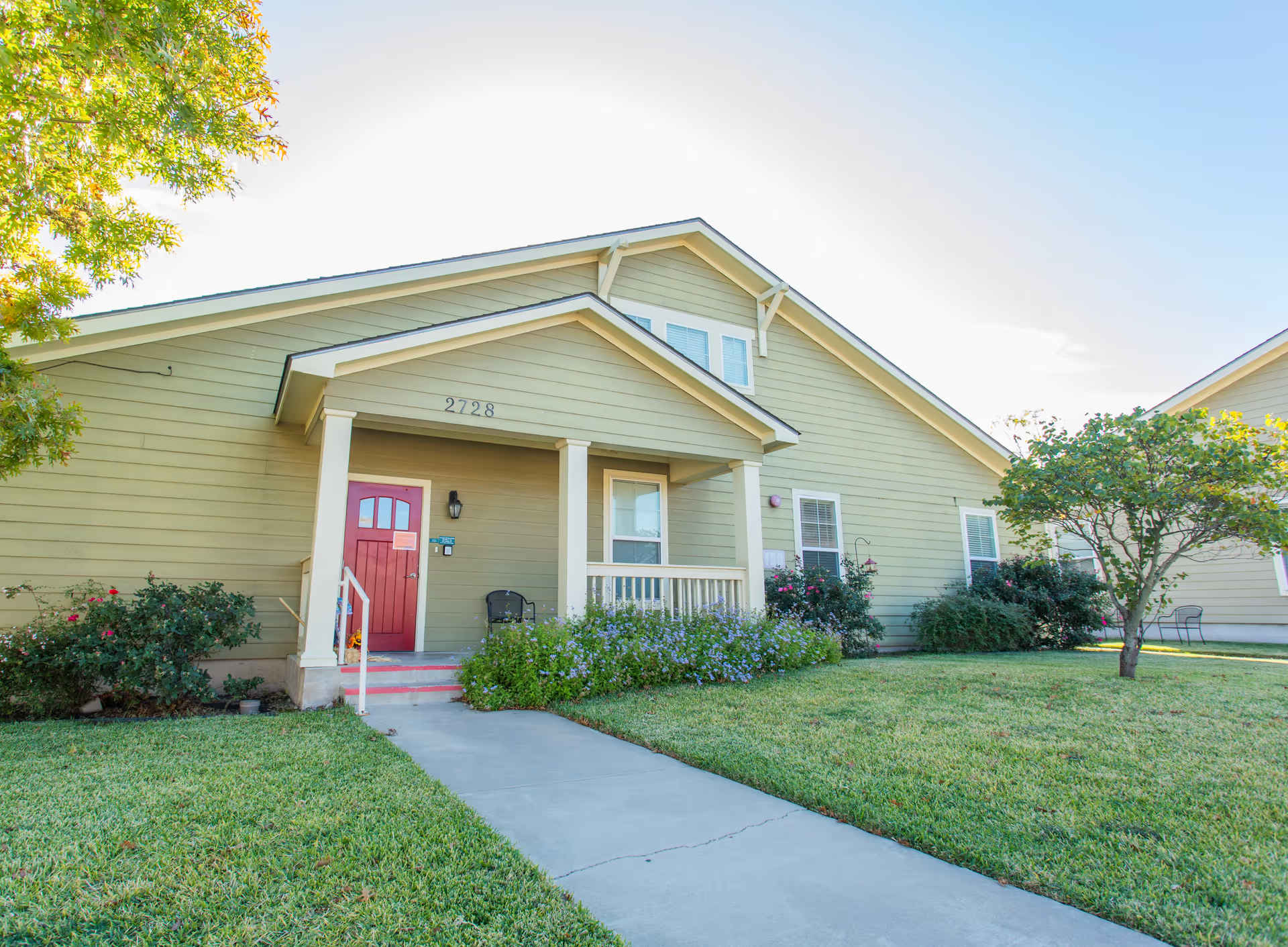
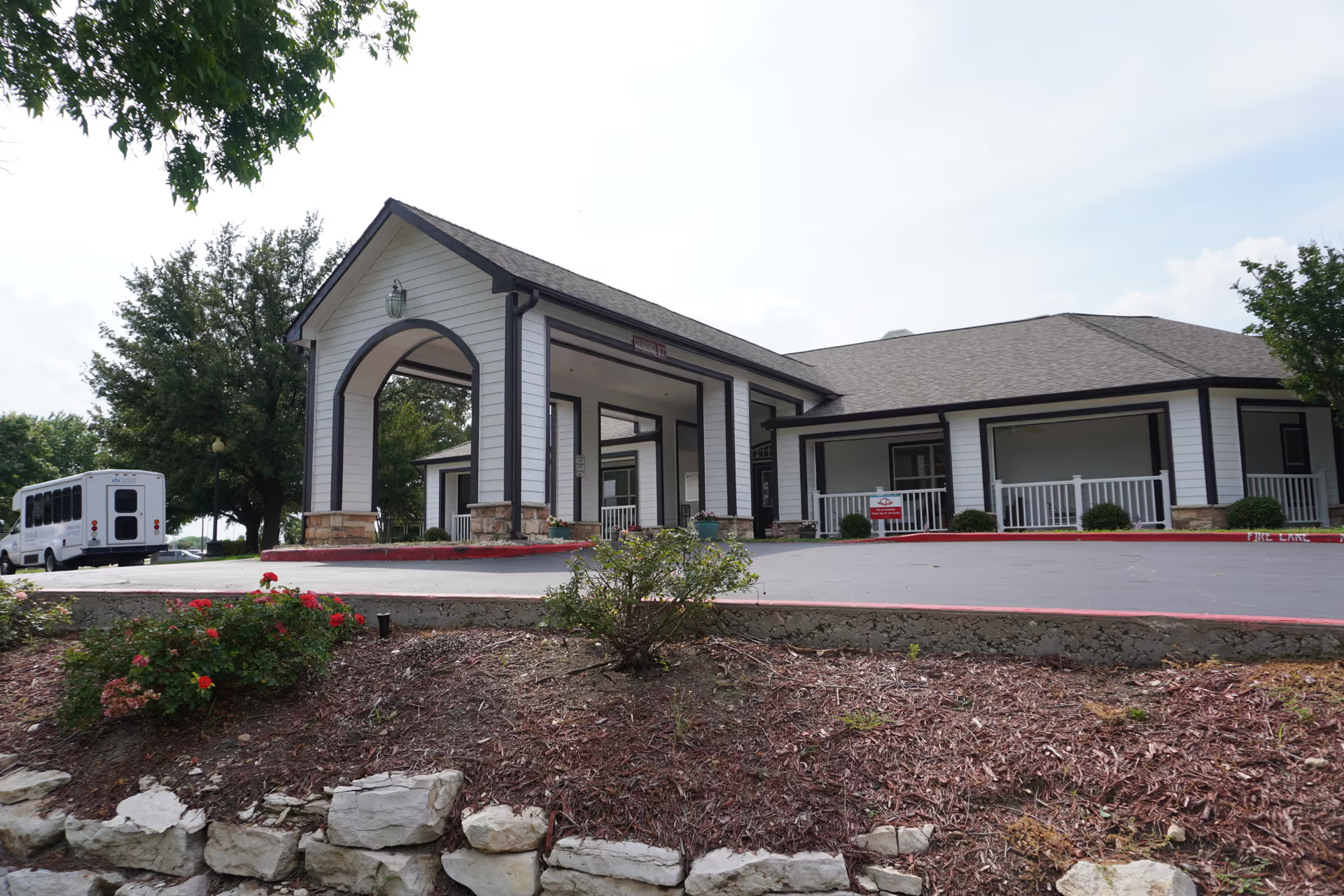
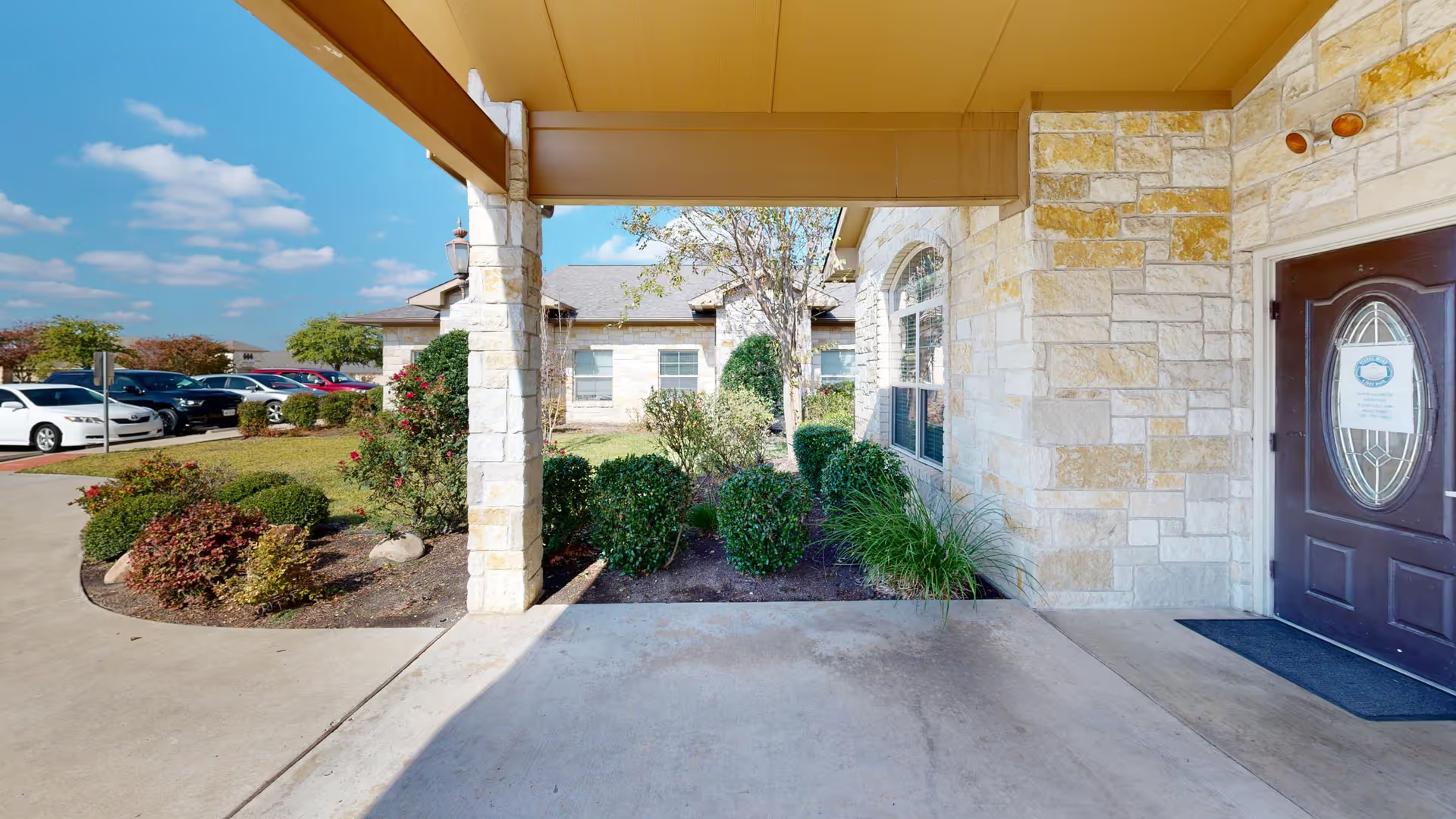
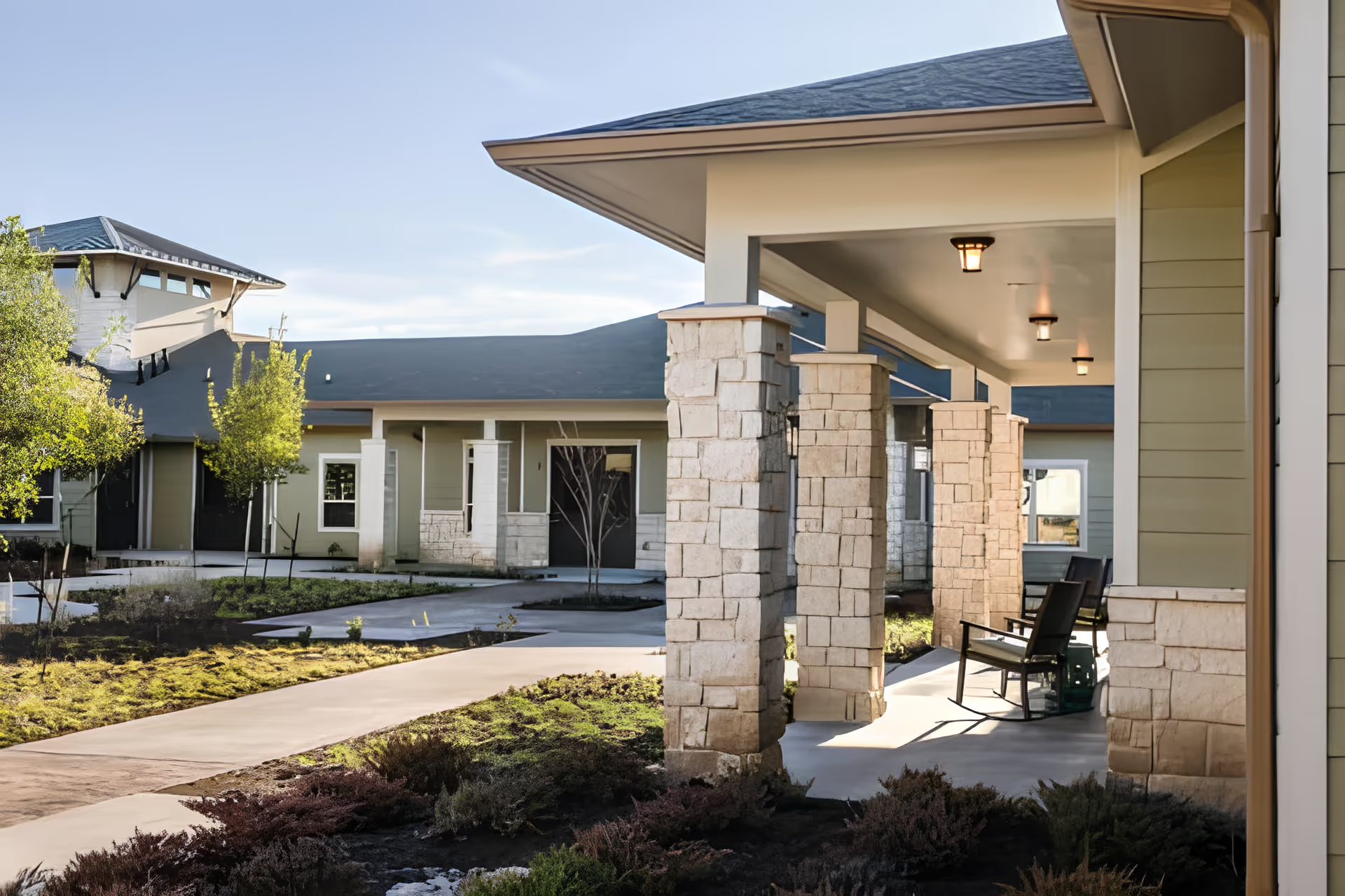
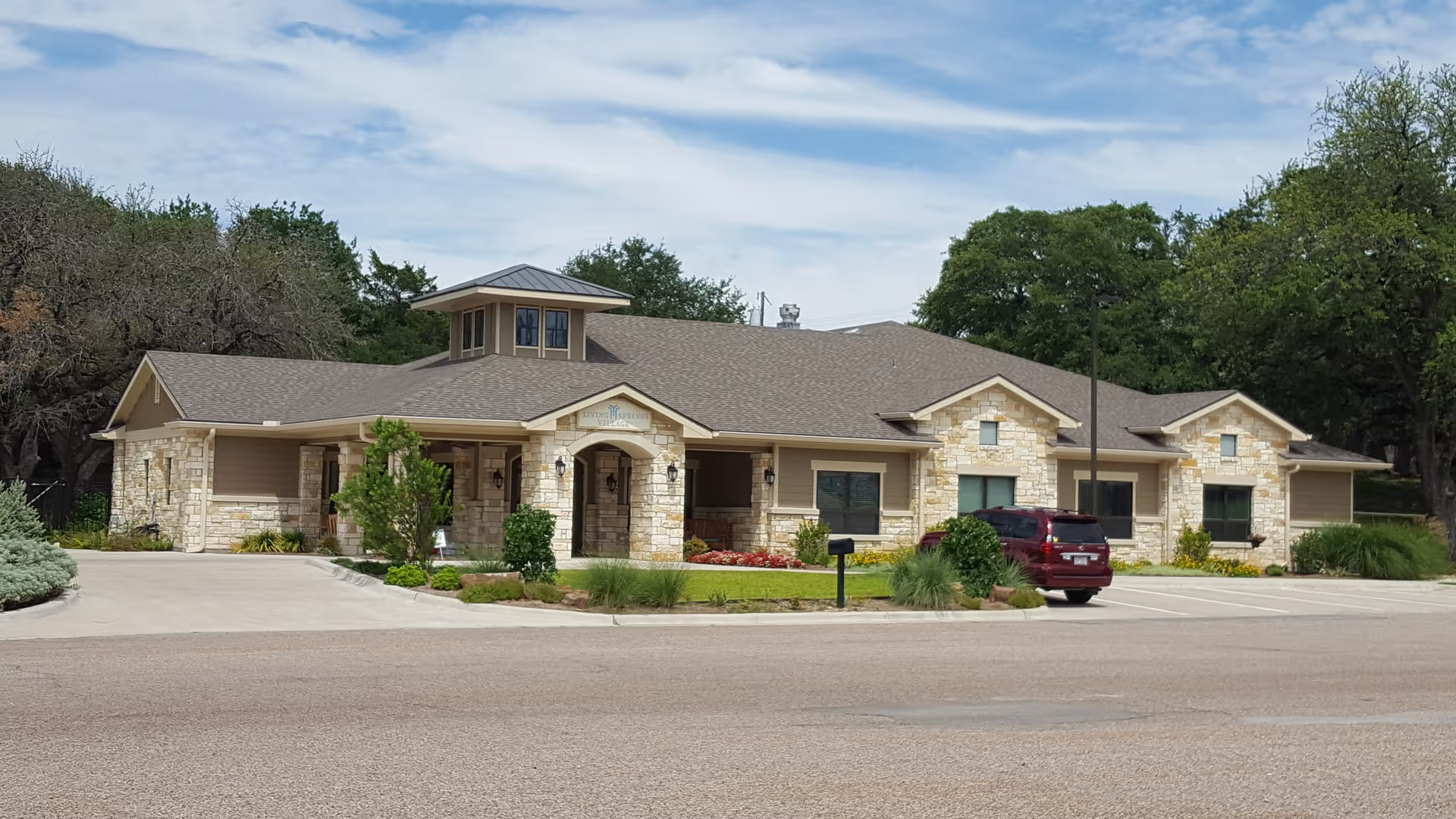
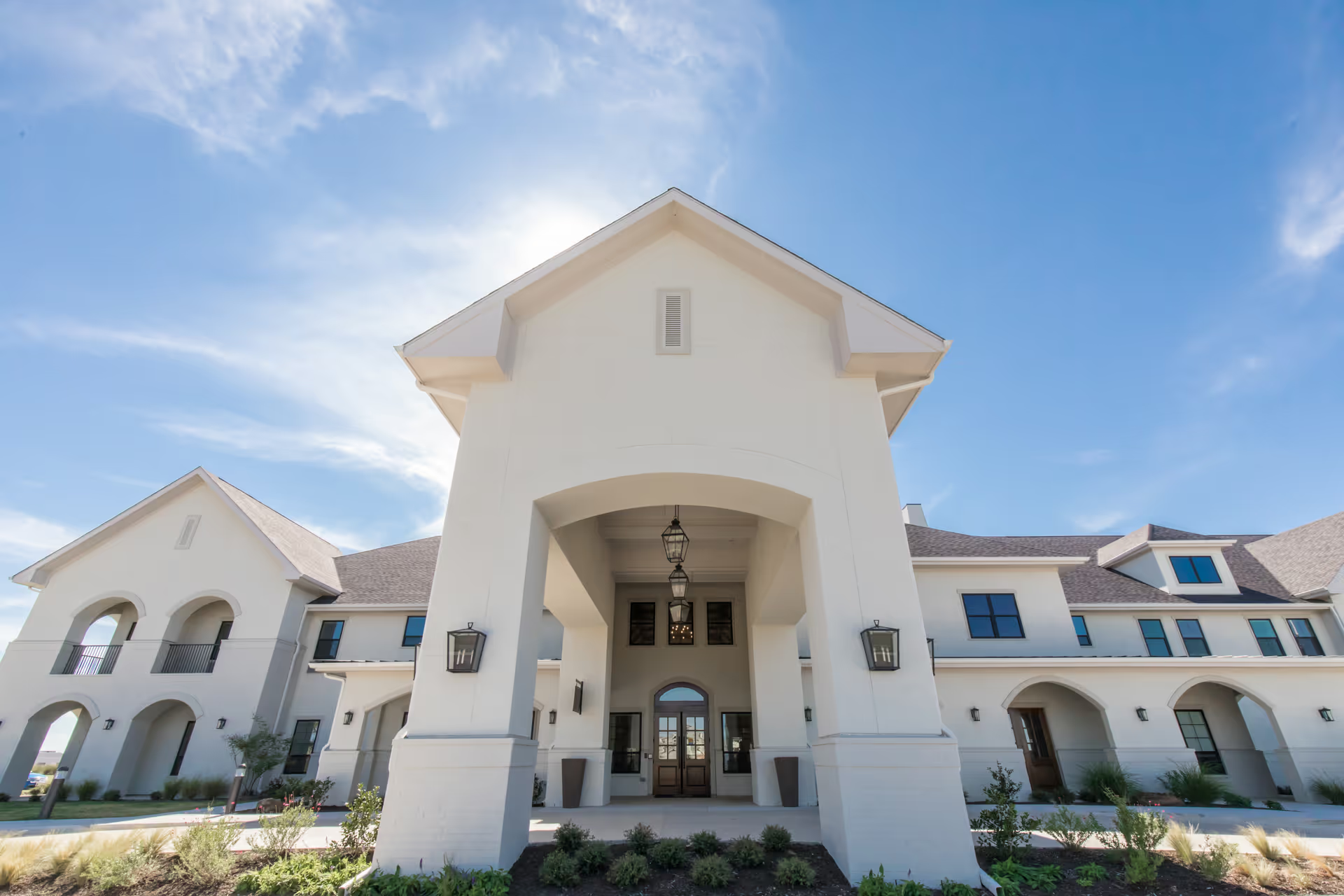
Facilities and amenities are generally described as clean, modern, and well maintained. Common areas, courtyards, patios, and reception spaces are noted as attractive and hotel-like; on-site amenities such as a salon, library, physical-therapy room, and multiple activity spaces support convenience and variety. Apartment configurations include efficiency, one-bedroom, and combined two-bedroom options; however, several reviewers noted limitations such as smaller unit sizes, limited storage, uneven temperature control, and occasional need for cosmetic updates (carpeting/paint) in some units.
Care quality assessments are mixed. Many families report prompt assistance, attentive caregiving, and helpful medical communication when issues arise. Conversely, there is a substantive pattern of concerns related to medication administration, clinical oversight, and nursing availability — including medication errors, dosing inconsistencies, and situations in which families perceived limited on-site nursing coverage. These clinical gaps have driven some families to seek alternate care arrangements for residents with higher-acuity needs. Reviewers also raised issues about adherence to prescribed diets and monitoring for fluid or weight changes, indicating opportunities to strengthen clinical protocols and documentation.
Operational and management patterns show both strengths and variability. Admissions and marketing staff are regularly described as professional and supportive, and many families praised individual managers for hands-on assistance during move-in and adjustment. At the same time, reviewers described inconsistent responsiveness from management on specific safety, billing, housekeeping, and maintenance concerns. Notable operational weaknesses include security and resident-safety protocol gaps (examples include unsecured apartments and inventory concerns), pest-control and sanitation worries in some units, and occasional billing or financial-handling disputes. Housekeeping and maintenance staffing turnover was associated with uneven follow-through on repairs and cleaning in several accounts.
Overall, Garden Estates of Temple presents a strong social and service-oriented environment with many features that support resident quality of life: warm staff, active programming, appealing common areas, and convenient amenities. Prospective residents and families should balance these strengths against the facility’s patterns in clinical oversight, security protocols, and operational consistency — particularly if the resident requires higher-acuity nursing care, strict dietary control, or elevated clinical monitoring. Visiting in person, asking for details about current nursing coverage, medication-administration procedures, security measures, pest-control programs, and billing practices, and requesting recent references from families with residents of similar care needs will help determine whether the community is an appropriate fit.