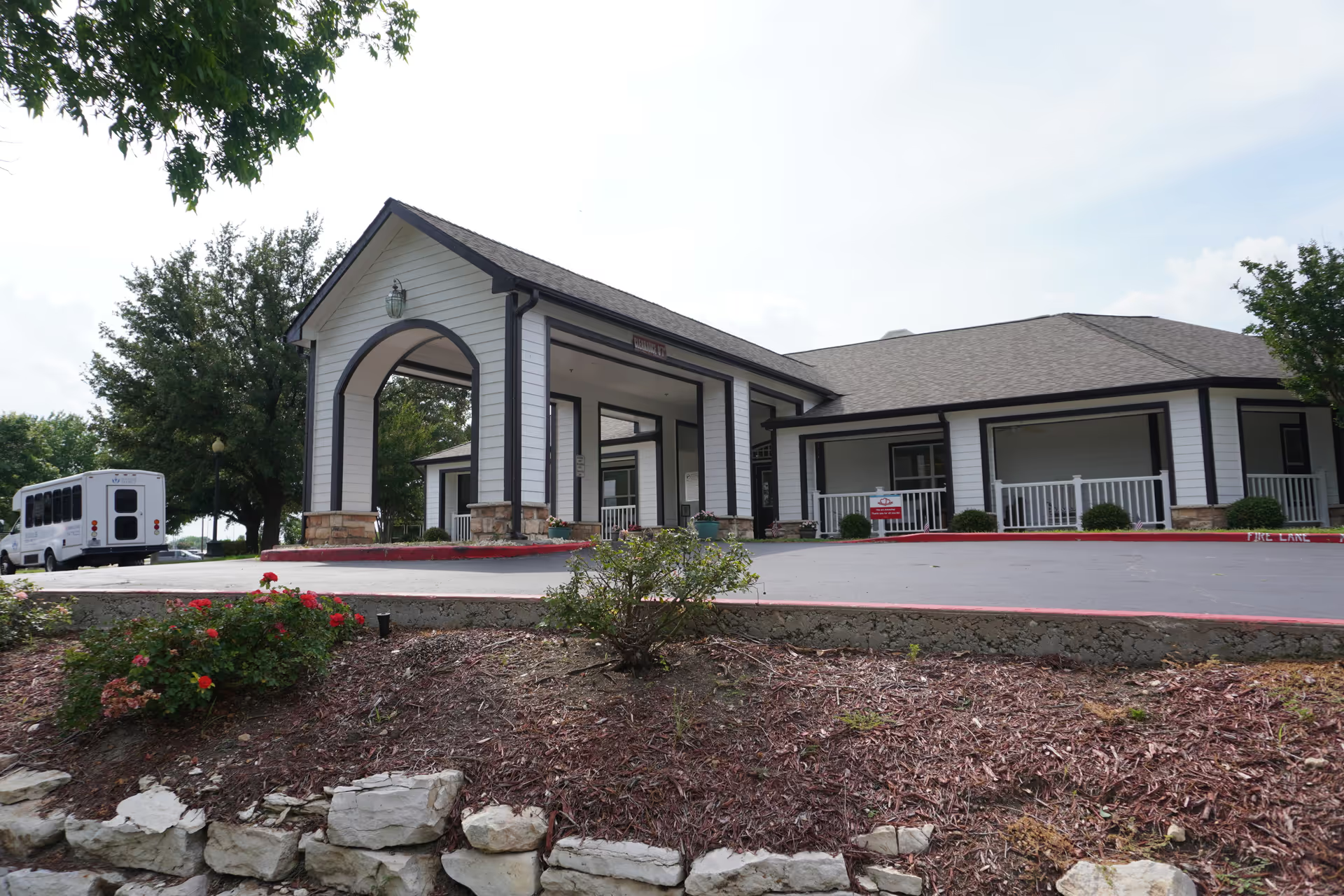
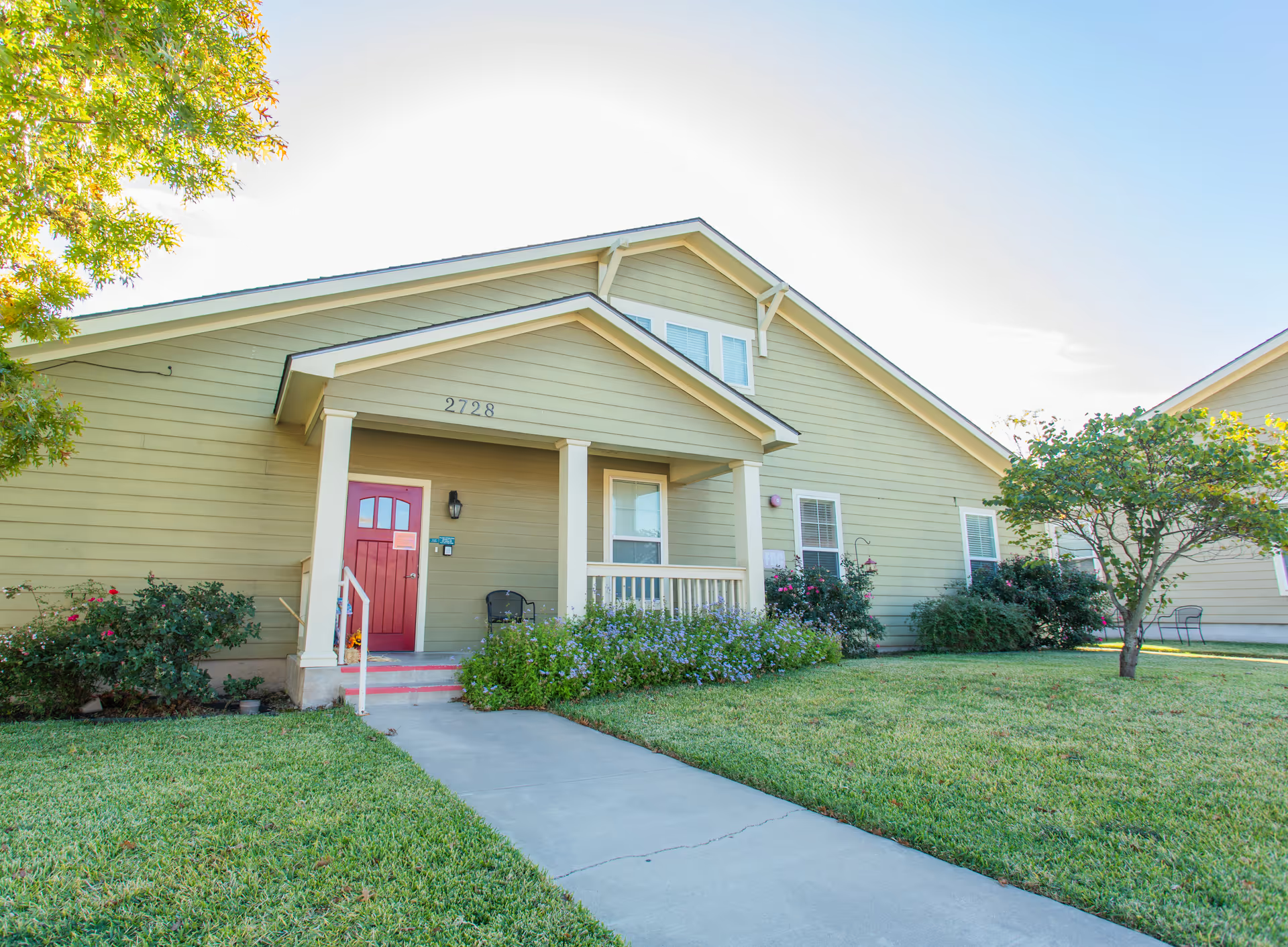
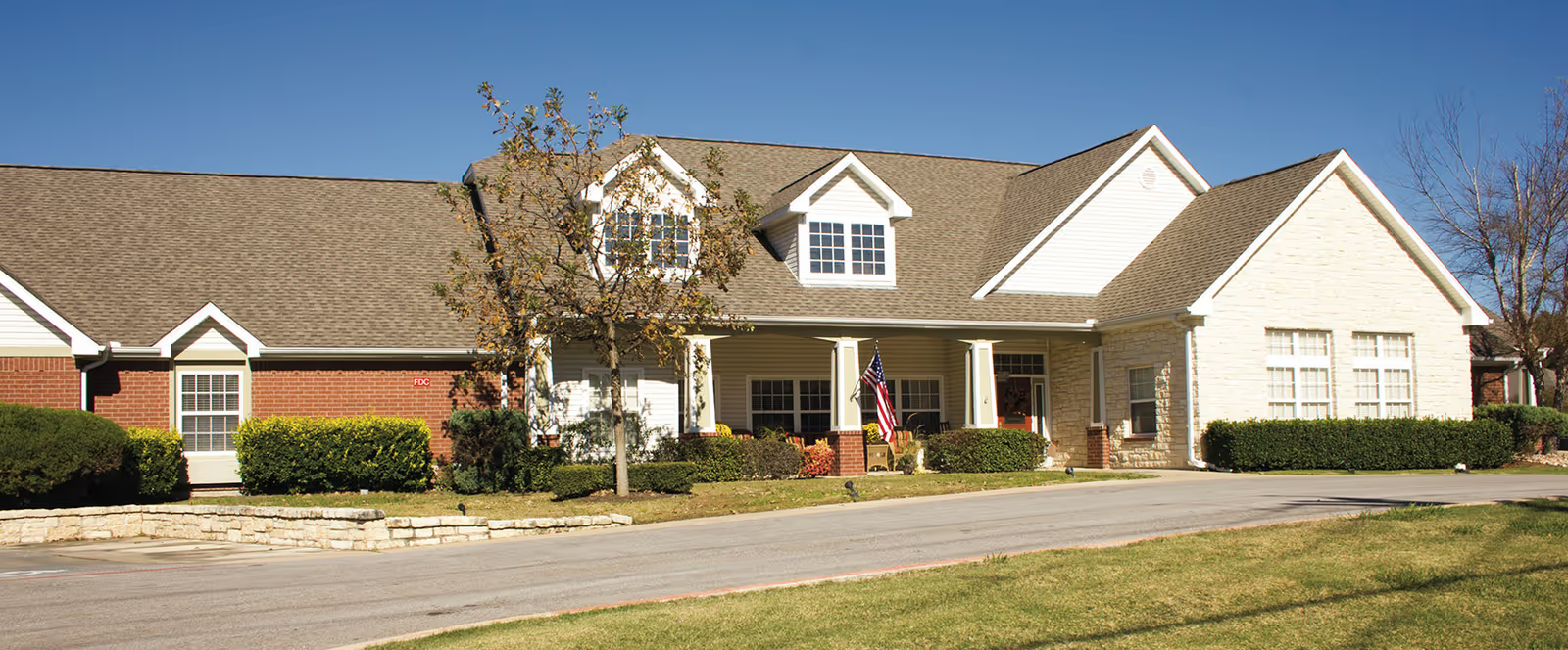
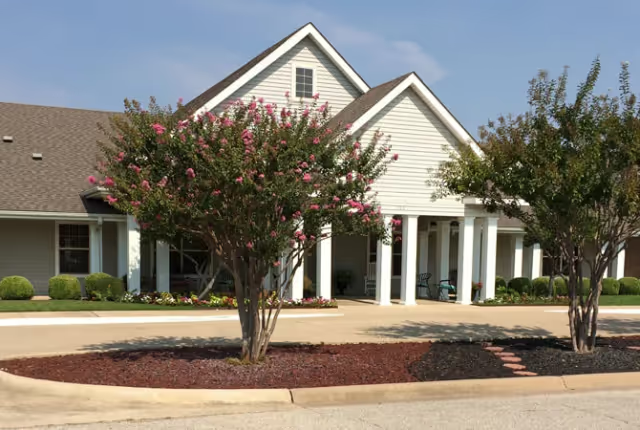
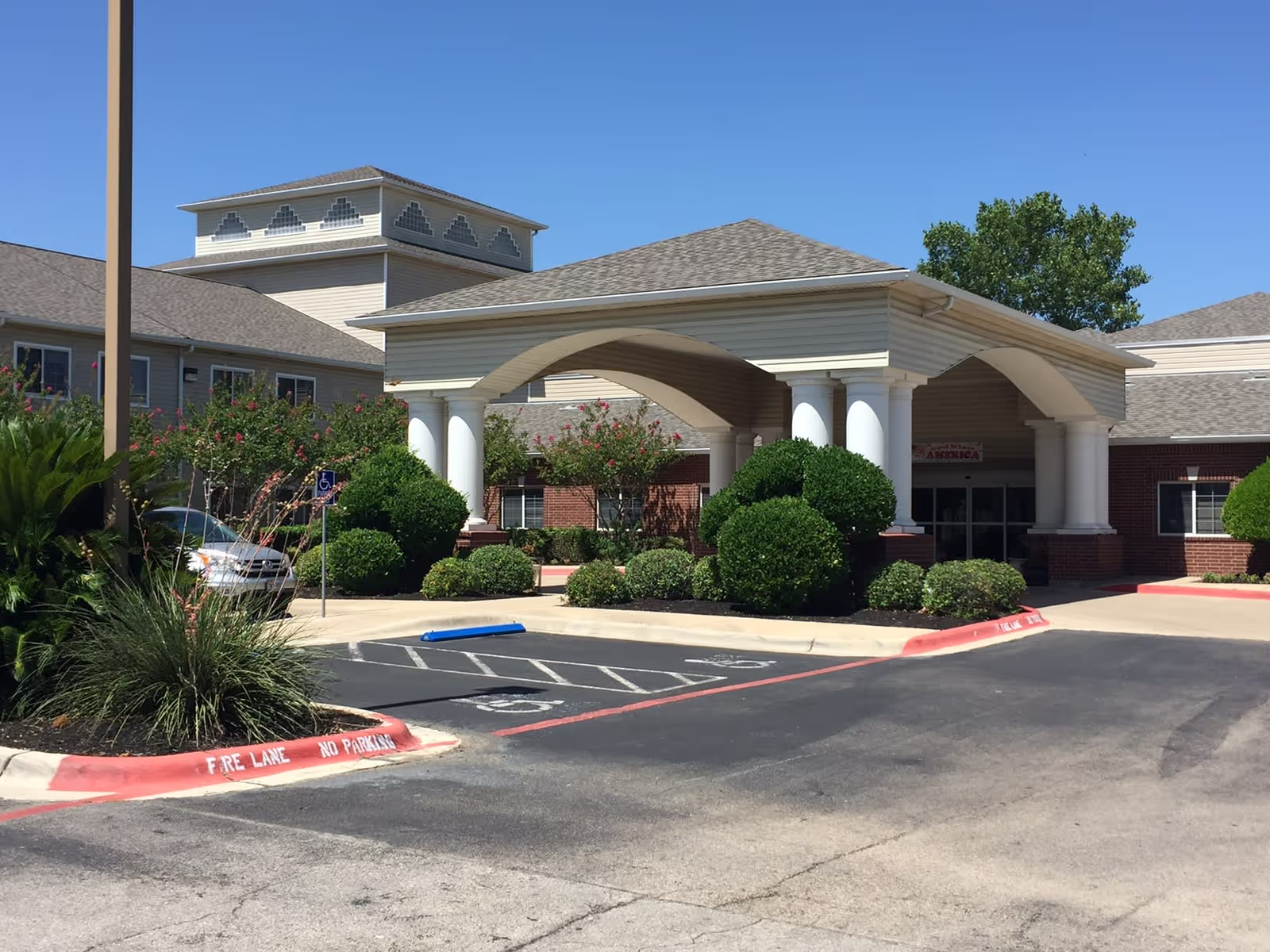
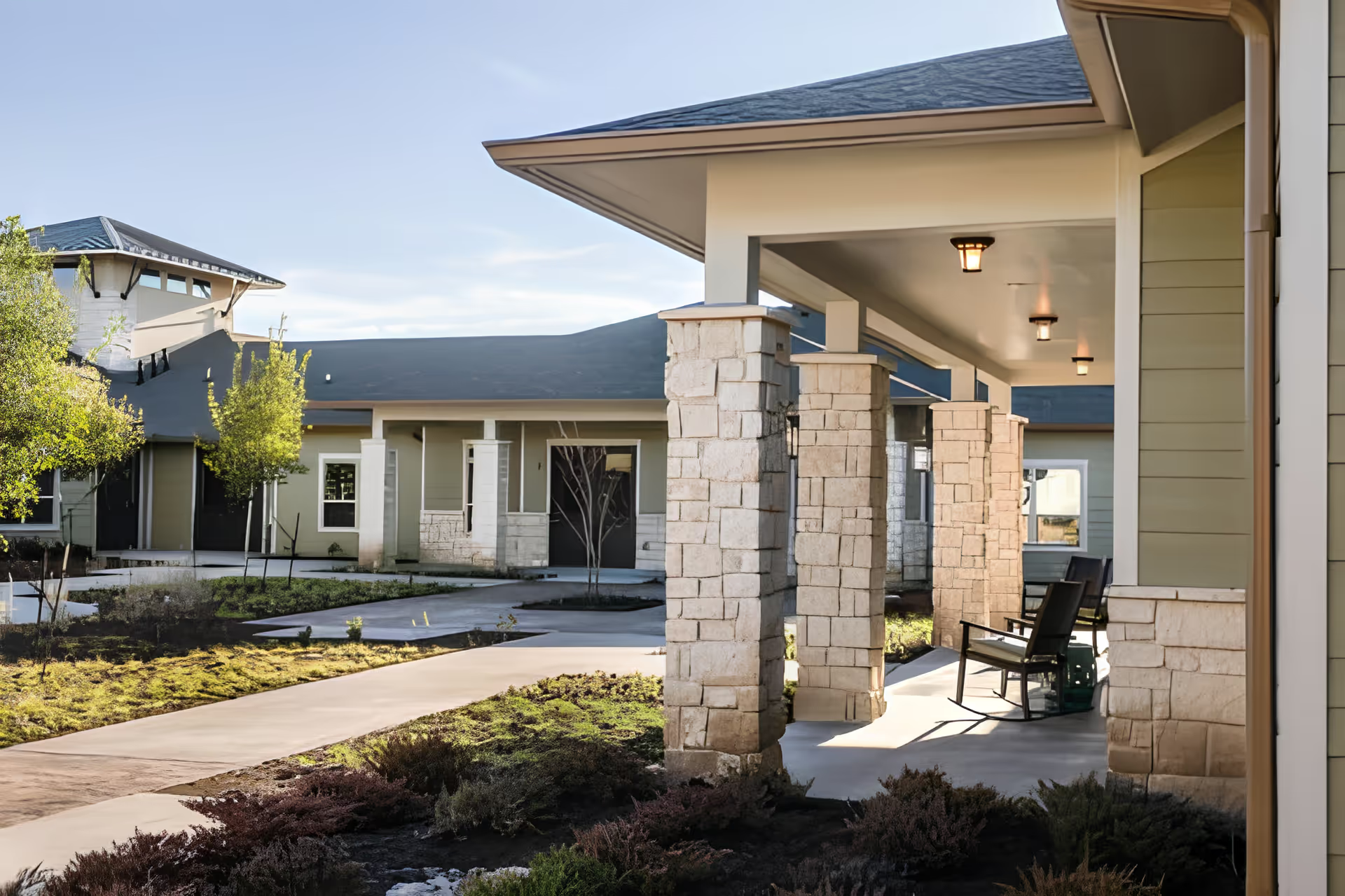
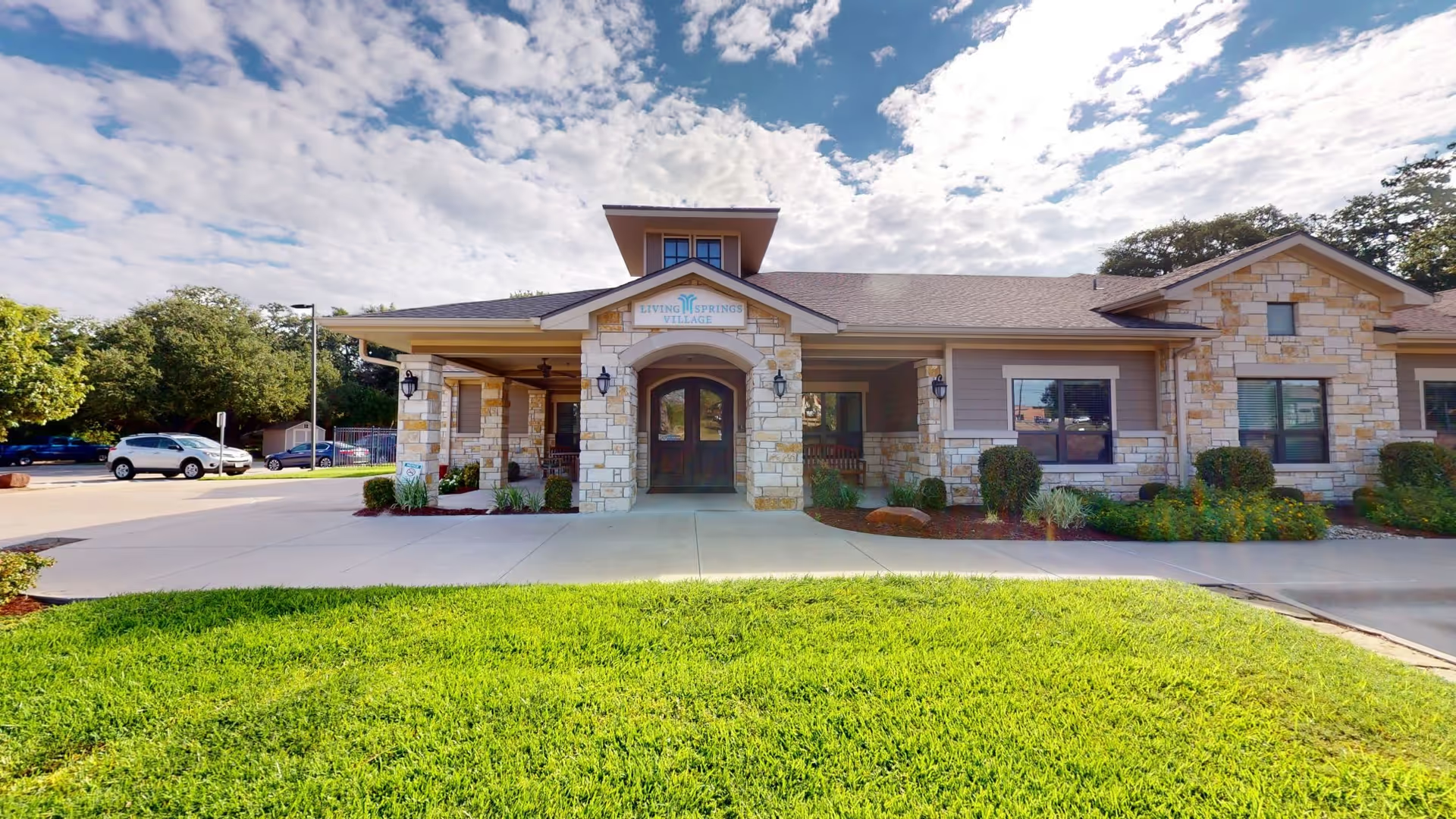
The body of reviews for Weston Inn Nursing and Rehabilitation presents a mixed picture. The facility is frequently praised for its rehabilitation and therapy services, with multiple accounts of effective physical-therapy programs that supported timely discharge and good functional recovery after surgery. Several caregivers, CNAs, and night-shift staff receive positive mention for compassion and attentiveness, and the Director of Nursing is identified by some families as an engaged clinical leader. The building and some rooms are described as attractive and well maintained, with private rooms and dedicated family spaces that some families appreciated.
However, the most consistent concerns relate to clinical operations and staffing. Reviews indicate inconsistent medication administration and documentation practices, occasional interruption or unexplained cessation of prescribed medications, and delays in medication delivery. Chronic understaffing and high staff workload are recurring themes; these staffing constraints are linked to delayed responses to call lights, slow assistance with toileting and feeding, inconsistent bathing and turning practices, and other basic personal-care delays. Several accounts describe care-coordination gaps for wound, catheter, and ostomy management that contributed to infection or rehospitalization in isolated cases. There are also multiple notes about inconsistent infection-control practices and sanitation issues in particular units or rooms.
Staff behavior and training appear uneven. While many reviewers singled out compassionate and skilled front-line staff and an effective therapy team, others described rude or indifferent interactions, variable clinical competence among temporary or float nurses, and slow after-hours responsiveness. Communication with families is another recurrent concern: families report difficulty getting timely updates, conflicting information from staff, and administrative delays in resolving billing, refund, or insurance questions. There are also references to billing and refund disputes and at least one mention of alleged financial irregularities; prospective families should seek documentation and clarification on financial policies.
Dining, activities, and facility amenities draw mixed responses. Some families praised meal variety, private dining, and an active activities program, while others reported inconsistent food quality and interruptions in meal service. The campus and therapy gym are strengths cited by supporters, but cleanliness and pest-control concerns were raised in a subset of reports, suggesting variability in environmental services between units or time periods. Security and entrance staffing issues were noted as creating uncomfortable waits or access problems for visitors and patients at times.
For families considering Weston Inn, the primary decision factors should be staffing levels for the anticipated unit and shift, medication-administration controls, wound and ostomy-care protocols, infection-control practices, and the facility's billing/refund policies. Arrange a tour focused on the specific unit you are considering, ask to speak with the DON and therapy leads, review current staffing ratios and medication-administration procedures, and request written policies on family communication, hospice coordination, and financial transactions. These steps will help clarify whether the site's strong therapy resources and some highly regarded caregiving staff align with your expectations for consistent, reliable clinical oversight and administrative responsiveness.