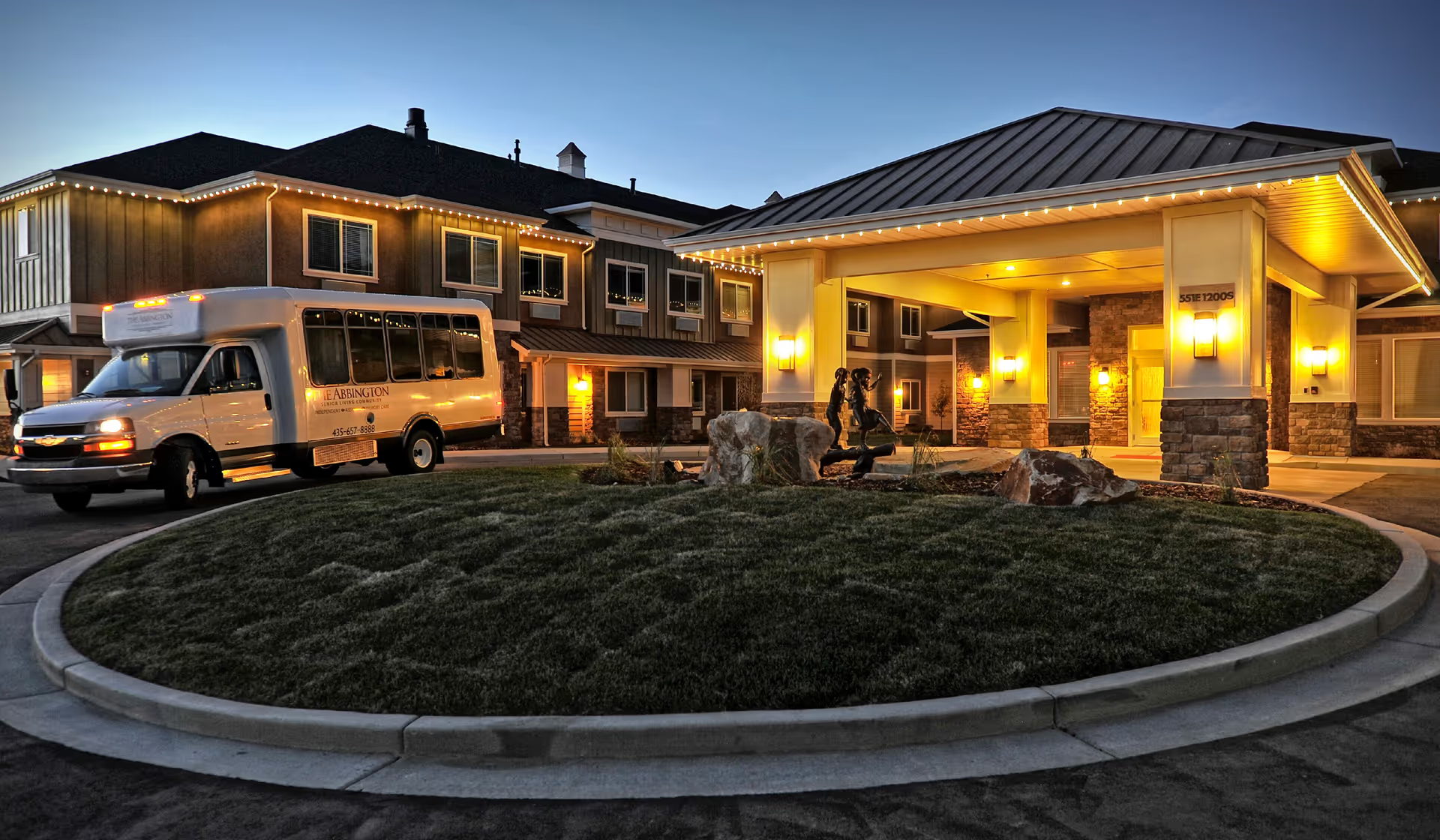
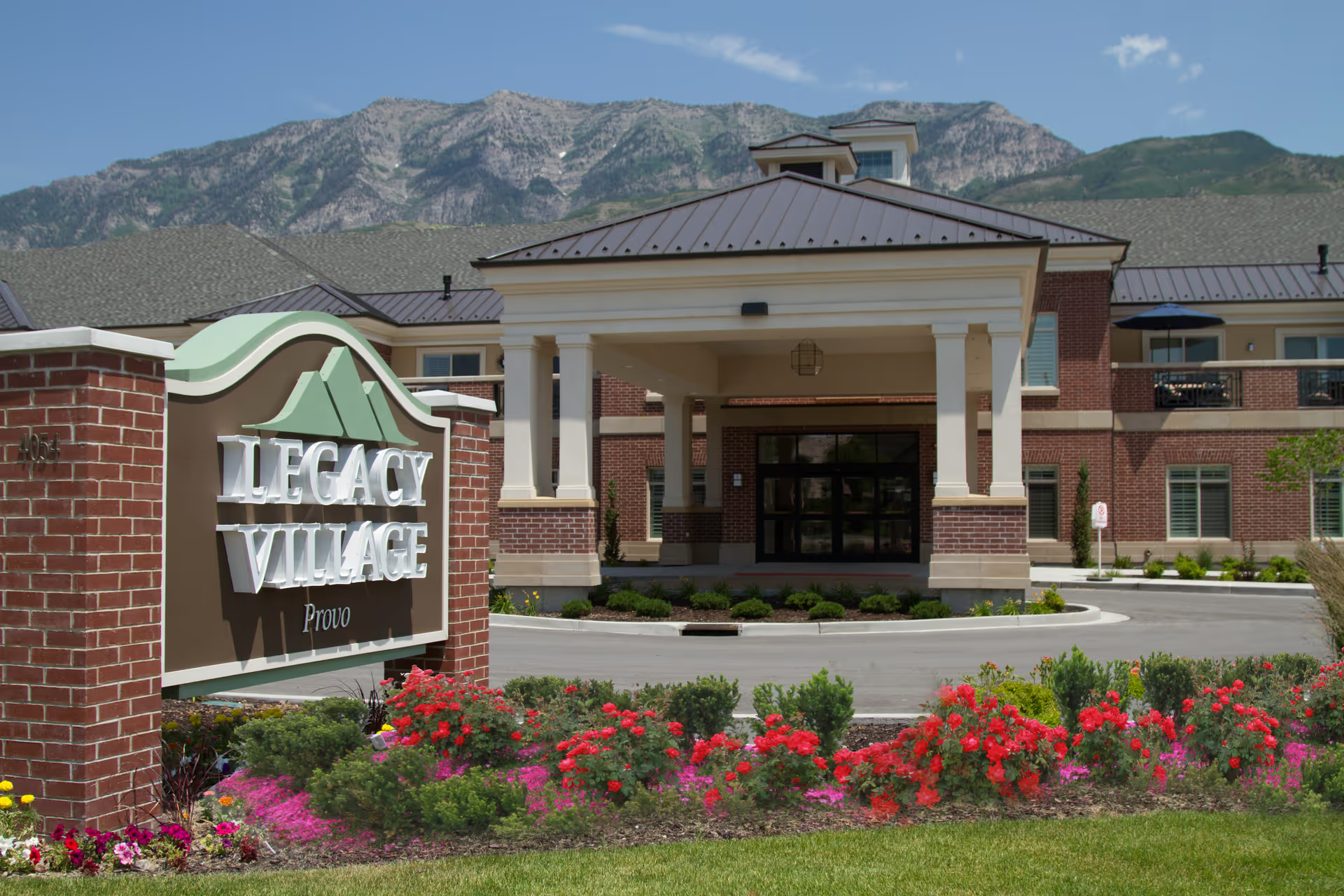
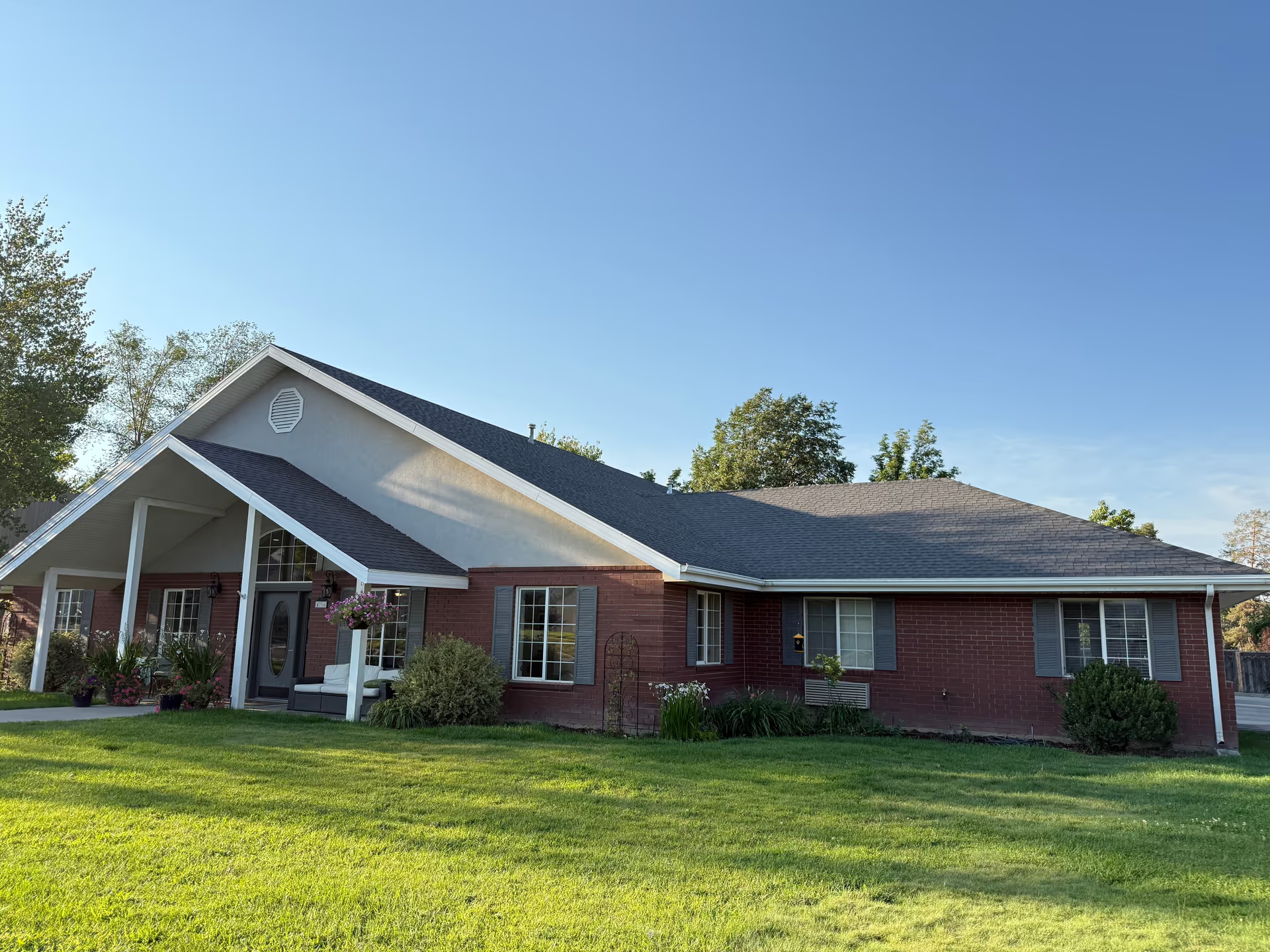
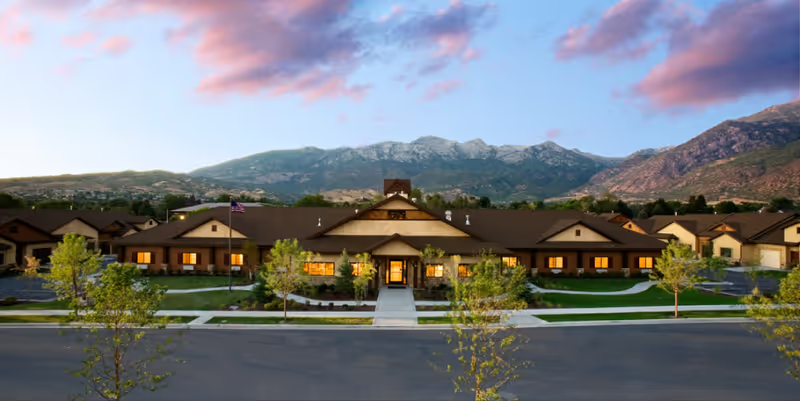
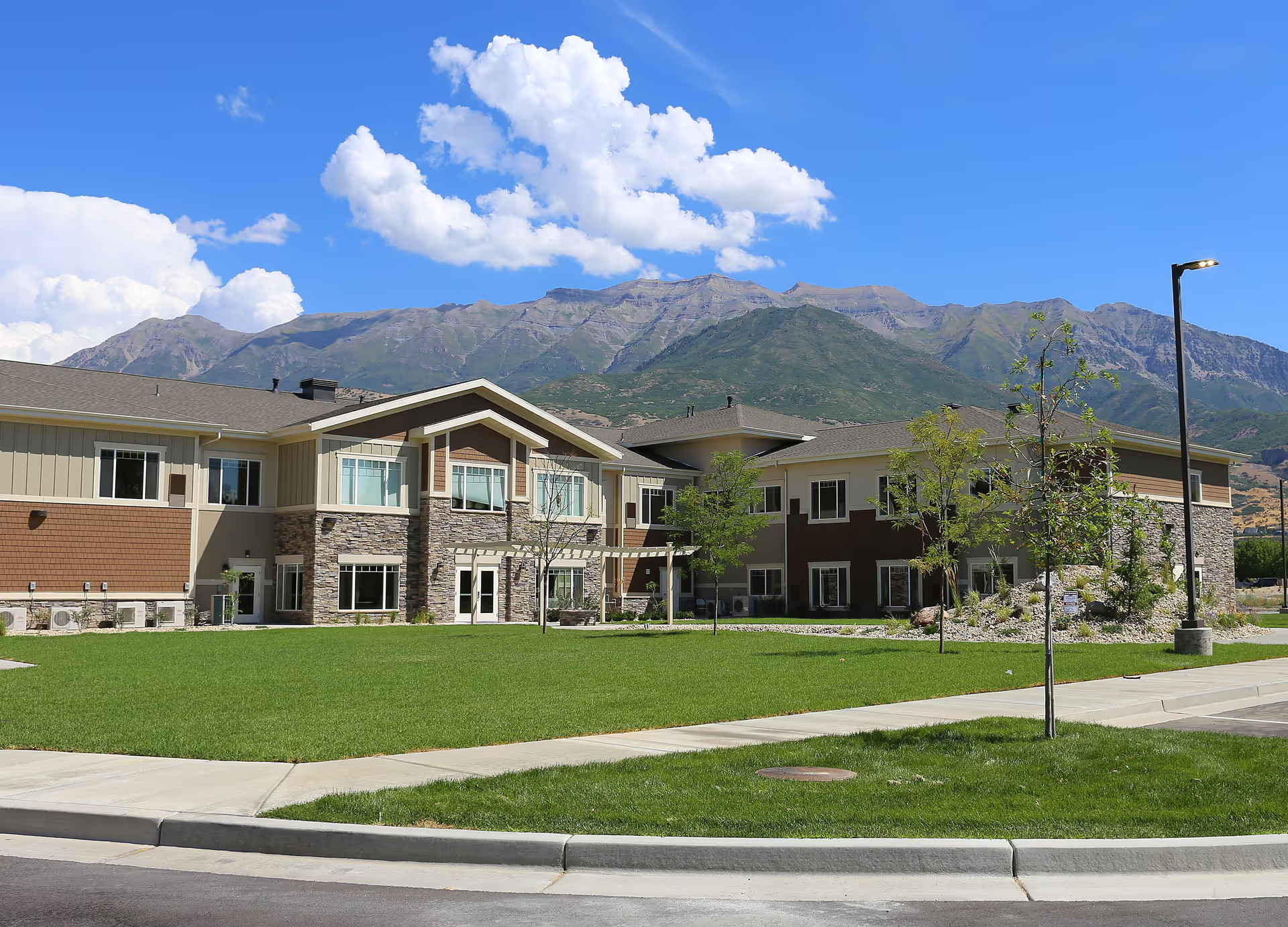
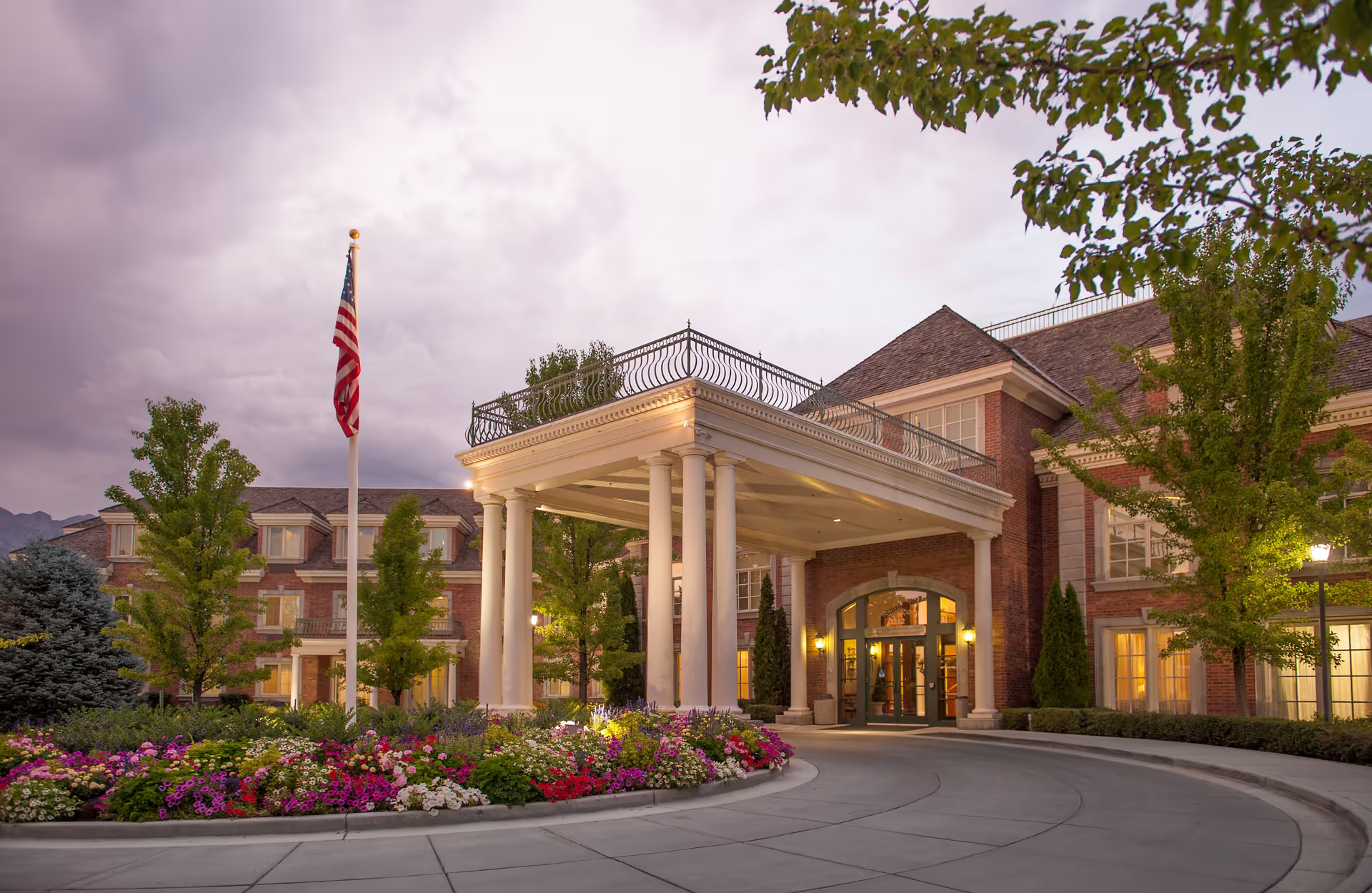
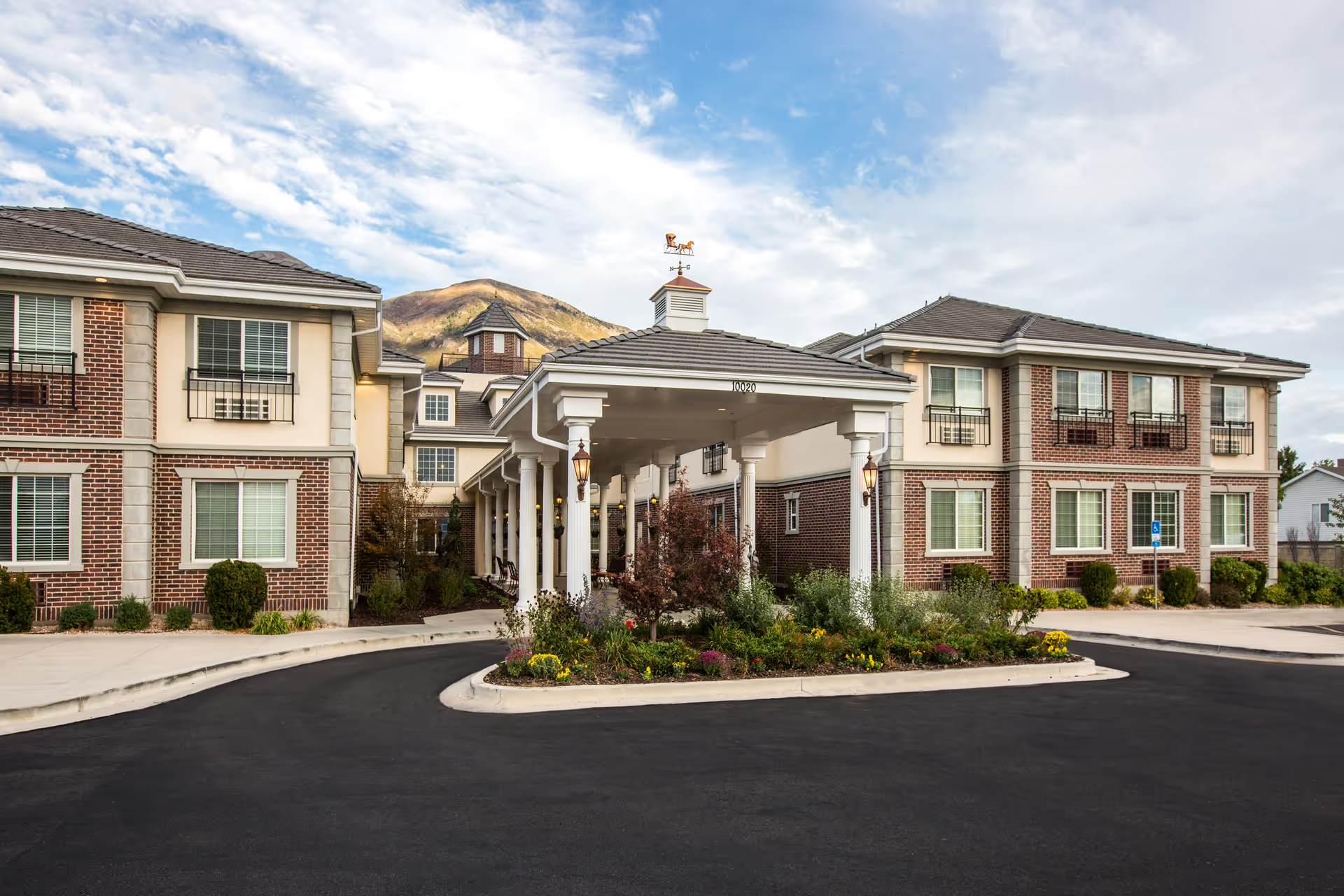
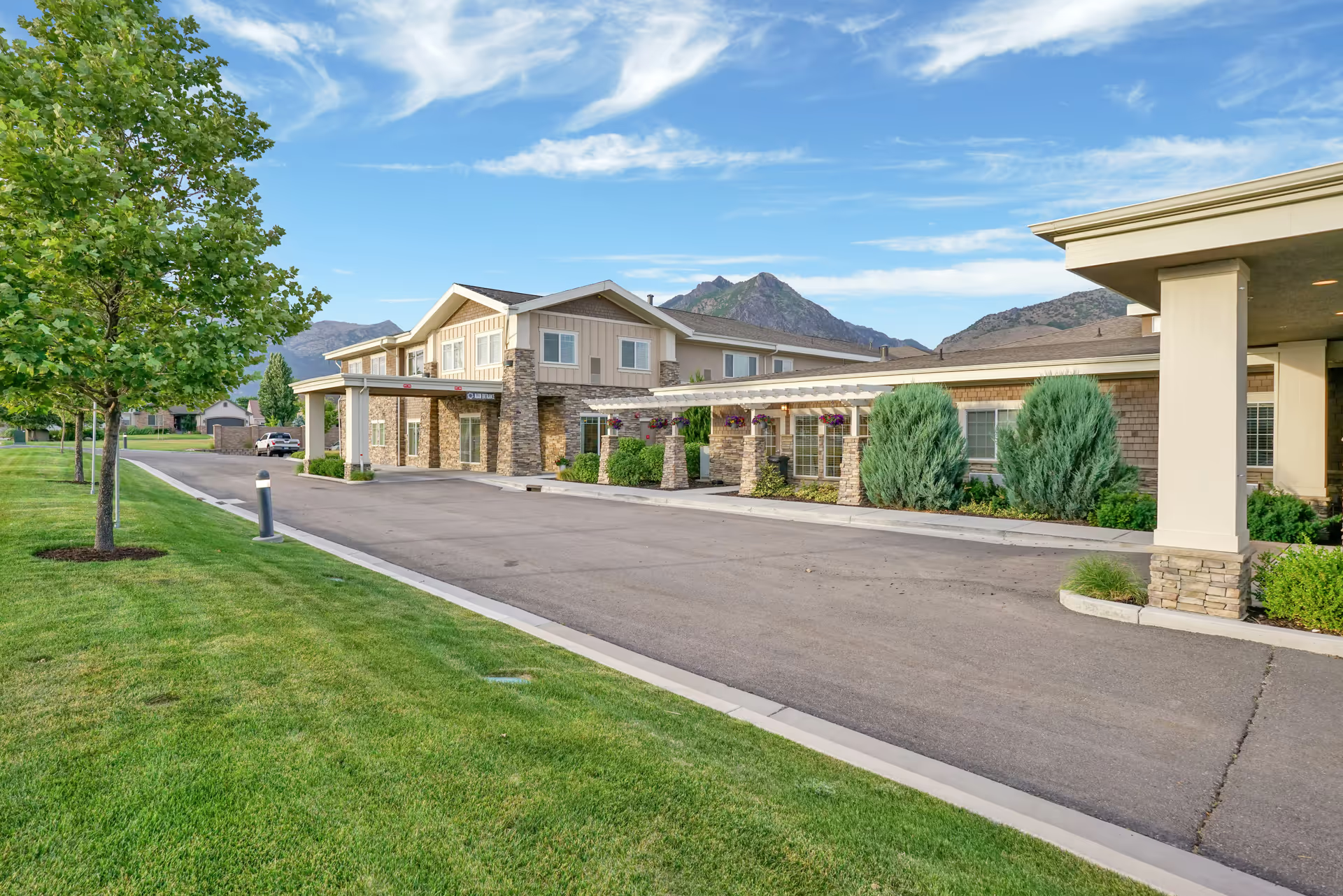
Rocky Mountain Care – The Lodge presents as a modern, well-appointed short‑term rehabilitation and long‑term care campus that many families find appealing. The facility's physical environment, therapy gym, and communal spaces receive frequent praise for cleanliness, architecture, and comfort. A repeatedly cited strength is the therapy program: physical, occupational, and speech therapy teams are described as skilled, recovery-focused, and effective at returning residents toward independence. Many reviewers also single out specific nurses, CNAs, and administrative staff for compassionate bedside care, helpful communication, and individualized attention.
Despite these strengths, a clear pattern of operational concerns appears across reviews. Staffing levels and shift coverage are the most common theme: reviewers describe times when CNAs and nurses are overextended, which manifests as delays in responding to call lights, inconsistent assistance with toileting and bathing, and occasional missed or late medication administration. These issues contribute to family anxiety about day‑to‑day supervision and necessitate close family oversight in some cases. Relatedly, high staff turnover and variability in staff competency were noted, producing uneven resident experiences depending on the day and shift.
Dining and nutrition are mixed themes. The dining environment and some meals receive positive comments, but many reviewers highlight inconsistent food quality, occasional cold or unpalatable meals, and instances where kitchen practices did not follow dietary preferences or therapist/nutrition recommendations. Families concerned about healing nutrition should confirm dietary-management processes and kitchen coordination with clinical staff.
Activities and resident engagement are a relative strength: the facility runs a range of social and therapeutic activities that many families and residents find meaningful. Transportation/shuttle services and community-oriented programming also support quality of life. Housekeeping and grounds work are generally described positively, though a subset of reviews raised sanitation and odor concerns in specific rooms or areas, which suggests inconsistent adherence to room‑level cleaning protocols.
Management and communication elicit varied impressions. Several families praised administrative responsiveness, admissions staff, and improvements under new leadership. Conversely, other accounts describe gaps in discharge planning (including short notice), inconsistent family notification about incidents, and concerns about incident documentation. A small number of reviews raise serious allegations about individual clinical incidents and outcomes; these are significant for prospective families and warrant direct inquiry with the facility and review of regulatory records.
Overall, experiences range from highly positive rehabilitation outcomes with attentive staff to reports of operational shortfalls tied to staffing and communication. Prospective residents and families should weigh the facility's strong therapy and amenity profile against the potential for inconsistent daily-care responsiveness. Recommended due diligence includes asking about current staffing ratios, call‑light response protocols, medication‑administration processes, weekend therapy availability, discharge-planning procedures, and recent state inspections or corrective actions.