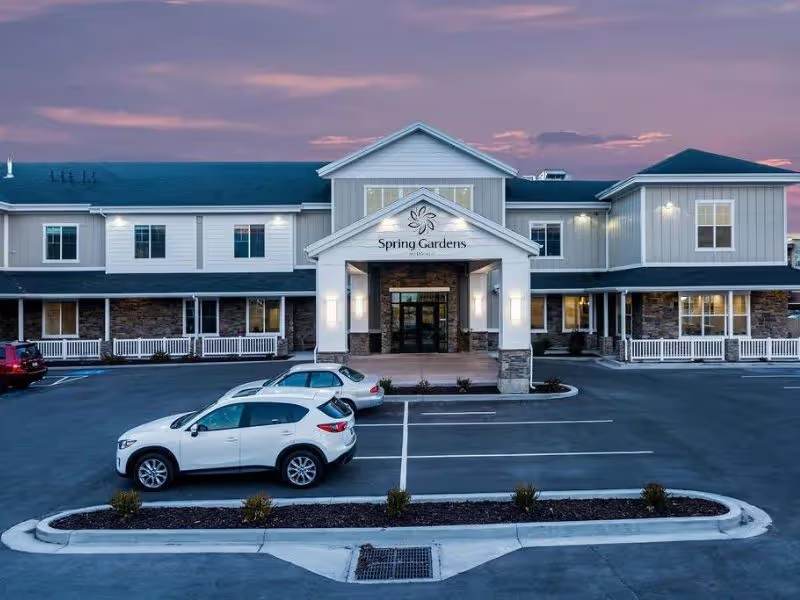
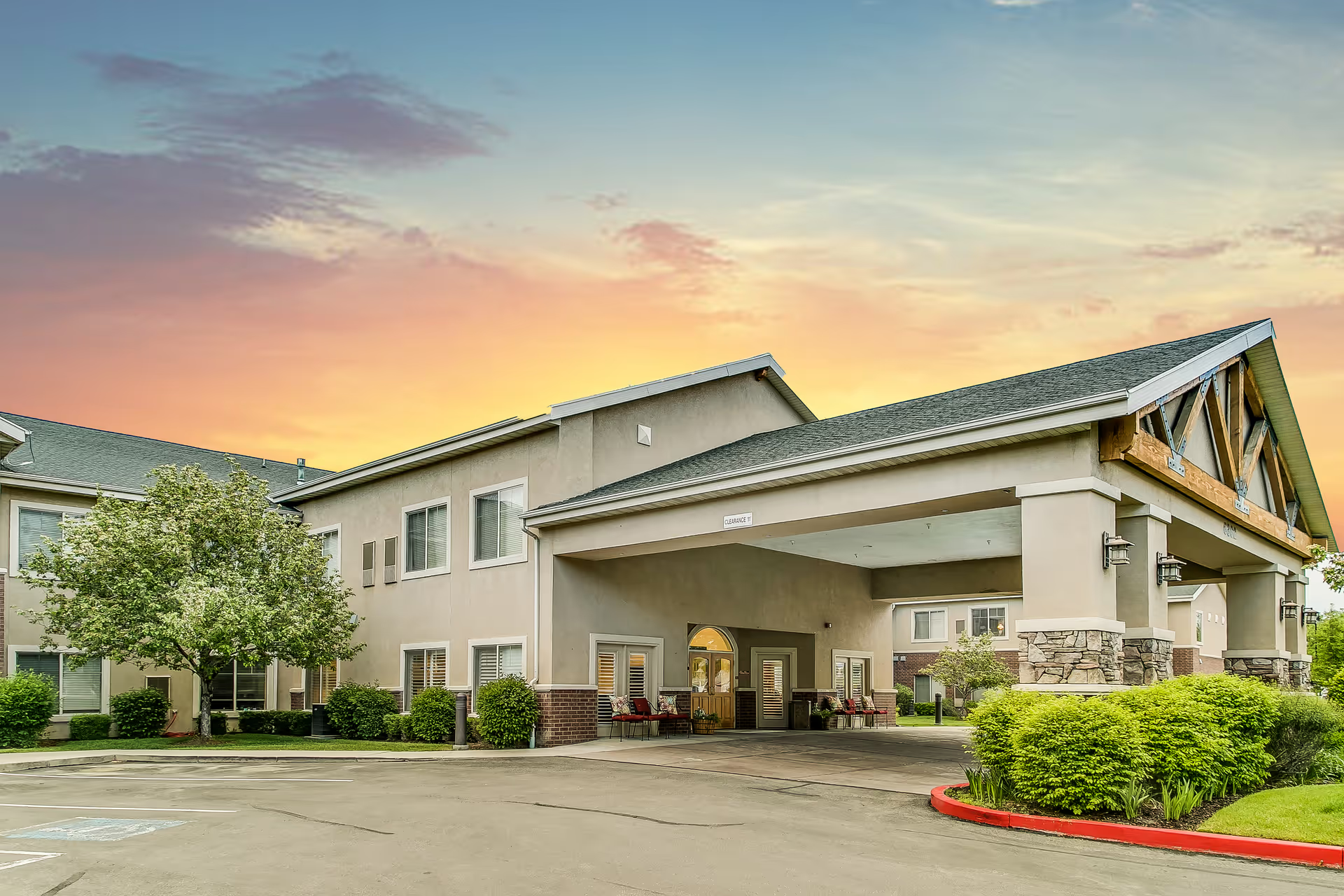
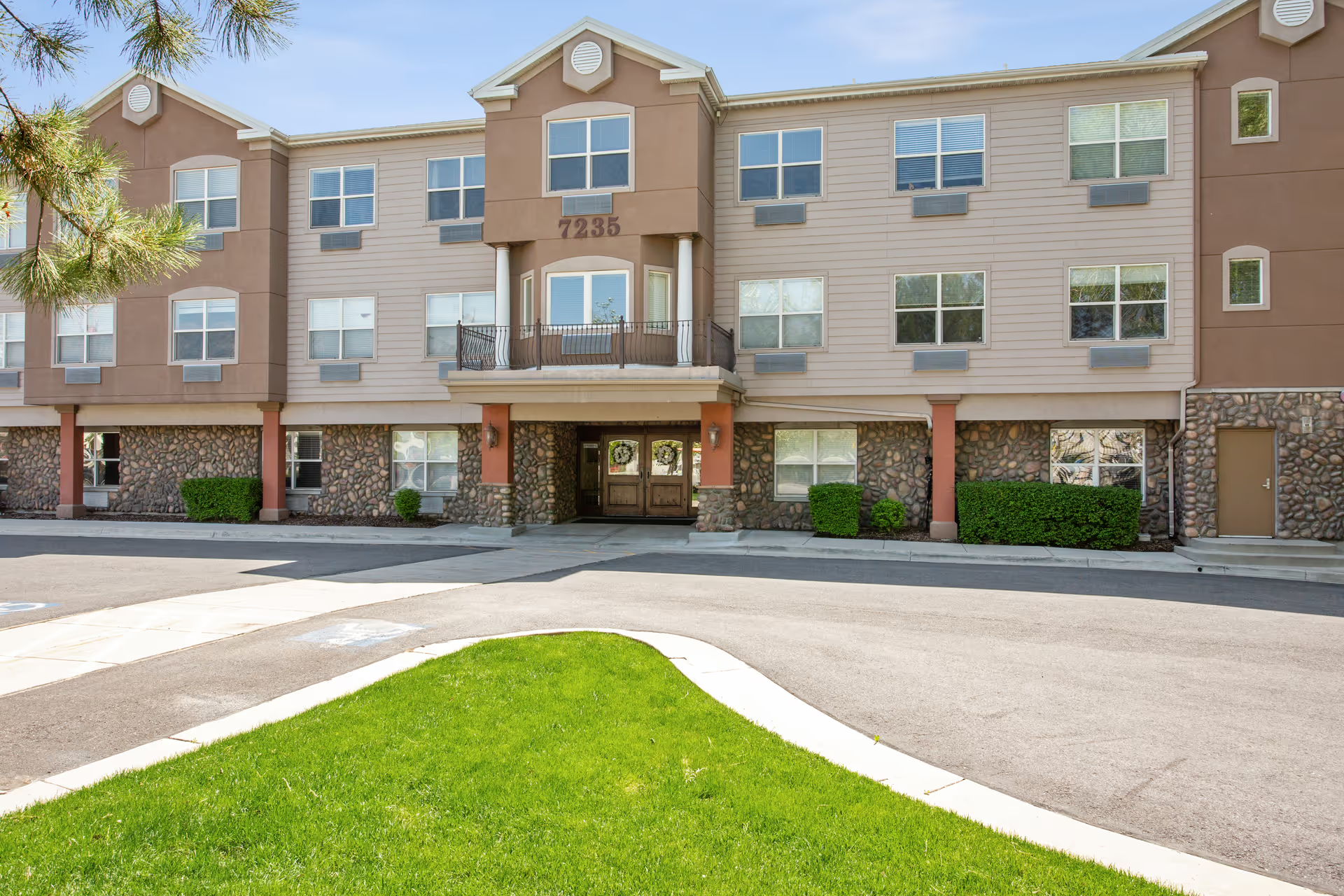
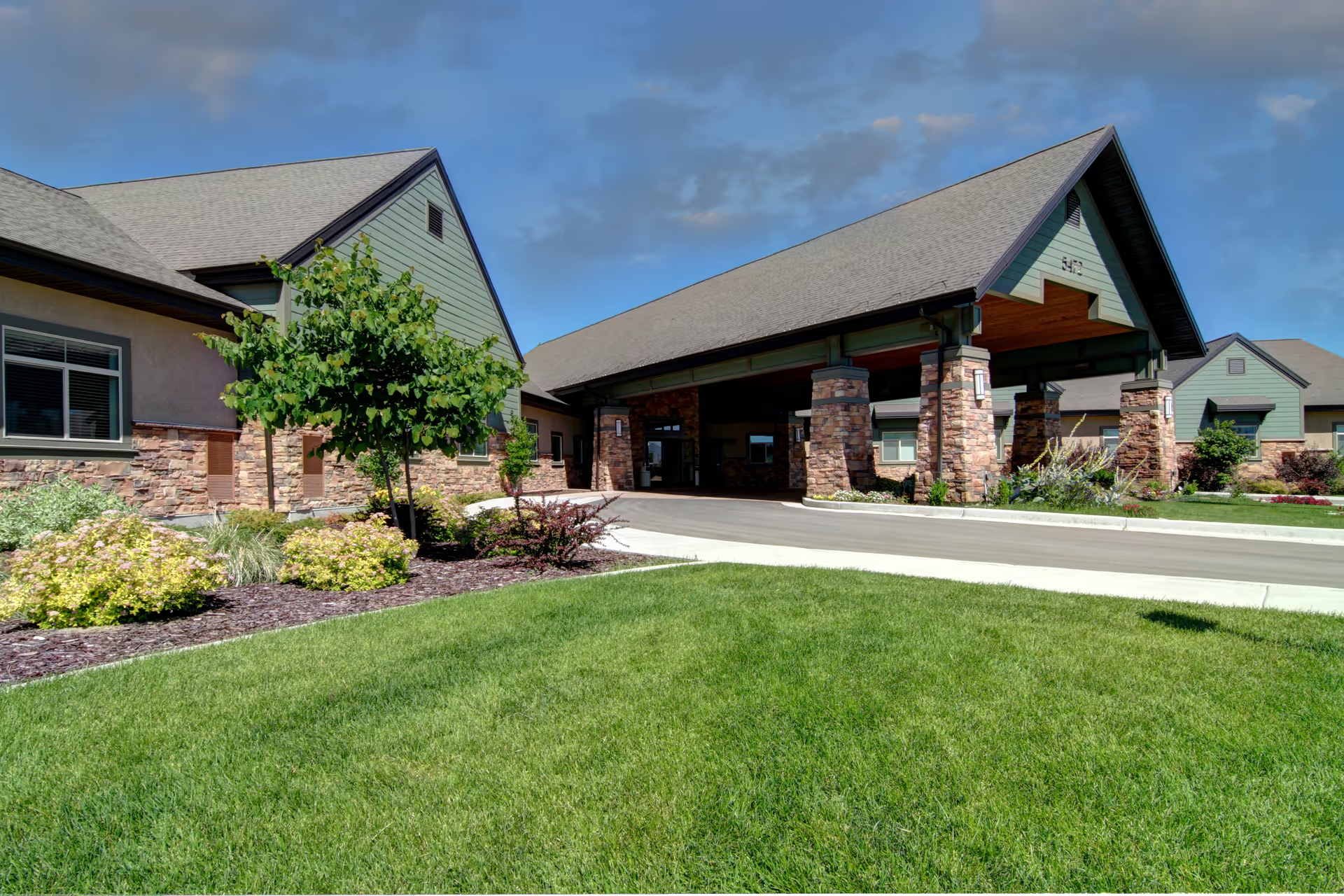
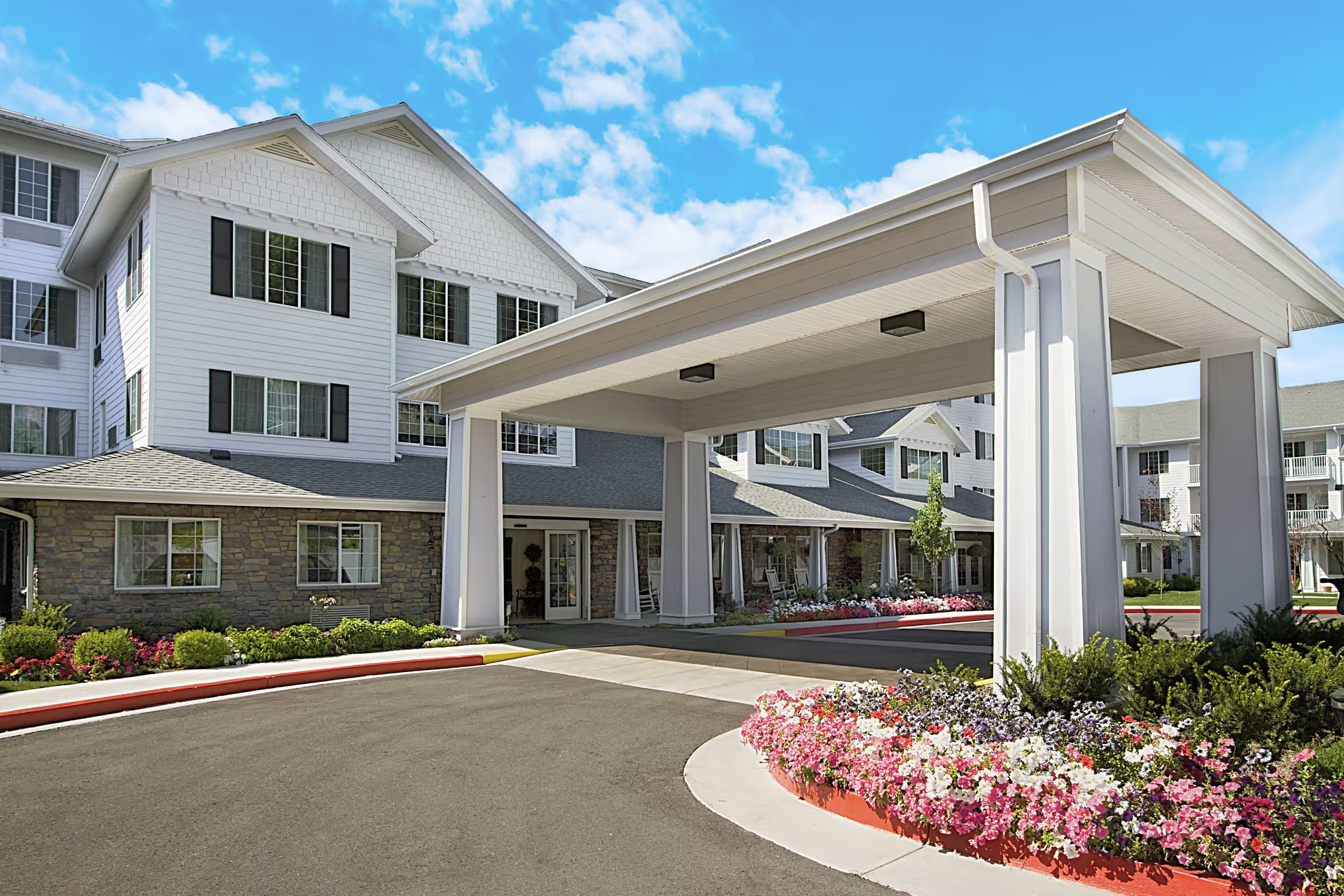
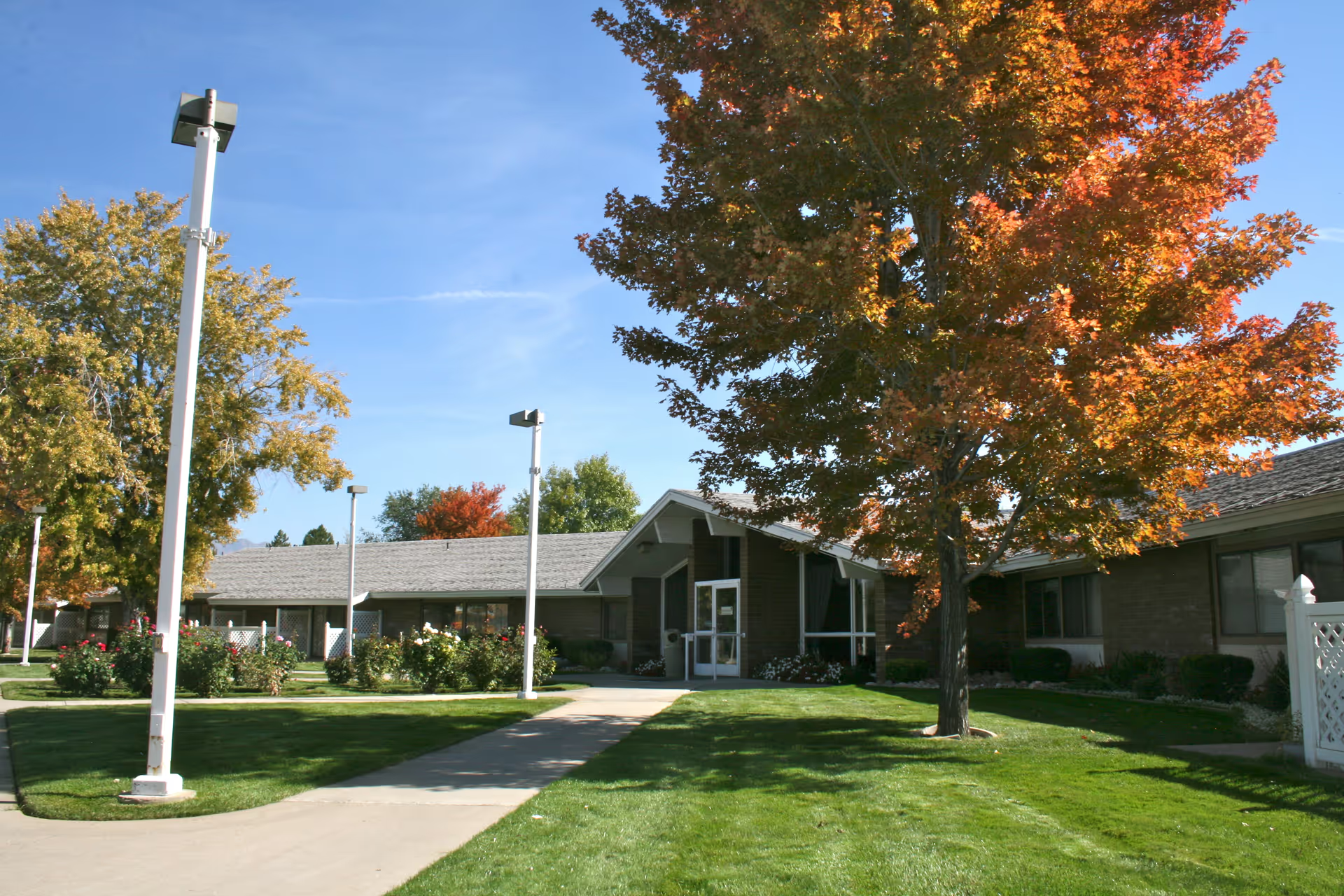
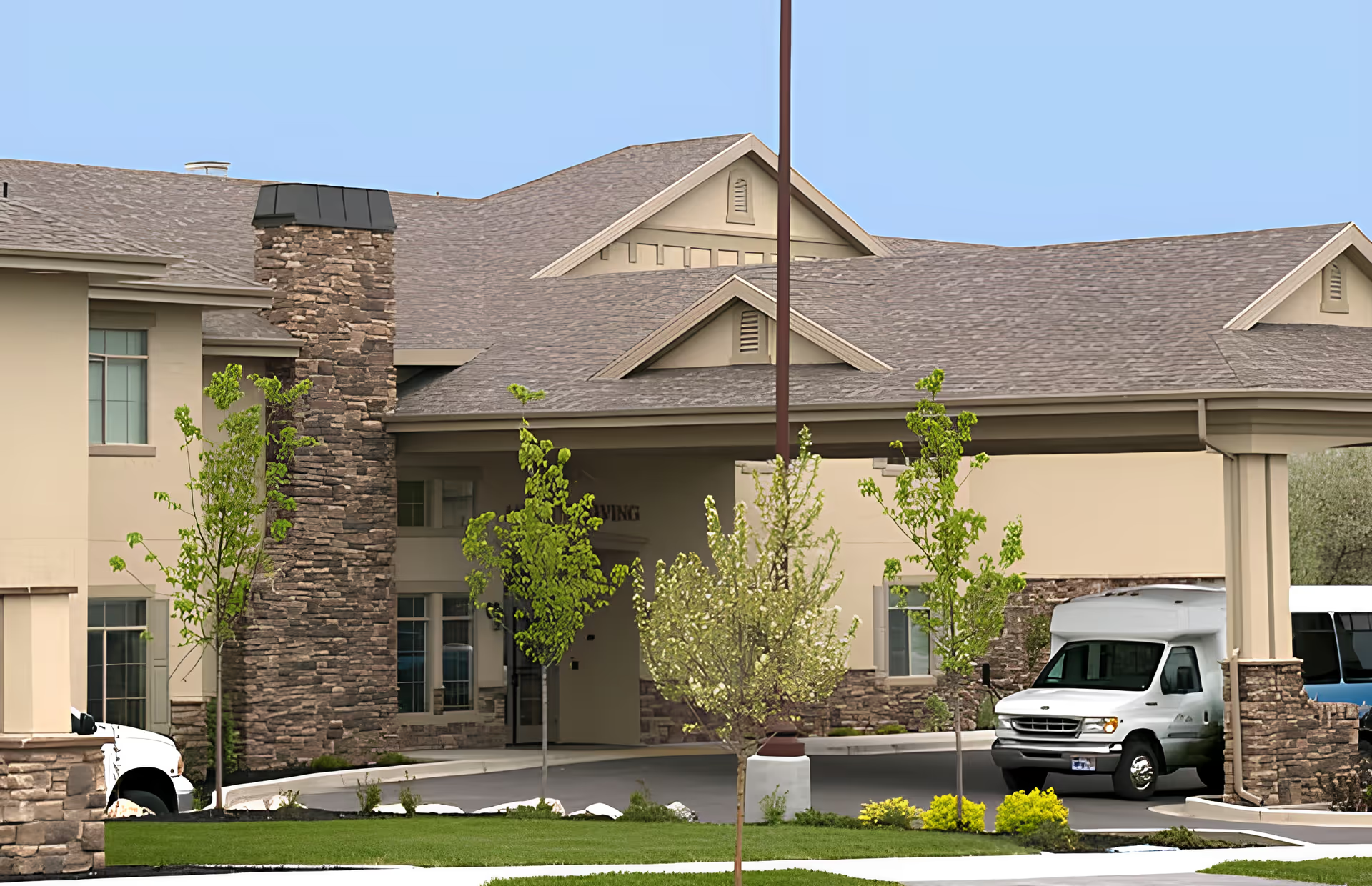
Cascades at Riverwalk elicits strongly polarized feedback. Many families and residents praise the clinical staff—nurses, CNAs, and therapy teams receive frequent commendation for compassion, responsiveness, and measurable rehabilitation outcomes. The facility’s physical environment is also commonly cited as an asset: large, attractive spaces, a substantial therapy gym with modern equipment, roomy patient rooms (when private), and active programming and outings that support social engagement and recovery.
At the same time, operational inconsistencies are a recurring theme. Reviews indicate variability in staffing levels that appears to correlate with longer response times during nights, weekends, and holidays. That variability manifests as slow or unreliable call‑light response, delays in assistance with mobility or toileting, and intermittent lapses in adhering to individualized care plans (for example, repositioning/turning and wound-management schedules). Several accounts raise concerns about medication administration and glucose monitoring practices, and there are reports of delayed pain-control and inconsistent clinical follow-up after incidents.
Dining and nutrition are another mixed area. Some visitors and residents describe well-prepared meals and thoughtful accommodations, while others note cold food service, inconsistent meal preparation relative to orders (texture or diet specification), and limited diabetic-appropriate options. Families concerned about special diets or strict glycemic control should confirm menu options and monitoring protocols during their tour.
Facility amenities and activities are frequently highlighted as strengths. Therapy and activity staff are described as engaging and creative, offering individualized rehabilitation, outdoor access, and a broad activity calendar. Housekeeping and maintenance receive praise in many accounts, though cleanliness and sanitation standards are described as inconsistent in certain units or shifts, producing intermittent odor and sanitary-service concerns.
Administrative reliability is uneven. Positive experiences include effective case-management, discharge coordination, and compassionate end-of-life support. Conversely, others describe poor communication from leadership, delayed or opaque billing and transfer paperwork, and serious allegations concerning personal-item security and financial practices. A small number of reviews reference external investigation and families raising concerns following adverse events; these instances underline the need for careful review of incident-reporting and grievance procedures.
Overall pattern: the facility appears to combine high-quality clinical and therapy capabilities with operational fragility tied to staffing, communication, and consistency of routine care. Prospective residents and families would benefit from an in-person assessment that includes peak and off-peak observation (day, evening, weekend), direct questions about staffing ratios, call‑system functionality, medication and monitoring protocols, nutrition/diabetic accommodations, incident-reporting procedures, and safeguards for personal property and billing. Reviewing recent state inspection results and asking to speak with both nursing leadership and the therapy director can help clarify whether the strengths highlighted in many reviews are reliably available for a given stay.