The reviews present a mixed picture of care and services. Many families and visitors describe compassionate, respectful staff who engage residents and maintain a clean, well-kept facility with accessible outdoor spaces. Several accounts praise the rehabilitation program, clinical involvement, and a robust activities calendar that includes outings, movies, hobby groups, religious services, and on-site personal care services such as hair styling. For some residents the combination of attentive caregivers, active programming, and a secure environment produced visible improvements in mood and functioning.
At the same time, a consistent theme is variability in day-to-day care quality. Some families described timely, attentive assistance and strong clinical oversight, while others reported delays in basic care tasks (including bathing schedules and linen changes), inconsistent therapy availability, and episodes of limited clinical responsiveness. These differences appear to correlate with staffing levels and unit assignments: families repeatedly noted high staff workloads, short staffing, and slow response times during some shifts. That variability contributes to an uneven experience between residents.
Dining and dietary management also show mixed feedback. Several reviewers praised healthy, tasty options and an organized meal program; others described meals as overly commercial or inconsistent, and at least one family raised a dietary-management concern. Likewise, activity programming is a strength for many residents — with frequent events and community engagement — but bedridden or more-dependent residents do not always participate, and some units have limited outdoor access or a heavy emphasis on religious programming, which may not match every resident’s preferences.
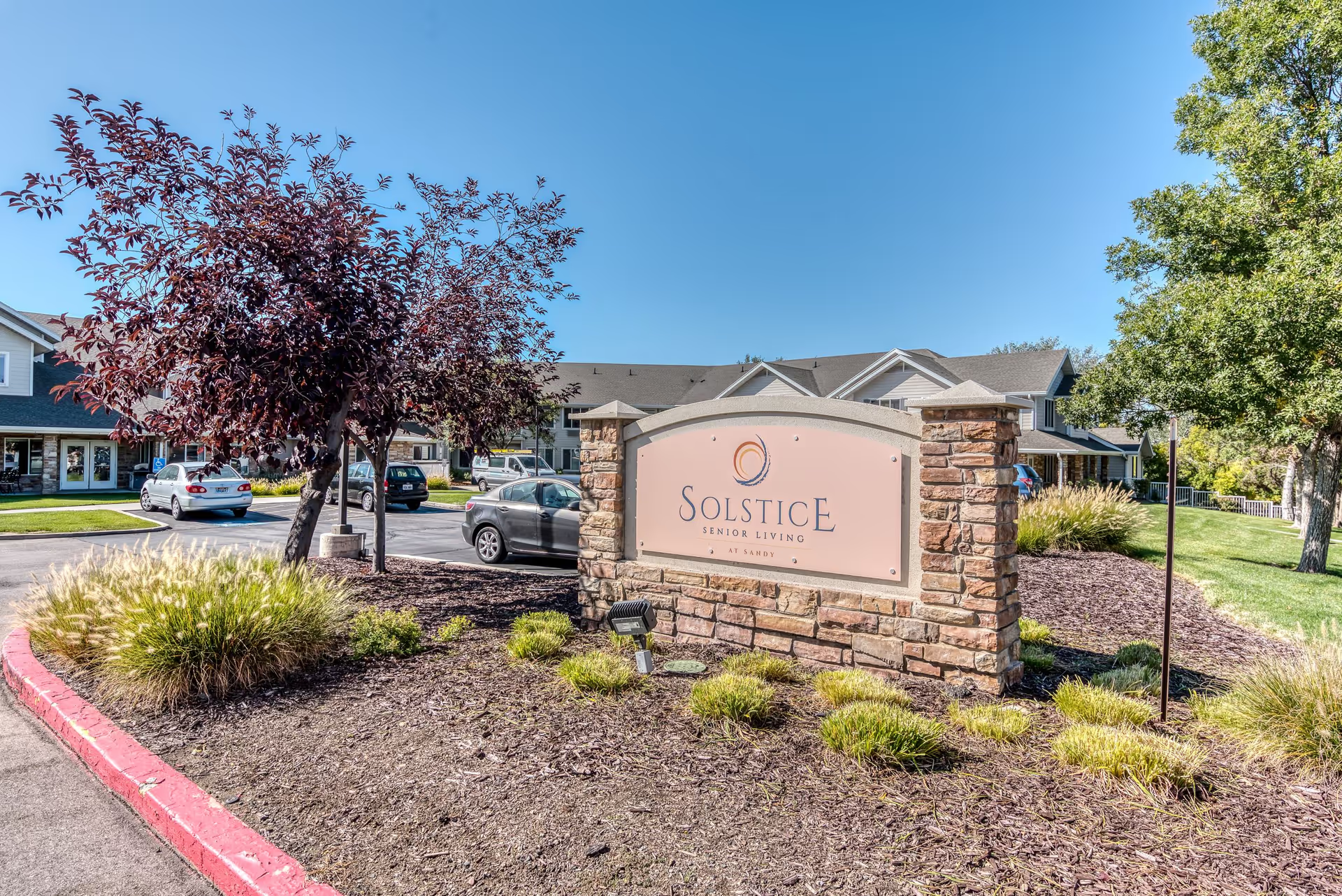
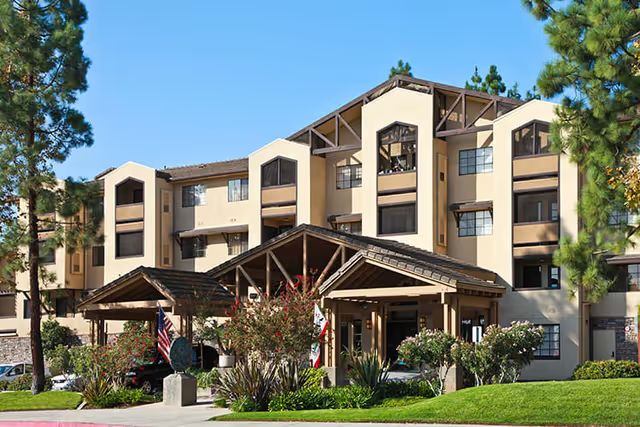
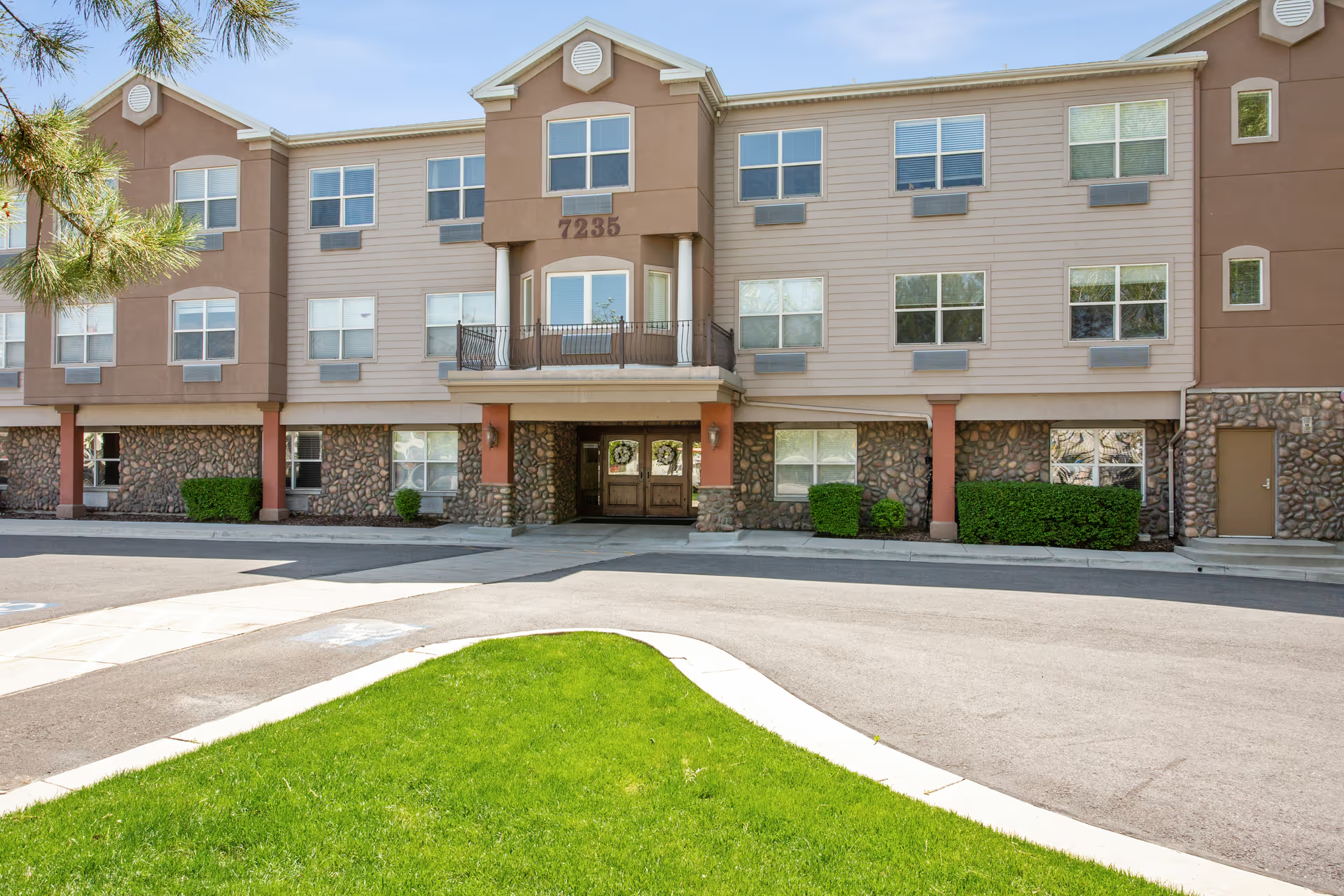
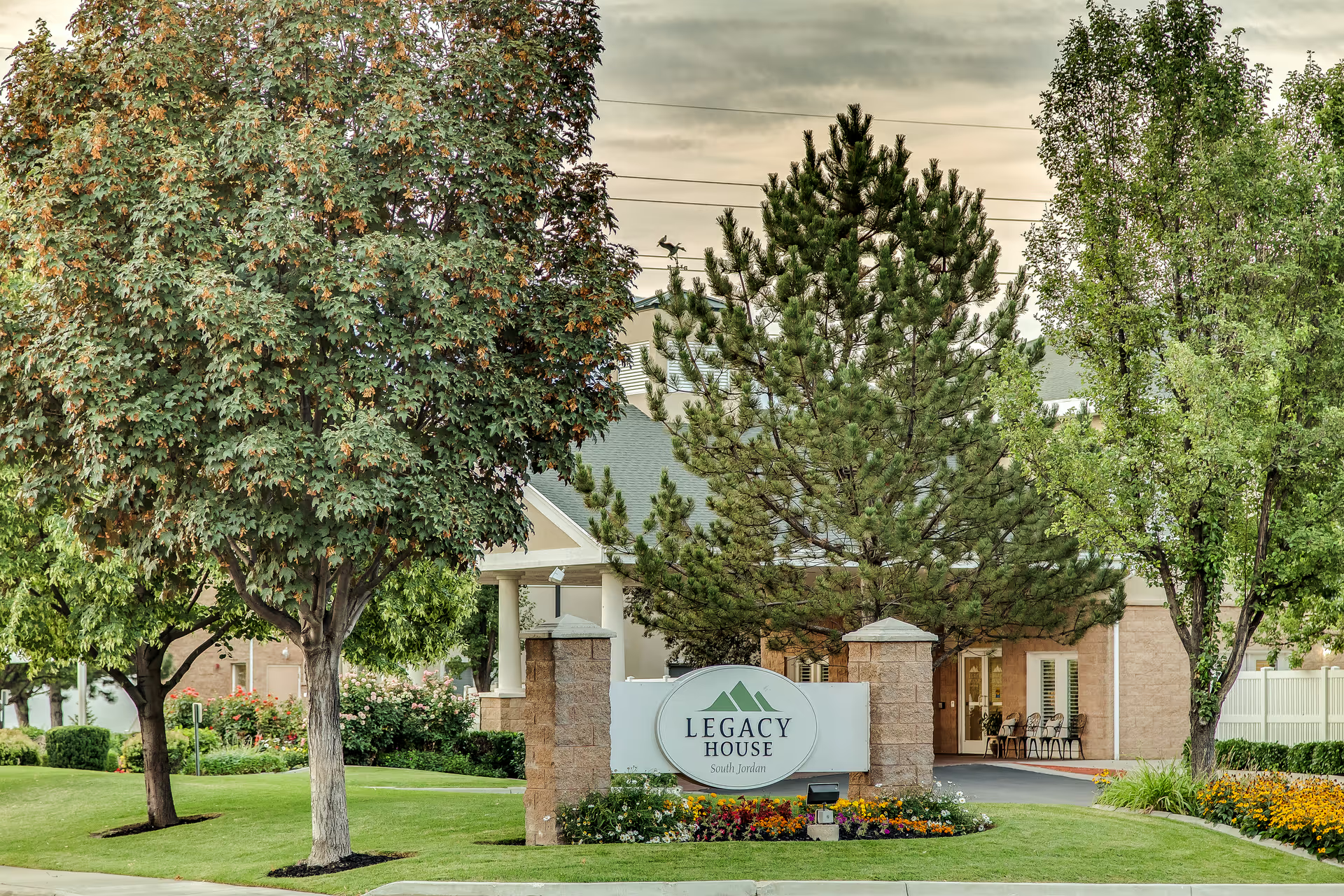
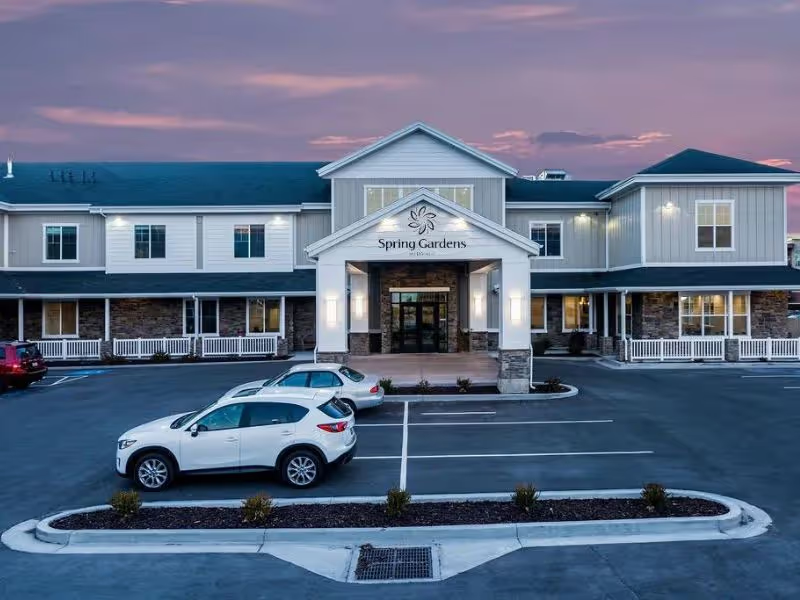
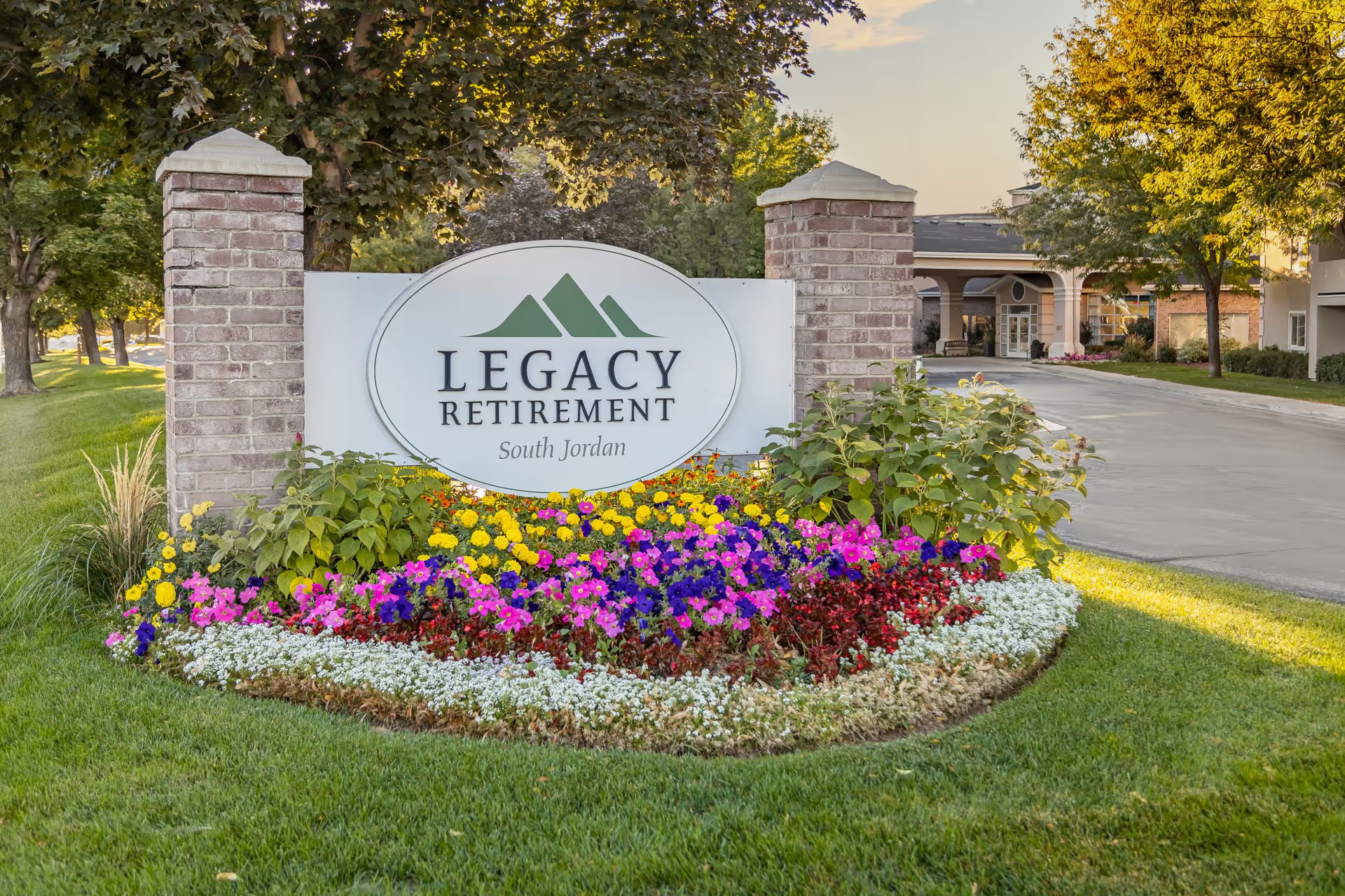
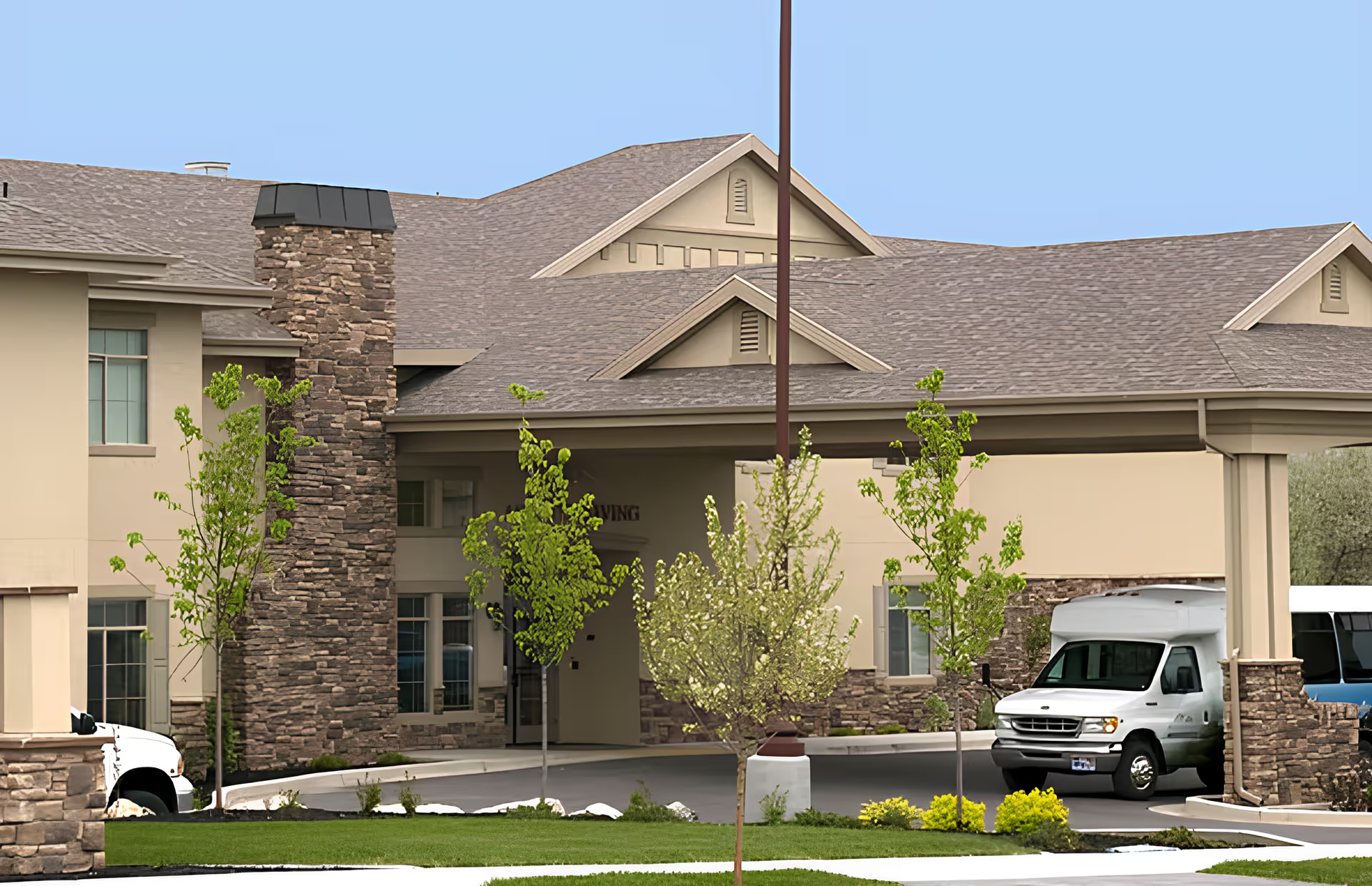
Facility amenities are generally noted as clean and attractive, with some areas described as new or recently updated and featuring yards or patios. However, operational limitations appear in room configuration and communal spaces: shared, small rooms and limited private-bathroom availability were reported, as were crowded TV/dining areas with limited comfortable seating for visitors. Families should inquire about room types, roommate policies, and communal seating if these are important considerations.
Communication and management follow-up are recurring concerns. Several families cited poor callbacks, discharge-communication issues, and inconsistent updates about care plans. Alongside these communication gaps, reviewers expressed worries about staff conduct variability, linen and incontinence-care processes, and medication-management practices. These are operational areas where clearer policies and consistent staffing could reduce risk and improve family confidence.
Overall, the facility demonstrates clear strengths in staff compassion, cleanliness, rehabilitation services, and activity offerings, but prospective residents and families should be prepared for variability in staffing, care responsiveness, therapy consistency, and room configurations. Recommended pre-admission questions include staffing ratios for the intended unit and shifts, private-room availability, therapy schedules and goals, dietary management processes, outdoor-access policies, and the facility’s family-communication protocols.